Introduction
The difference between a smooth IV insertion and a frustrating miss often comes down to vein selection. Choosing the right vein is one of the most practical, high-impact skills you can develop as a medical student.
Whether you’re practicing on a model or assisting in a clinical setting, knowing which veins work best for IV injection can make all the difference. This guide breaks down the most reliable sites, common mistakes to avoid, and tips to help you get it right—starting now.
What Makes a Good Vein?
Before inserting a needle, it’s important to identify a suitable vein. A good vein for IV injection usually has the following characteristics:
- Visible and superficial – easy to locate near the skin surface
- Elastic – springs back when pressed
- Straight – allows for smoother insertion
- Free from infection, bruising, or damage
Veins to avoid:
- Veins near joints (due to movement and difficulty securing the cannula)
- Arteries (pulsating vessels — never use these)
- Previously punctured, swollen, or scarred areas
Most Common Vein Sites Explained
1. Dorsal Hand Veins
- Recommended veins: cephalic vein, dorsal metacarpal veins
- Pros: Superficial, easy to visualize and access
- Skill level: ★★★☆☆
- Notes: May cause more discomfort; not ideal for long-term cannulation
2. Forearm Veins
- Recommended veins: cephalic vein, median antebrachial vein
- Pros: Straight, elastic, relatively stable
- Skill level: ★★★★★
- Why it's great: This area is ideal for student or beginner practice — safe, accessible, and forgiving
3. Antecubital Veins
- Recommended veins: median cubital vein (most commonly used for blood draws)
- Pros: Large and straight
- Skill level: ★★★★☆
- Notes: Good for short-term access but prone to movement due to elbow flexion
4. Less Common Sites
- Examples: dorsal foot veins, great saphenous vein (ankle), scalp veins (in infants)
- Not usually recommended for students, but worth knowing for special cases
| Veins for IV Injection | Skill Level |
| Forearm Veins | ★★★★★ |
| Antecubital Veins | ★★★★☆ |
| Dorsal Hand Veins | ★★★☆☆ |
| Less Common Sites | ★★★★★★★★ |
Based on the difficulty levels shown in the table, the answer is obvious. What’s the best veins for iv injection?For beginners learning IV injection, Dorsal Hand Veins offer the lowest level of difficulty and are a great place to start. However, it’s also important to practice with other common sites to build versatility and confidence in different clinical scenarios.
Practical Tips to Improve Your IV Skills
1. Choose the Right Vein First
Start with visible, straight, and well-filled veins—typically in the forearm or hand. Avoid veins near joints or areas with scars.
2. Use a Tourniquet Correctly
Apply the tourniquet 5–10 cm above the insertion site to engorge the vein, but don’t leave it on for more than 2 minutes to avoid discomfort and vein damage.
3. Warm the Area if Needed
Use a warm compress or ask the patient to clench their fist to improve vein visibility and size.
4. Keep the Needle Angle Low
Insert the needle at a shallow angle (about 15–30 degrees) to reduce vein puncture and improve cannulation success.
5. Anchor the Vein
Use your non-dominant hand to gently pull the skin taut below the insertion site to stabilize the vein and prevent it from rolling.
6. Look for Flashback Quickly
Once you see blood flashback in the catheter hub, advance the catheter slightly before threading it fully to avoid missing the vein.
7. Secure the IV Properly
Use tape or a transparent dressing to stabilize the catheter and prevent dislodgment during patient movement.
8. Practice Regularly
Use simulation models or practice arms to build confidence and muscle memory before working on patients.
9. Stay Calm and Communicate
Explain the procedure clearly to the patient, stay relaxed, and take your time—nervousness can affect your technique.
There is no single "best" vein for IV injection. Every patient is different, and vein conditions vary widely. The key to success lies not in finding a perfect vein every time, but in developing the skill and confidence to adapt and perform well across multiple sites. Continuous practice, patience, and experience are what truly make a proficient clinician.
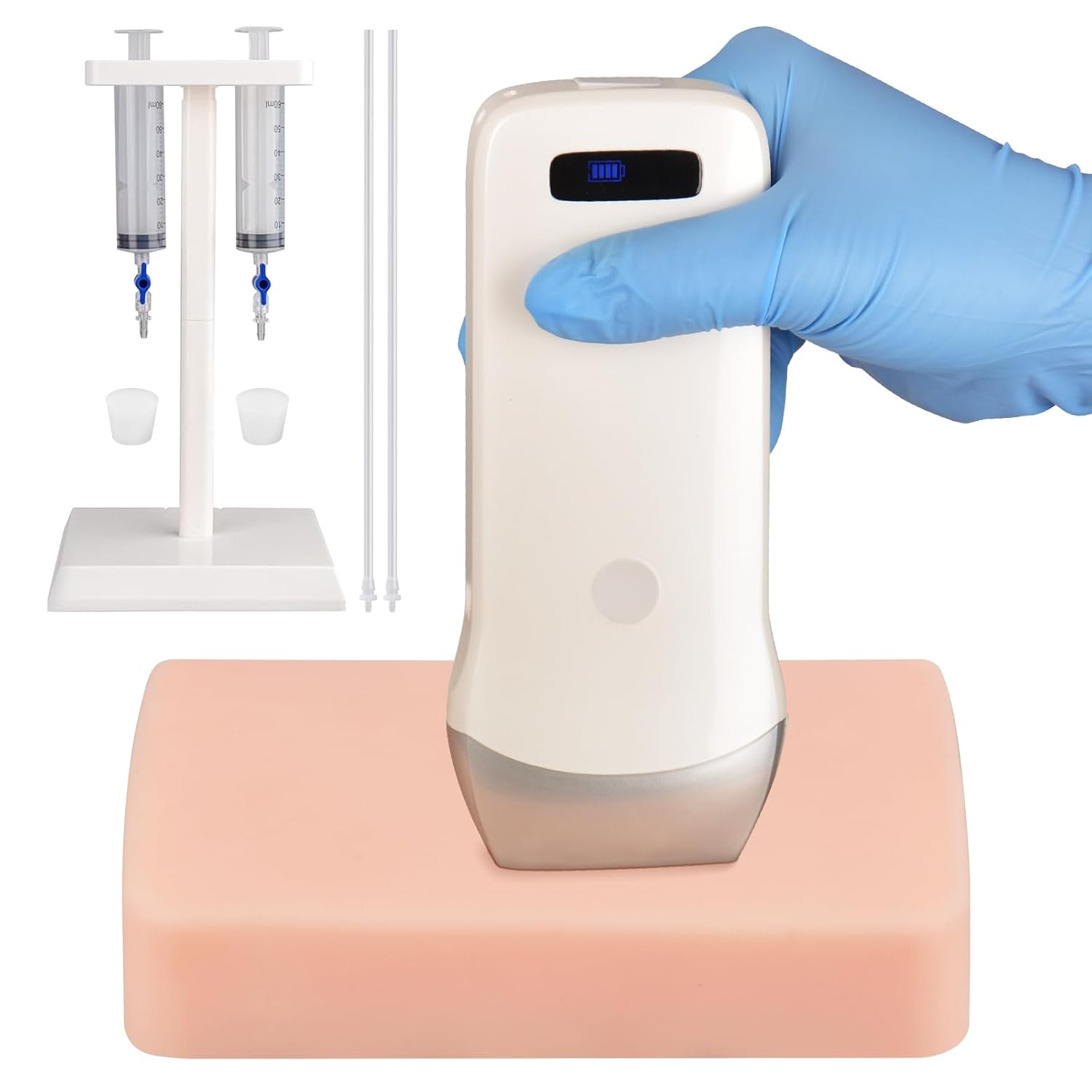
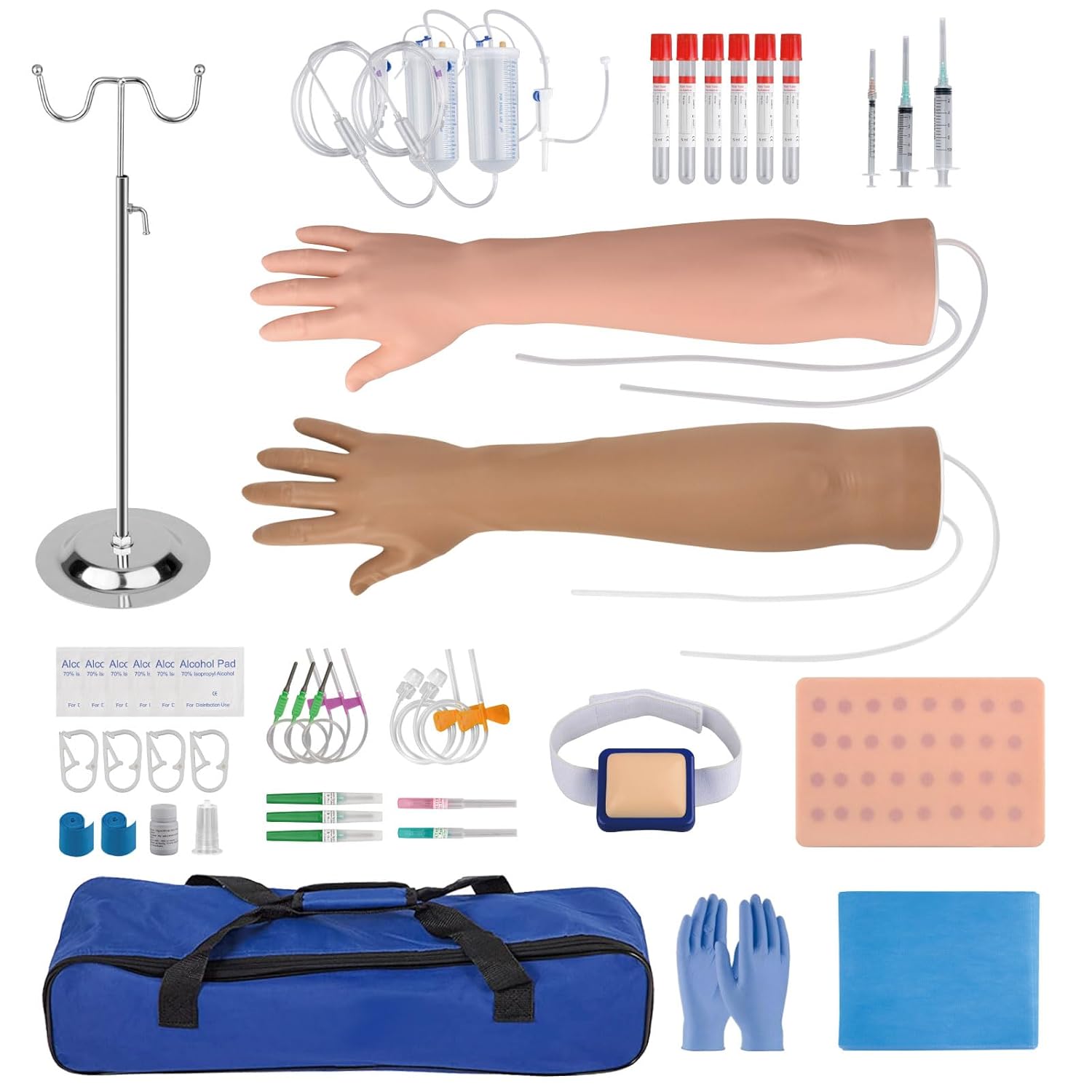
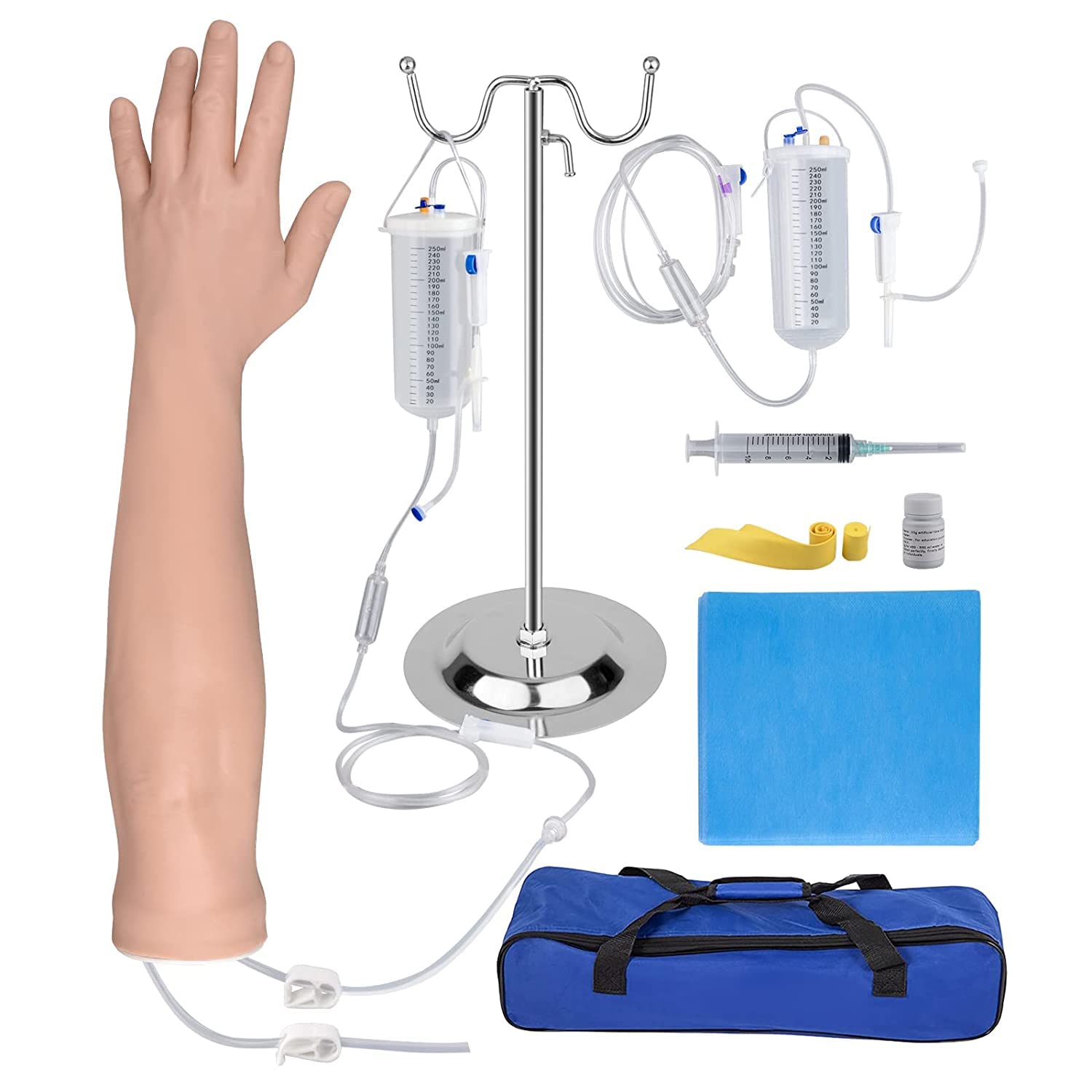
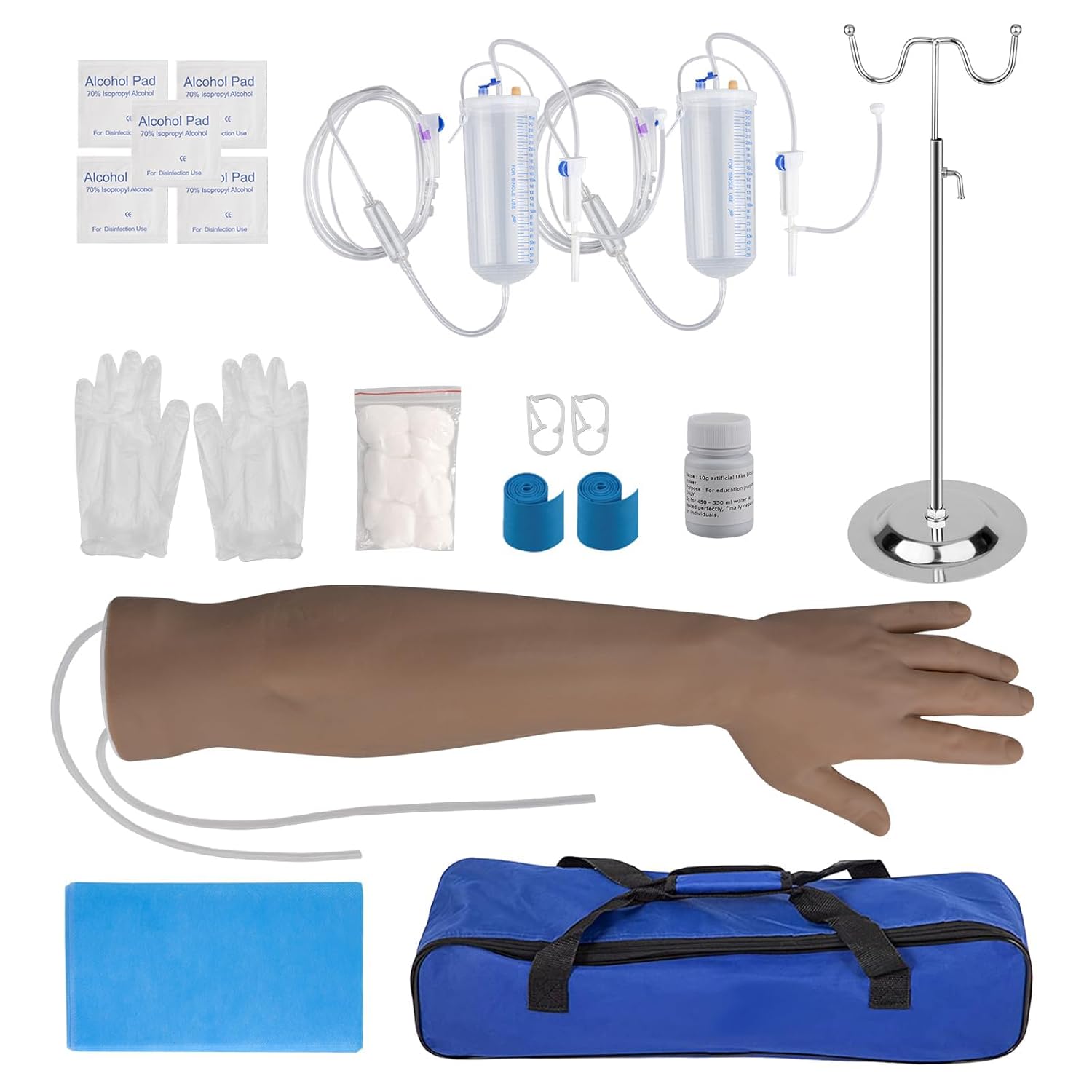
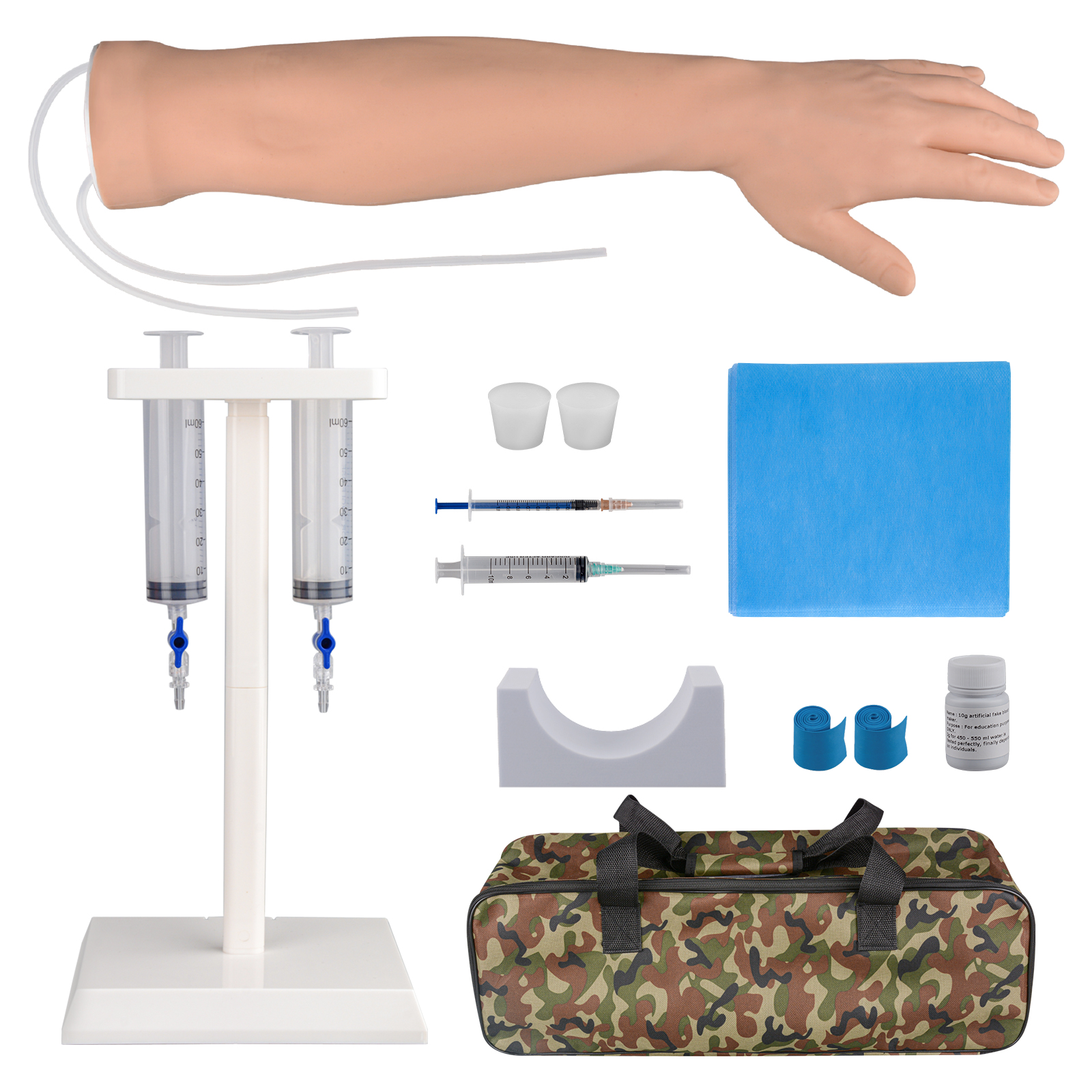
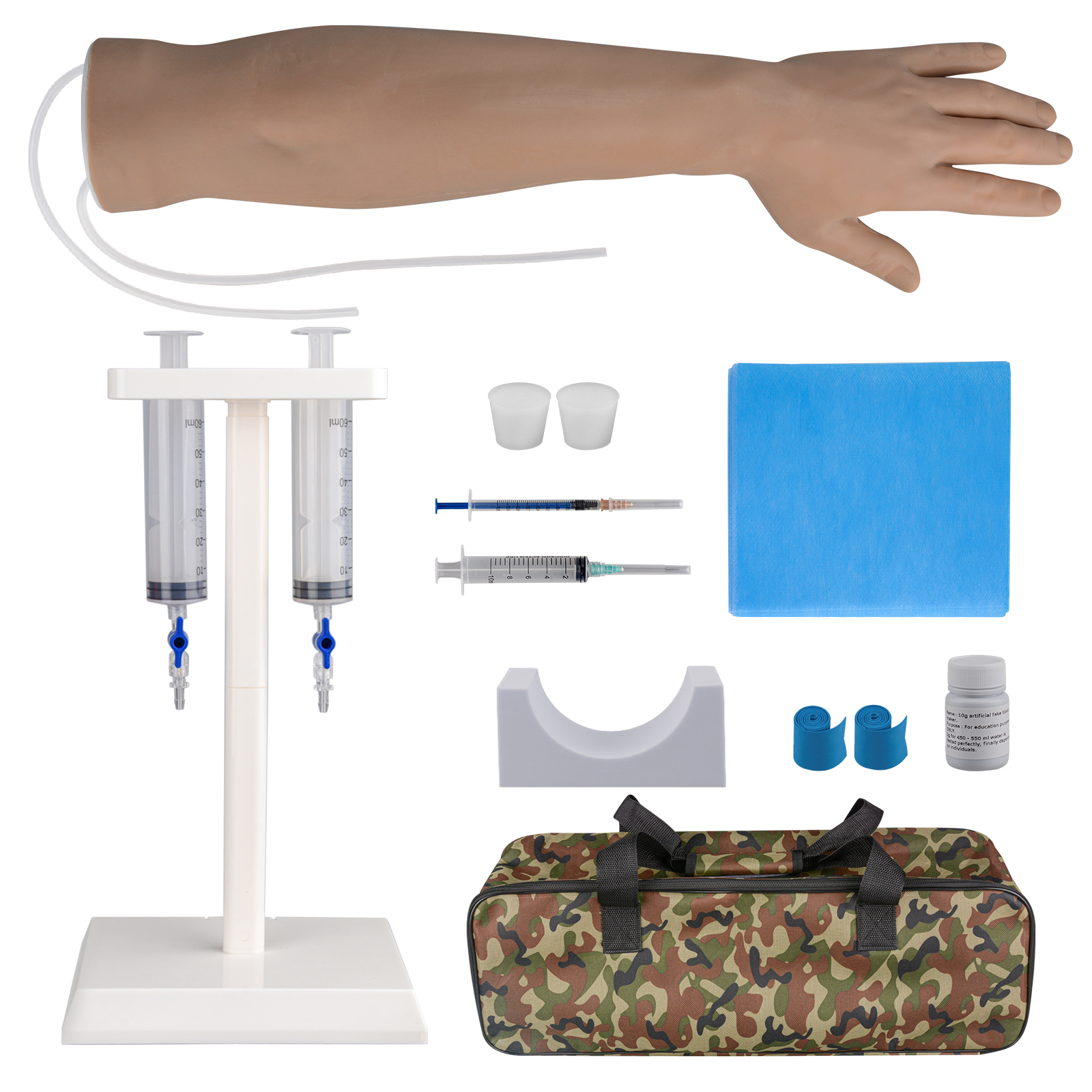
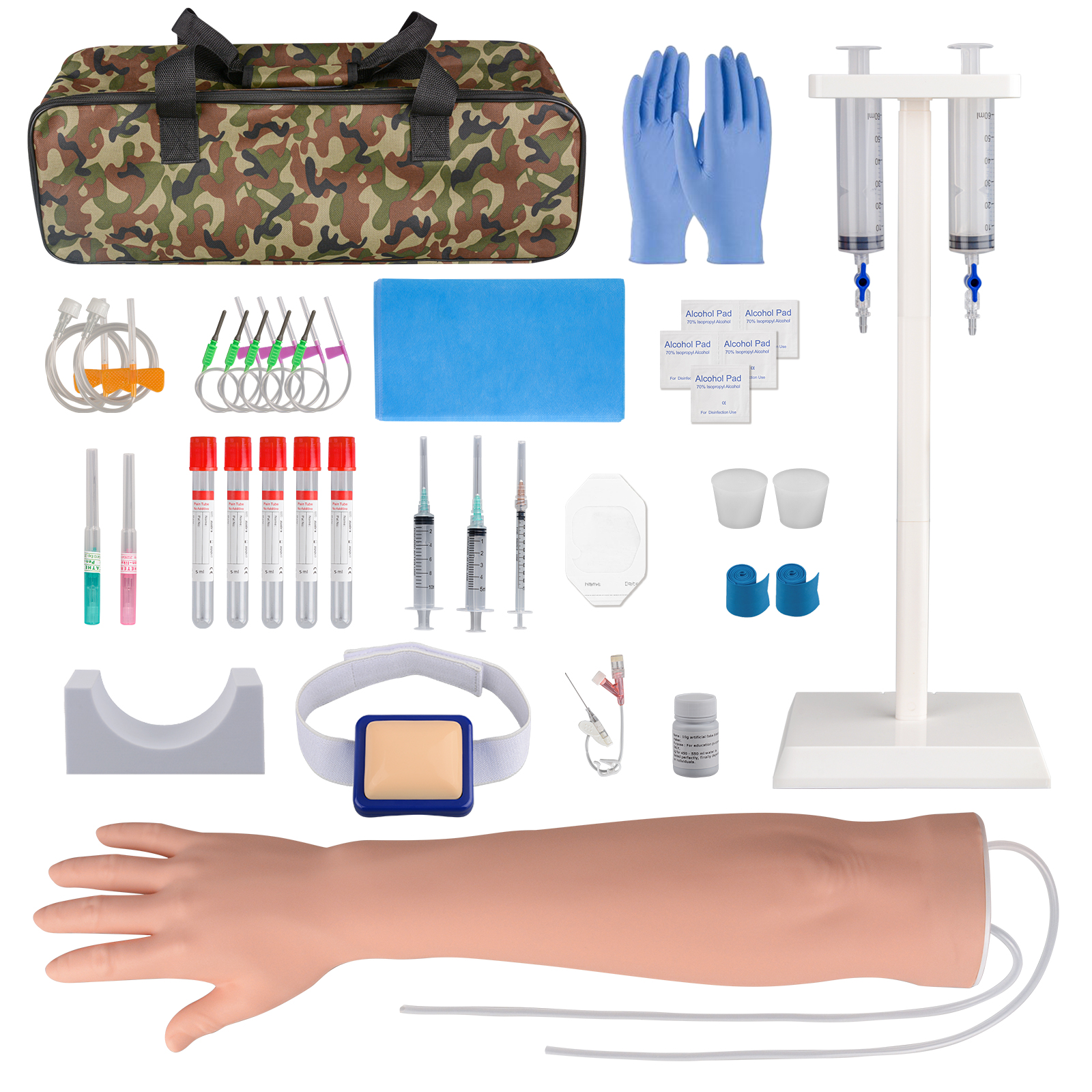
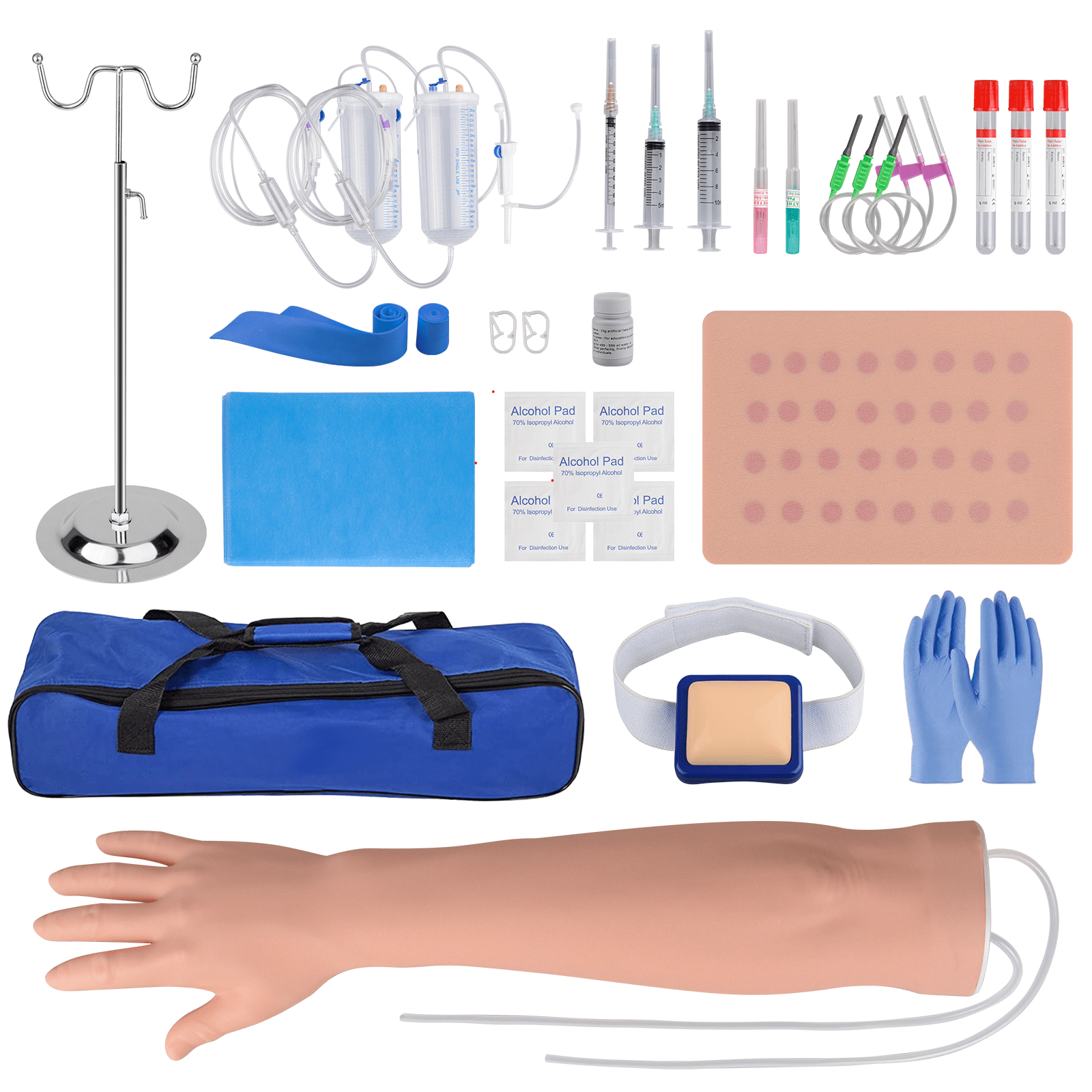
To support your training, we offer a range of IV injection practice models—including dorsal hand vein trainers, forearm vein trainers, antecubital veins injection trainers , whole iv arm trainers even other less common sites trainers—designed to help you gain hands-on skills with realistic anatomy.