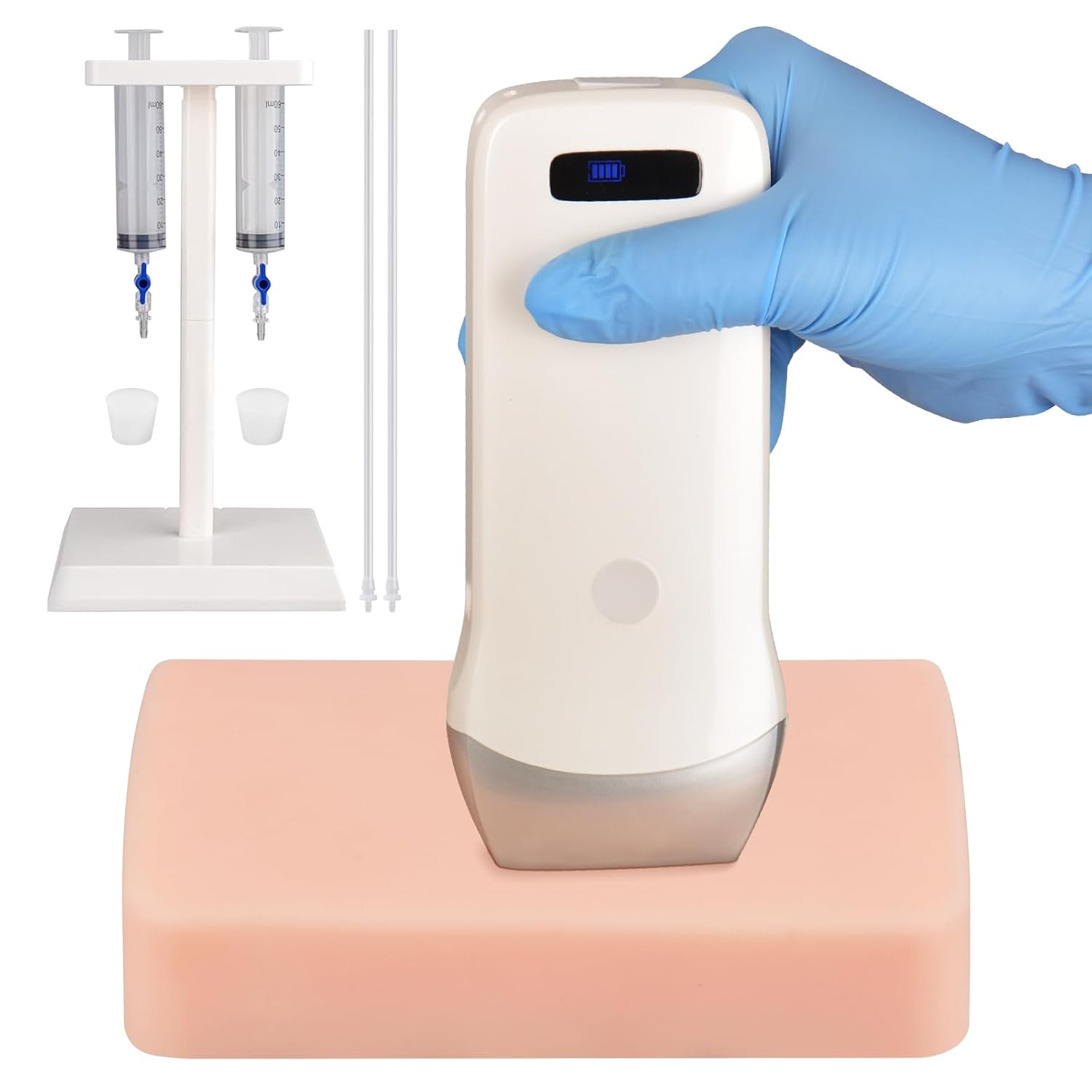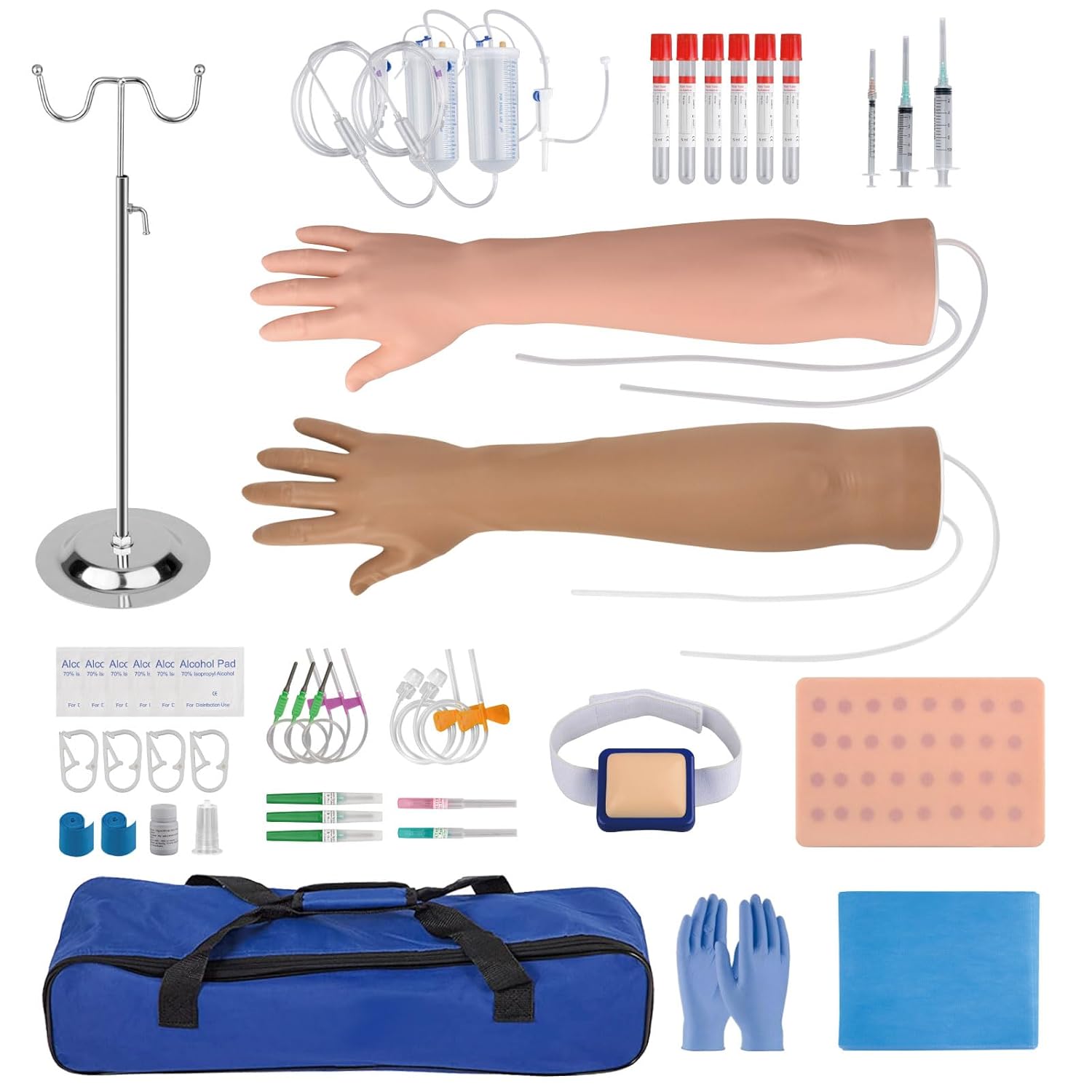
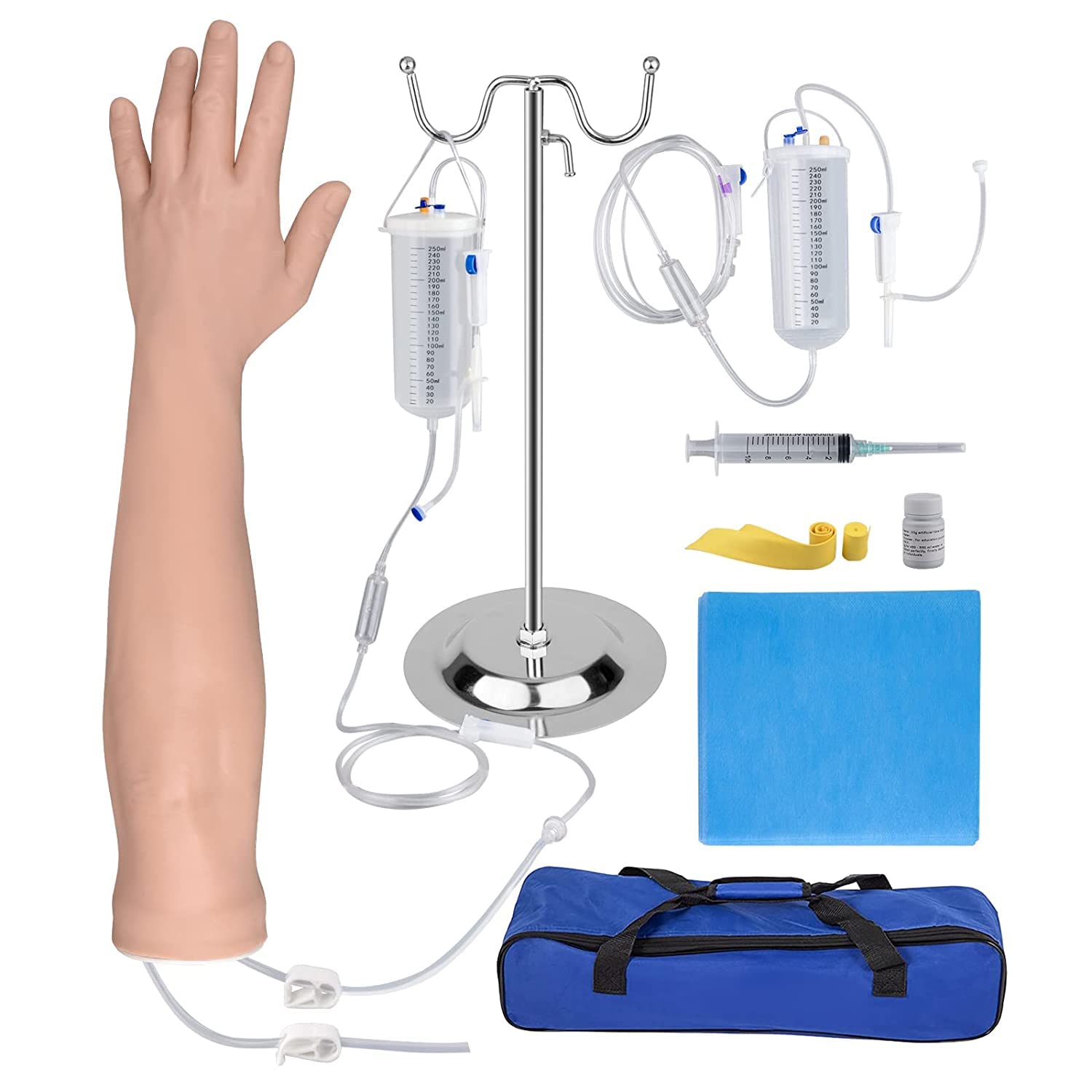
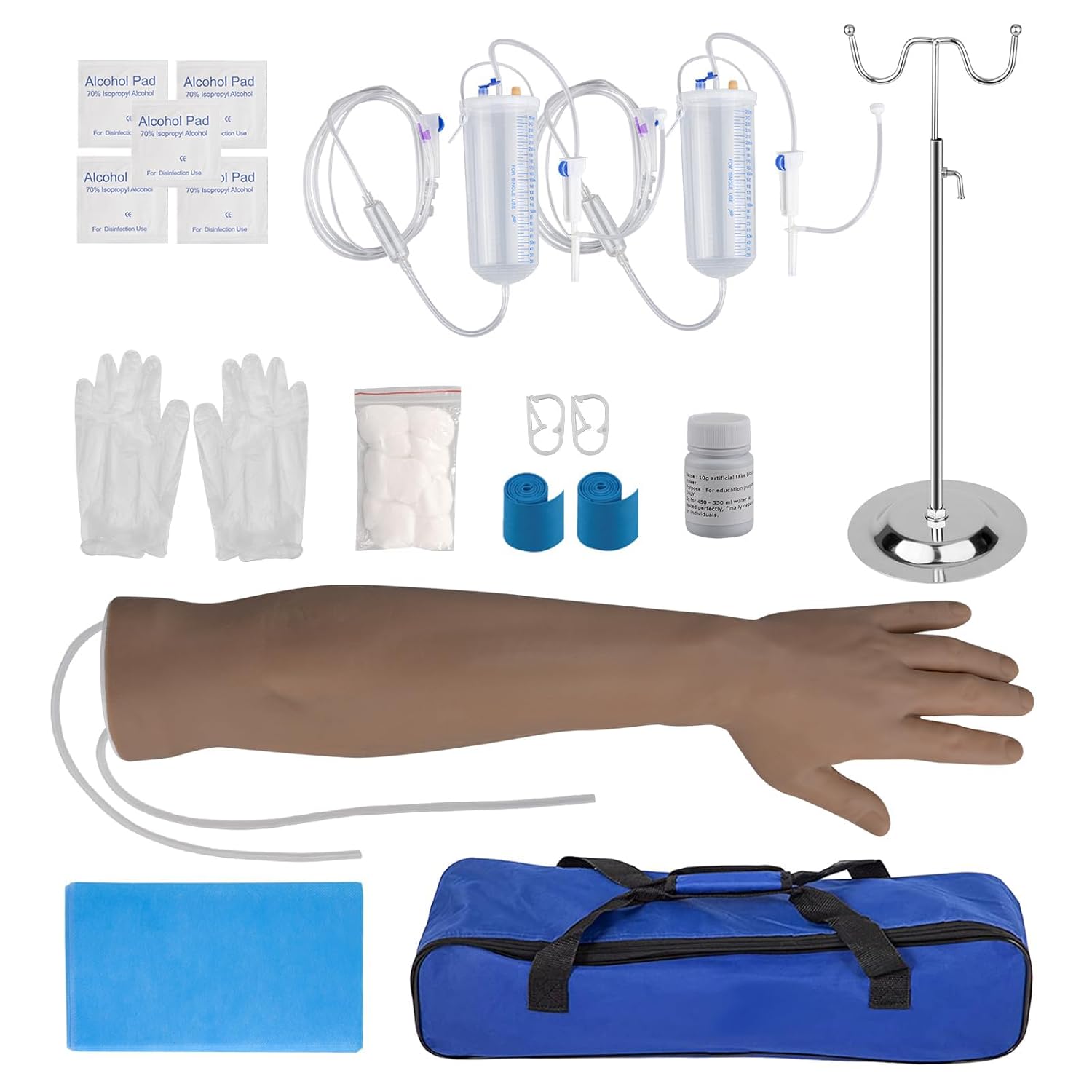
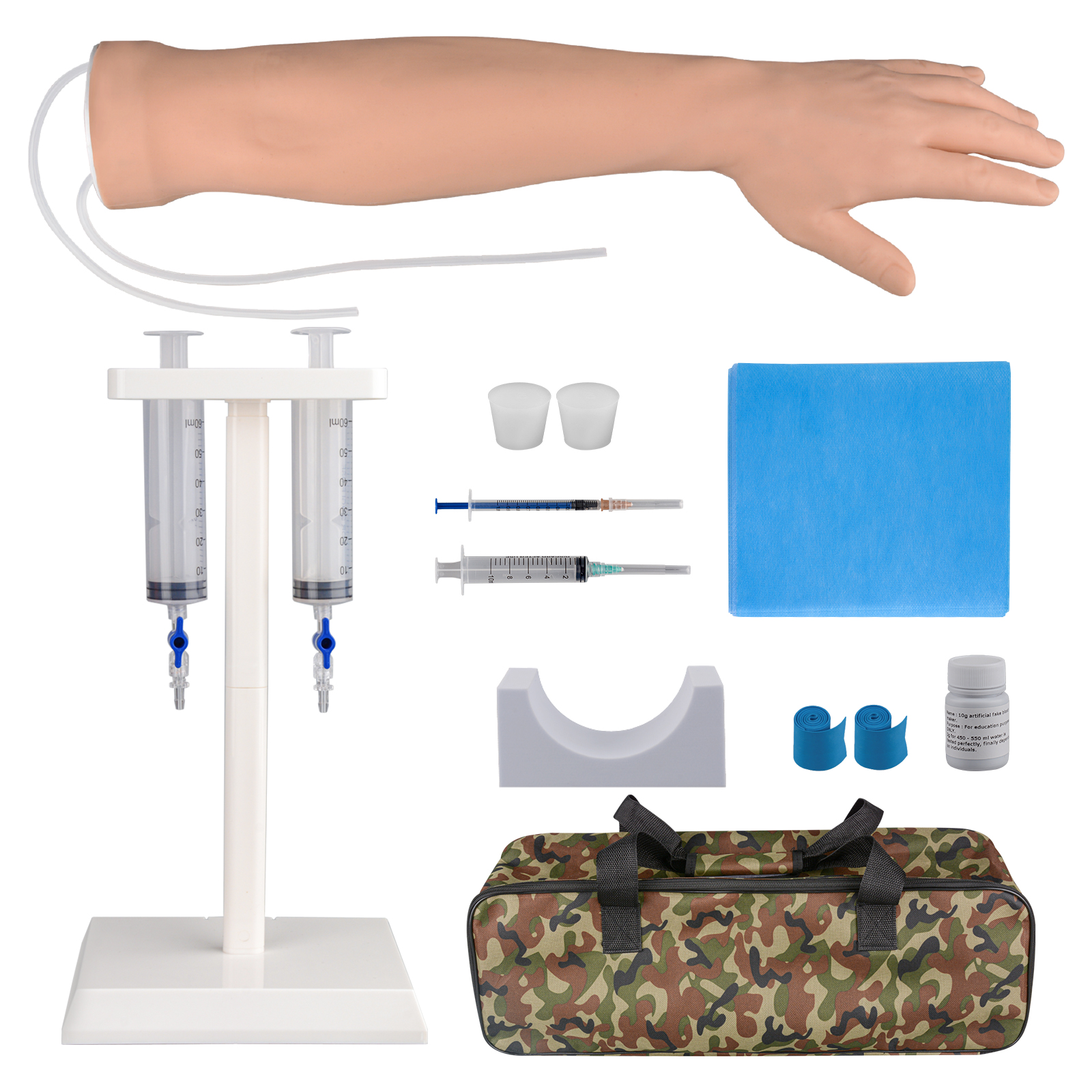
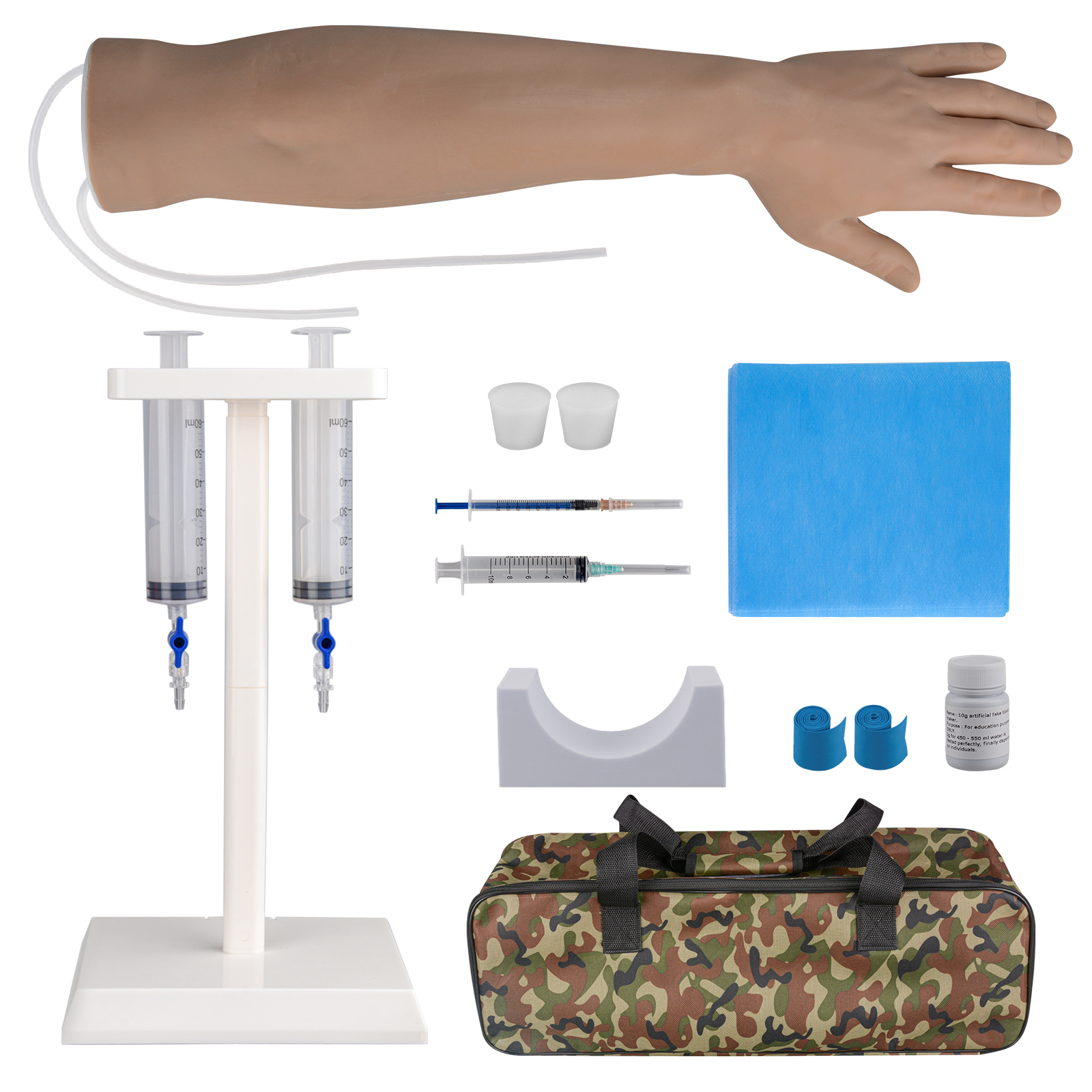
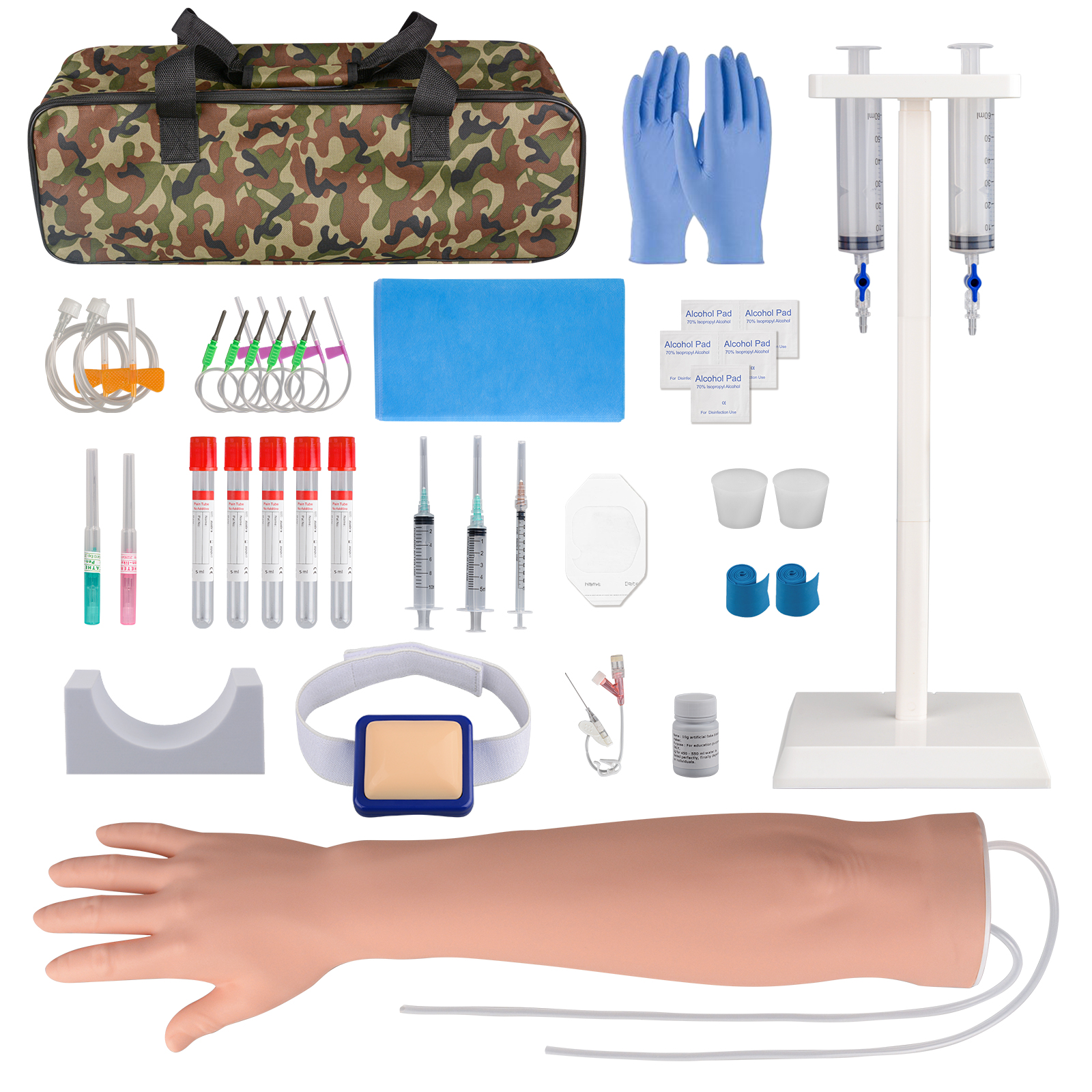
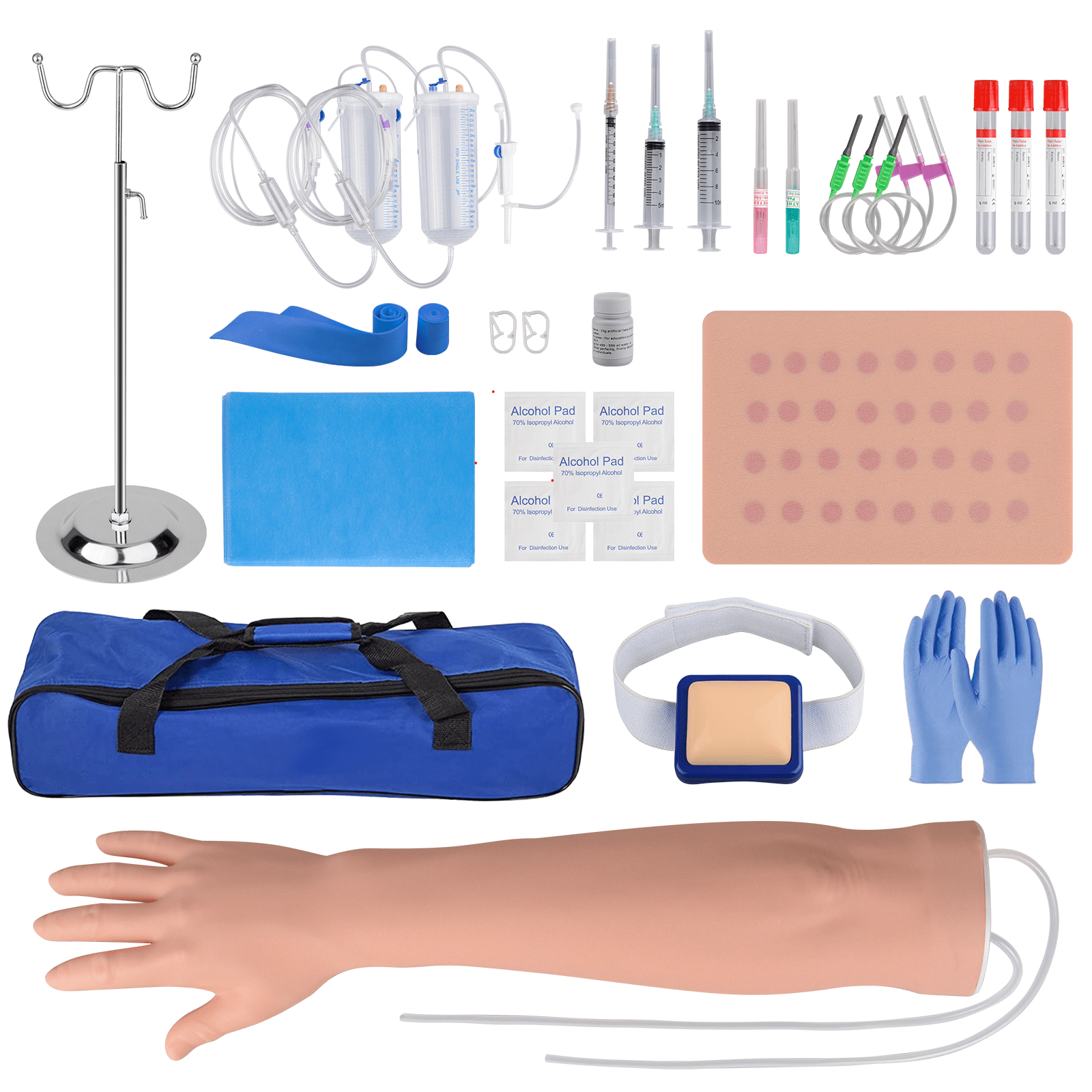
An intradermal injection is a technique where a small amount of fluid is injected into the top layer of the skin, just under the surface (the dermis). It's commonly used for:
- Tuberculosis testing (Mantoux/PPD test)
- Allergy testing
- Local anesthetic injections
Unlike subcutaneous or intramuscular injections, intradermal injections are more superficial, require greater precision, and are not meant for delivering large volumes of medication. Though it might seem tricky at first, with a bit of practice, it becomes a straightforward skill.
This article will show you step-by-step how to give an intradermal injection, along with helpful tips and common mistakes to avoid.
What You’ll Need
Before you begin, gather the following supplies:
- 1 mL syringe with a 25–27 gauge needle (very fine)
- Medication or testing agent (e.g., PPD solution)
- Alcohol swabs
- Clean gloves
- A sharps container
- A clean, well-lit surface
Pro Tip: Always check the expiration date and clarity of the solution. Do not use it if it looks cloudy or contains particles.
Patient Preparation and Site Selection
- Explain the procedure to the patient in simple terms.
Example: “You’ll feel a small pinch. We’re injecting just under the surface of the skin to test your immune response.”
- Make sure the patient is relaxed and comfortable, either seated or lying down with their inner forearm exposed.
- Choose an area that’s free from hair, scars, or rashes, usually the inner forearm is ideal.
Step-by-Step Injection Technique
- Wash your hands and wear gloves.
- Clean the injection site with an alcohol swab and let it dry completely.
- Hold the skin taut (gently stretch it flat with your thumb).
- Hold the syringe bevel up and insert the needle at a 5–15° angle, just under the skin surface.
- You should see the needle just under the skin, not deep.
- Inject the fluid slowly. A small bubble or wheal (like a mosquito bite) should form.
- Withdraw the needle gently at the same angle.
- Do not massage or press the site.
- Safely discard the needle and syringe in a sharps container.
Aftercare and Patient Instructions
- A successful injection forms a raised bleb or wheal about 6–10 mm wide.
- Tell the patient not to scratch, rub, or cover the site.
- For tuberculosis testing, advise them to return in 48–72 hours for the site to be checked.
- Document the time, location, dose, and any observations.
Common Mistakes and How to Avoid Them
| Mistake | Cause | Solution |
| No wheal formed | Injection too deep | Re-try at a shallow angle |
| Fluid leaks out | Incorrect needle angle | Keep needle bevel up and steady |
| Patient discomfort | Rushing or poor technique | Work slowly and explain steps |
| Bleeding at site | Punctured blood vessel | Apply gentle pressure (don't rub) |
When Not to Use Intradermal Injection
Avoid intradermal injection if:
- The skin has an infection, rash, or injury
- The patient has known allergies to the substance being injected
- There's a need for faster absorption or a larger dose (use subcutaneous/intramuscular route instead)
Conclusion
Giving an intradermal injection may seem intimidating at first, but it’s a useful and essential clinical skill, especially in public health, nursing, and allergy testing.
Just remember:
- Choose the right site
- Use a shallow angle
- Look for a proper wheal
- Stay calm and practice often
With confidence and care, you’ll be able to master this technique and use it safely in real-life clinical settings.
Practice Makes Perfect
➤ Explore SimCoach's Intrademal(ID) Injection Trainers
.jpeg?w=1024&h=476)
Learn More
➤ What is Intradermal Injection: Needle Size, Uses, Advantages & More