Overview
Intravenous injection (IV injection) means giving medicine or fluids directly into a vein. It works fast, allows precise dosing, and is widely used in clinical care.
This article explains the basics of IV injection, including its definition, uses, injection sites, and possible complications, helping beginners understand this common medical procedure.
Definition and Key Features
Definition:
IV injection is a method of delivering medicine directly into the bloodstream using a needle. Think of it as opening a “fast lane” for the body: the medicine travels through this lane like a high-speed train, quickly reaching the whole body and taking effect immediately.
Key Features:
· Fast-acting: Medicine enters the bloodstream directly and spreads quickly throughout the body.
· Precise dosing: IV injection allows accurate control of the medication concentration.
· Wide application: Suitable for patients who cannot take medicine orally or need urgent treatment.
· High skill requirement: Must follow strict sterile procedures to prevent infection and complications.
· Needle angle: The needle is usually inserted at a 15–30° angle to the skin to ensure blood return and reduce the risk of failed puncture or vein injury.
-2.jpg?w=650&h=488)
Common Intravenous Injection Application
Common types of intravenous (IV) injection applications generally include the following:
· Medication Delivery: Giving medicines such as antibiotics, painkillers, or chemotherapy drugs.
· Fluid and Electrolyte Replacement: Correcting dehydration or imbalances in electrolytes.
· Emergency Treatment: Used in urgent situations like shock, cardiac arrest, or severe allergic reactions.
· Anesthesia and Sedation: Administering drugs before surgery or medical procedures.
· Nutritional Support (in some cases): Providing partial parenteral nutrition when oral intake is not possible.
Common Intravenous Injection Sites
The choice of injection site is important, as it can affect both the comfort and the success of the intravenous injection. Among the various options, the veins in the upper limbs are the most commonly used.
1. Upper Limb Veins (Preferred Sites)
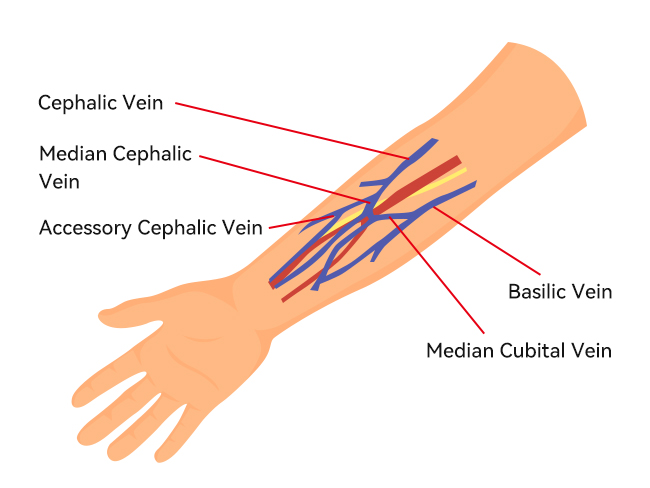
· Locations: Dorsal hand veins, forearm veins, median cubital vein.
· Advantages: Upper limb veins are the most commonly used sites for IV injections because the veins are easy to see, simple to access, and have a high success rate. They are suitable for most intravenous procedures.
2. Lower Limb Veins (Alternative Sites)
· Usage: Used as a backup when upper limb veins are not available.
· Notes: These sites are less commonly used and generally reserved for special cases, such as injuries to upper limb veins or long-term IV use that makes upper veins inaccessible.
3. Central Veins (Central Venous Access)
· Locations: Jugular vein or subclavian vein.
· Usage: Suitable for high-volume infusions, hypertonic solutions, or irritating medications.
· These injections carry higher risks and must be performed by trained healthcare professionals under strict sterile conditions.
Note: These are the common intravenous injection sites for adults. For infants or elderly patients, the preferred veins may differ due to smaller or more fragile blood vessels.
How to Train and Practice Intravenous Injection?
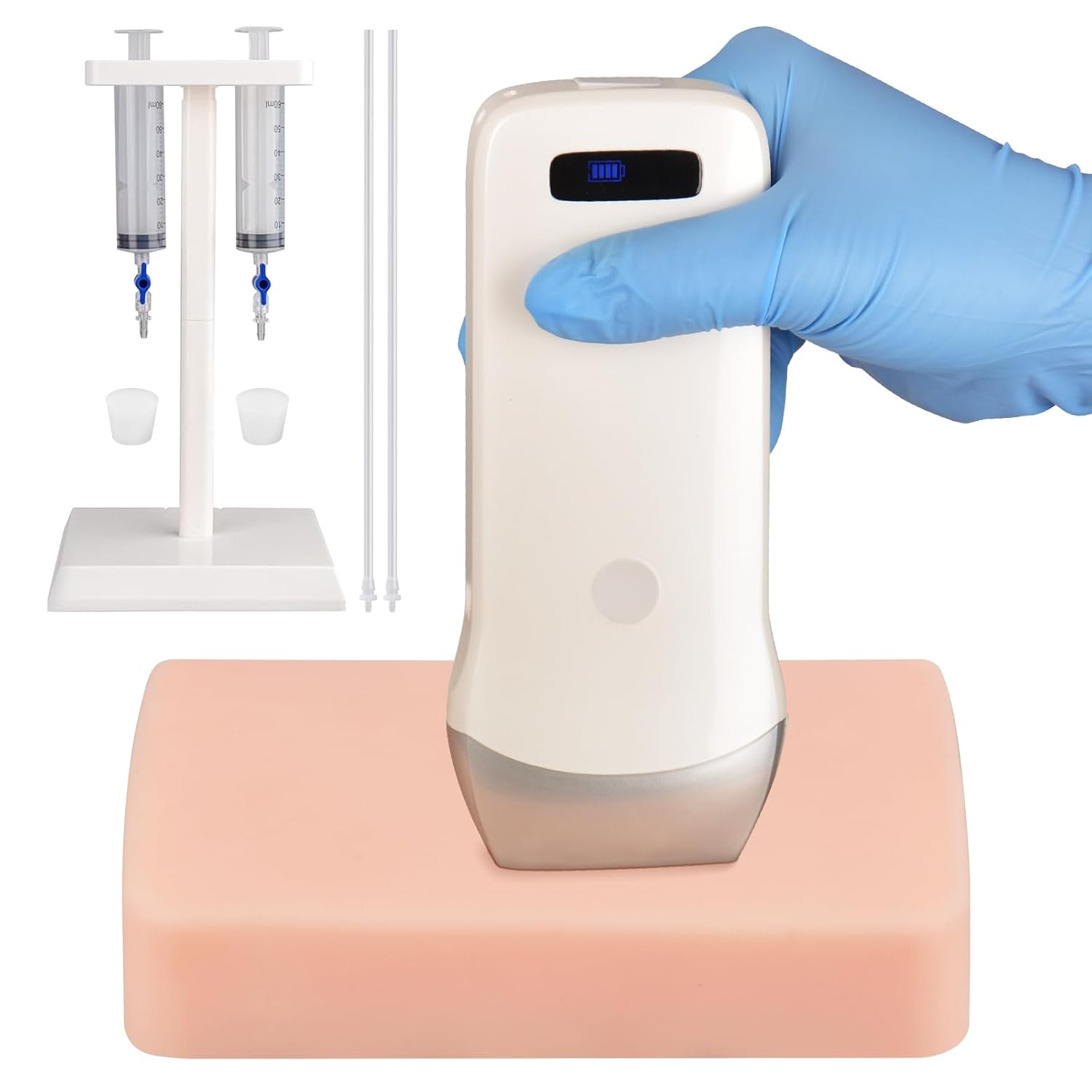
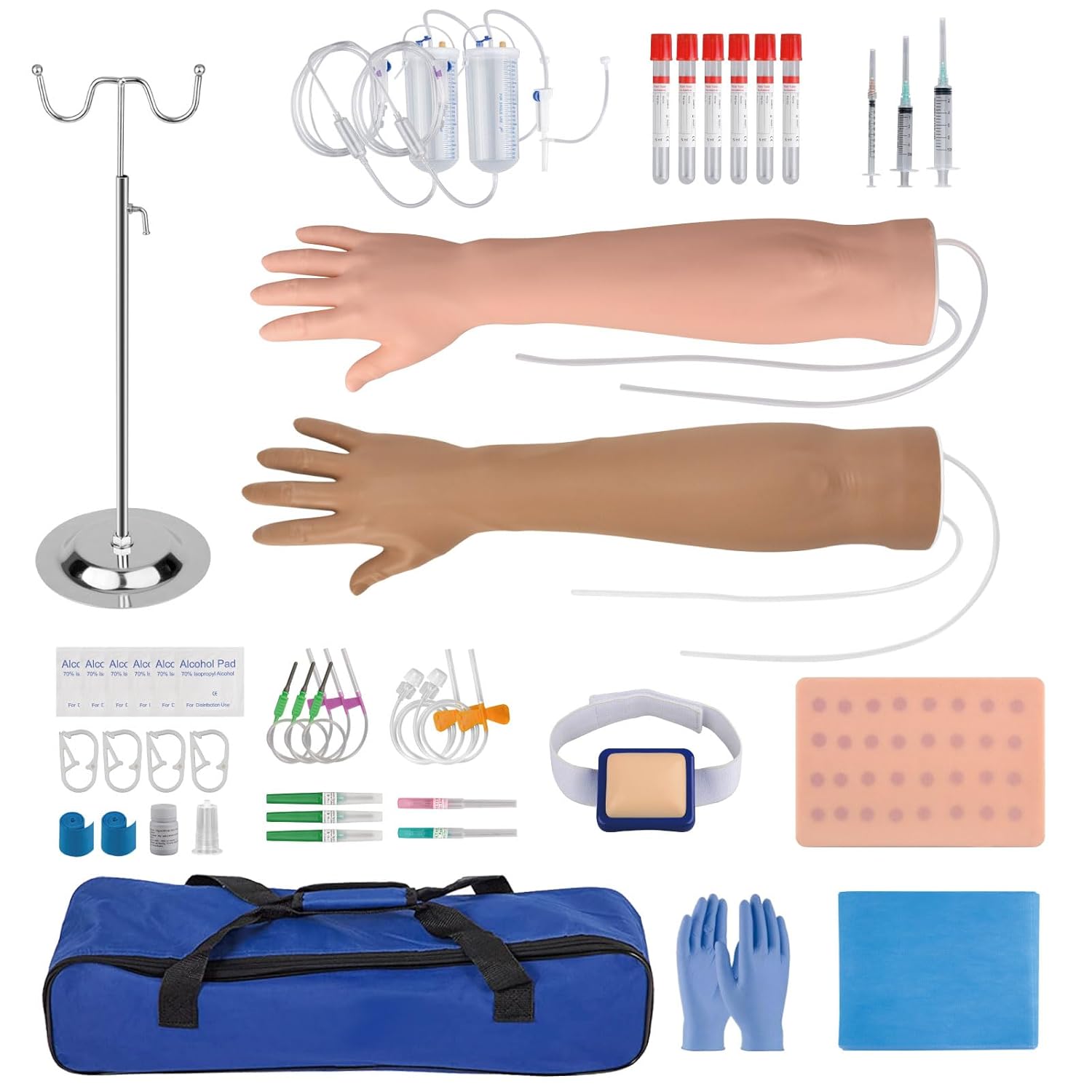
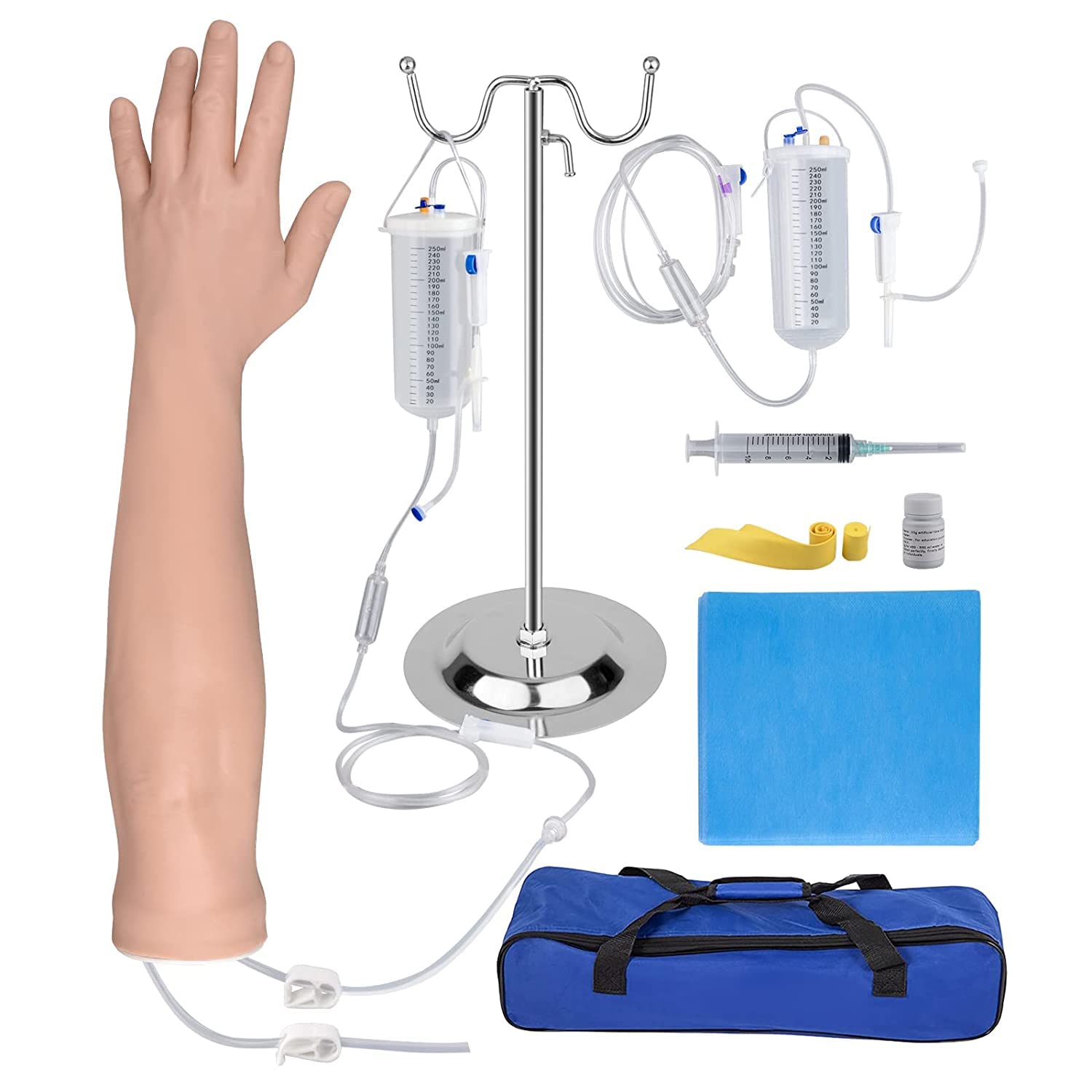
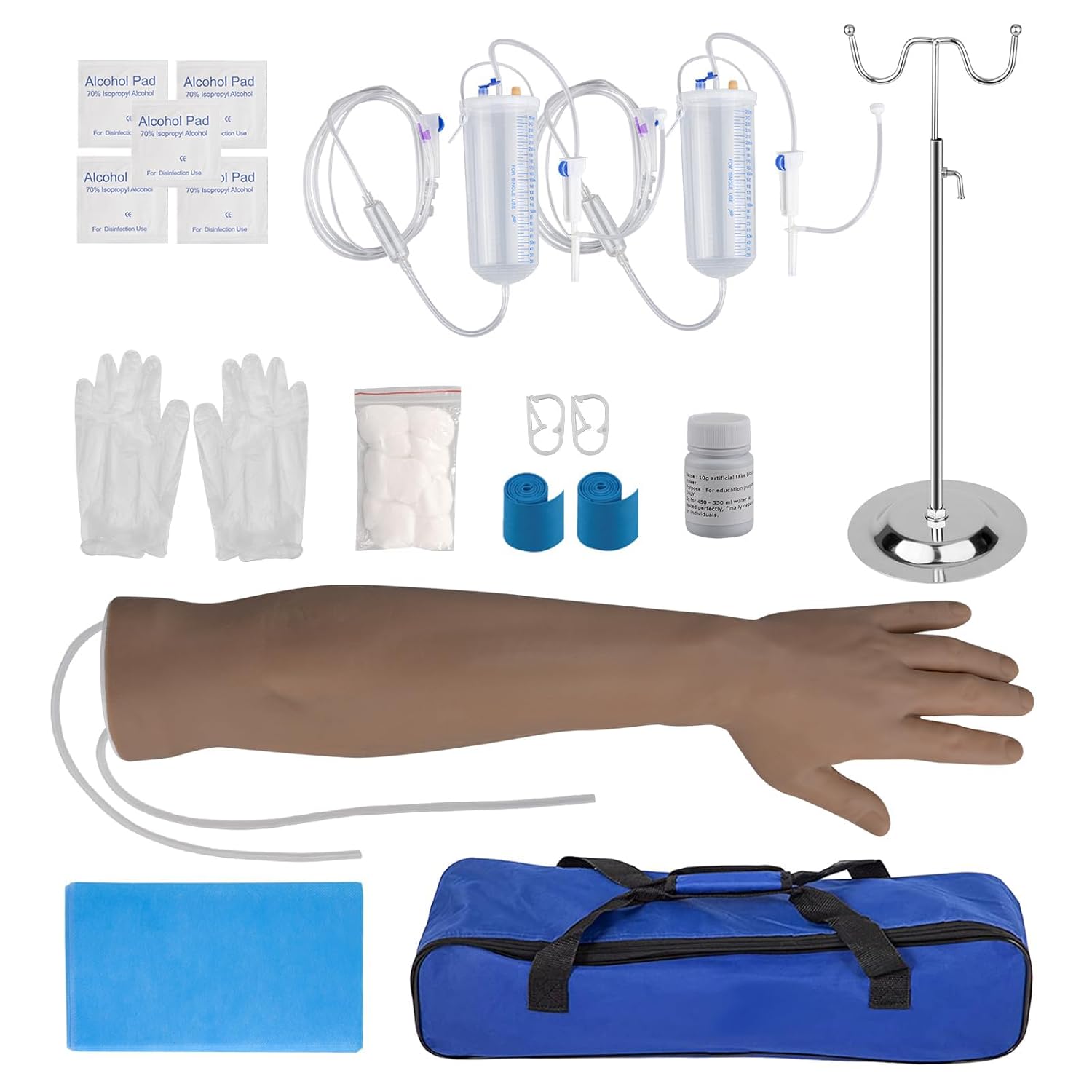
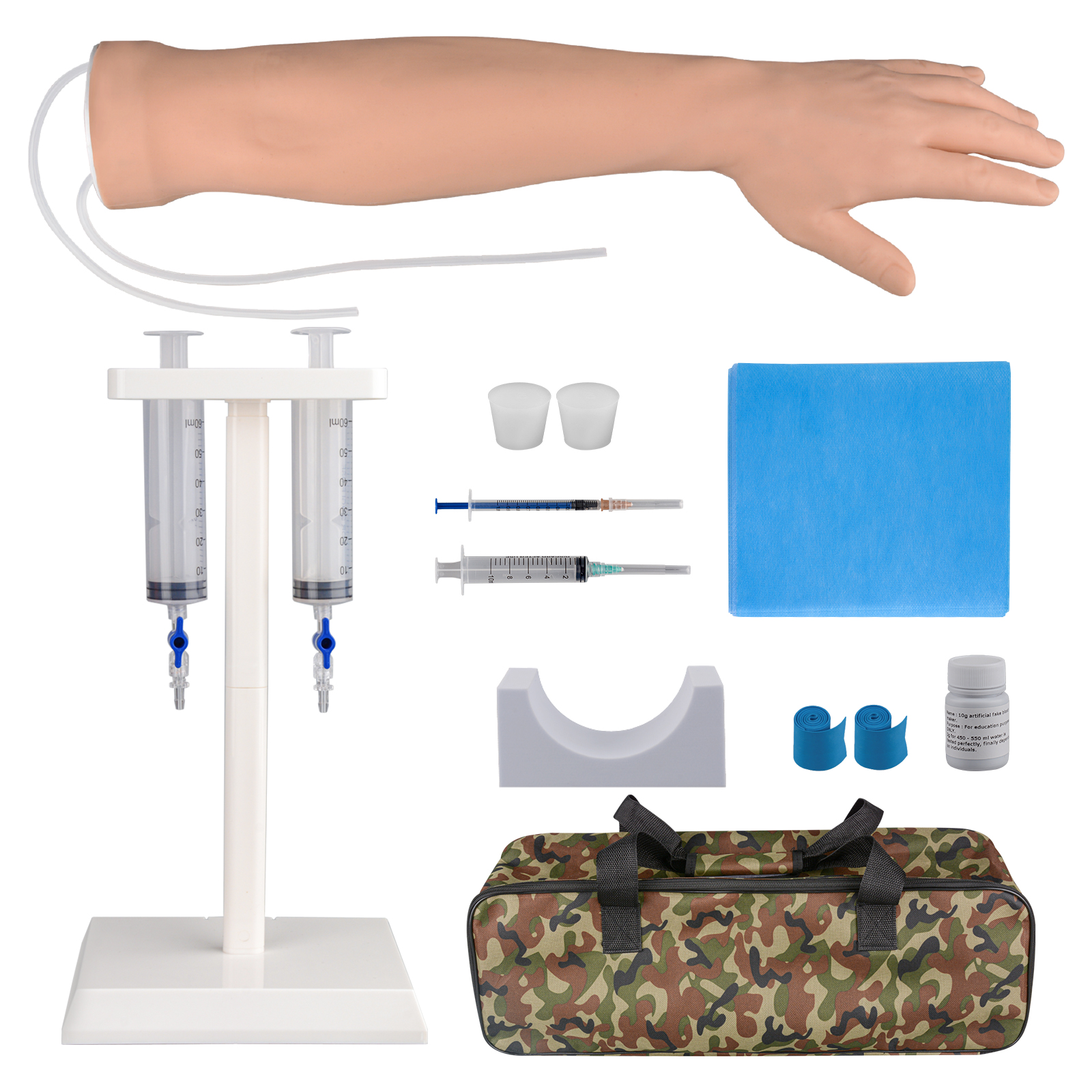
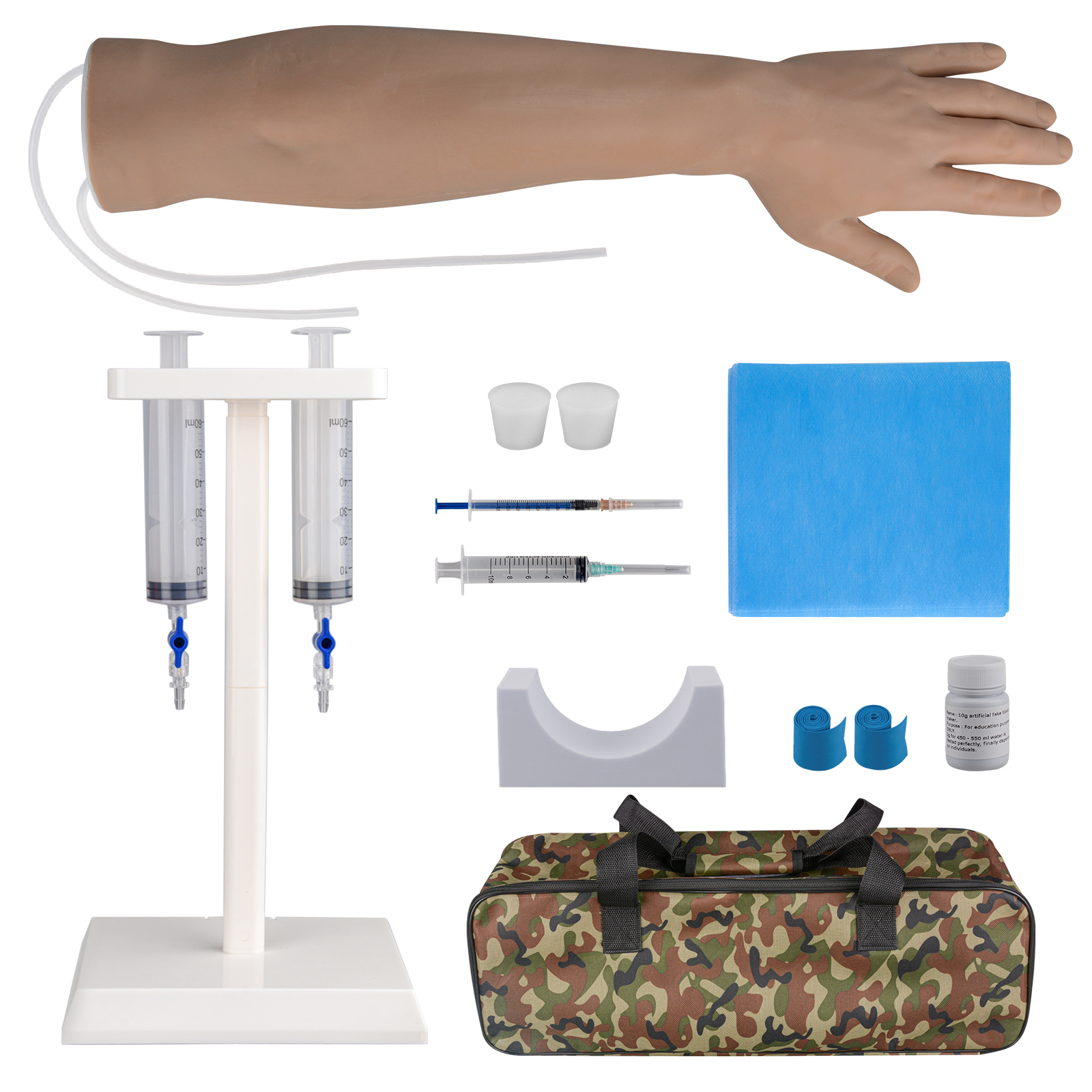
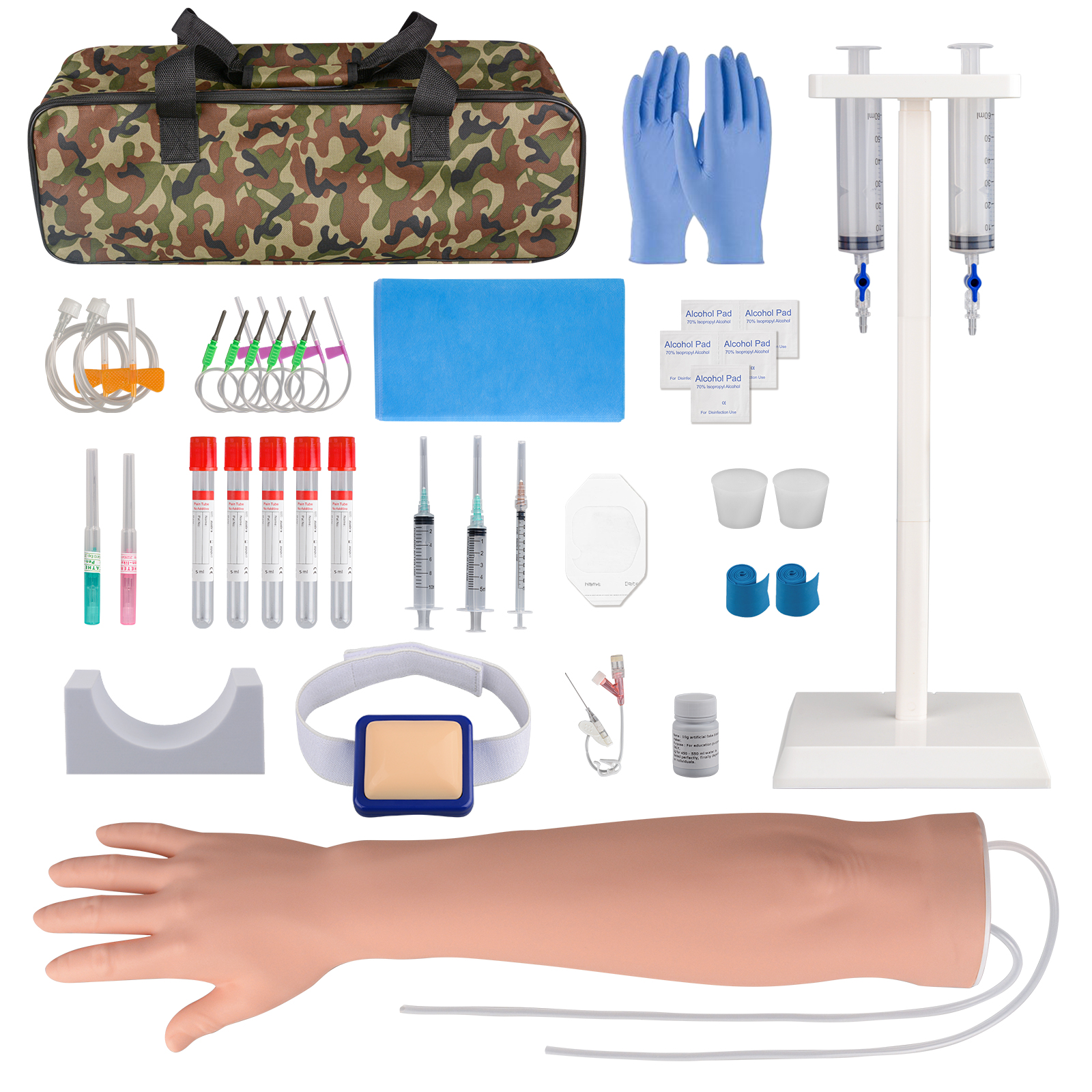
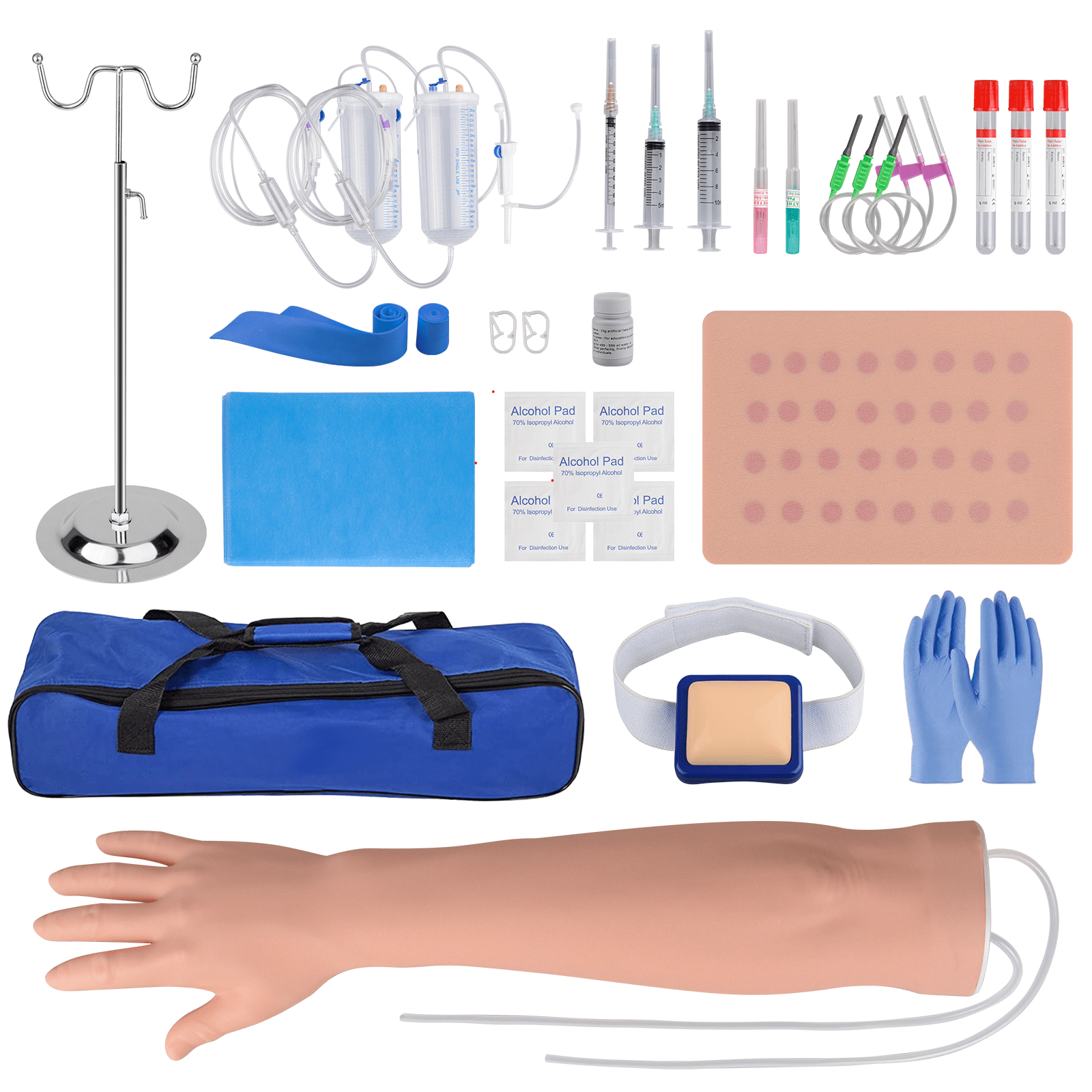
IV training models are great tools for beginners to practice intravenous (IV) injection skills. They allow repeated practice of needle insertion, fluid injection, and observing blood flashback. Each model includes simulated veins that are safe and realistic, helping learners improve their technique step by step.
Recommended IV Training Models:
1. IV Training Pad (Beginner Level)
· Budget-friendly and ideal for practicing needle insertion and fluid injection.
· Reusable and convenient for home or classroom practice of basic skills.
2. IV Hand Training Kit (Advanced Level)
· The model fake hand closely mimics real human anatomy for a more realistic experience.
· Suitable for learners who want to improve their proficiency or for clinical training sessions.
· Higher-priced, but better for comprehensive training and long-term use.
Summary
Intravenous injection is an essential clinical skill. It’s important to understand the correct injection sites, common complications, and safe operation techniques. We recommend using SimCoach IV practice kits to practice before real procedures.