I. Introduction
Whether you're preparing for clinical rotations or your first skills lab, phlebotomy is one of the very first hands-on procedures you'll learn as a medical student. Drawing blood may seem simple, but behind every successful venipuncture is a set of precise medical terms you need to understand and apply.
This guide walks you through the essential phlebotomy terminology—from tools and techniques to lab procedures and complications—to help you build confidence, improve communication, and avoid common mistakes in practice.
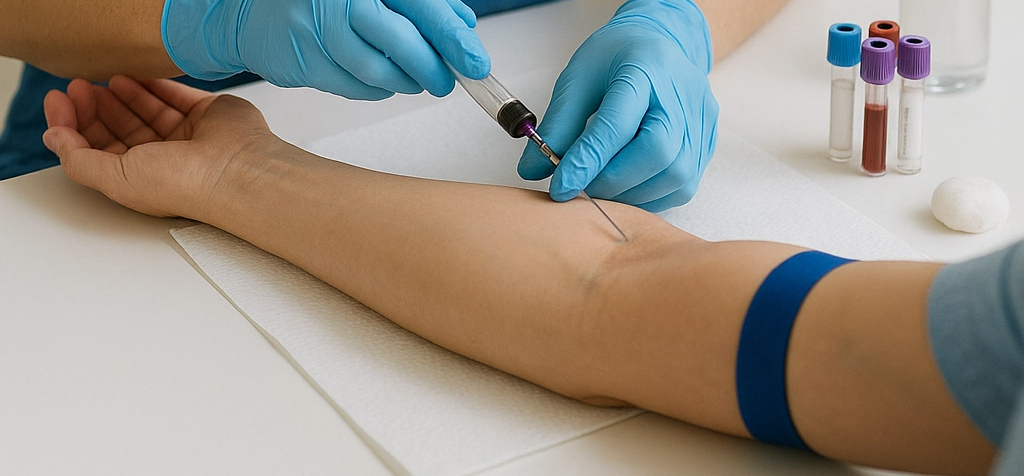
II. Basic Terminology
- Phlebotomy: The process of collecting blood by puncturing a vein or capillary.
- Phlebotomist: A trained professional who performs blood collection.
- Venipuncture: The technique of drawing blood from a vein, typically in the arm.
- Capillary puncture: Blood collection from capillaries, usually via fingertip or heel, used especially for small-volume samples or in infants.
III. Equipment Terminology
- Tourniquet: A strap applied to the upper arm to restrict venous return, making veins more prominent.
- Vacutainer: A vacuum-sealed blood collection system that includes a needle, holder, and blood collection tubes.
- Needle gauge: The size of a needle; a higher gauge number indicates a thinner needle (e.g., 21G, 23G).
- Lancet: A small, sharp instrument used for capillary blood sampling.
- Butterfly needle: A winged-infusion set used for venipuncture in small or delicate veins.
IV. Procedure Terminology
- Antiseptic: A solution used to clean the skin before puncture to reduce the risk of infection.
- Order of draw: The recommended sequence in which blood collection tubes should be filled to avoid contamination between additives.
- Inversion: Gently turning the tube after collection to mix blood with any additives inside.
- Labeling: The act of correctly identifying blood samples to ensure traceability and avoid mix-ups.
V. Complication Terminology
- Hematoma: A collection of blood under the skin caused by leakage from the vein, often due to improper technique.
- Hemolysis: The rupture of red blood cells, which can interfere with laboratory results.
- Syncope: Temporary loss of consciousness or fainting, sometimes occurring during or after blood collection.
- Needlestick injury: An accidental puncture wound from a needle, posing a risk of exposure to bloodborne pathogens.
VI. Laboratory Terminology
- CBC (Complete Blood Count): A standard blood test that measures red and white blood cells, platelets, and more.
- Serum vs. Plasma: Serum is the liquid portion of clotted blood; plasma is the liquid portion of anticoagulated blood.
- Centrifuge: A machine that spins blood samples to separate their components based on density.
VII. Common Abbreviations
- WBC: White Blood Cell
- RBC: Red Blood Cell
- PTT: Partial Thromboplastin Time
- IV: Intravenous
- IM: Intramuscular (into the muscle)
- SubQ / SC: Subcutaneous (under the skin)
- ID: Intradermal (within the layers of the skin)
- IO: Intraosseous Access
- CBC: Complete Blood Count
- ABG: Arterial Blood Gas
- PPE: Personal Protective Equipment
- STAT: Immediately (from Latin statim)
VIII. Conclusion
Mastering phlebotomy terminology is a key step toward building clinical confidence and accuracy. The best way to reinforce what you've learned is through hands-on practice.
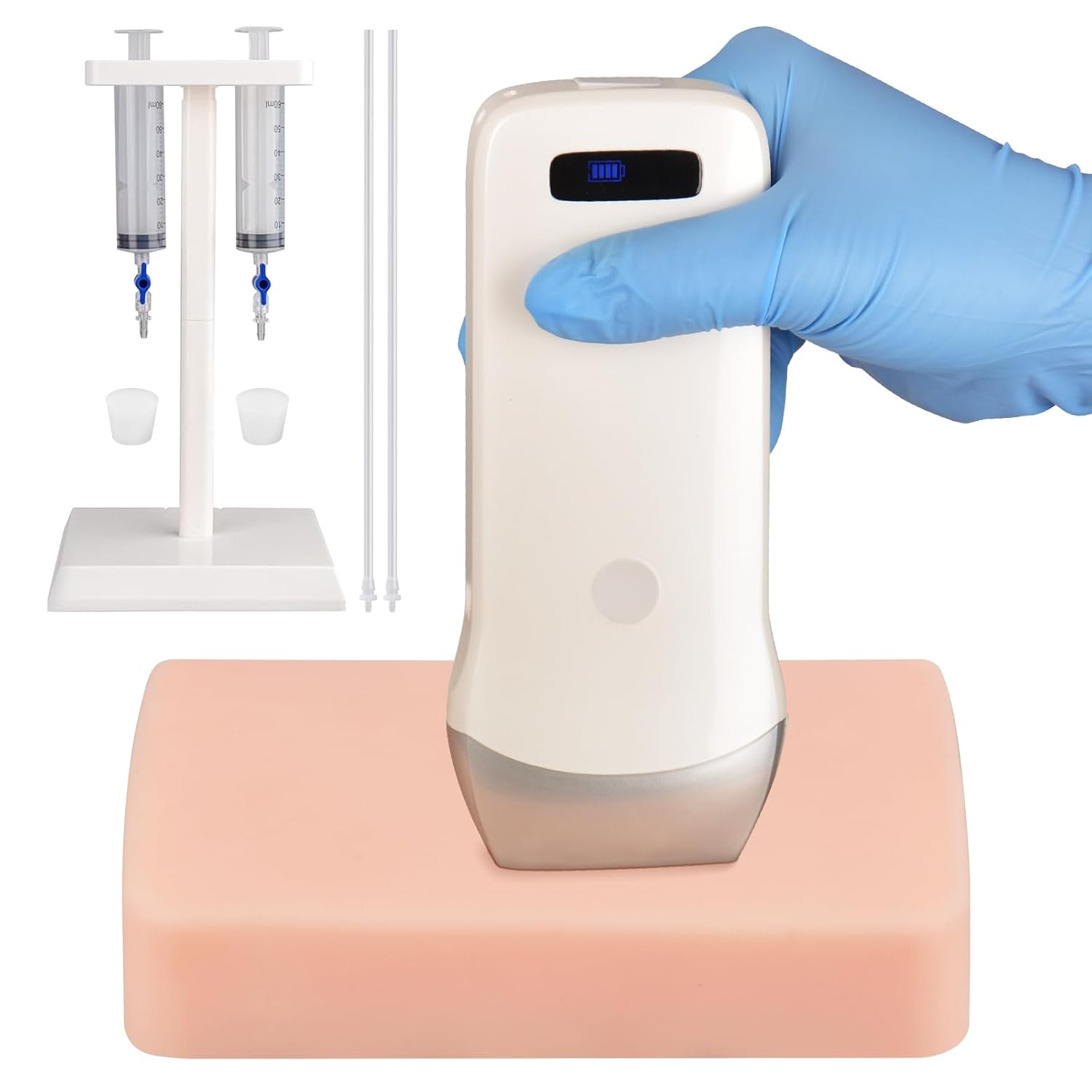
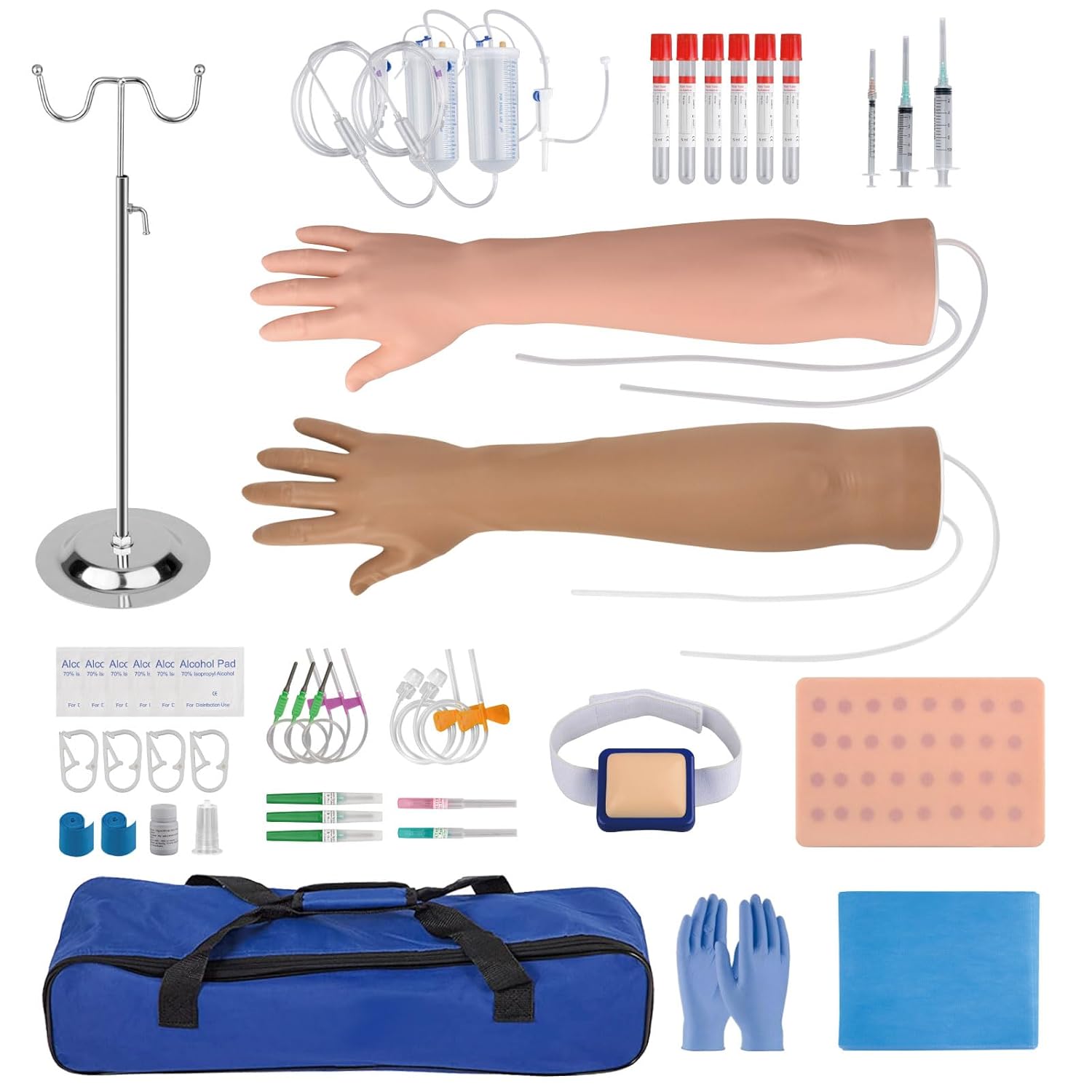
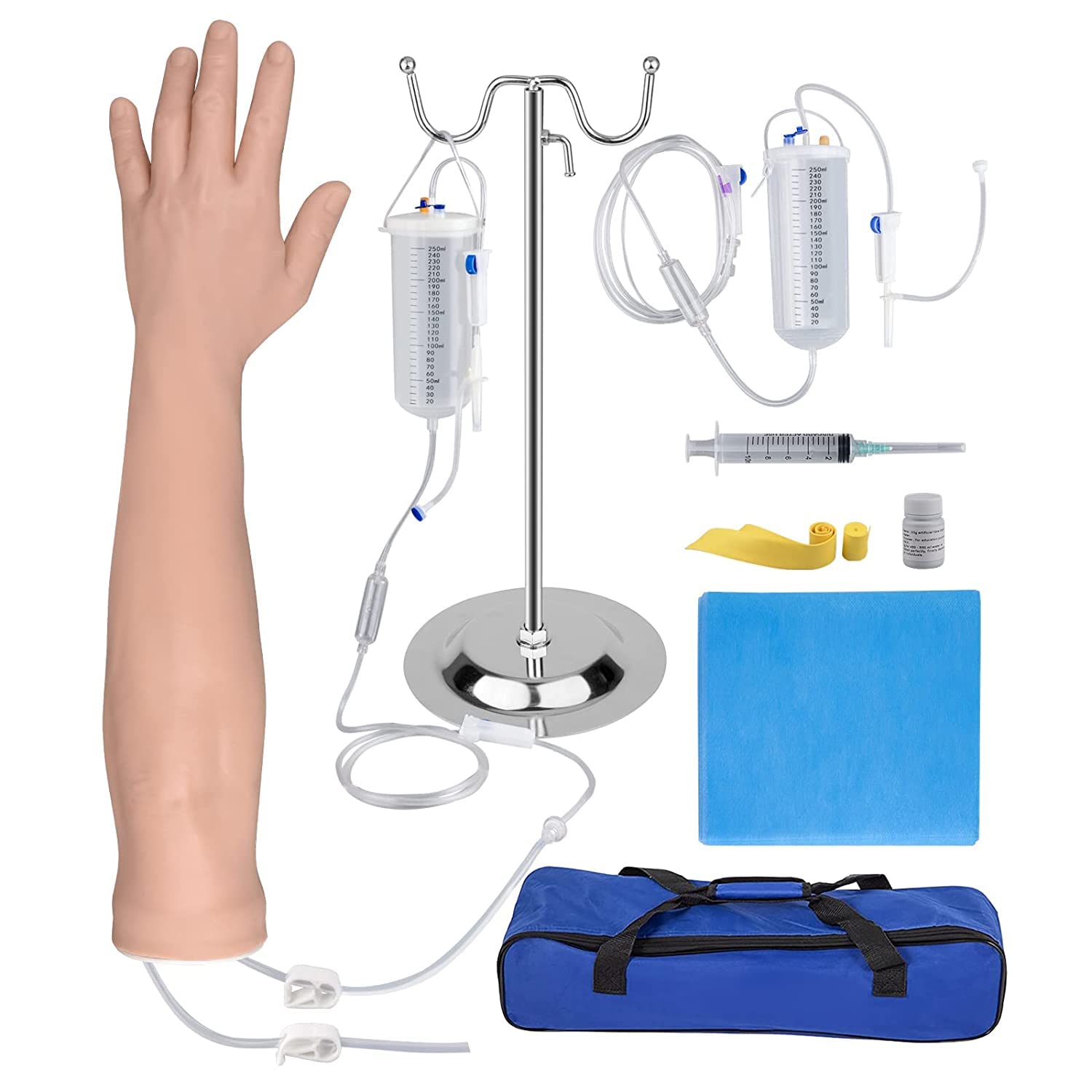
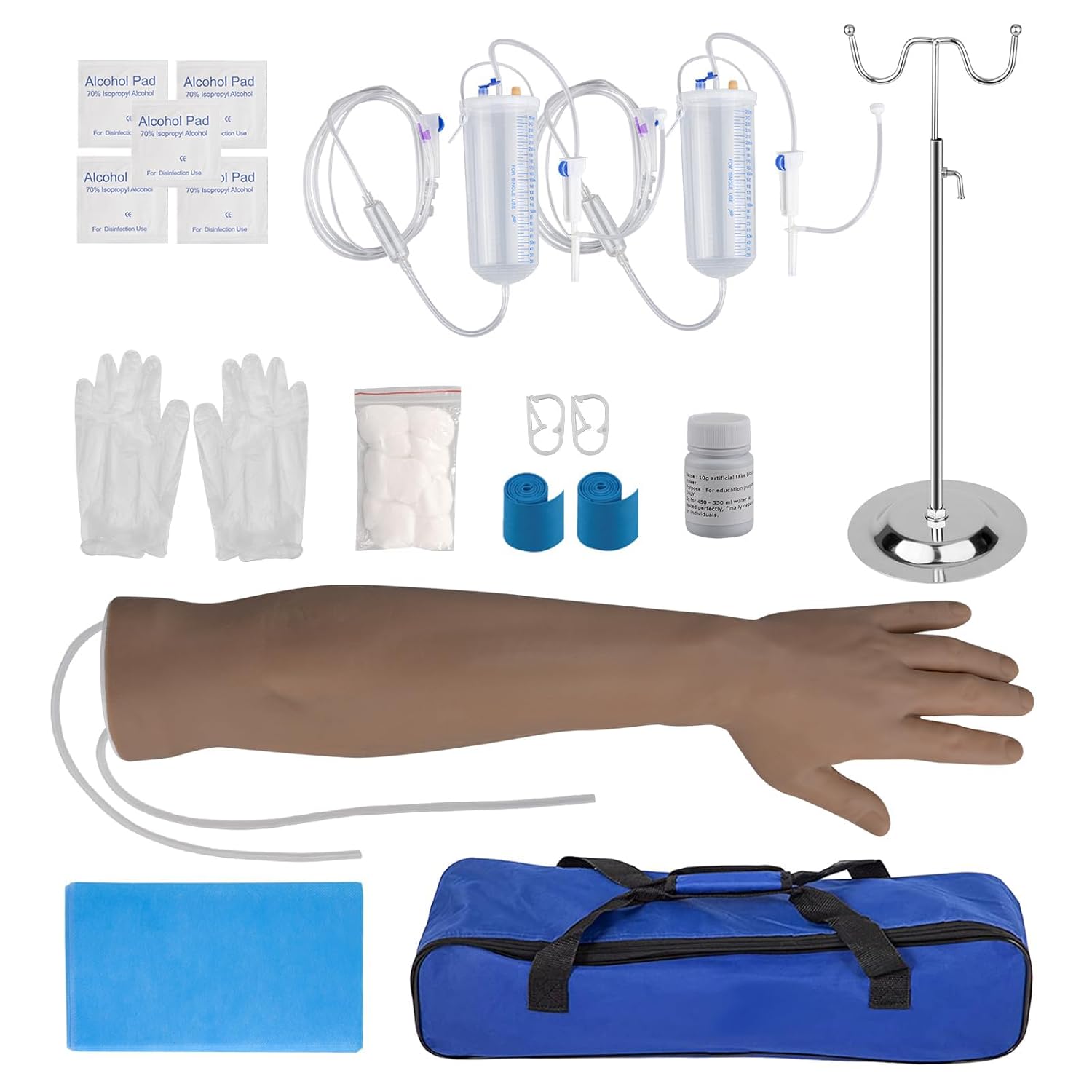
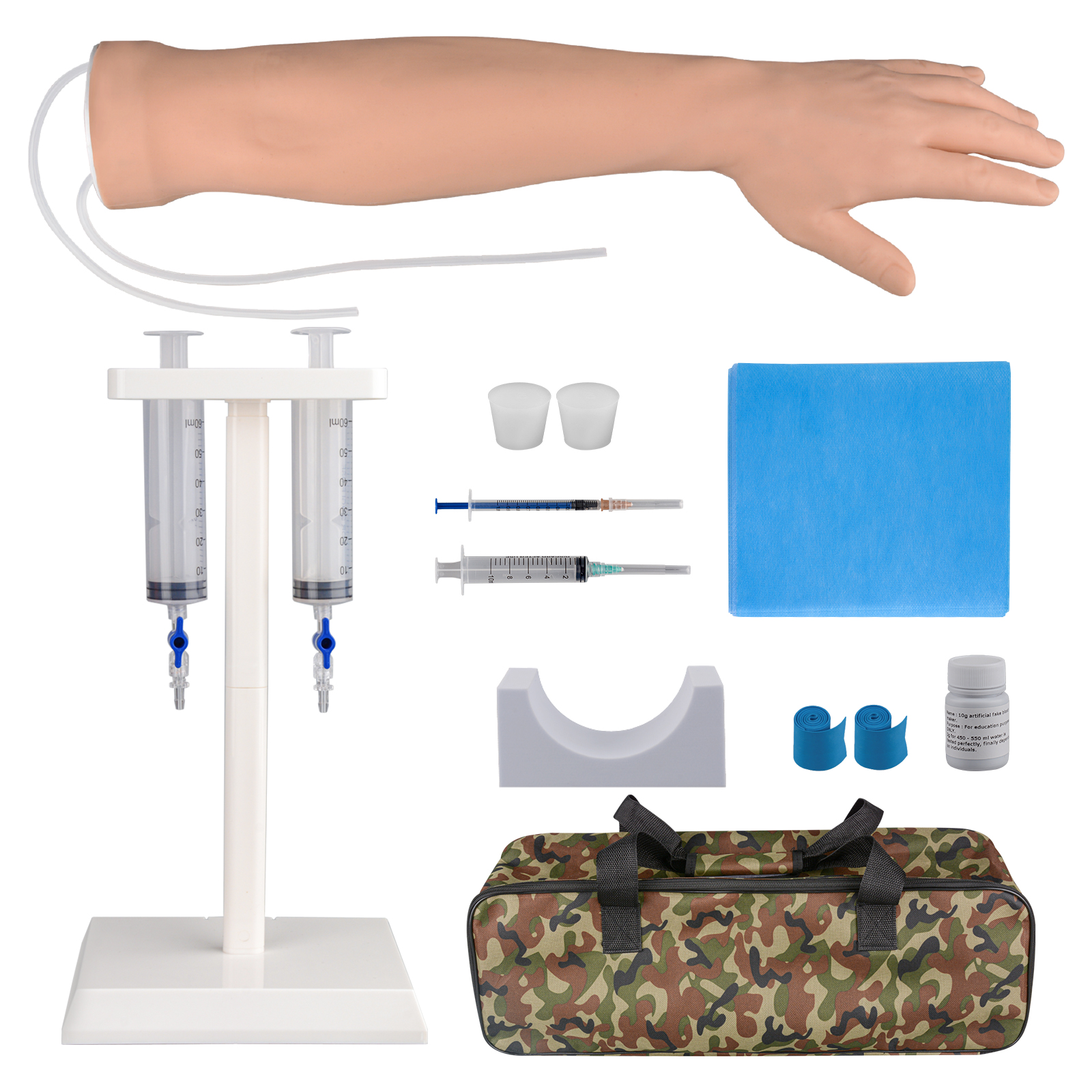
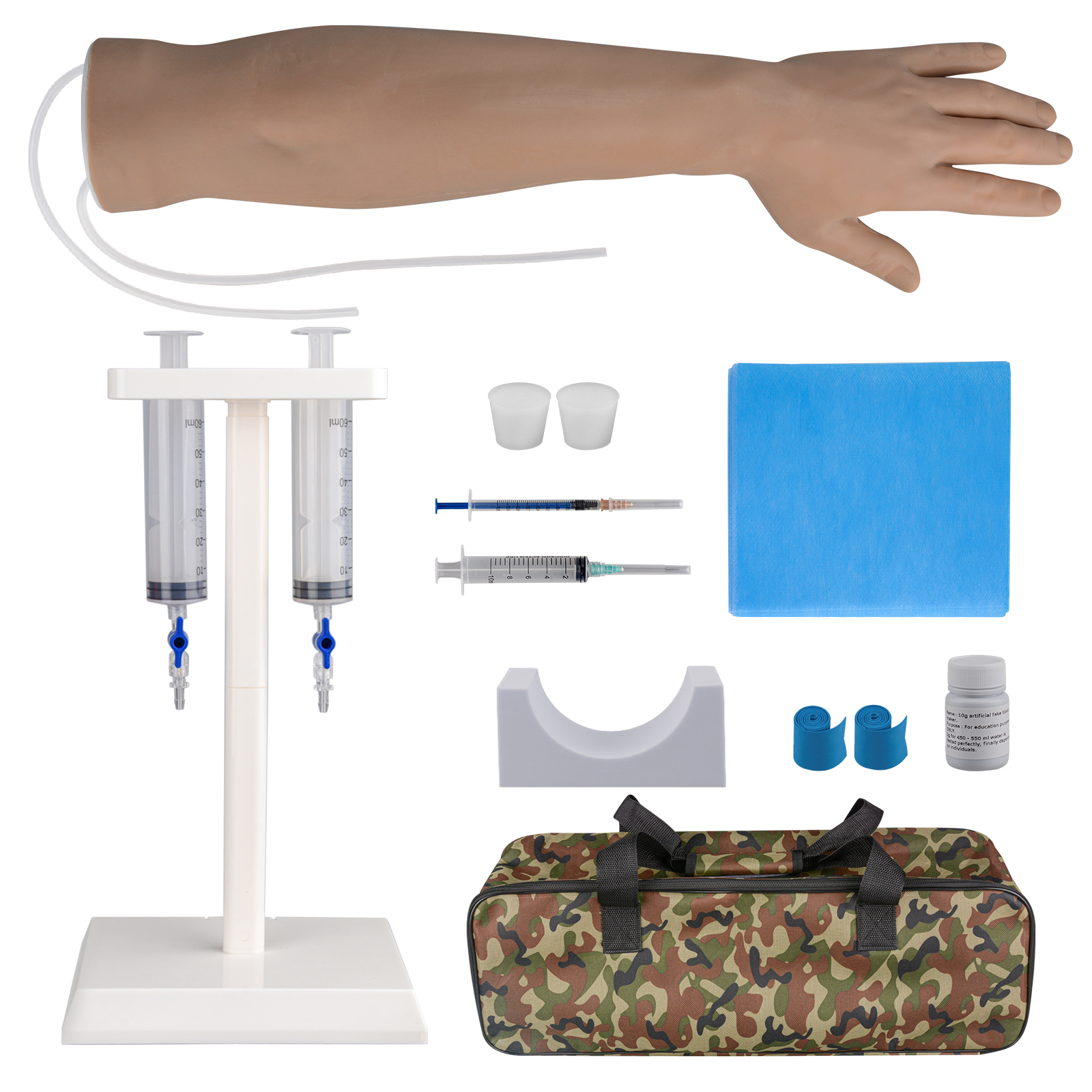
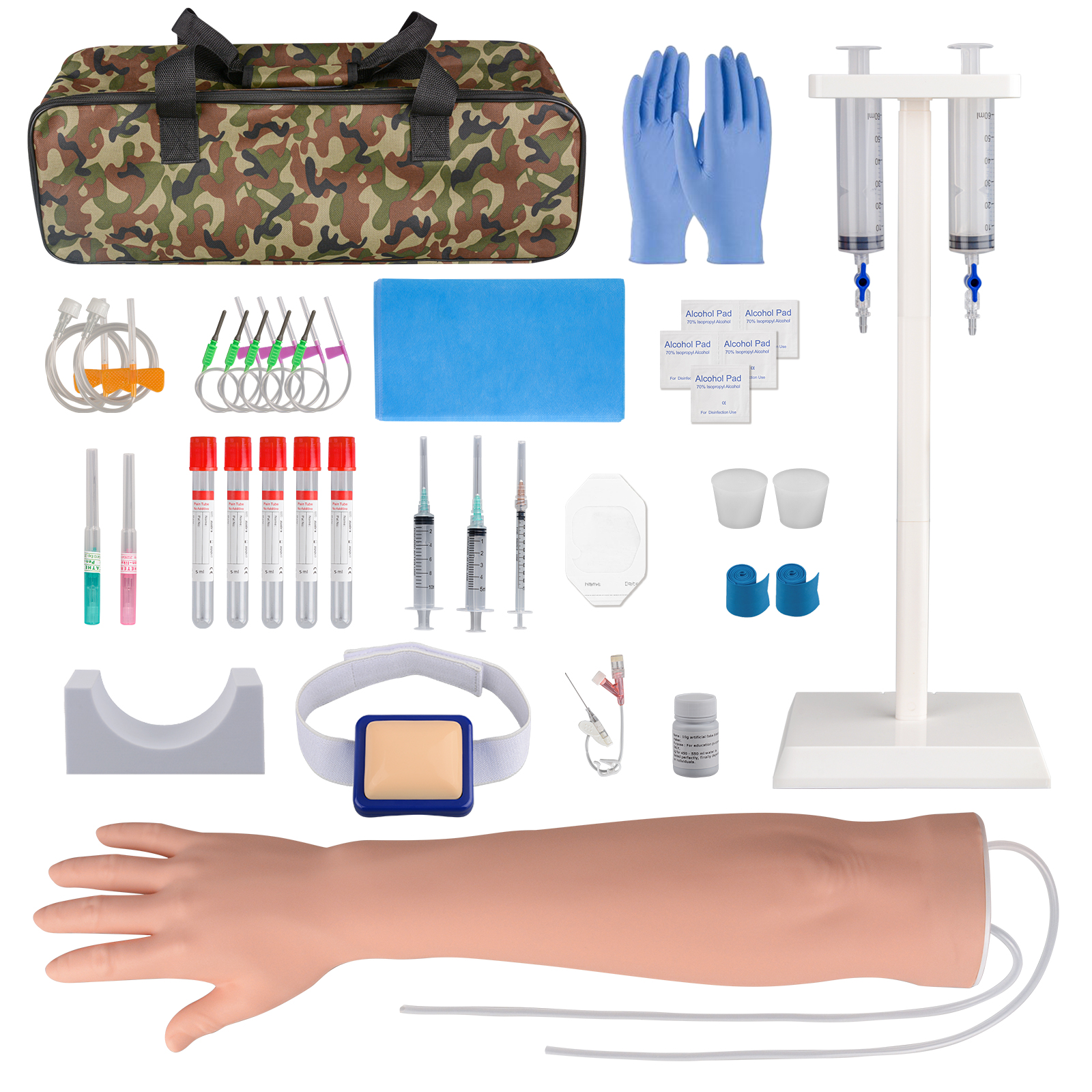
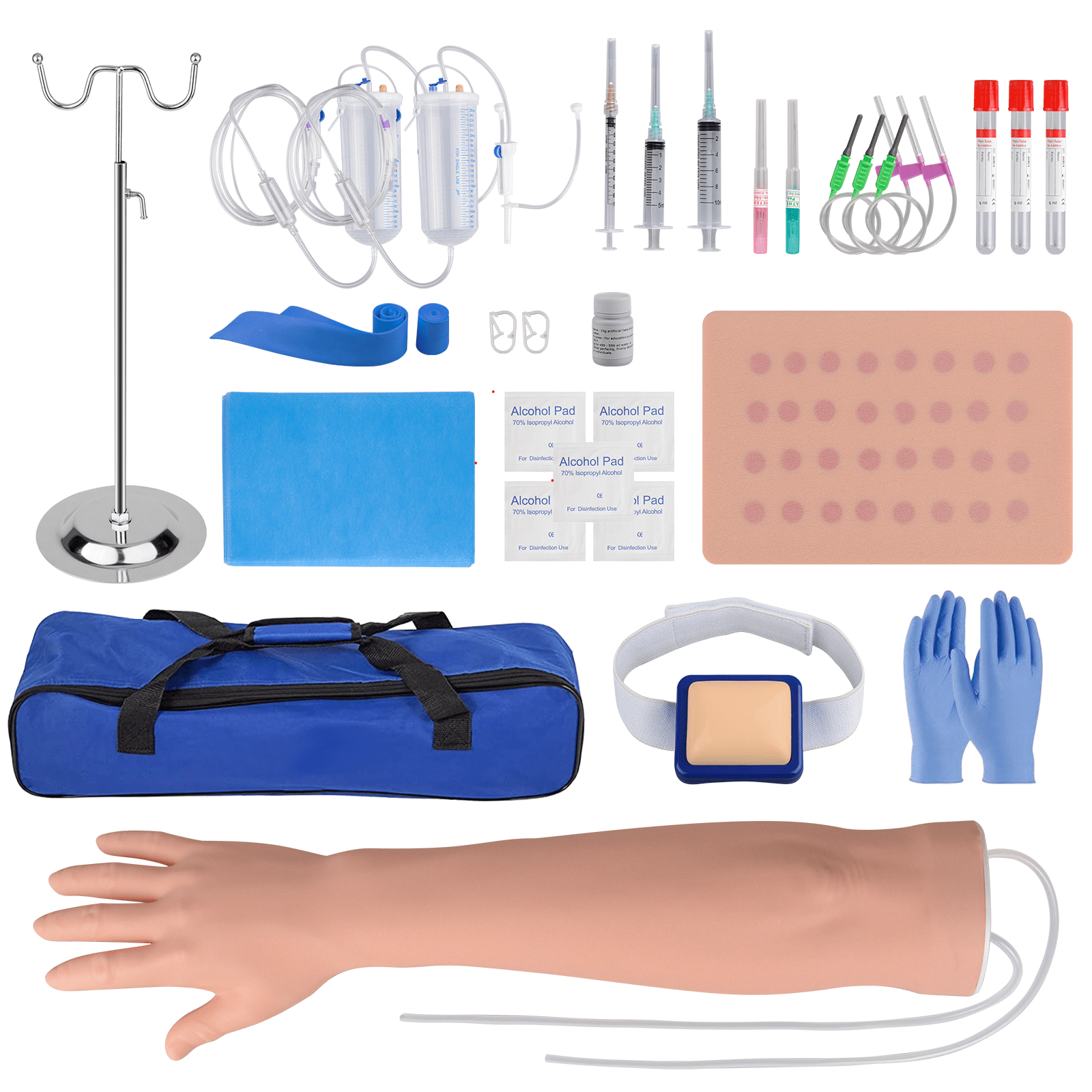
If you're looking for a reliable way to sharpen your skills, SimCoach injection trainers offers everything you need, from realistic veins to complete tools for safe and effective training.