Introduction
In clinical practice, healthcare professionals often need to deliver medications accurately to different layers of the body through injections. While intramuscular and subcutaneous injections are commonly understood, intradermal injection often leaves many wondering: what is intradermal injection?
This article will provide a comprehensive overview of intradermal injection, including the appropriate needle size, injection technique, clinical applications, and its advantages over other injection methods to help you use this essential skill more confidently and precisely in your clinical work.
What is Intradermal Injection?
Intradermal injection is a method of delivering a small amount of medication into the dermis layer of the skin. It involves a shallow injection depth and a low dosage. Unlike intramuscular or subcutaneous injections, the medication in intradermal injections does not penetrate deep into tissues but forms a visible small “bleb” on the skin surface to observe local reactions. This technique rapidly triggers a localized immune response, making it important in public health, dermatology, and immunization.
Common uses include:
- Tuberculin Skin Test (TST): widely used for screening exposure to tuberculosis bacteria.
- Allergy Testing: test for drug or environmental allergens such as penicillin, pollen, and dust mites. Compared to skin prick tests, intradermal injections are more sensitive.
- Intradermal Vaccination: used in the administration of certain vaccines, for example, rabies vaccine, as well as in clinical trials for dengue and hepatitis B vaccines to observe immune responses.
- Other Medical Uses: additional diagnostic and immunological applications in clinical practice.
Anatomy and Technique of Intradermal Injection
Understanding the structure of the skin and mastering the correct technique are key to successfully performing intradermal injections.
Basic Structure of the Skin
The skin consists of three layers:
- Epidermis: The outermost layer, primarily serving a protective function.
- Dermis: The middle layer, rich in blood vessels, lymphatics, and immune cells.
- Subcutaneous Tissue: The deepest layer, composed of fat and connective tissue.
The target layer for intradermal injection is the dermis, located between the epidermis and subcutaneous tissue.
Common Injection Sites
Intradermal injections are commonly performed on the inner forearm because the skin there is thinner, has relatively fewer blood vessels, and allows easy observation of reactions. Other alternative sites include the posterior upper arm or the area below the scapula.
Size and Selection of the Injection Needle (Size of Intradermal Needle)
Choosing the appropriate needle is essential for injection accuracy and patient comfort:
- Needle length: Typically 3/8 inch (about 10 millimeters).
- Needle gauge: Usually a fine needle between 27G and 28G.
- Reason: This size allows precise control of injection depth, minimizes tissue irritation, and helps form the ideal bleb (small raised bump).
Key Injection Technique Points
Standard intradermal injection involves:
- Insertion angle: Insert the needle at a shallow angle of 5–15 degrees with the bevel facing upward.
- Depth of insertion: Only the needle tip enters the dermis, avoiding deeper layers.
- Injection process: Slowly inject approximately 0.1 mL of medication. A clear raised bump (bleb) should form on the skin surface, indicating successful injection.
The correct angle and depth not only ensure the medication reaches the intended layer but also affect the accuracy of test results and patient comfort.
Advantages of Intradermal Injection
- Precise Delivery and Clear Reaction
Intradermal injections deliver medication directly into the dermis, which is rich in immune cells capable of rapidly producing a localized response. For example, in the tuberculin skin test, only an accurate intradermal injection can yield reliable results.
- Low Dosage and Cost-Effective
Intradermal injections require only a very small volume of medication (typically around 0.1 mL), which saves on drug costs and is suitable for vaccine shortages or mass screening programs, making it especially valuable in public health.
- Simple Procedure with Minimal Pain
Using fine needles (27–28 gauge) and a shallow injection angle, intradermal injections cause less discomfort. This technique is commonly applied in children and patients sensitive to injections.
- Easily Observable Local Reaction
The formation of a “bleb” (wheal) after injection indicates a successful administration, allowing healthcare providers to quickly confirm and ensure the accuracy of tests and treatments.
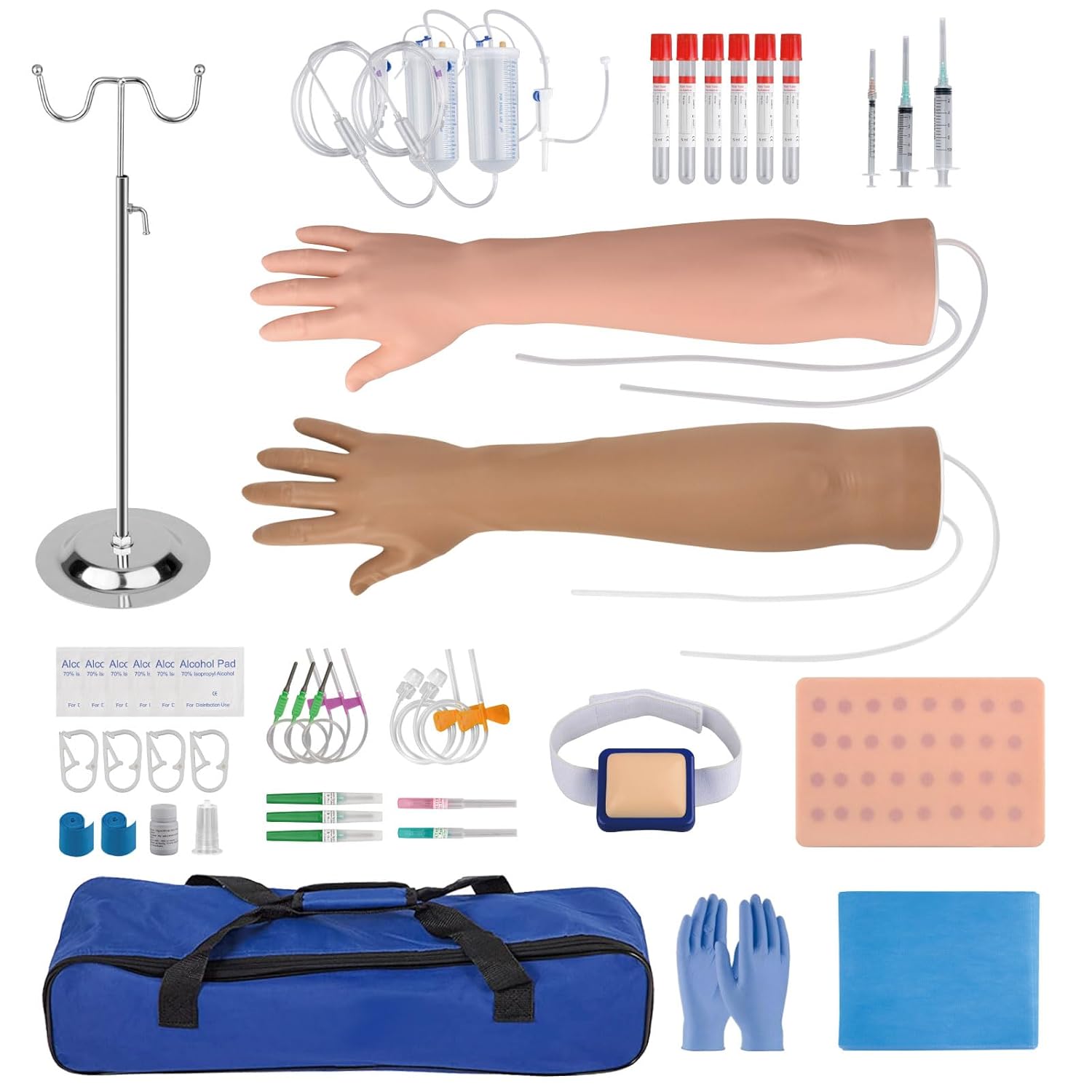
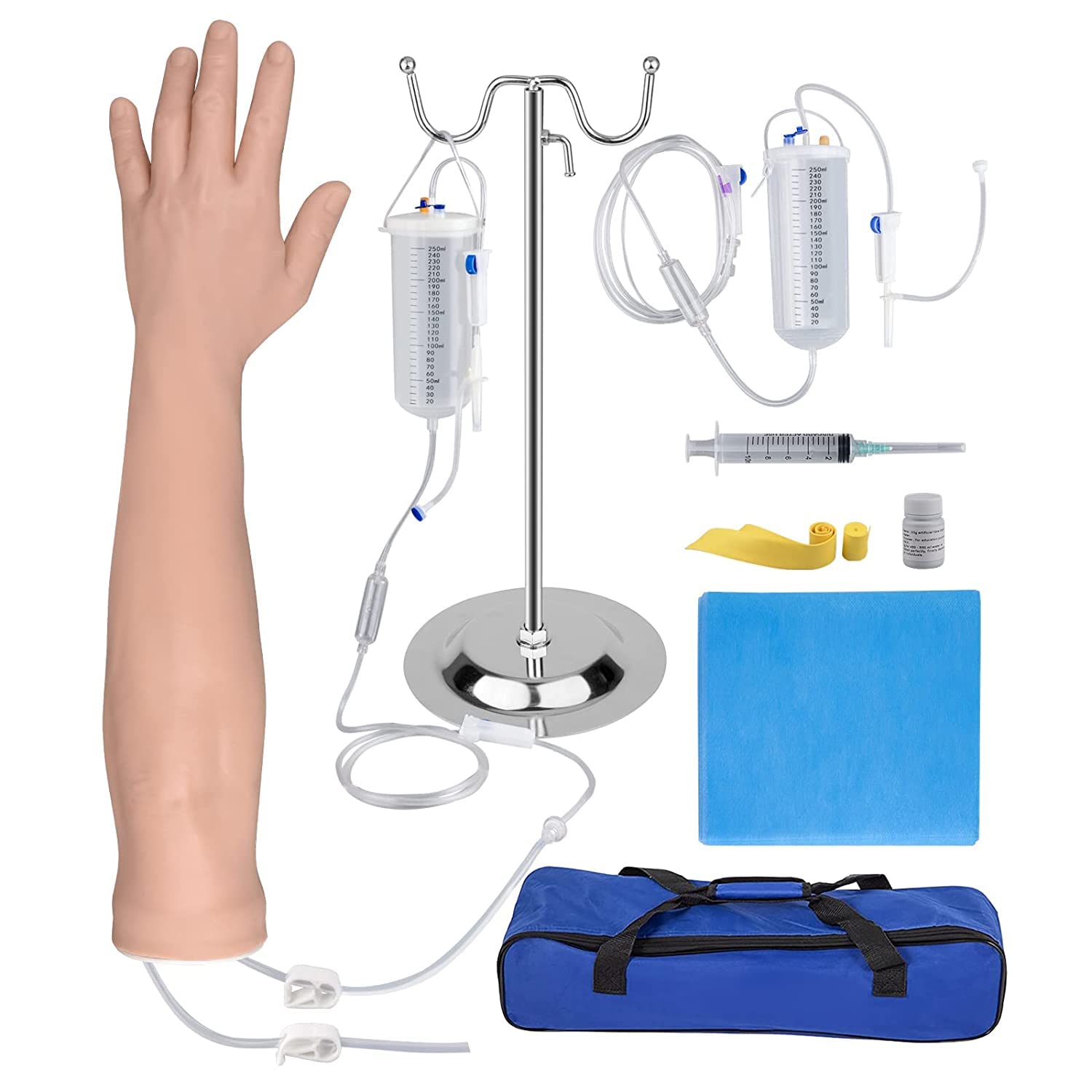
Whether you are a new medical student or an experienced nurse, mastering intradermal injection boosts your confidence and accuracy. Using quality intradermal injection trainers and following proper techniques ensures patient safety and reliable results. Keep practicing to perfect this essential skill for every precise injection.