Introduction: The Challenges of Gluteal Injections
For healthcare professionals and students alike, administering an intramuscular (IM) injection in the gluteal site can be both a common and challenging skill to master. Despite being one of the most frequently used injection sites, many face difficulties such as pinpointing the correct injection site, avoiding injury to nerves or blood vessels, and ensuring the medication is absorbed efficiently. A poorly executed gluteal injection not only impacts drug absorption but may also lead to serious complications. Therefore, mastering the proper technique is essential for every healthcare provider.
The Gluteal Injection Sites: Why and Where to Inject
Understanding the Gluteal Site for IM Injections
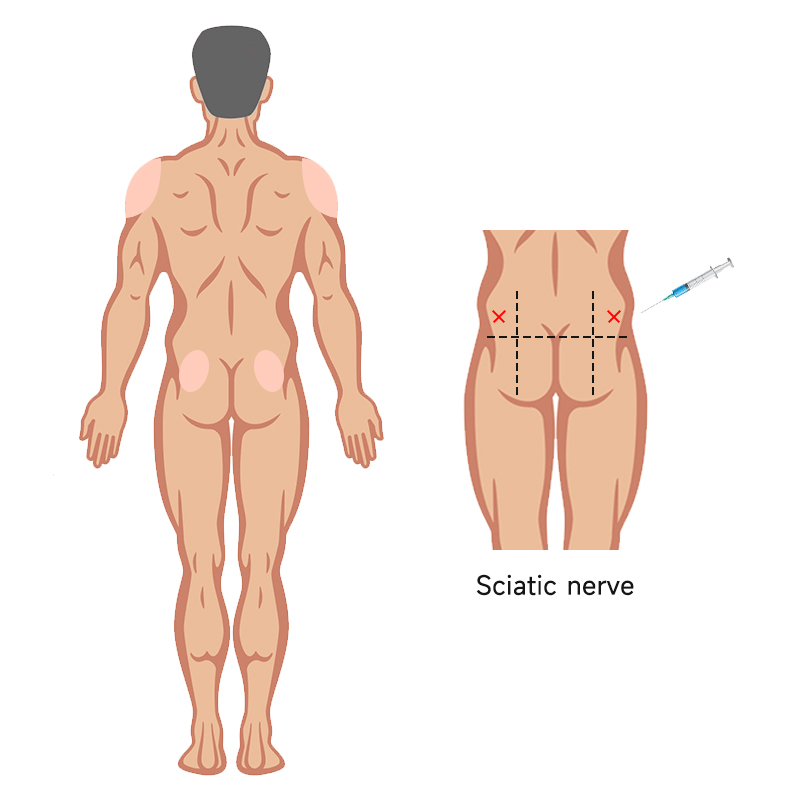
The gluteal muscles, specifically the upper outer quadrant, are one of the most preferred sites for intramuscular (IM) injections. This area offers sufficient muscle mass for the injection and avoids major nerves and blood vessels, which makes it an ideal location for safe drug administration.
Preferred IM Injection Site in the Glutes: The upper outer quadrant of the buttock is the most commonly recommended site for IM injections, as it provides a large surface area of muscle while minimizing the risk of damaging the sciatic nerve or other nearby structures. The intramuscular injection in glutes technique helps achieve quick absorption of medication, especially for those requiring larger volumes or oils-based medications.
Why the Gluteal Injection Site is So Important
The IM buttock injection is commonly used for administering vaccines, hormones (like testosterone), pain medications, and other drugs that require slow but consistent absorption. The muscle tissue in the glutes allows for better distribution of the medication, making it more effective than other injection sites in some cases.
How to Locate the Ideal Gluteal Injection Site for Maximum Efficiency
The Right Position for Gluteal Injections
Finding the right spot for a gluteal injection is critical to ensuring the safety and effectiveness of the procedure. The following steps will guide you to the correct location:
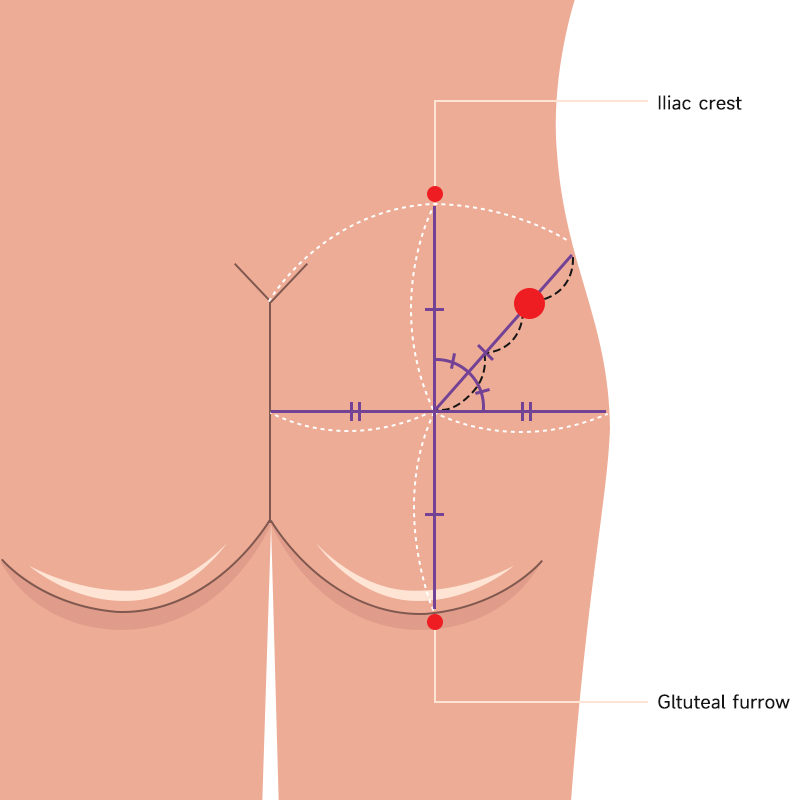
Locate the Anterior Superior Iliac Spine (ASIS): This bone prominence on the front of the pelvis serves as a landmark for finding the proper injection site.
Draw an Imaginary Line: From the ASIS, draw an imaginary line straight down to the midpoint of the buttock. This helps in identifying the upper outer quadrant.
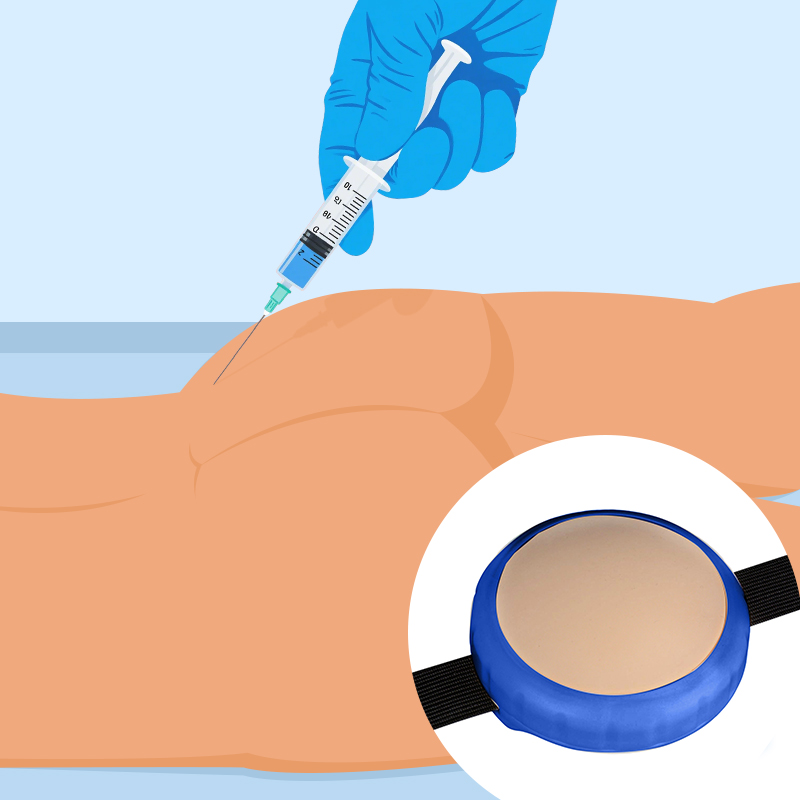
Positioning the Injection: Ideally, the needle should be inserted at a 90-degree angle to the skin, ensuring the medication is injected deeply into the muscle. Avoid the middle of the buttock as it might risk hitting the sciatic nerve or gluteal blood vessels.
Positioning the Patient:
- Standing Position: If the patient is standing, ask them to bend forward slightly, shifting their weight to the opposite leg of the one being injected. This helps relax the gluteal muscles and makes the injection area more accessible.
- Lying Down Position: The patient can lie on their side with their upper leg flexed and the lower leg extended. This provides easy access to the upper outer quadrant of the buttock, where the injection should be made.
Using Proper Needle Length:
The technique may slightly vary depending on the patient’s body type and age.
- For Adults: Healthy adults with more muscle mass can generally use the upper outer quadrant for injections. Larger needle lengths(1 to 1.5-inch needle) may be required to ensure the medication is properly delivered into the muscle.
- For Children and Thin Adults: a shorter needle may be appropriate to avoid going too deep or injuring tissues. In these cases, other IM injection sites should be considered, such as the thigh.
- For Elderly Patients: The gluteal muscles may become less prominent with age, so healthcare providers might need to adjust the injection site and consider using a shorter needle.
Common Mistakes and How to Avoid Them
Even experienced healthcare providers can make errors when administering a gluteal injection. Some of the most common mistakes include:
Incorrect Injection Site: One of the biggest risks is injecting into the wrong area, which can damage nerves (such as the sciatic nerve) or lead to ineffective absorption of the drug. It is important to always follow the anatomical landmarks and use the upper outer quadrant.
Improper Needle Angle: A needle inserted at too shallow of an angle can lead to the drug being injected into the subcutaneous tissue rather than the muscle. Ensure the needle is at a 90-degree angle to the skin to deliver the medication directly into the gluteal muscle.
Not Maintaining Sterile Technique: Failure to maintain a sterile environment can lead to infections. Always clean the area with an alcohol wipe and use new, sterile equipment for each injection.
How to Practice Gluteal Injections: Training Tips
Practicing the proper technique for IM injections in the glutes is essential for becoming proficient in this skill. Here are a few ways to practice and improve your technique:
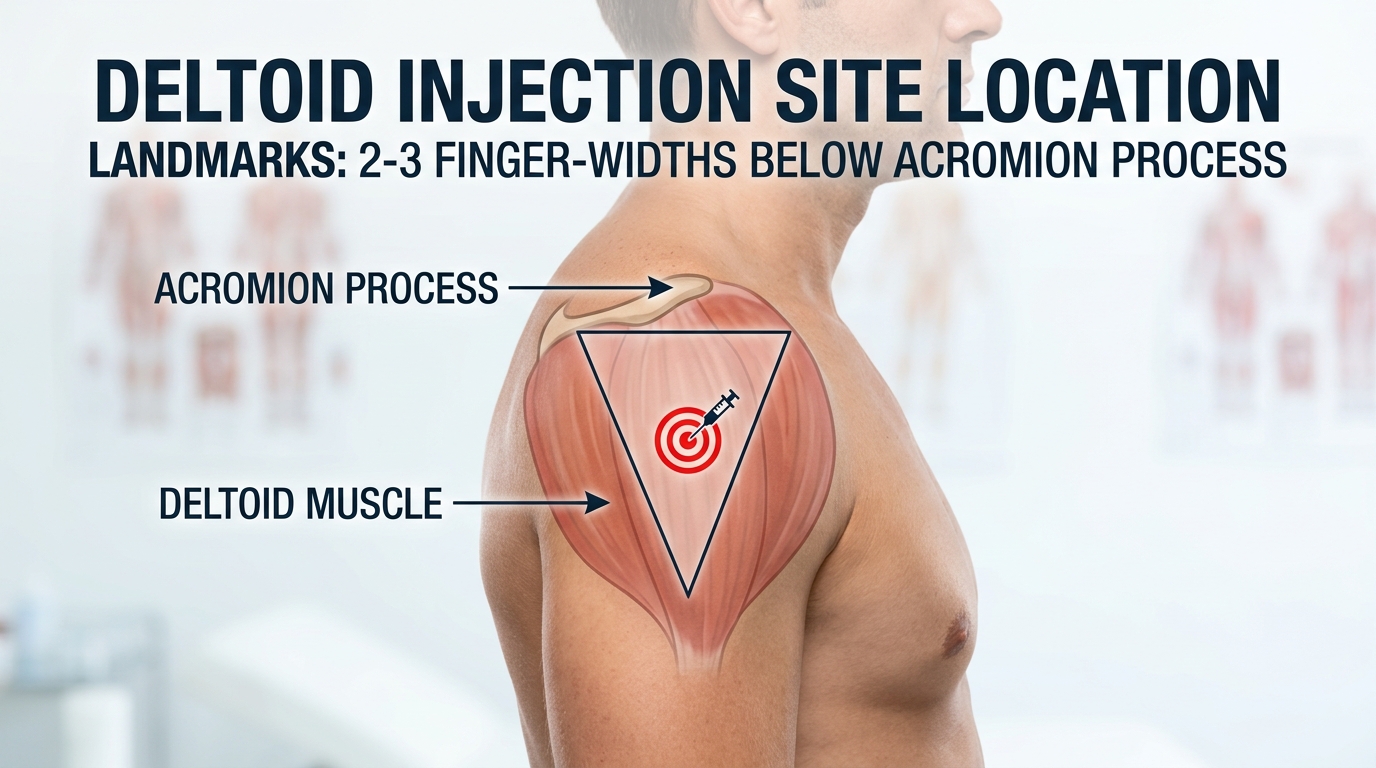
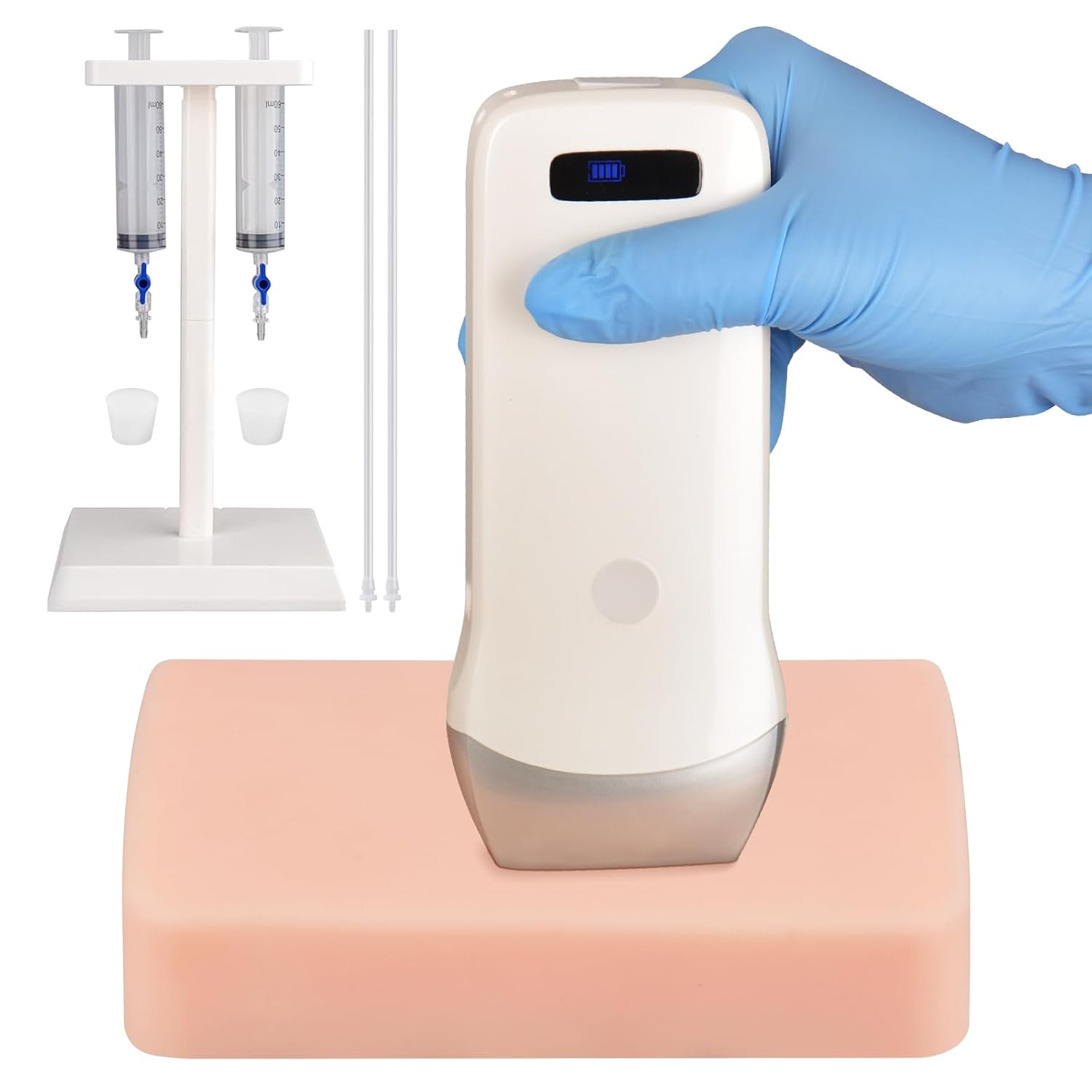
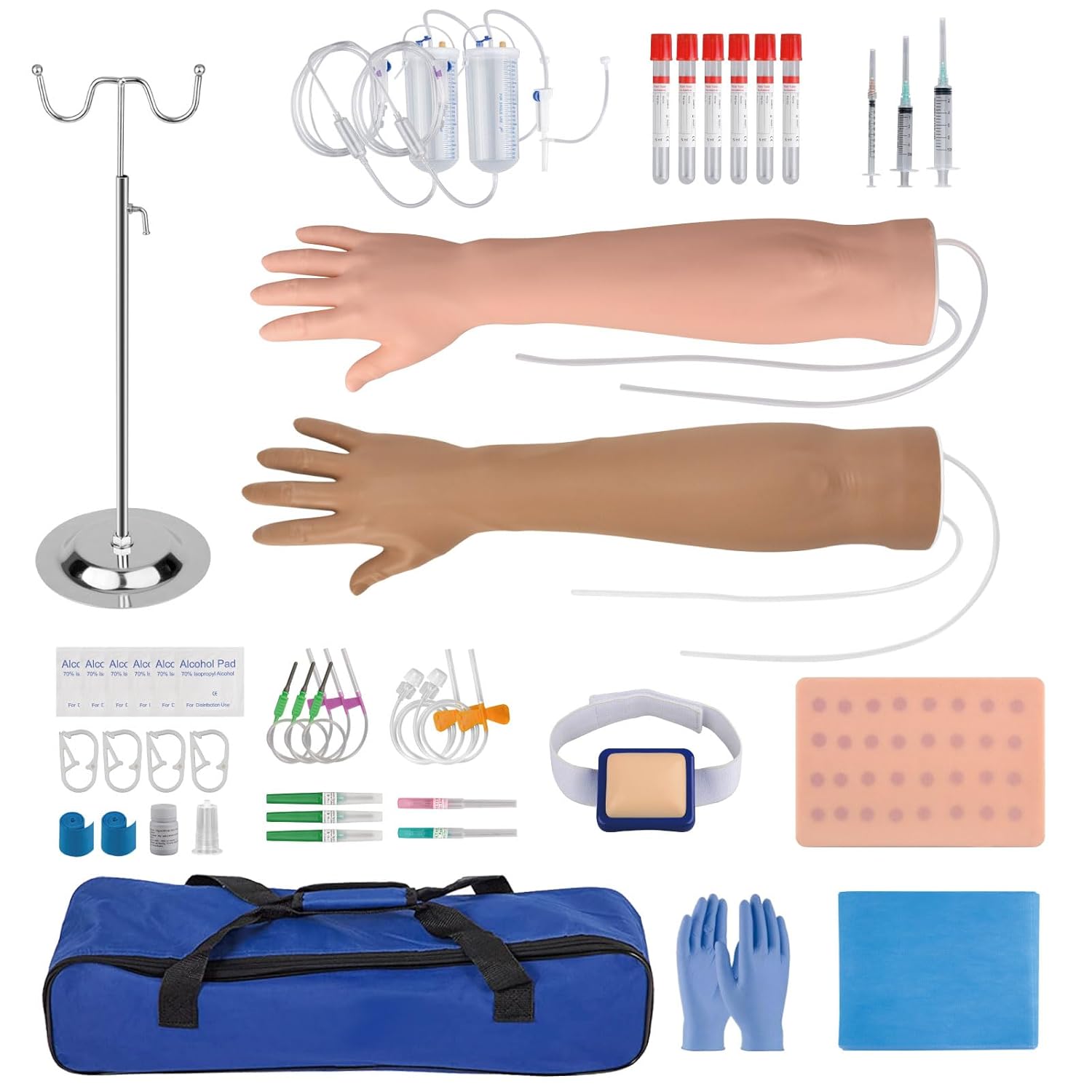
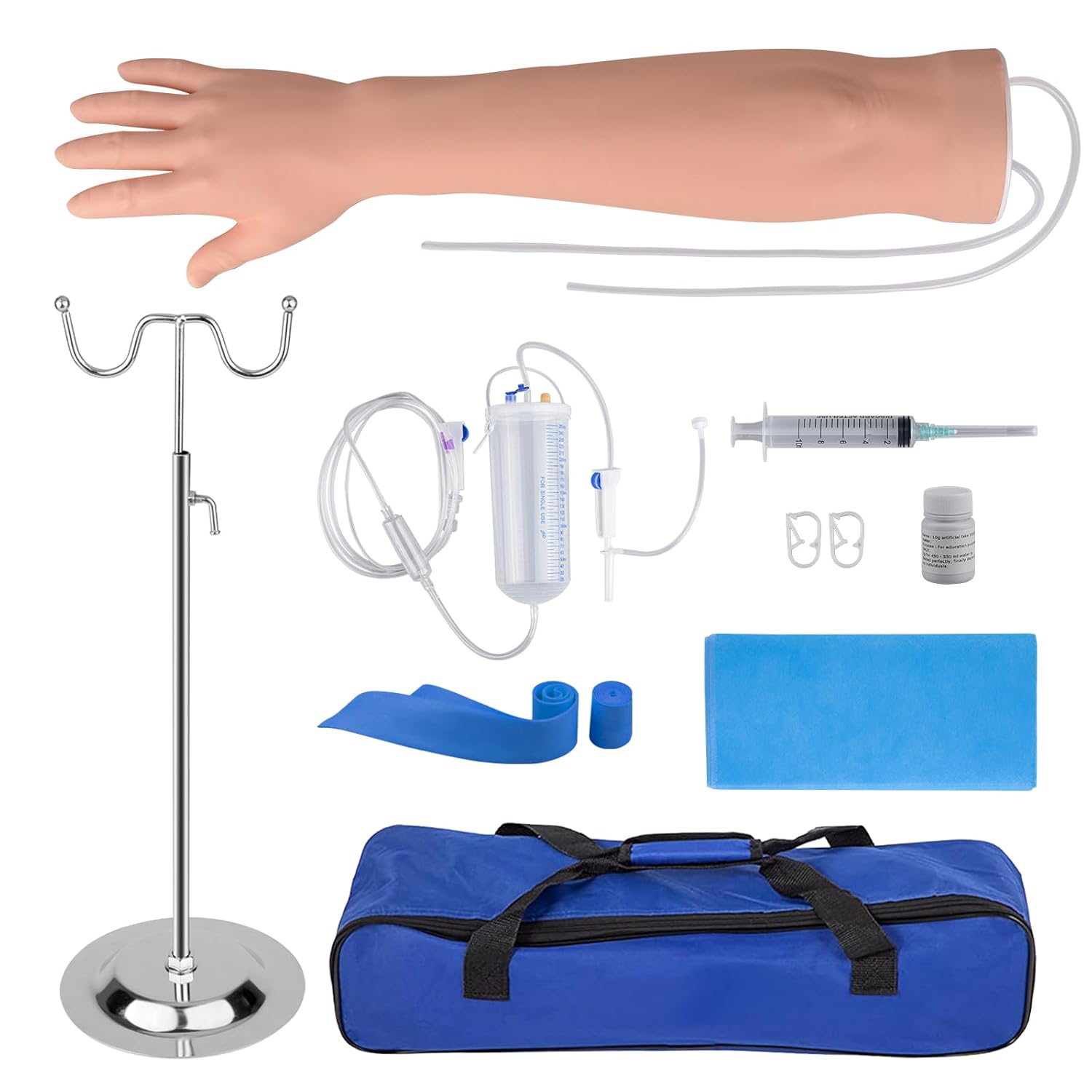
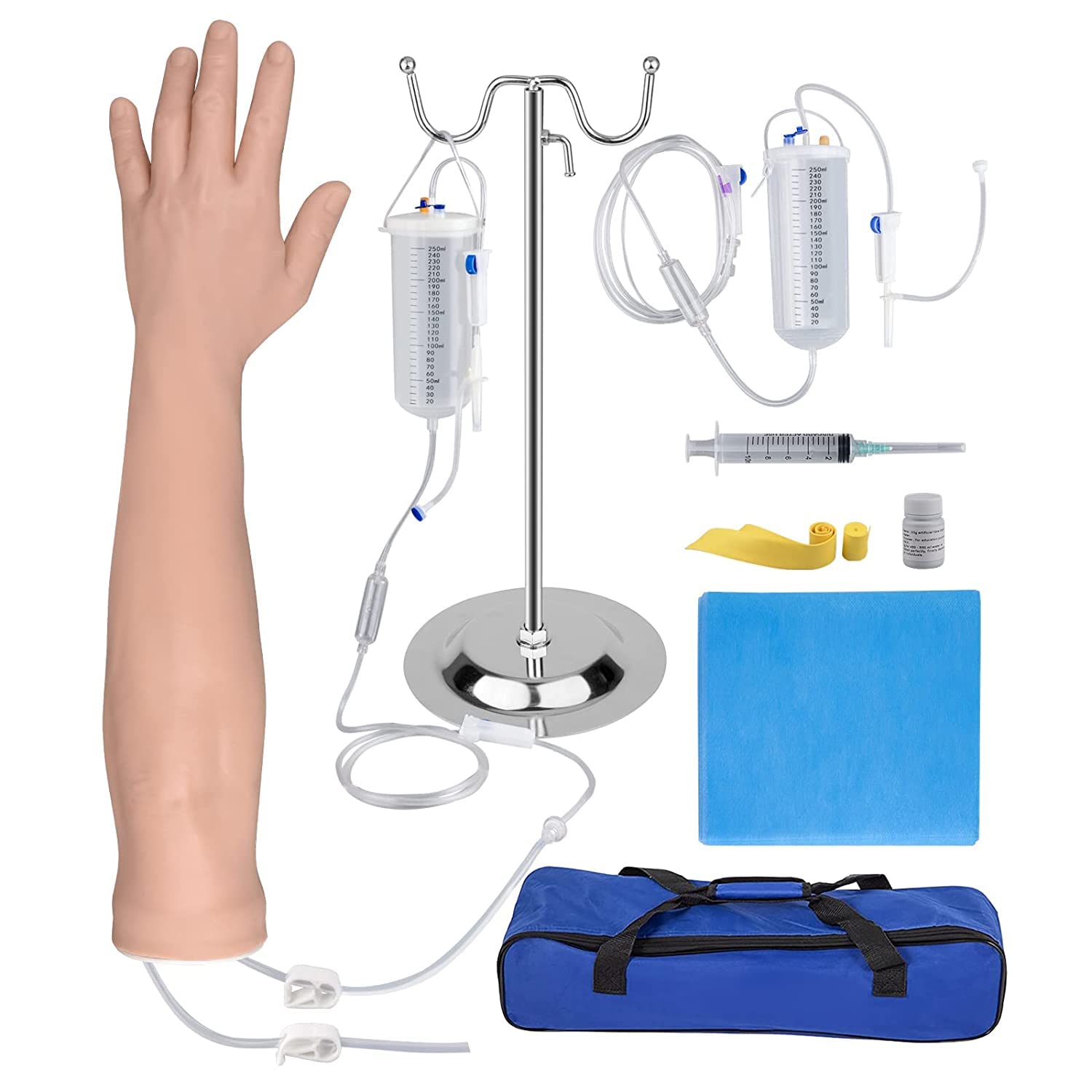
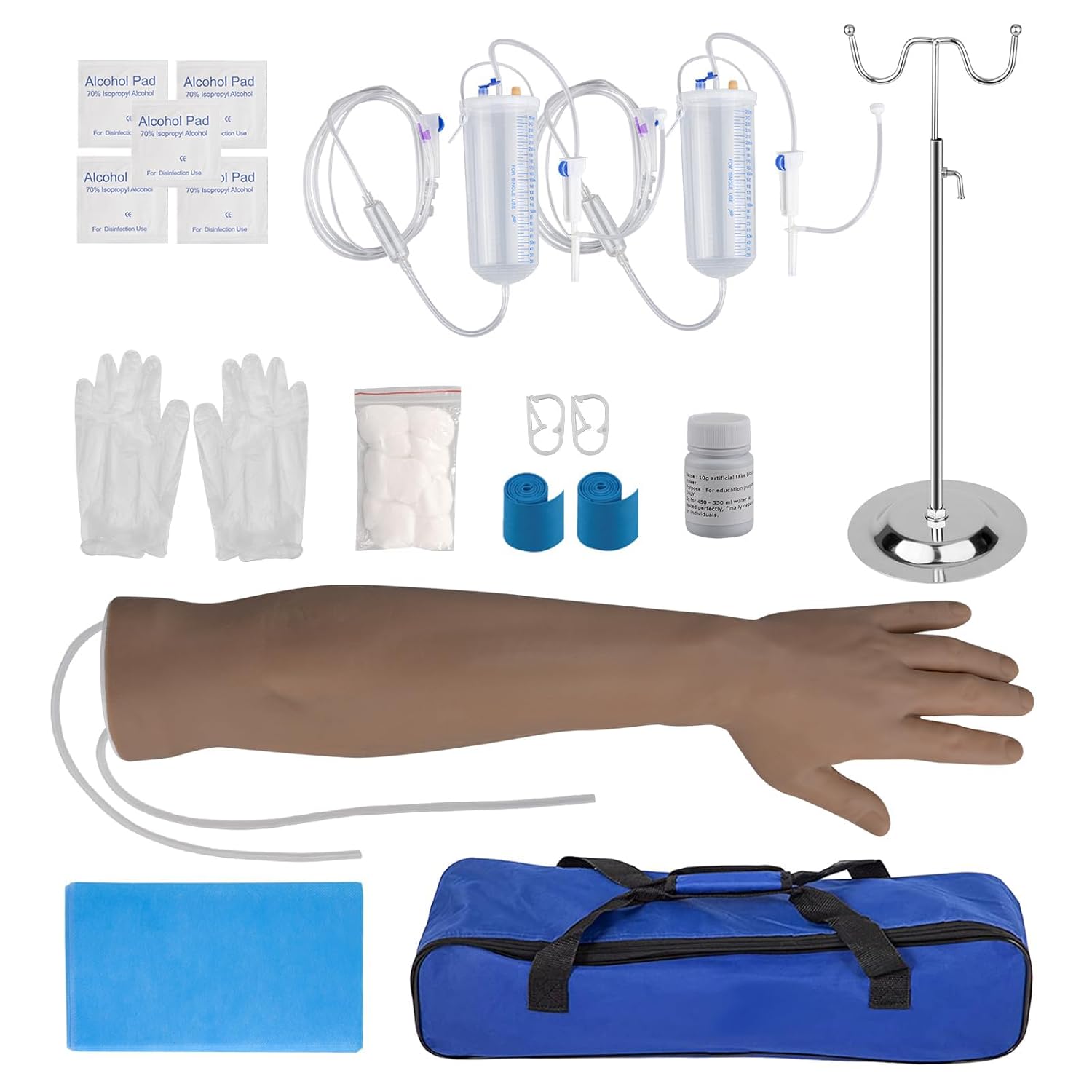
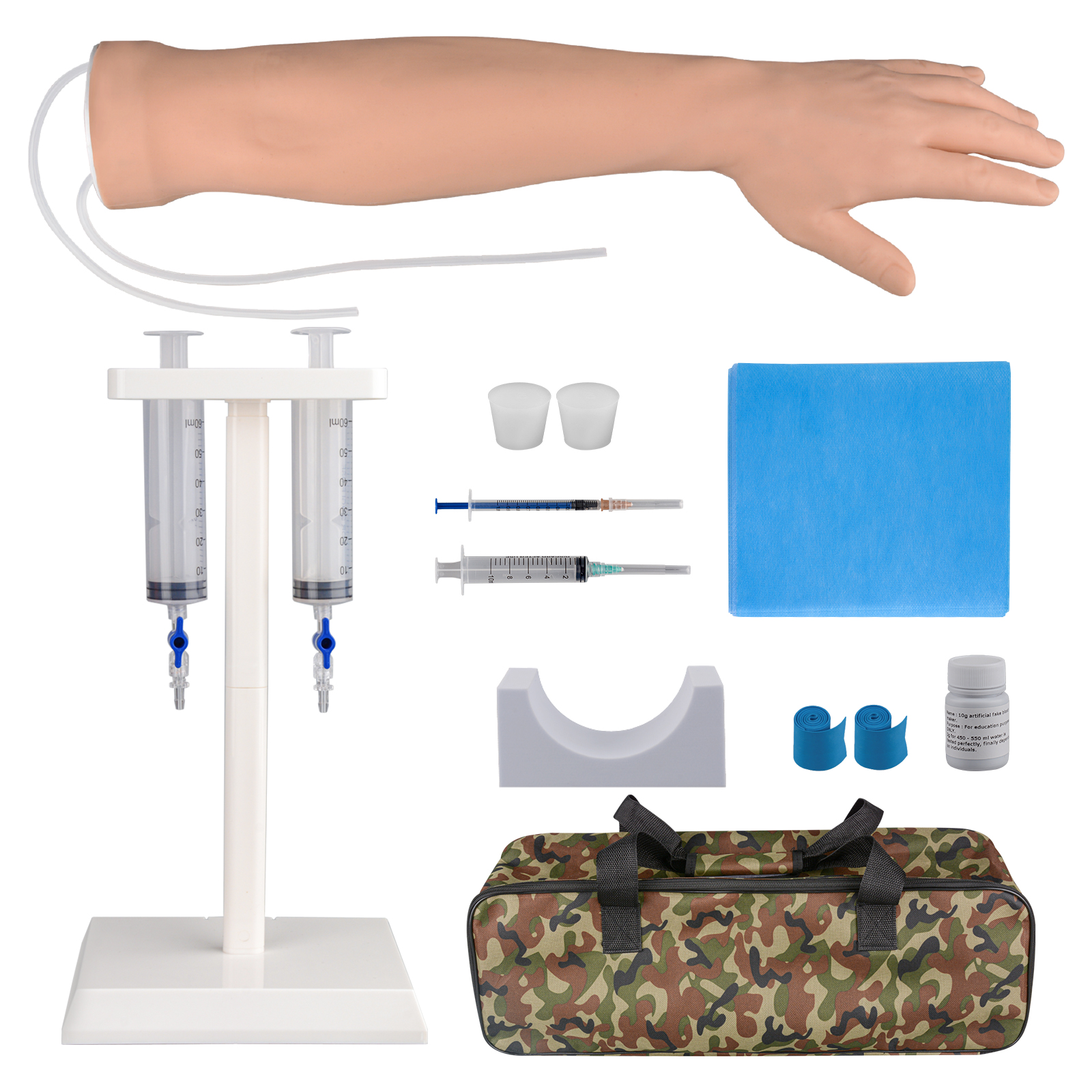
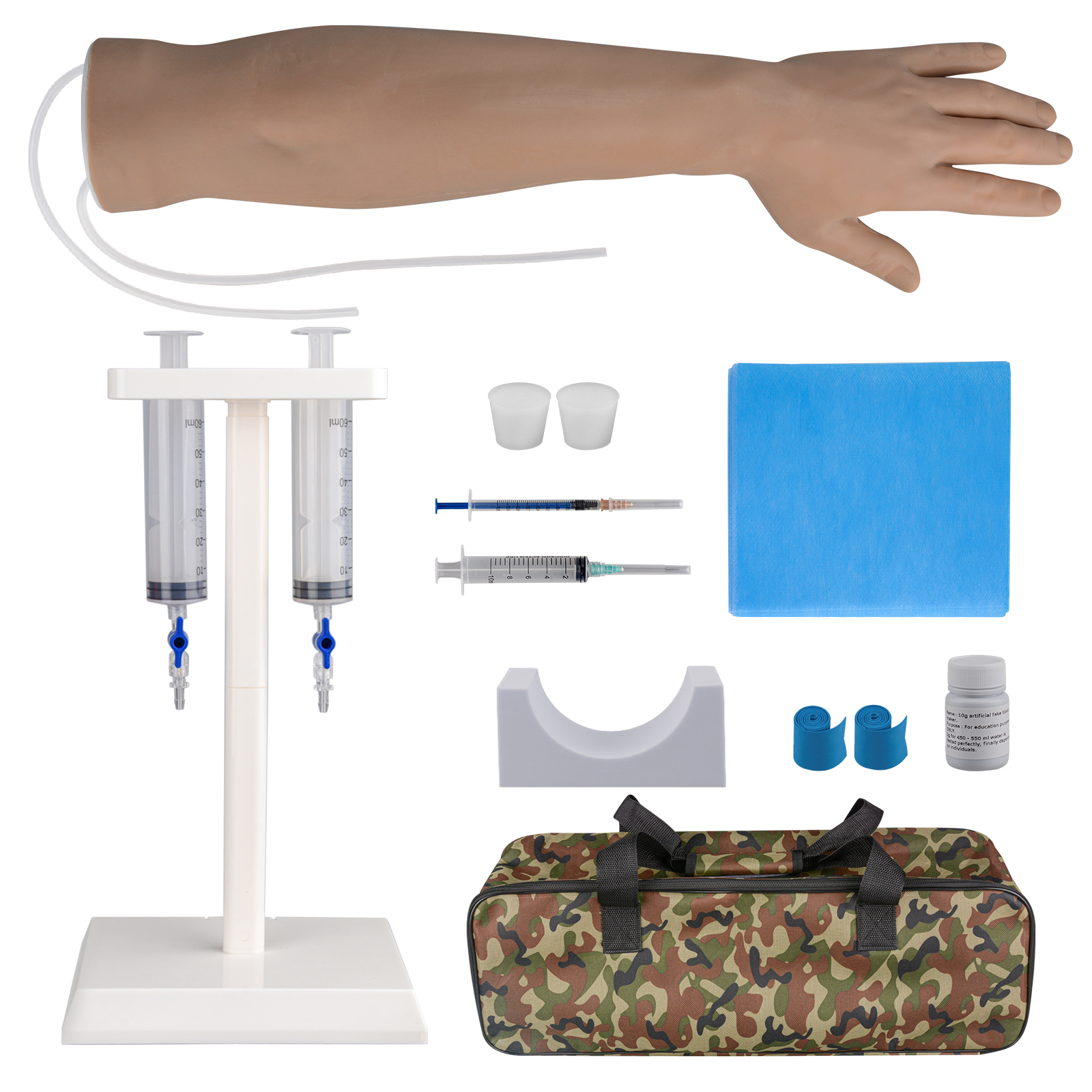
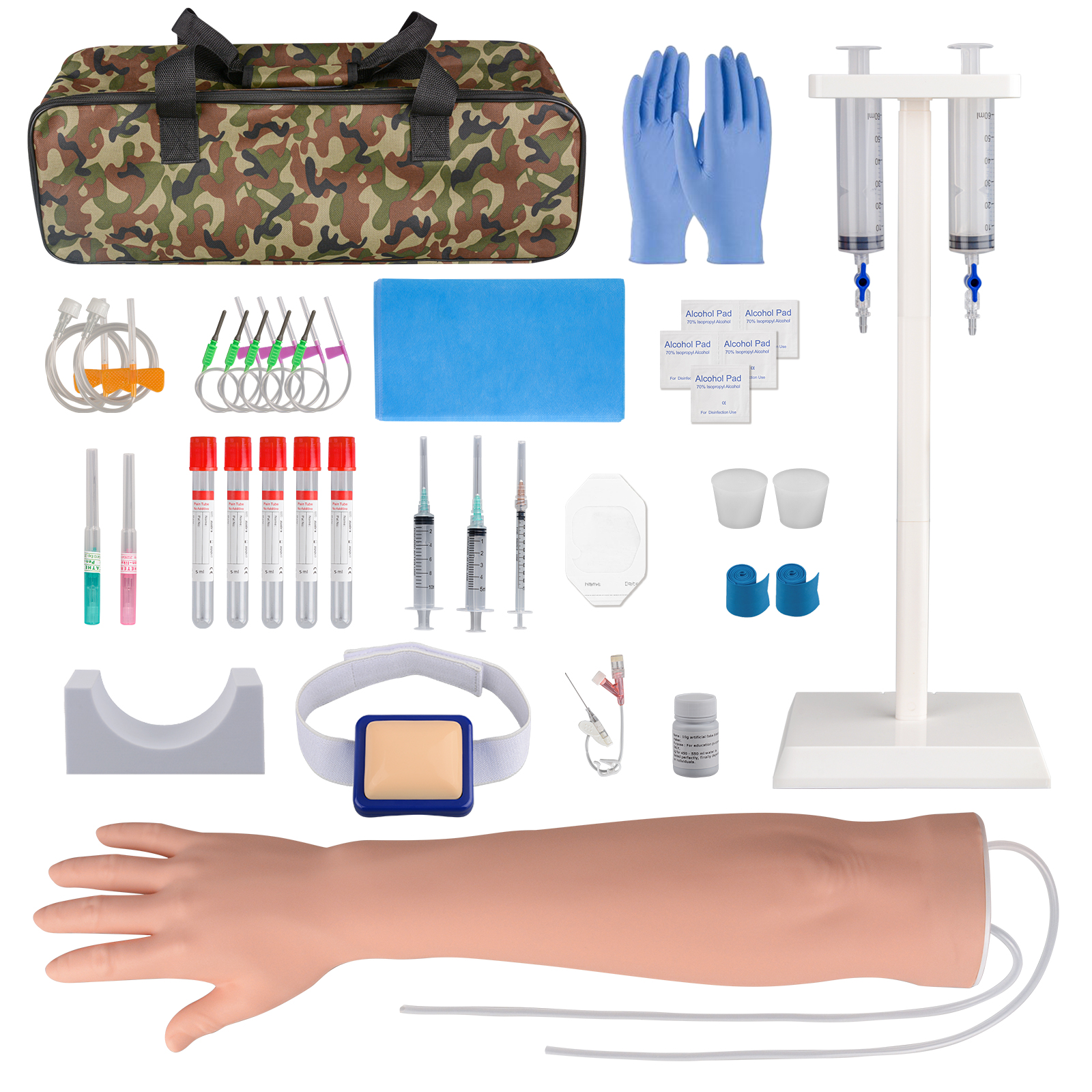
Use Injection Training Models: Intramuscular injection training models that simulate the human body can be incredibly helpful for practice. These models often include realistic anatomical landmarks, allowing healthcare providers to simulate accurate needle insertion.
Get Feedback from Experienced Trainers: Practice under the guidance of a skilled professional. This allows you to receive immediate feedback on your technique, improving your confidence and accuracy.
Practice with im buttock injection Simulation Tools: Some simulators mimic muscle textures and allow practitioners to practice injections in different muscle groups, including the gluteal injection sites. These can be useful for gaining a realistic feel of the procedure.
Conclusion: Perfecting Your Gluteal Injection Technique
Mastering the gluteal injection site requires an understanding of the anatomical landmarks, the right injection angle, and constant practice. Whether you're administering vaccines, hormones, or pain relievers, knowing how to accurately perform an IM buttock injection is an invaluable skill for healthcare providers. Avoid common mistakes, practice regularly using simulation tools, and tailor your technique to the individual needs of your patients. With proper training, you can ensure both safety and efficiency in your gluteal injections.