





I. Introduction
The cervix is the “entrance” to the uterus, connecting the uterus and the vagina. During a gynecological exam, doctors can see the cervix directly. Although it's small, it can reveal a great deal about a woman’s reproductive health.
So, what does a healthy and normal cervix look like? And how does an abnormal cervix appear when there’s an issue? This article will help you understand the key visual differences between the two.
II. What Does a Normal Cervix Look Like?
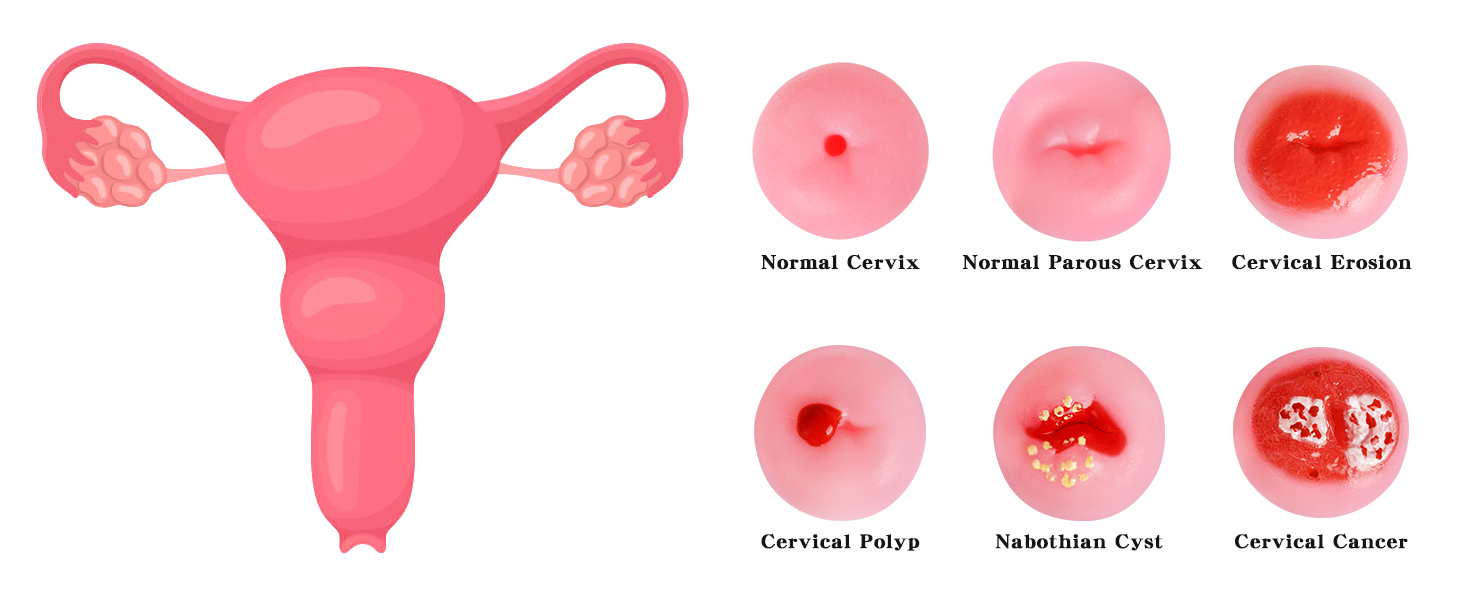
A normal cervix looks like a small pink round door located at the end of the vagina. In women who have never given birth, the cervical opening is usually a smooth, small round hole, much like a tiny buttonhole which is neat and clean. In women who have given birth, the cervical opening often becomes a slightly elongated slit, resembling a gently opened door crack. Overall, a healthy cervix has a soft and smooth surface, without redness, swelling, or bumps, and no bleeding—much like healthy skin that is even and delicate. When examined, gentle touching of the cervix does not cause bleeding.
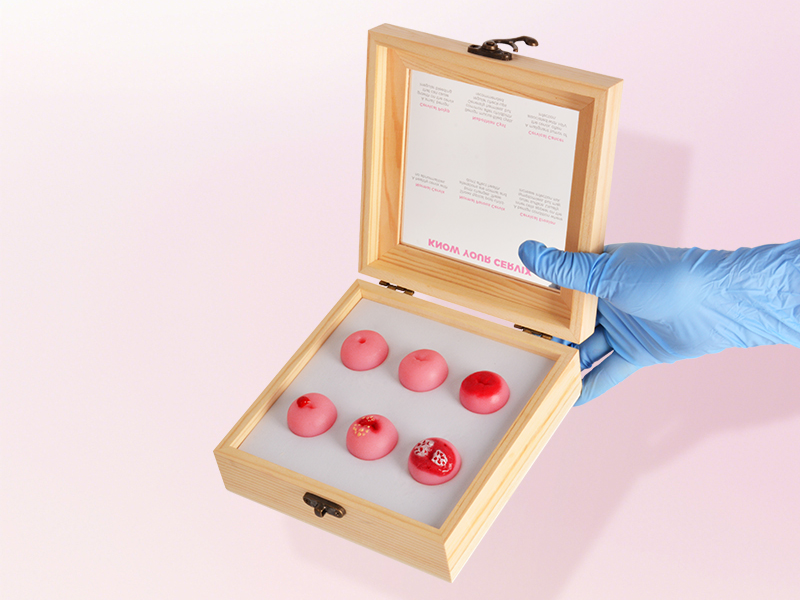
Here are detailed images of the normal cervix and normal parous cervix simulation models, designed to closely resemble actual anatomy.
- Normal Cervix
.jpeg?w=529&h=529)
- Normal Parous Cervix
.jpeg?w=530&h=530)
III. What Does an Abnormal Cervix Look Like?
In contrast to the smooth and uniform surface of a healthy cervix, an abnormal cervix can exhibit several signs that may signal problems. Here are four common abnormal cervical conditions.
- Cervical Erosion
Cervical erosion, also known as Cervical Ectropion, happens when the glandular cells from inside the cervical canal (called columnar epithelium) grow outward onto the surface of the cervix. This makes part of the cervix look red, moist, and inflamed—almost like a small sore or raw patch. Although it’s called "erosion," it’s not a true wound but a harmless change that often causes a bright red area contrasting with the normal pink cervical tissue.
- Cervical Polyp
A cervical polyp is like a small red bump growing on the surface of the cervix. It may look like a little stalk or a smooth lump sticking out. These polyps can bleed easily when touched, especially after sex, so you might notice some spotting. Most cervical polyps are harmless (benign), but it’s important to check and rule out any chance of cancer.
- Nabothian Cyst
Small transparent or pale yellow bubbles may appear on the surface of the cervix, much like little blisters on the skin. These are actually caused by blocked cervical glands filled with mucus. They look like tiny cysts but usually cause no symptoms, do not affect health, and typically require no treatment.
- Cervical Cancer
When cervical cancer develops, the surface of the cervix surface may become rough and irregular, with areas that look like sores or ulcers. Sometimes, there may be bleeding spots as well. Instead of the usual smooth pink appearance, the cervix may show these damaged areas, often accompanied by unpleasant odor and abnormal discharge. This is a warning sign of serious disease, commonly caused by persistent infection with high-risk types of HPV.
V. At Last
The health of the cervix can often be seen from its appearance. A normal cervix is pink, smooth, and doesn’t bleed. An abnormal cervix, on the other hand, may have red patches, small bumps, or areas that bleed easily. Understanding these differences can help us detect problems earlier and see a doctor in time to protect our health.
To help medical students and healthcare workers better recognize these conditions, we have created very realistic cervix model. These models allow learners to see and feel cervices in different states, making it easier to understand and learn. Combining theory with hands-on practice improves learning effectiveness.
Remember, regular gynecological exams and cervical screenings are key to maintaining health. Through these models, we hope to help more people better understand cervical health.