.png?w=650&h=488)
Introduction
Many phlebotomists have either experienced this themselves or worry about it happening: seeing a patient suddenly faint during a blood draw can be alarming. Studies show that up to 25% of patients experience some form of vasovagal syncope during blood collection. Fainting during blood draws, also known as vasovagal syncope, is a common event in clinical settings. In this article, we’ll cover why patients faint during blood draws, how to spot the early signs, and what you can do to when a patient faints during blood draw.
Why Fainting Occurs During Blood Draws
Several factors can trigger a vasovagal response during venipuncture:
- Anxiety or fear of needles: Some patients feel extremely nervous even before the procedure. For example, a patient may start sweating and trembling as soon as they see the needle.
- Dehydration or fasting: Patients who come in on an empty stomach or without drinking enough water may have lower blood volume or reduced glucose levels. For instance, a patient who skipped breakfast may have lower energy levels.
- Pain sensitivity or sudden stress: Unexpected pain or sudden stimuli can provoke a strong physiological reaction. For example, a patient who flinches sharply when the needle goes in may experience an intense autonomic response.
- Medical history: Some patients have underlying conditions that make them more susceptible, such as prior syncope episodes, naturally low blood pressure, or certain heart conditions.
- Environmental factors: High temperatures, crowded spaces, or poor ventilation can influence the body’s circulatory and nervous system responses.
Knowing these risk factors allows phlebotomists to watch out for sensitive patients and take simple precautions, like asking about fainting history, having them sit or recline comfortably, and encouraging them to drink water before the blood draw.
Signs of Impending Fainting
Recognizing early signs allows phlebotomists to take action before the patient loses consciousness. Common indicators include:
1. Subjective Symptoms
- Dizziness or lightheadedness
- Nausea or stomach discomfort
- Feeling warm, flushed, or suddenly cold
- Blurred vision or “seeing spots”
- Verbal statements like “I feel faint”
2. Behavioral or Facial Changes
- Sweating on forehead or palms
- Pallor or pale skin
- Restlessness or fidgeting
- Facial expressions of anxiety or discomfort
3. Physical Signs
- Slow or weak pulse
- Slight drop in blood pressure
- Yawning or sighing repeatedly
- Muscle weakness or slumping posture
What You Can Do Immediately?
If a patient shows signs of fainting during a blood draw, take these steps immediately:
- Stop the procedure: Withdraw the needle safely to avoid injury.
- Protect the patient: Assist them to sit or lie down. If they have already collapsed, support the head and limbs.
- Adjust body position: Help the patient lie flat and elevate the legs if possible to improve blood flow to the brain.
- Ensure airway and breathing: Check responsiveness and breathing, and loosen tight clothing.
- Provide comfort: Stay calm, reassure the patient, and use cold compresses or a fan if available.
Monitor the patient closely until they are fully alert, and check vital signs. Document the incident for future reference.
How to Prevent Fainting During Routine Blood Draws
To reduce the risk of fainting in everyday practice, phlebotomists can follow these practical steps:
1. Ask about Medical History
- Before starting, check if the patient has a history of fainting, low blood pressure, or other conditions that may increase risk.
2. Encourage Hydration and Nutrition
- Suggest patients drink water and eat a light snack before the blood draw.
3. Position the Patient Properly
- Have them sit comfortably with back support.
- For high-risk patients, consider a semi-reclined or lying position.
4. Use a Calm and Reassuring Approach
- Explain the procedure clearly to reduce anxiety.
- Maintain a gentle, confident tone during the draw.
5. Observe for Early Warning Signs
- Watch for dizziness, pallor, sweating, or verbal cues indicating discomfort.
- Pause the procedure immediately if any signs appear.
6. Be Prepared with Simple Measures
- Keep a chair or recliner ready for patients who feel unsteady.
- Have a cool cloth or fan available to help patients stay comfortable.
- Know basic steps for managing a patient who shows early signs of fainting.
Conclusion
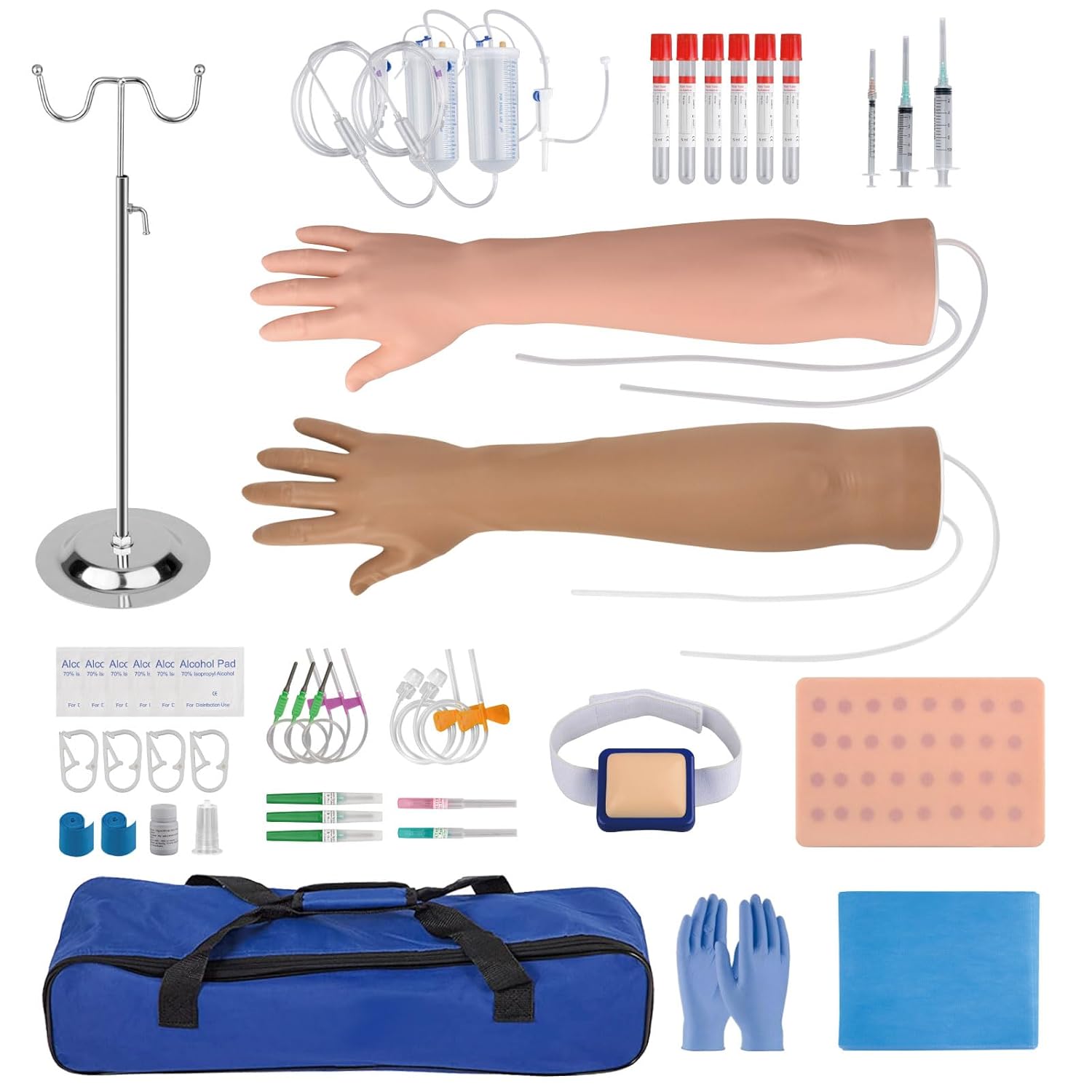
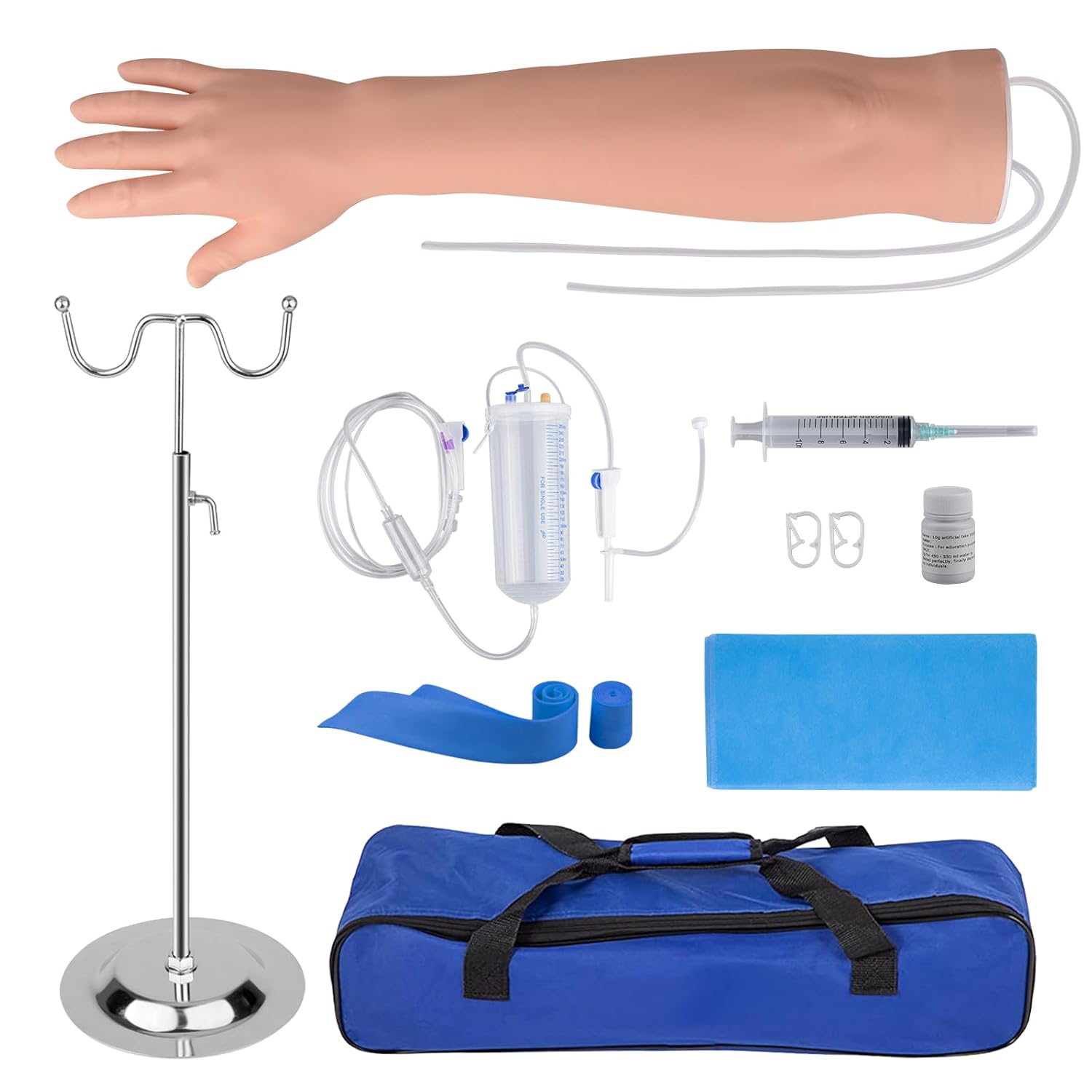
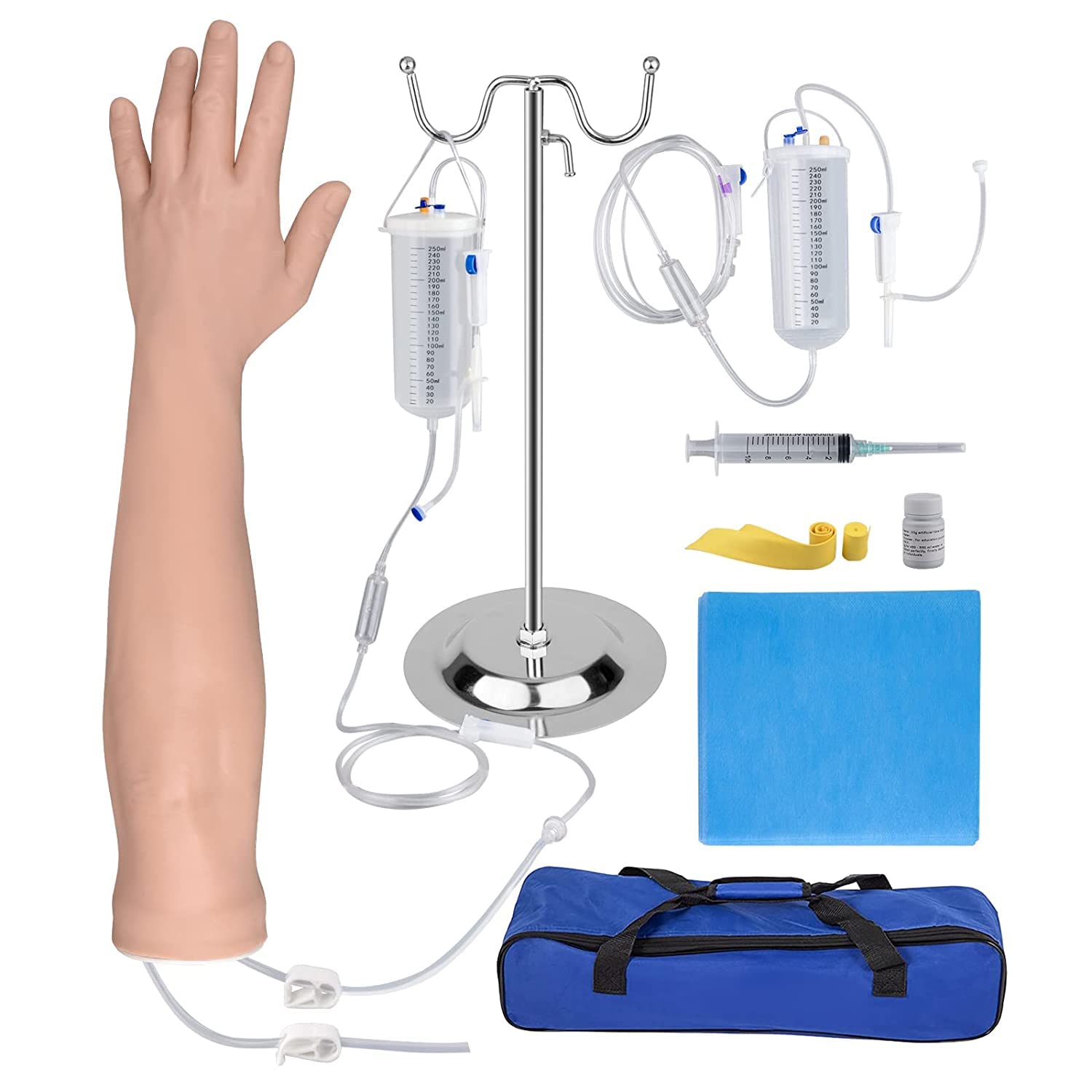
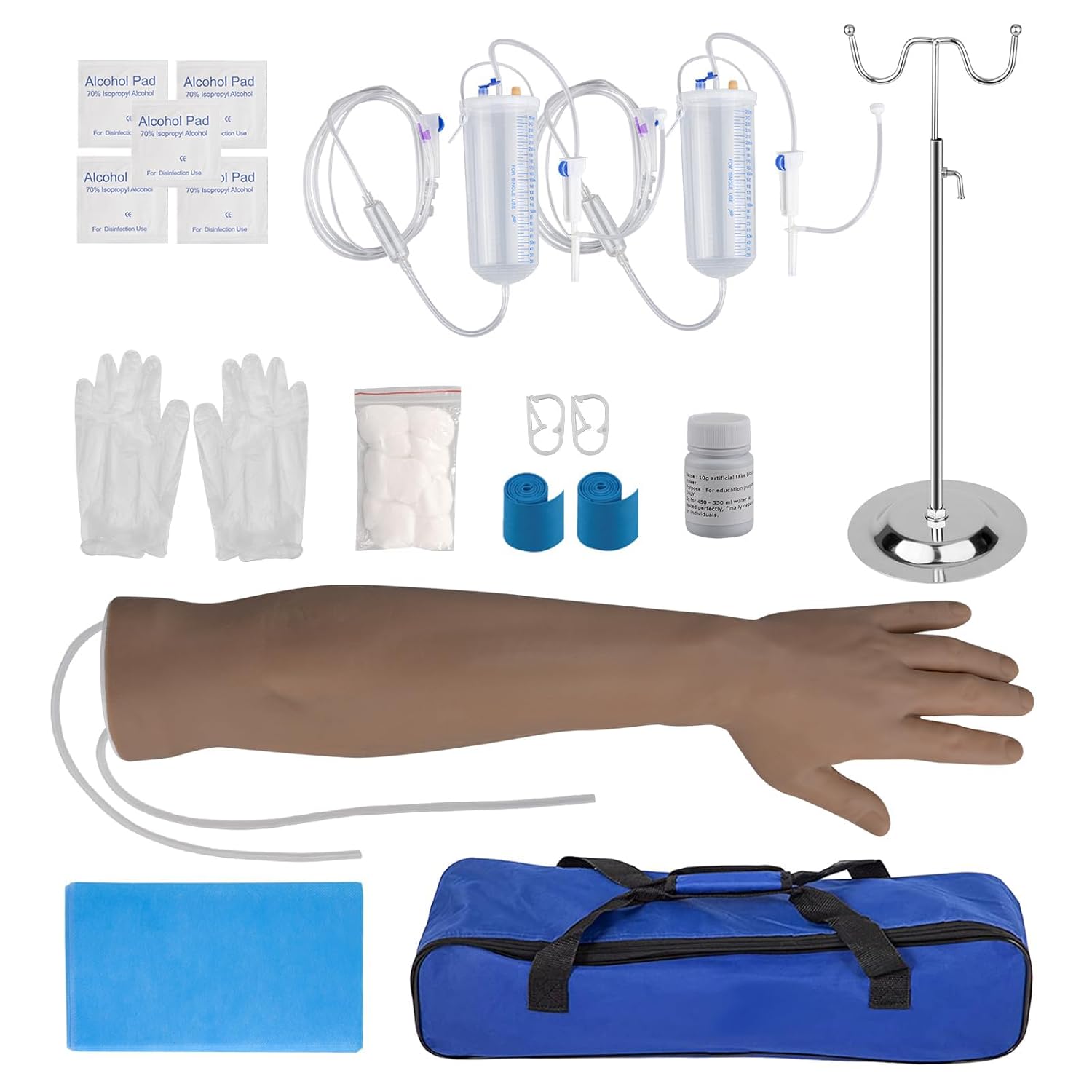
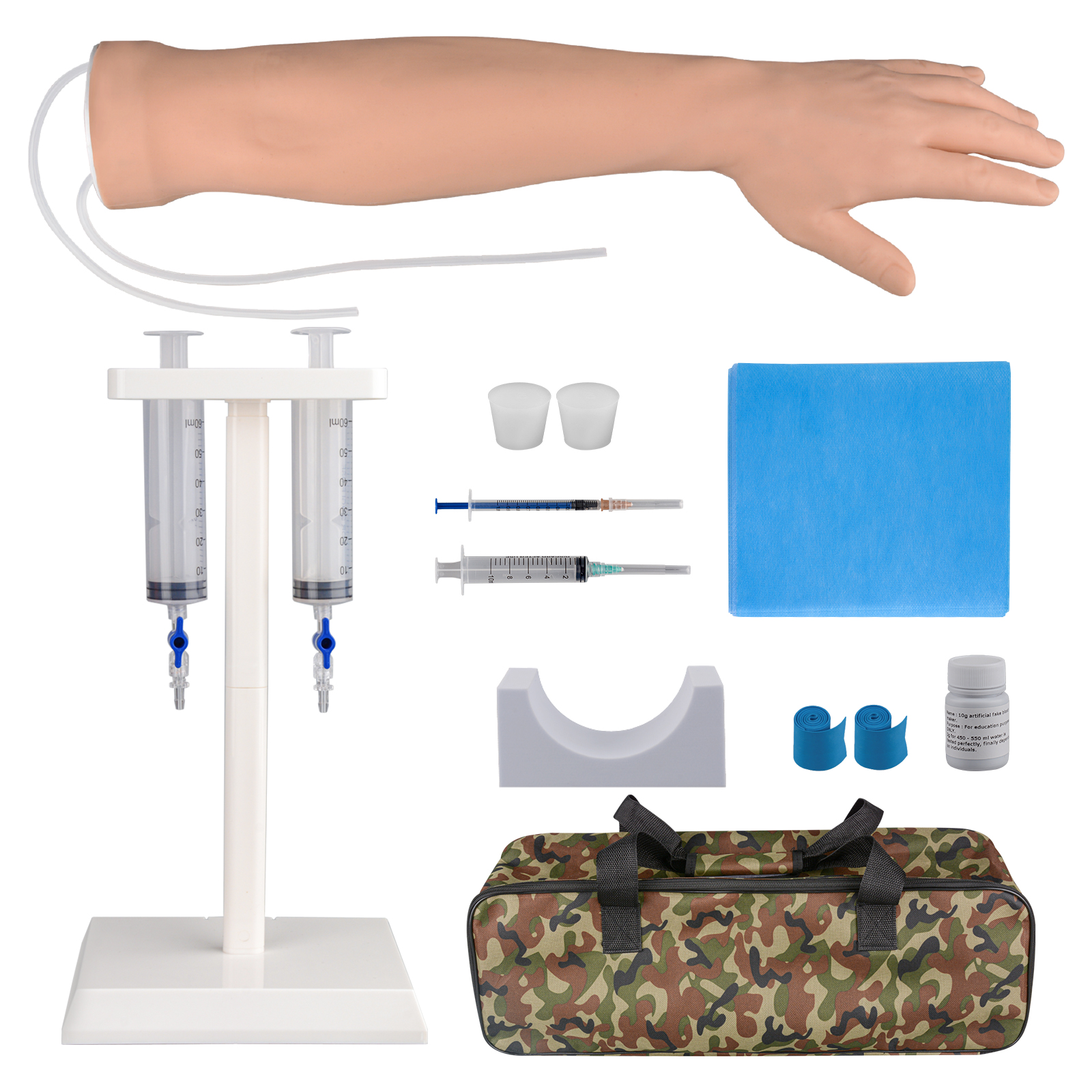
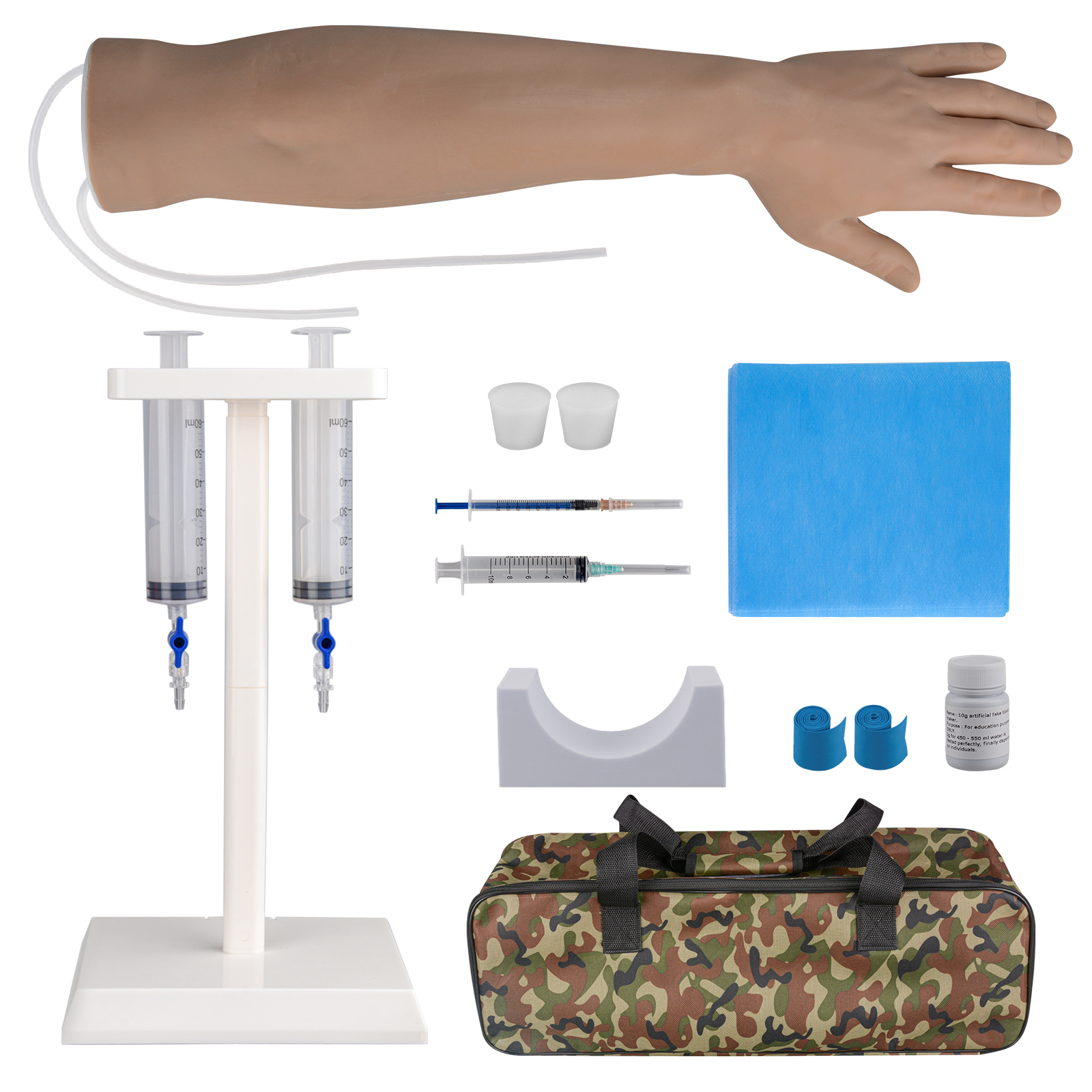
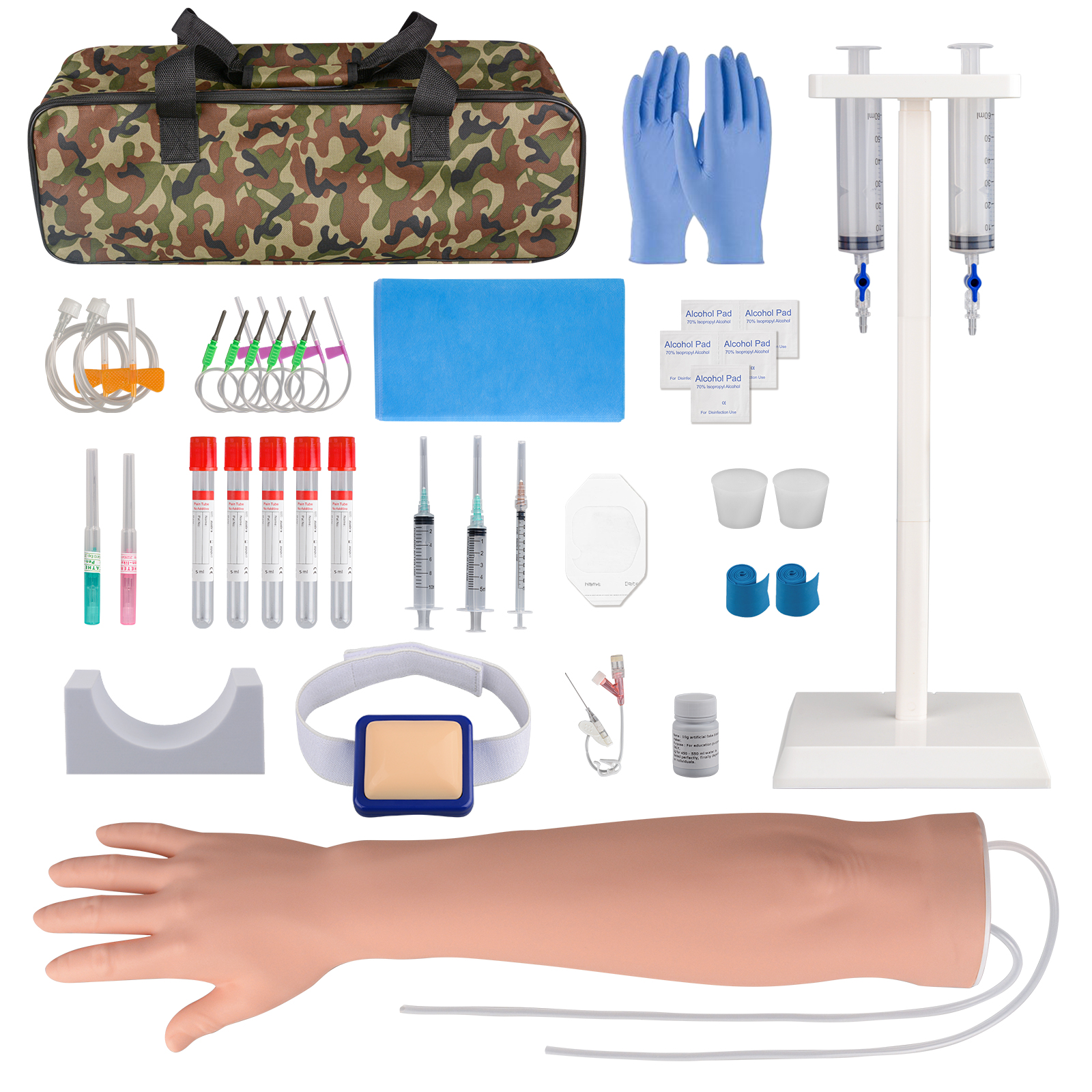
Watching a patient suddenly feel dizzy or start to faint during a blood draw can be alarming. Feeling nervous at first is normal, but staying calm and acting quickly is key. Practicing with realistic iv practice kits can help you build confidence, improve your technique, and be better prepared to handle situations like this safely with real patients.
📝Related Article:
- Phlebotomy Medical Terminology You Should Know
- Can a Phlebotomist Give Shots?
- How Long for Phlebotomy Training to Become a Phlebotomist?