A beginner-friendly guide for your first self-injection. This article addresses common concerns for beginners who need to give themselves subcutaneous injections in the stomach and provides helpful tips for making the process easier and safer.
"Wait, I Have to Inject Myself?" Is That What You're Thinking?
Giving yourself a shot in the stomach can feel like a huge, scary step—especially if you’ve just started a medication like insulin or a blood thinner. You might be thinking, “I’ve never done this before. What if I mess it up?” That fear is completely normal. The truth is, a lot of people feel the same way at the beginning. But here’s the reassuring part: with the right tools, a bit of preparation, and some practice, you’ll realize that self-injection in the stomach isn’t nearly as scary as it sounds. You’ve got this—and we’re here to walk you through it, step by step.
Does It Hurt to Give Yourself a Shot?
This is probably the first question on your mind—and it's totally understandable. The short answer: Not really.
When you're injecting something like insulin into your stomach, you're doing what's called a subcutaneous injection, also known as a subq injection. That means the needle only goes just beneath the skin, not deep into the muscle like some other types of shots. And the needles? They’re tiny, thin, typically 4mm to 6mm, and specifically designed to make the process as gentle and painless as possible.
Most people describe it as a quick pinch or a mild sting—kind of like a mosquito bite on your belly. Totally doable.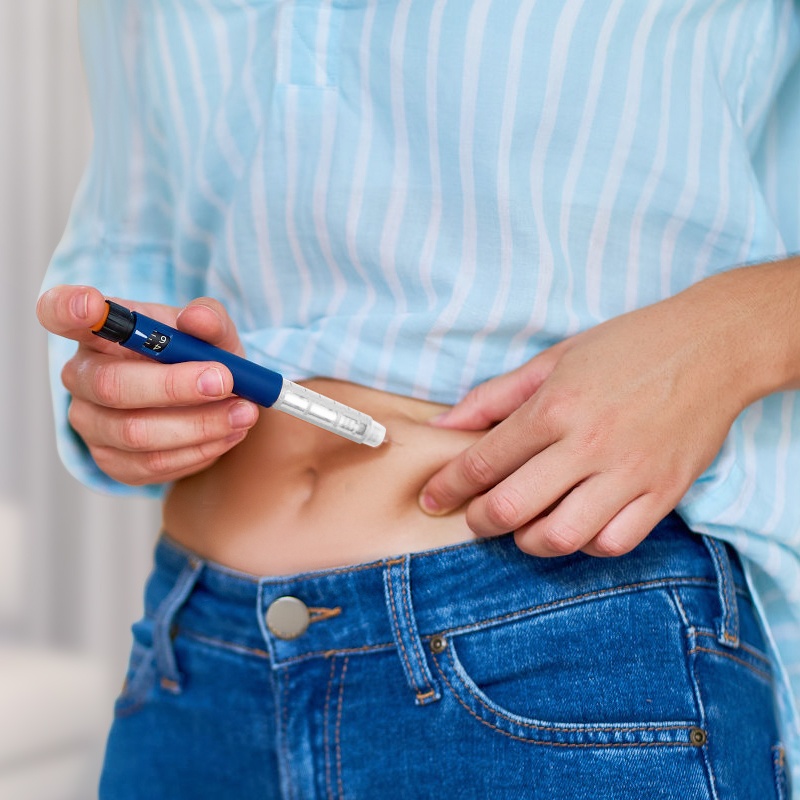
Honestly, the hardest part isn’t the shot itself. It’s the mental build-up beforehand. Your nerves can turn a simple step into a major event. But once you’ve done it, you’ll probably think, “Wait… that’s it?” The more you do it, the more comfortable the self-injection becomes. That’s why a little practice goes a long way. Eventually, it just becomes part of your routine—and your nerves? They’ll learn to chill out too.
What Do I Need to Give Myself an Injection?
Before you even touch a needle, let’s talk supplies. Here’s what you’ll need to prep for a subcutaneous abdominal injection at home:
- A clean, flat surface
- Your prescribed medication (either a prefilled syringe or a vial)
- A sterile syringe and needle (if not prefilled)
- Alcohol swabs
- Gauze or a small bandage
- A sharps container for safe disposal
💡 If you're new to this, ask your pharmacist or doctor if your medication comes in a prefilled syringe—it makes things much simpler.
How to Fill a Syringe Properly (If Your Medication Isn’t Pre-filled)
If you’re working with a vial and syringe combo, here’s how to draw your medication correctly:
1. Wash your hands thoroughly and set up your materials on a clean surface.
2. Use an alcohol swab to clean the rubber stopper of the vial.
3. Pull air into the syringe equal to your medication dose.
4. Insert the needle into the vial and push the air in (this prevents a vacuum from forming).
5. Turn the vial upside down, make sure the needle stays in the liquid, and slowly pull the plunger to draw your dose.
6. Tap the syringe to release any air bubbles and push gently to remove them.
7. Double-check your dose.
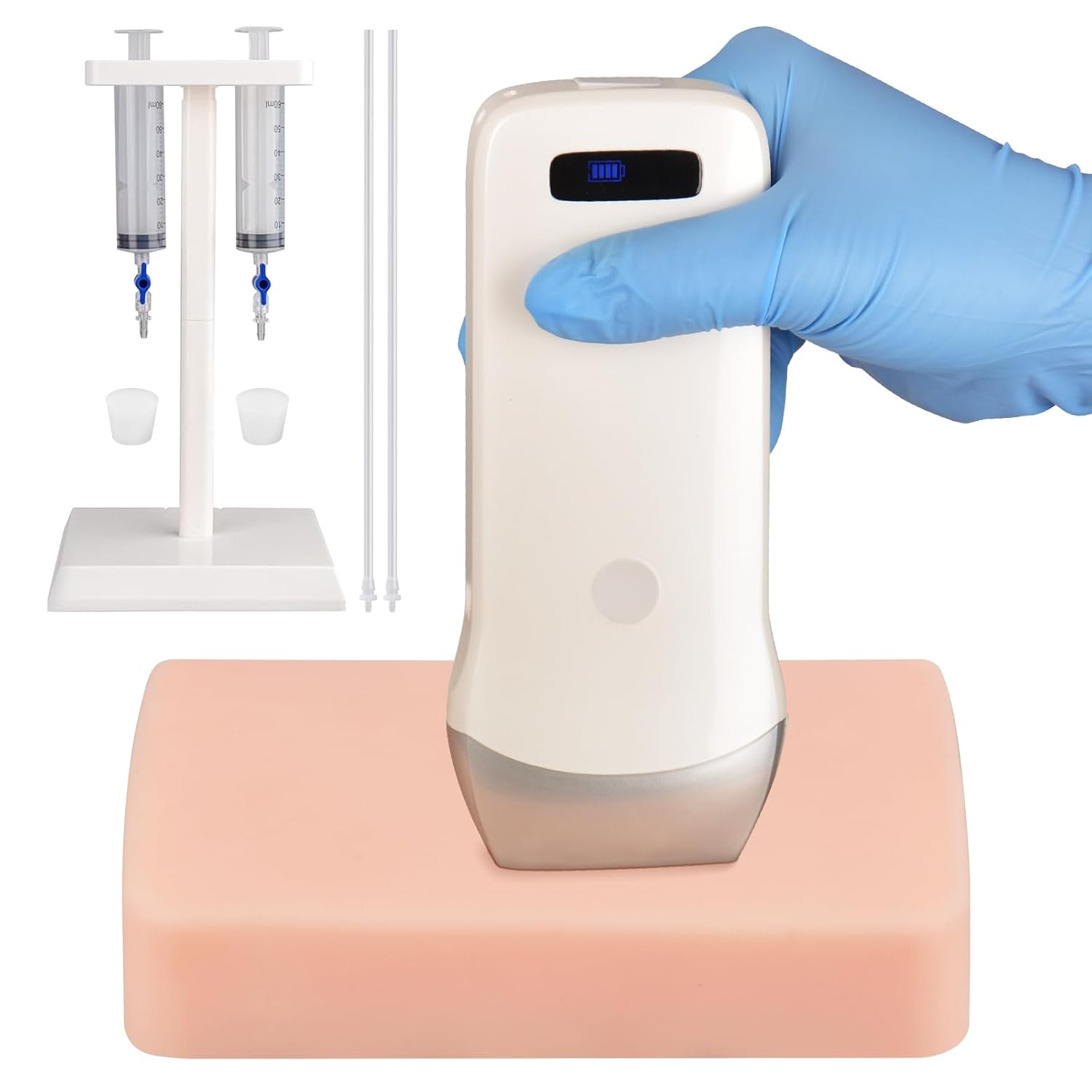
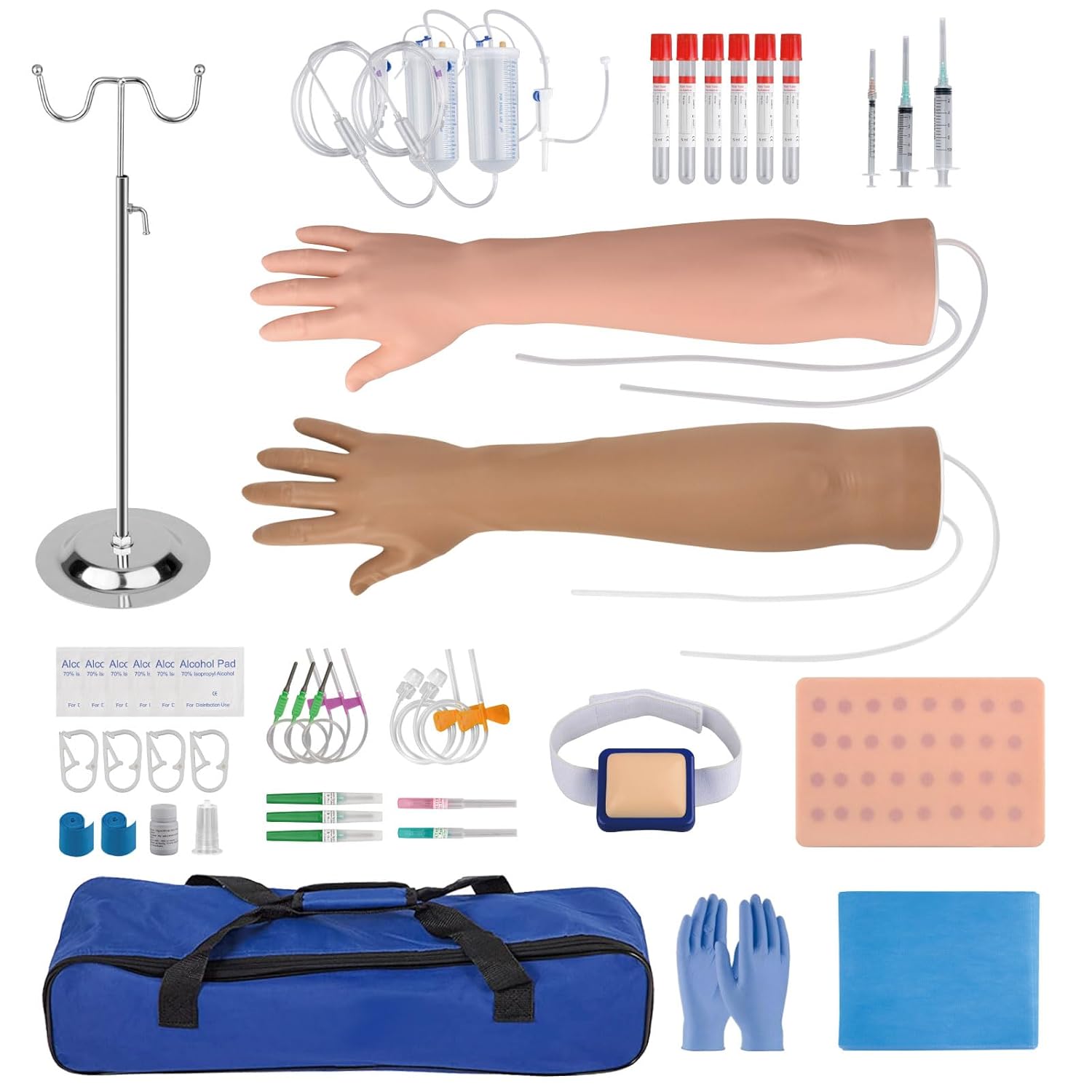
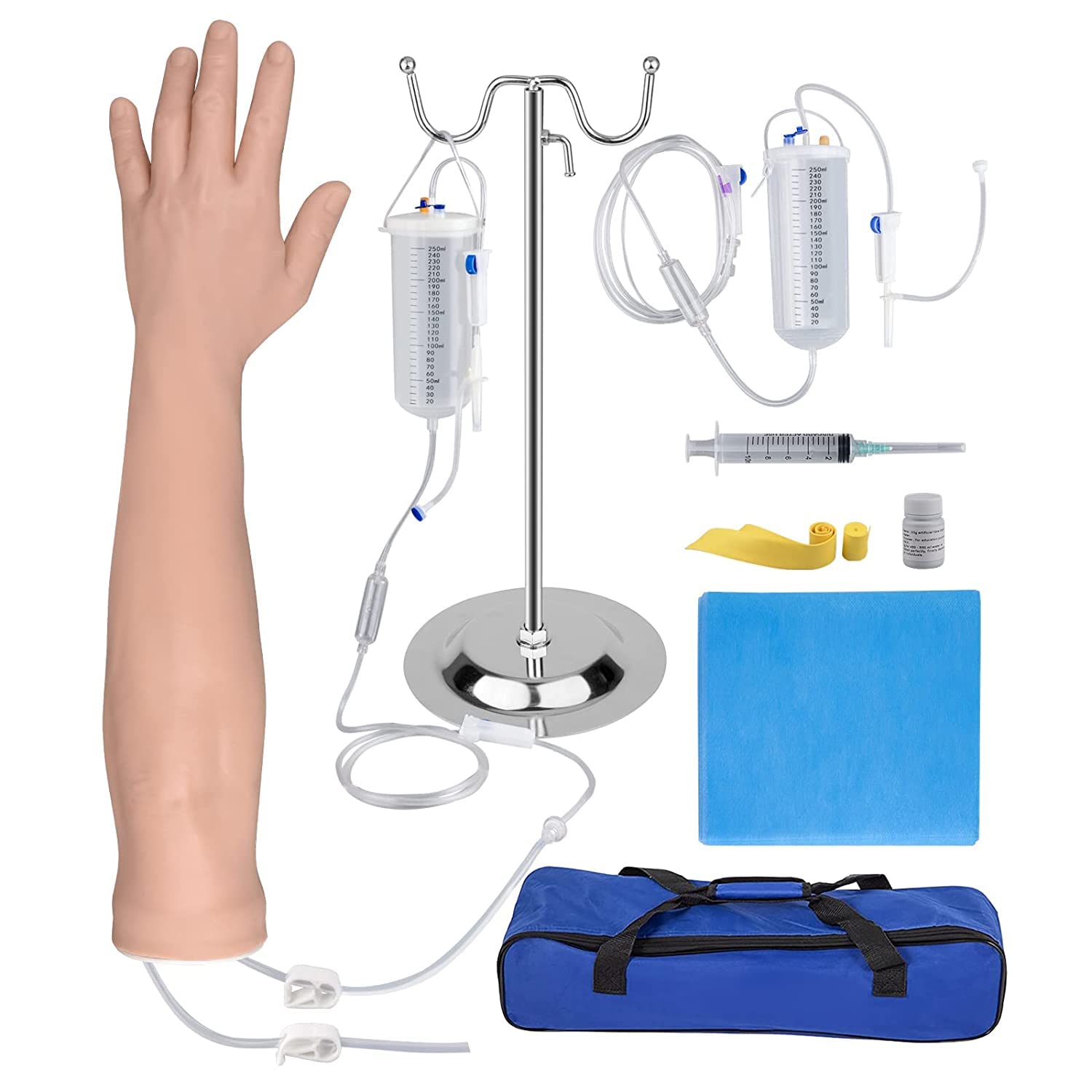
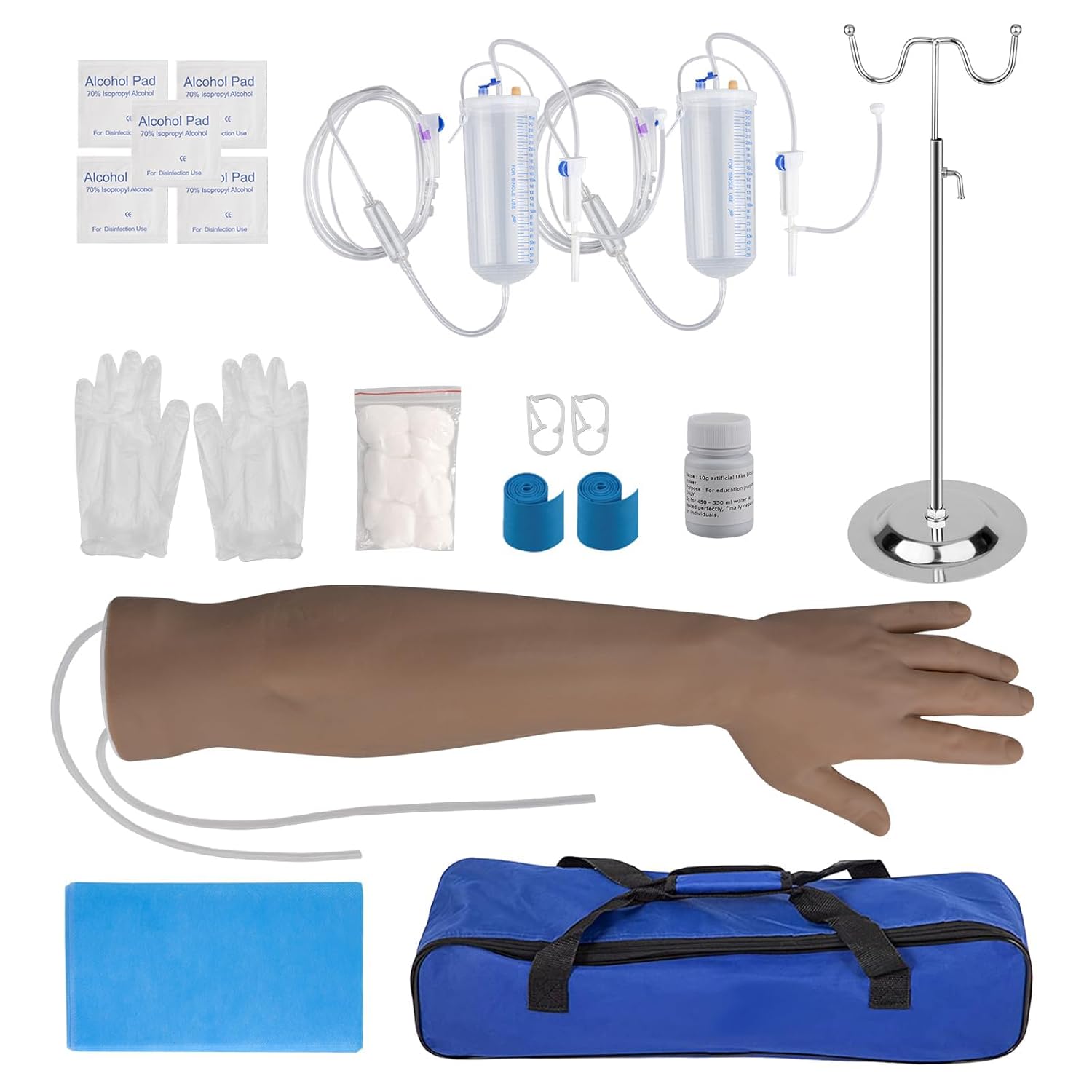
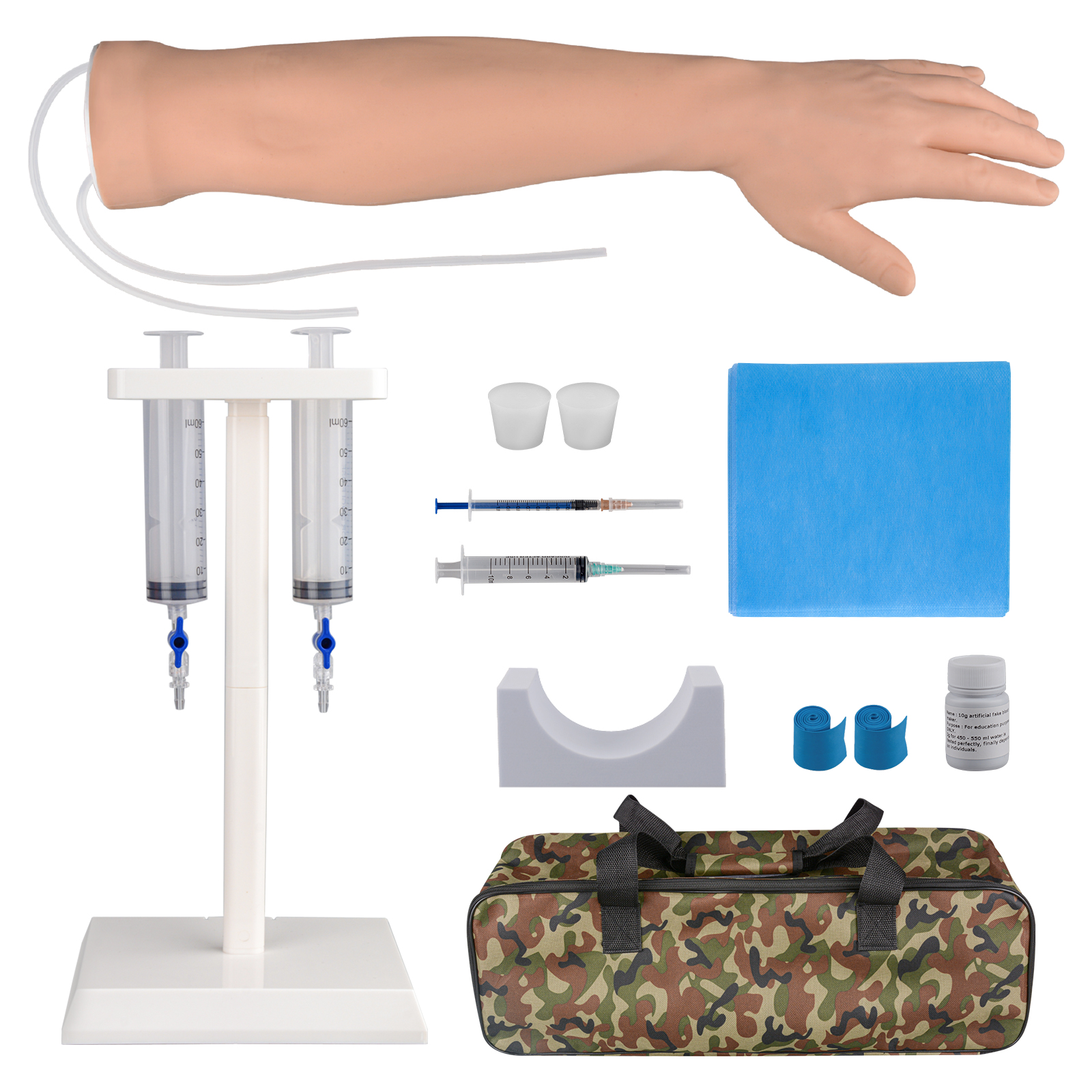
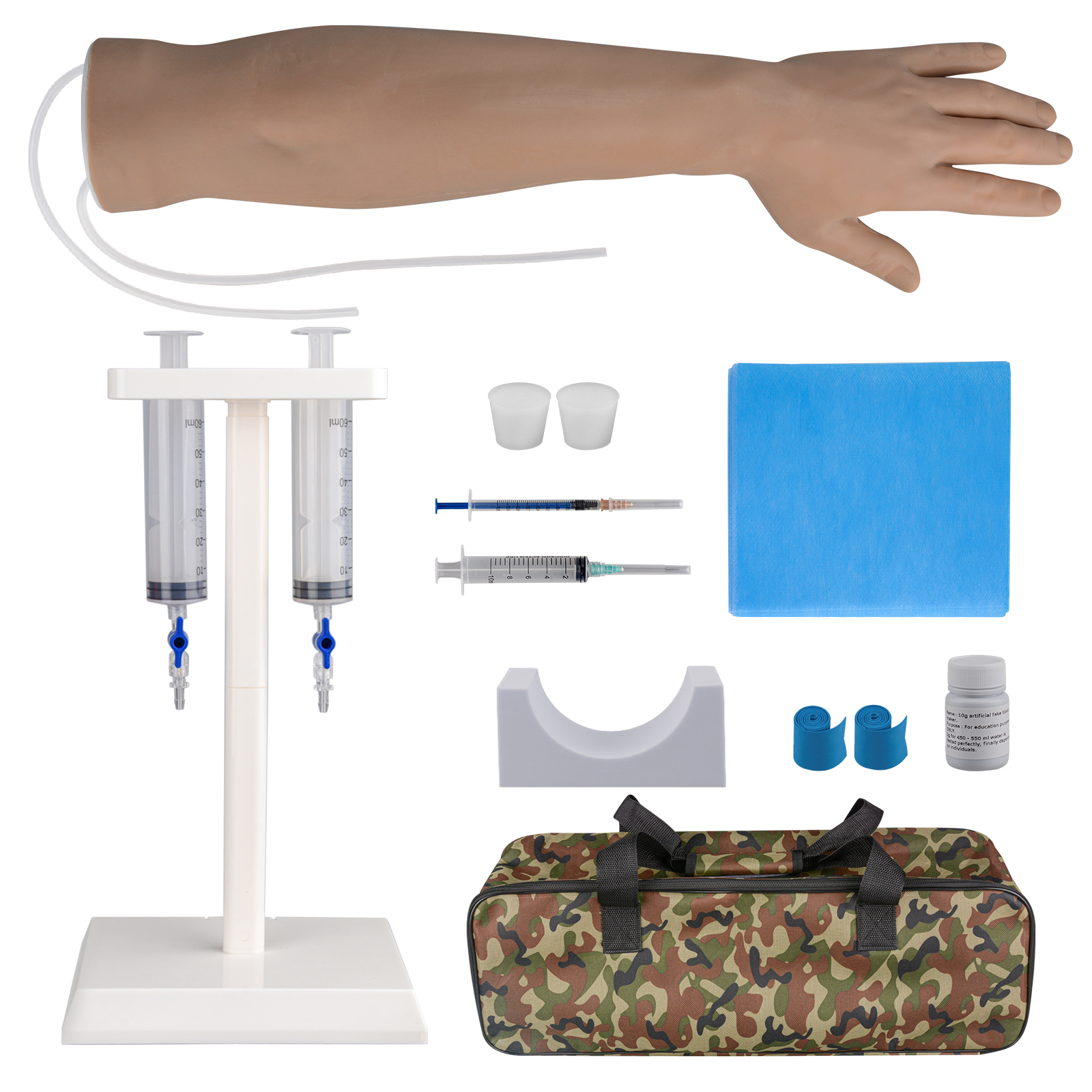
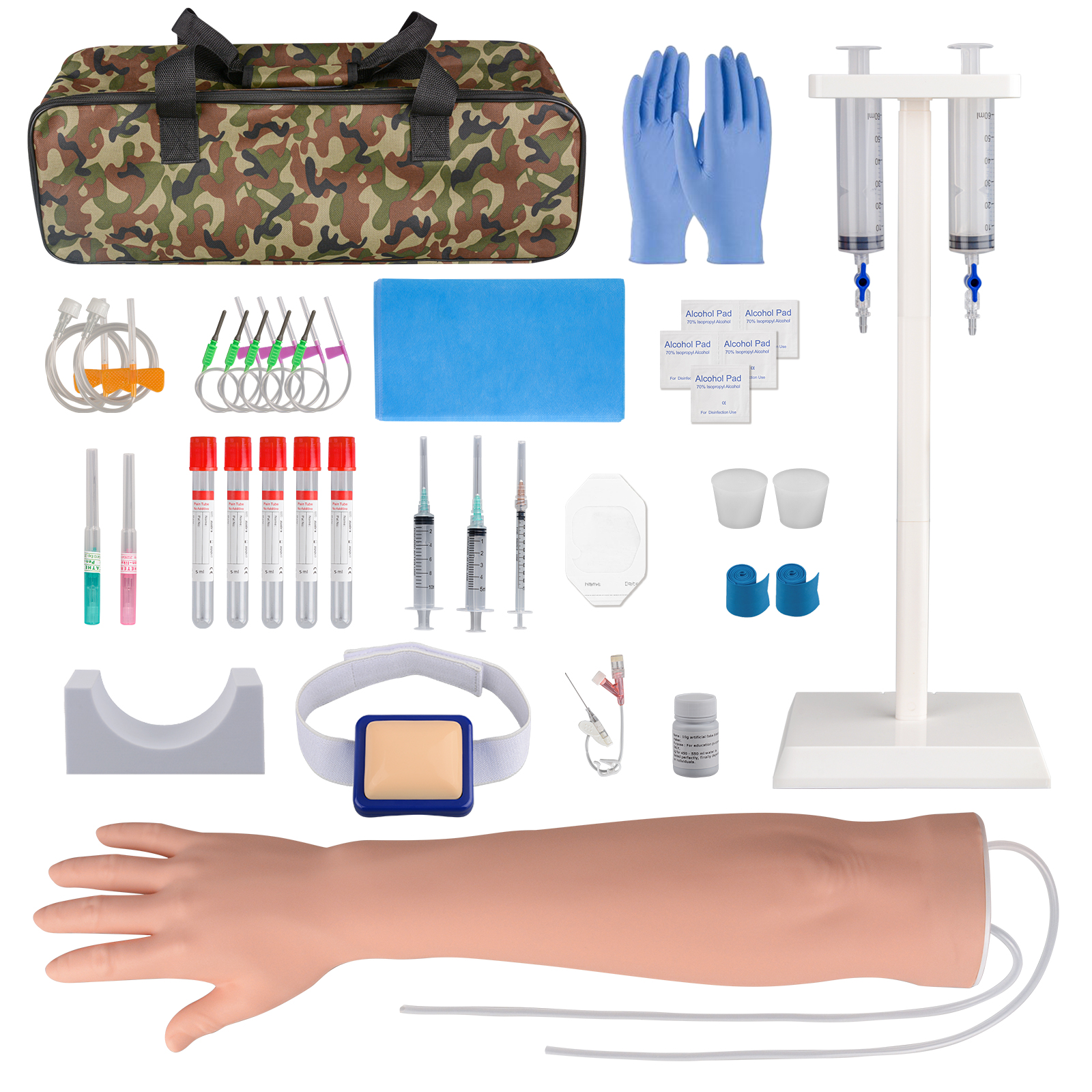
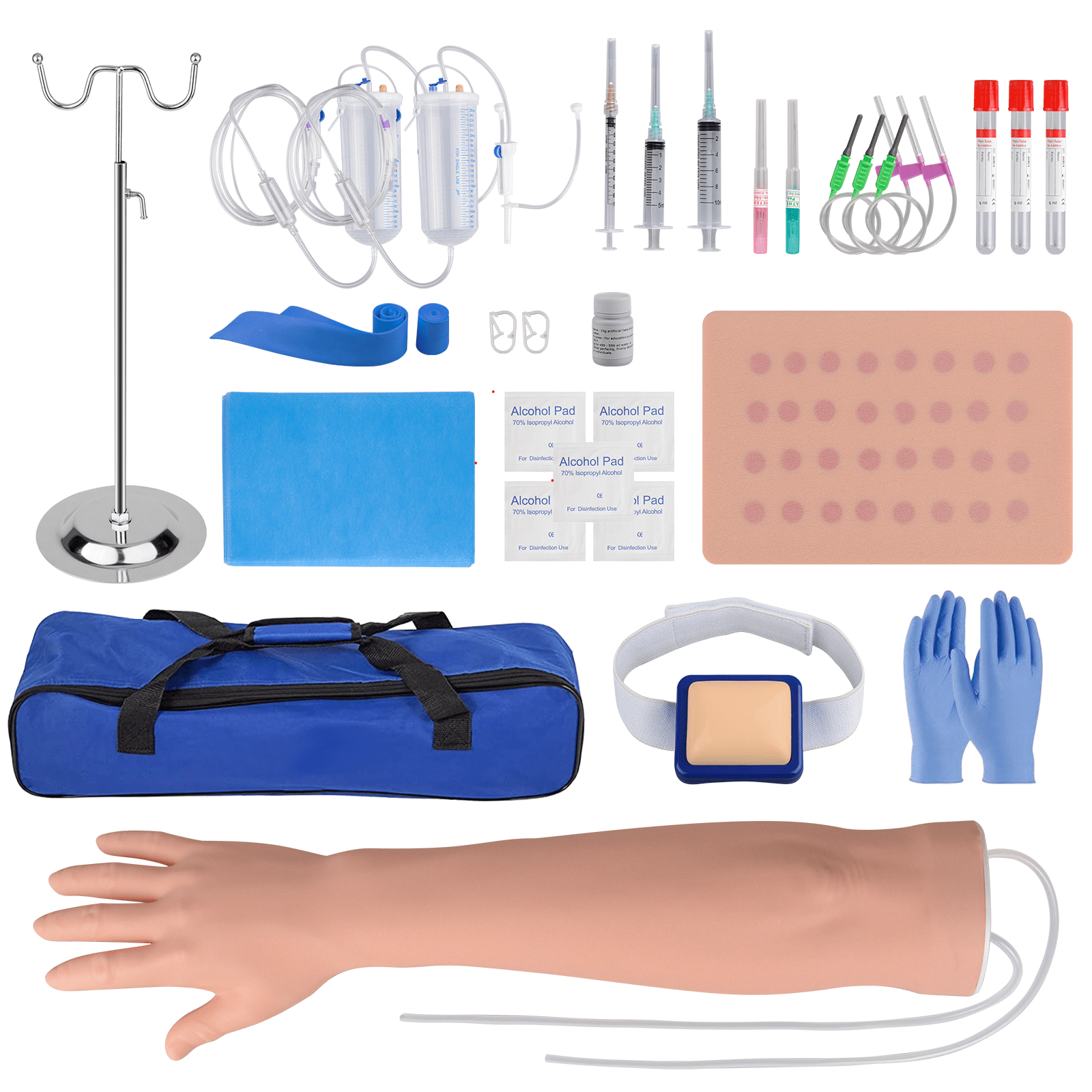
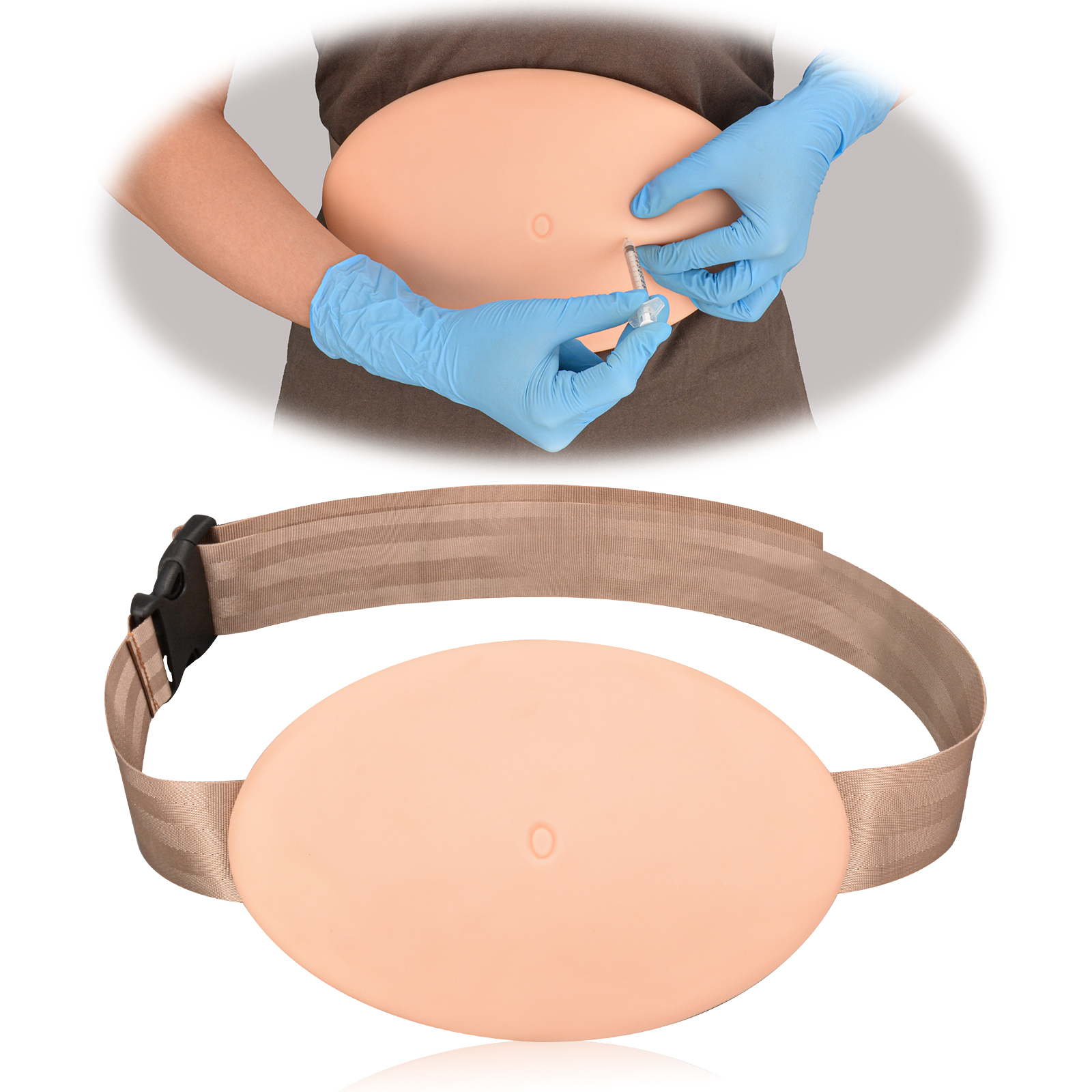
Still feeling unsure? Some people use silicone injection pads or practice models to build muscle memory before trying it on themselves.
Preparation Before Injection
Before jumping into the actual injection, take a minute to get into the right mindset and environment. Here's how to prepare:
- Choose a calm, quiet spot where you won’t be interrupted.
- Wash your hands again—cleanliness is critical.
- Get comfortable, either sitting or standing.
- Identify a spot on your belly at least 2 inches away from your belly button.
- Clean the injection site with an alcohol swab and let it air dry completely.
How to Inject into Your Abdomen?
Ready? Take a breath—this is easier than you think.
1. Pinch a fold of skin and fat on your abdomen using your thumb and forefinger.
2. Hold the syringe like a pencil or dart, and position it at a 90-degree angle (or 45 degrees if you're very thin).
3. In one smooth, confident motion, insert the needle all the way in.
4. Slowly push the plunger until all the medication is in.
5. Remove the needle at the same angle, and gently press the site with gauze.
Done. You just gave yourself a shot—it's really that simple.
What Will Happen If I Get a Shot in the Wrong Place?
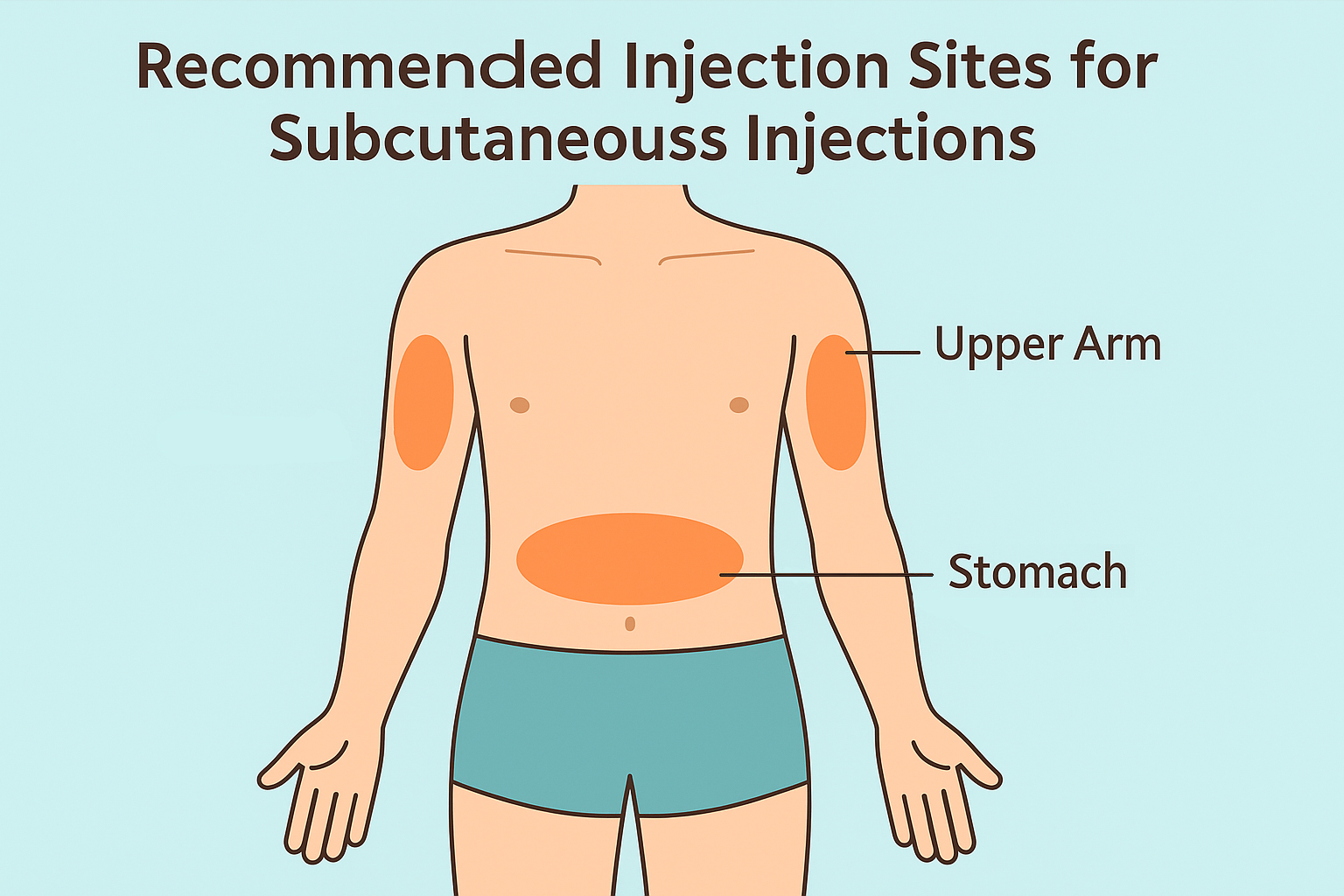
While it's important to inject in the right area, making a mistake with your injection site is usually not a big issue. However, injecting it in the wrong spot can cause some problems. For example, if you inject into the muscle instead of under the skin, it may be more painful, and the medication might not work as effectively. Injecting into areas with too much scar tissue or near sensitive spots could also lead to irritation, lumps, or bruising.
The good news is that as long as you follow the correct injection sites, like the stomach, thigh, or upper arm, you should be fine. With a little practice, you’ll become more skilled at finding the right spots for your injections.
Common Mistakes to Avoid
Here are a few rookie mistakes that are easy to avoid with a little awareness:
- Using the same injection site repeatedly (rotate each time!)
- Forgetting to clean the skin before injecting
- Rushing through the process
- Reusing needles (please don’t!)
- Injecting too shallow or too deep
First-Time Abdominal Injection Tips
Still Feeling Anxious? Here Are Some Pro Tips from People Who’ve Been There:
- Practice first on a soft surface, like an abdominal injection model or a subcutaneous injection training pad.
- Use a mirror to guide yourself if you’re unsure about the injection spot.
- Take a few deep breaths beforehand to help calm your nerves.
- Consider joining an online forum or support group with others using the same medication.
- If you notice redness, lumps, or signs of an allergic reaction, contact your doctor right away.
You might feel clumsy or awkward at first—but your confidence will grow faster than you think.
Conclusion
Giving yourself a subcutaneous injection in the stomach might seem overwhelming at first—but like learning to drive or cook, it becomes second nature with a little practice.
You’re taking control of your health, which is something to be proud of. Go at your own pace, give yourself grace, and don’t be afraid to ask questions or seek help when needed.
Whether you’re using a prefilled pen or filling syringes yourself, you're not just injecting medication—you're building confidence, independence.