Want to learn how to become a professional piercer? In recent years, body piercing has grown from a niche trend into a widely recognized form of self-expression and body art. With the increasing demand in the industry, more and more people are looking to become professional piercers, and some even hope to open their own studios. Let’s take a look at how you can start your journey to becoming a skilled piercer.
What is a Body Piercer?
A piercer is a professional who has received specialized training to perform piercings on specific areas of the body using needles and other specialized tools, allowing clients to wear jewelry or other adornments. Piercers can work in professional studios or independently, providing services to clients for aesthetic, cultural, or personal expression purposes. As a piercer, you need to combine precise technical skills with careful attention to detail to ensure that every piercing is performed safely, accurately, and efficiently.
The piercing industry is diverse, and clients may request anything from basic earlobe piercings to more creative and personalized options, such as ear cartilage, nose, eyebrows, lips, navel, or even intimate piercings. A qualified piercer must not only master the technical skills but also understand human anatomy, strictly follow hygiene and sterilization protocols, and provide clients with comprehensive aftercare guidance.
Roles and Skills of a Piercer
Becoming a professional piercer requires more than just technical skills—it also involves knowledge and abilities in several key areas. Here are the main responsibilities and essential skills of a piercer:
1. Responsibilities
- Safe piercing practices: Ensure every piercing follows hygiene and safety standards to prevent infections or other risks.
- Client consultation and communication: Understand clients’ needs, recommend suitable piercing locations and jewelry, and help them make informed choices.
- Aftercare guidance: Provide clients with instructions for proper care after the piercing, including cleaning, sterilization, and recovery tips.
- Equipment and workspace management: Keep the studio clean, regularly disinfect tools and surfaces, and maintain a safe working environment.
- Record keeping and compliance: Document client piercing information and adhere to local laws, regulations, and health standards.
2. Skills
- Technical skills: Proficiently use needles, piercing tools, and various jewelry to ensure accurate and smooth piercings.
- Knowledge of anatomy: Understand the structure of different body parts to avoid damaging blood vessels, nerves, or other tissues.
- Hygiene and sterilization awareness: Master disinfection procedures, use of disposable materials, and cross-contamination prevention.
- Attention to detail: Notice subtle skin conditions, client reactions, and other details to make professional judgments.
- Communication and customer service: Listen carefully to client needs, provide professional advice, and build trust and satisfaction.
- Artistic sense and aesthetics: Have a good eye for jewelry placement, style, and overall appearance.
An excellent piercer is a combination of skill, knowledge, and artistry. They not only provide body piercing services but also ensure safety and professionalism for every client.
Training and Education Paths – Steps to Become a Body Piercer
If you want to become a professional piercer, you can follow these step-by-step guidelines:
1. Research and Learn About the Piercing Industry
- Learn about the different types of body piercings, techniques, trends, and career opportunities.
- Familiarize yourself with industry standards, safety regulations, and client expectations to gain a comprehensive understanding of the profession.
2. Meet Basic Requirements
- Make sure you meet age and education requirements; some areas may require you to be at least 18 years old or have a high school diploma.
- Maintain good health to safely handle piercing tools and procedures.
3. Find a Mentor and Start an Apprenticeship
- Find an experienced and reputable professional piercer to serve as your mentor. You can refer to resources and guidelines provided by the Association of Professional Piercers (APP) to understand recommended apprenticeship practices and industry standards.
- Begin practicing basic piercings under your mentor’s guidance, gradually mastering technical skills and client service.
- You may also choose to take body piercing training courses to learn basic piercing theory, human anatomy, hygiene and sterilization standards, and to develop piercing skills in a more structured way.
4. Complete Health and Safety Training
- Attend necessary training courses, such as Bloodborne Pathogens (BBP) training, hygiene and sterilization, and first aid courses.
- Learn proper sterilization methods, piercing procedures, and risk management techniques.
5. Accumulate Apprenticeship Hours
- Complete the required apprenticeship hours under supervision, starting with simple piercings and gradually moving to more complex procedures.
- Keep detailed records of your work, note any issues, and continuously review and improve your skills.
6. Obtain Necessary Licenses or Certifications (if required)
- Apply for a piercing license or relevant professional certification according to local regulations.
- Ensure that you comply with local laws and hygiene standards before practicing independently.
By systematically following these steps and gaining hands-on experience, you can grow from a beginner into a safe, professional, and artistic piercer.
Career Development and Tips
Becoming a qualified piercer is just the first step, continuously improving your skills and expanding your career opportunities is just as important. Here are some practical tips:
1. Gain Hands-On Experience
- Start with basic piercings and gradually move on to more challenging areas such as ear cartilage, nose, eyebrow, navel, and Christina piercing.
- The general difficulty ranking of piercing locations is: Earlobe > Nose > Eyebrow > Tongue > Navel > Nipple > Genitals > Christina piercing.
- Practice under the supervision of a mentor or experienced piercer to ensure every procedure is safe and precise.
- Keep a record of your practice experiences and client feedback, and regularly review and improve your skills.
2. Build Your Personal Brand and Client Base
- Use social media to showcase your work and professional image, attracting potential clients.
- Provide professional and patient customer service to build trust, reputation, and referrals.
- Consider opening your own studio or joining a reputable tattoo/piercing studio to gain more experience and exposure.
3. Continuous Learning and Professional Growth
- Learn new piercing techniques, materials, and jewelry combinations to stay up-to-date with industry trends.
- Attend workshops, training courses, and professional conferences to broaden your knowledge and network with other piercers.
- Improve your artistic sense and knowledge of human anatomy to ensure that your piercings are both safe and aesthetically pleasing.
4. Focus on Safety and Legal Compliance
- Always follow hygiene, safety, and legal regulations to ensure your practices are compliant.
- Regularly update your health and safety training and professional certifications to maintain your qualifications.
Networking and Resource Utilization - Join industry associations or communities, such as the Association of Professional Piercers (APP), to access the latest news and career opportunities.
- Connect with other piercers to share experiences and learn how to solve practical challenges encountered during procedures.
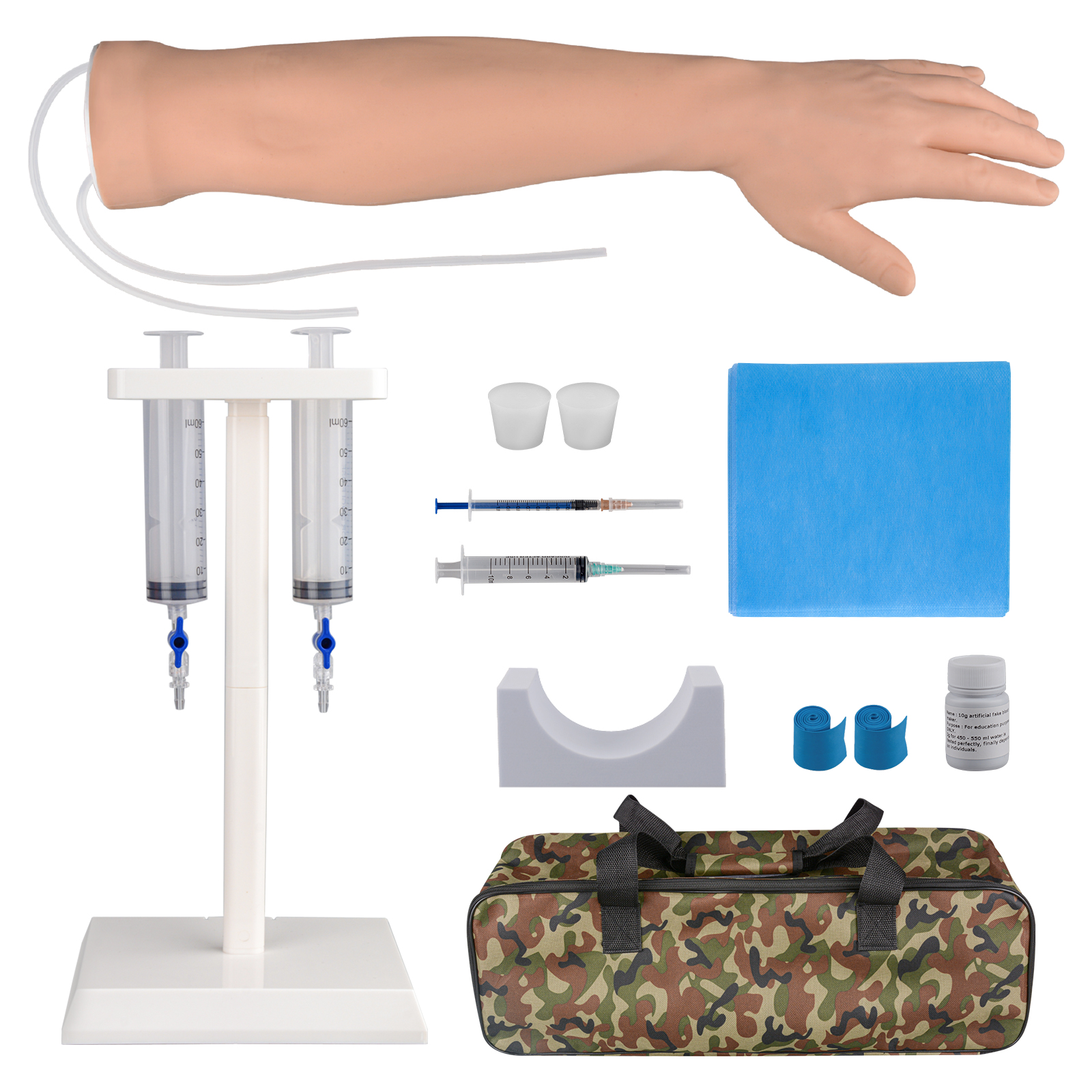
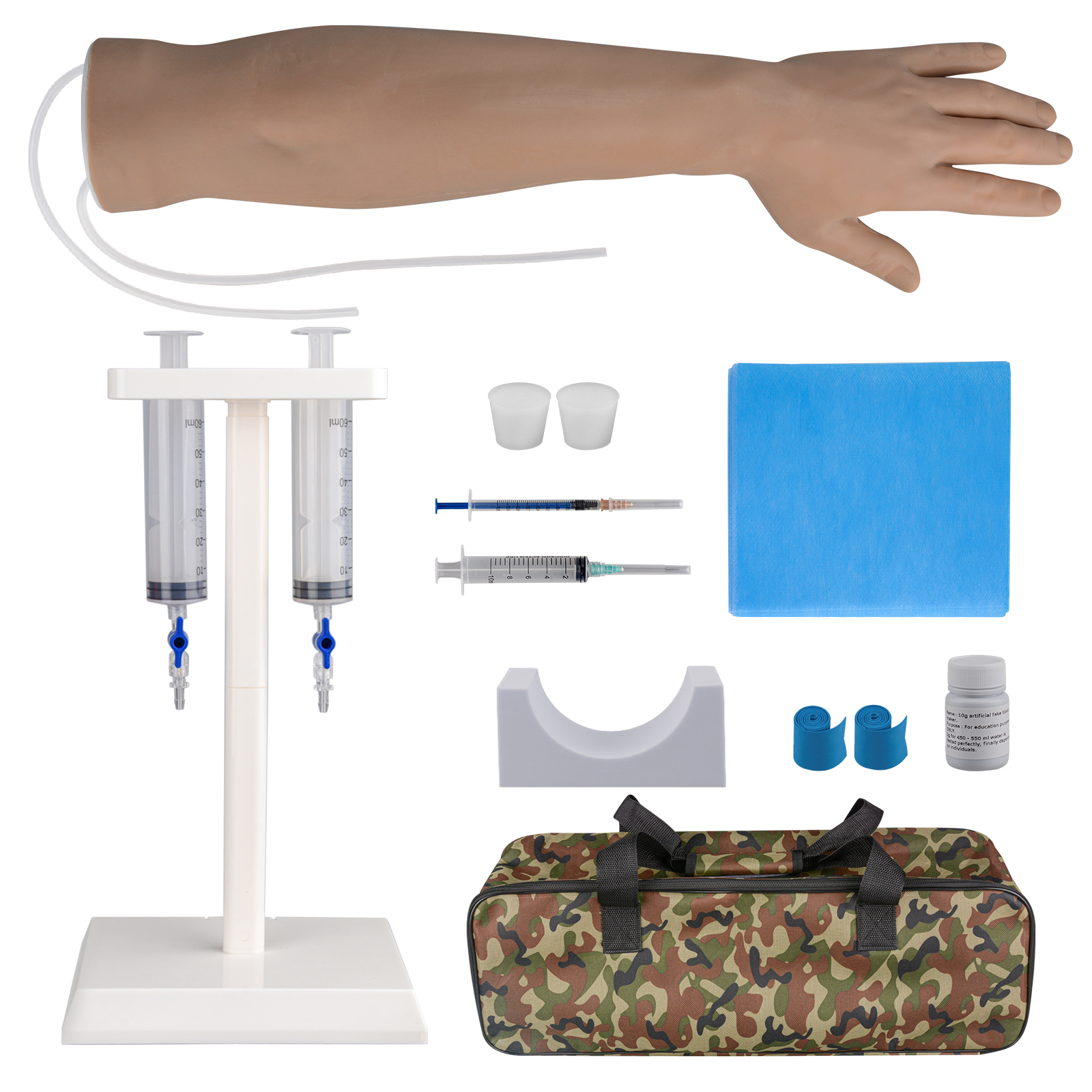
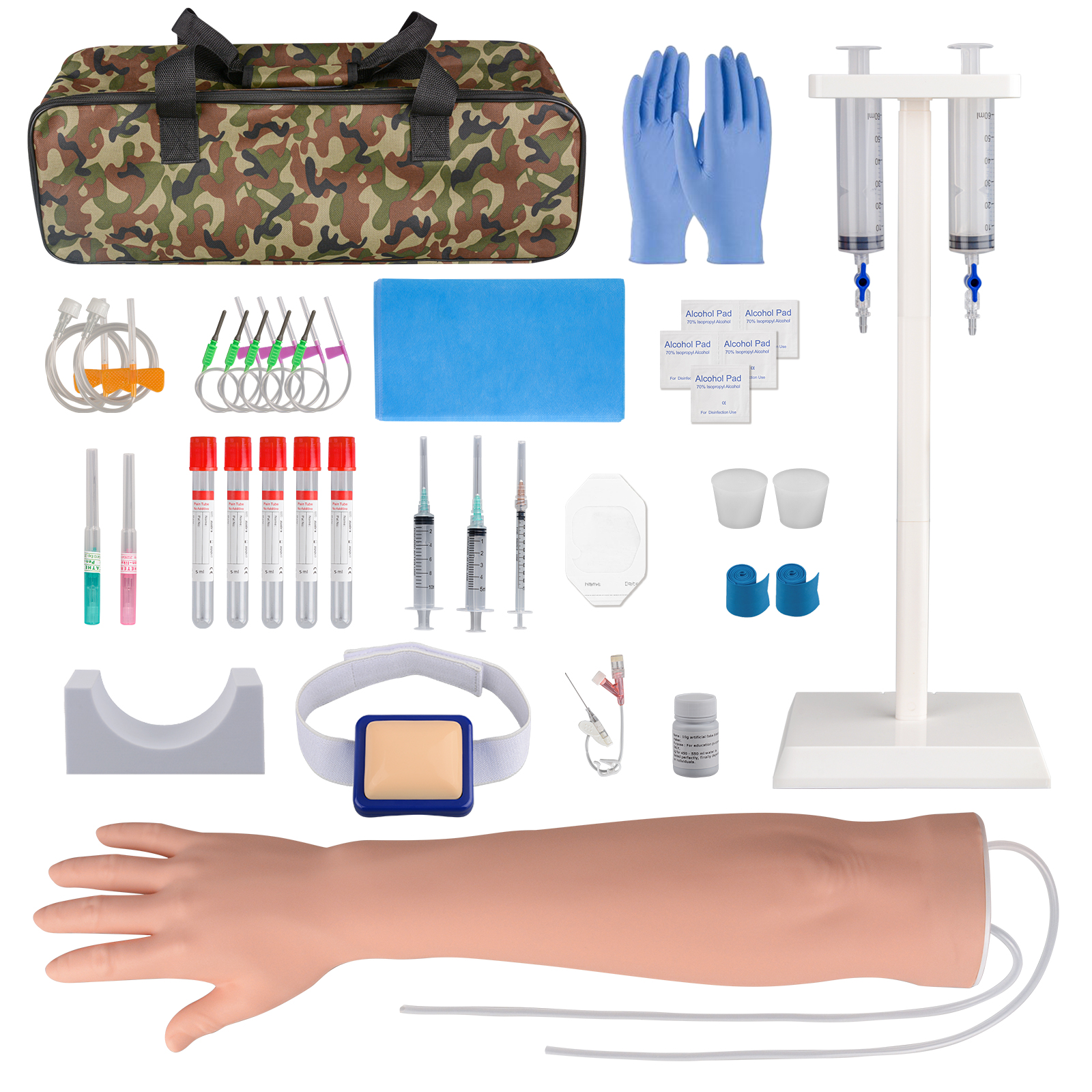
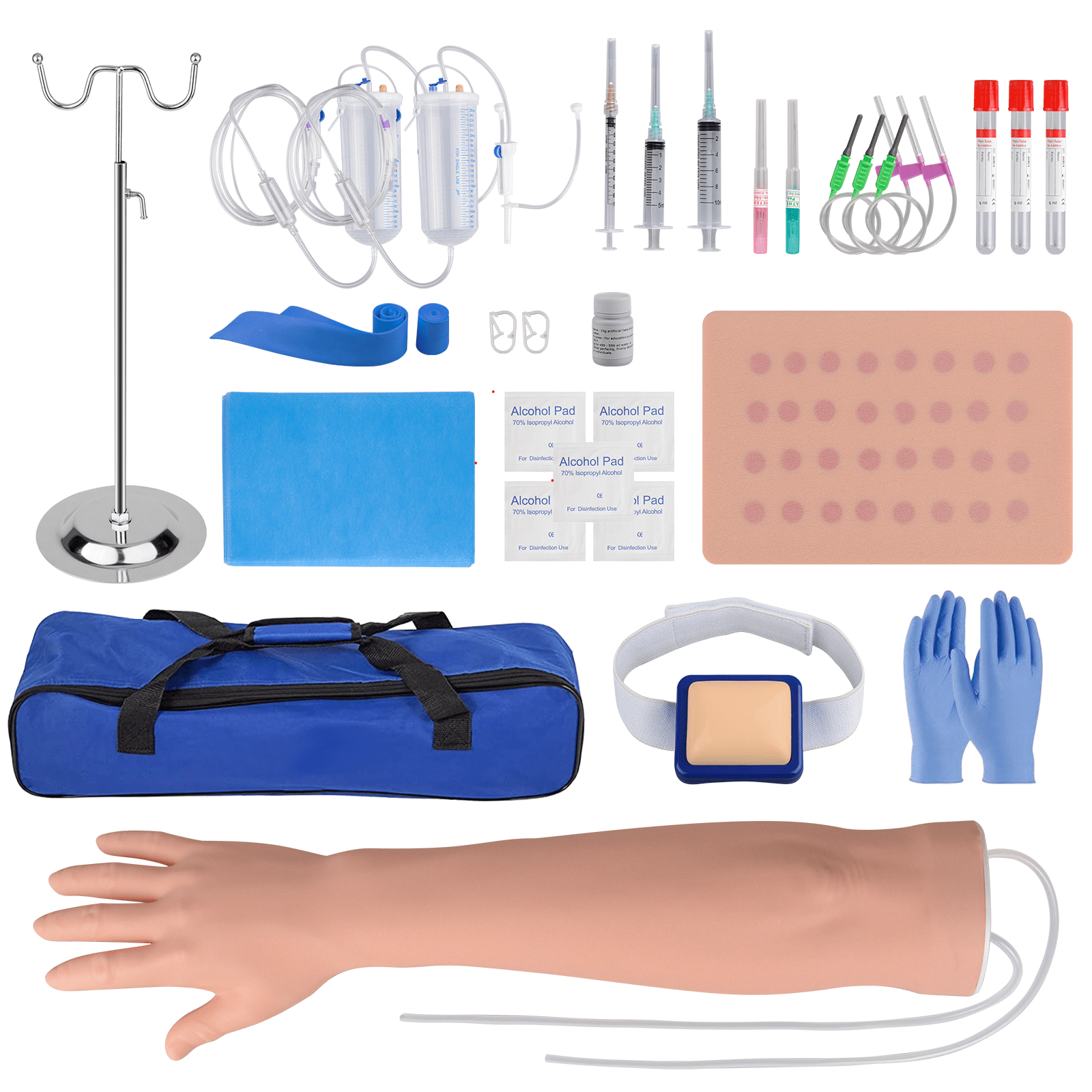
SimCoach Piercing Practice Models Recommended

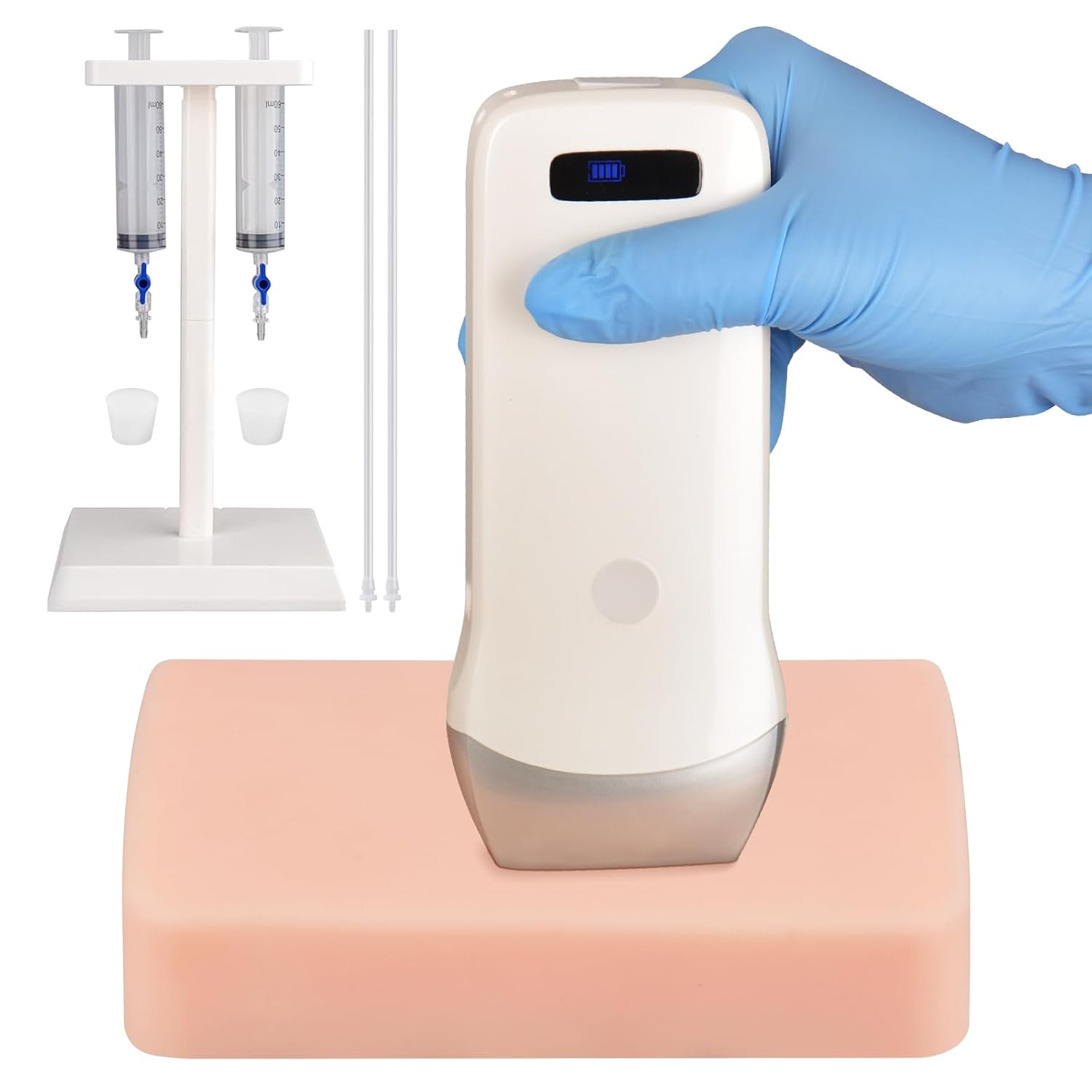
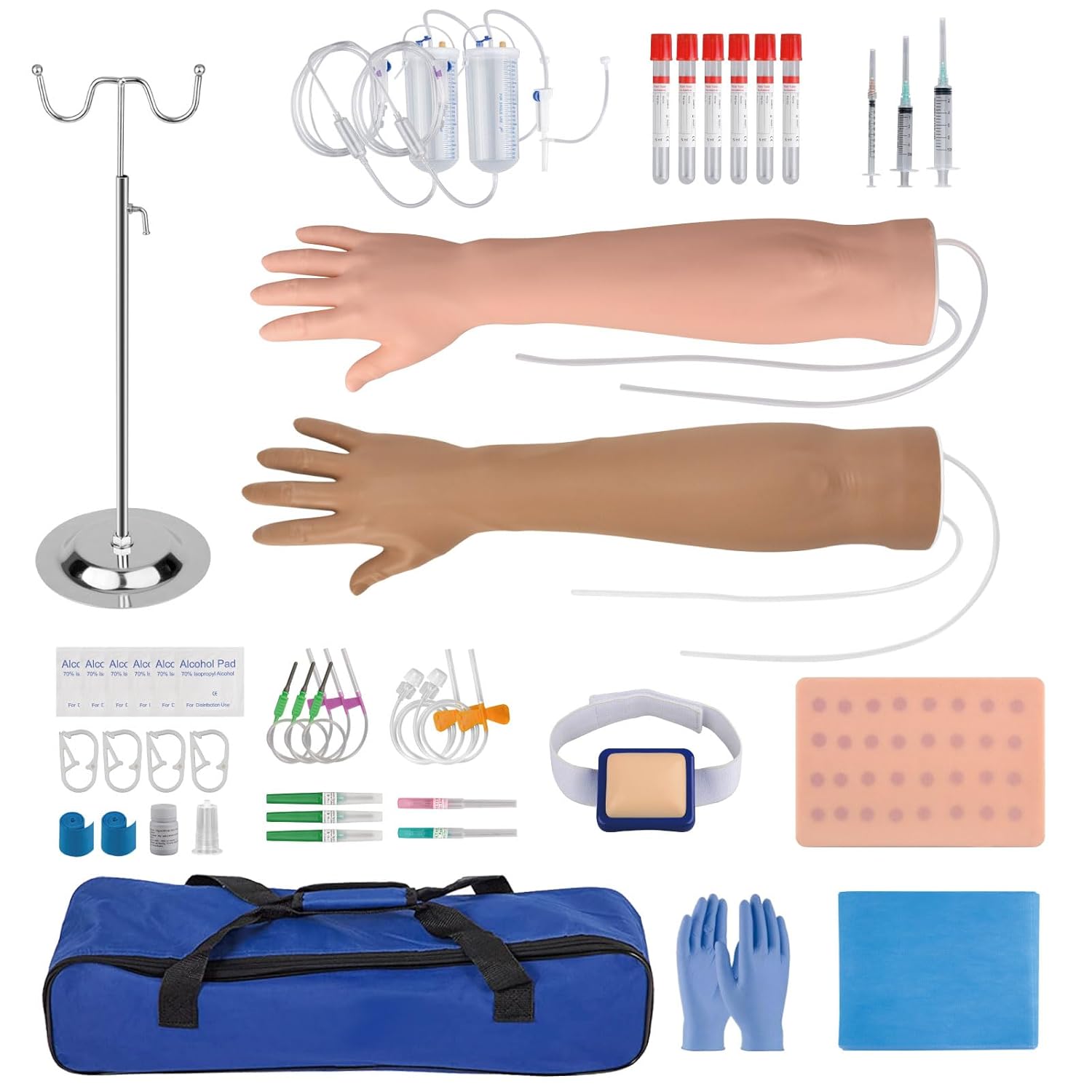
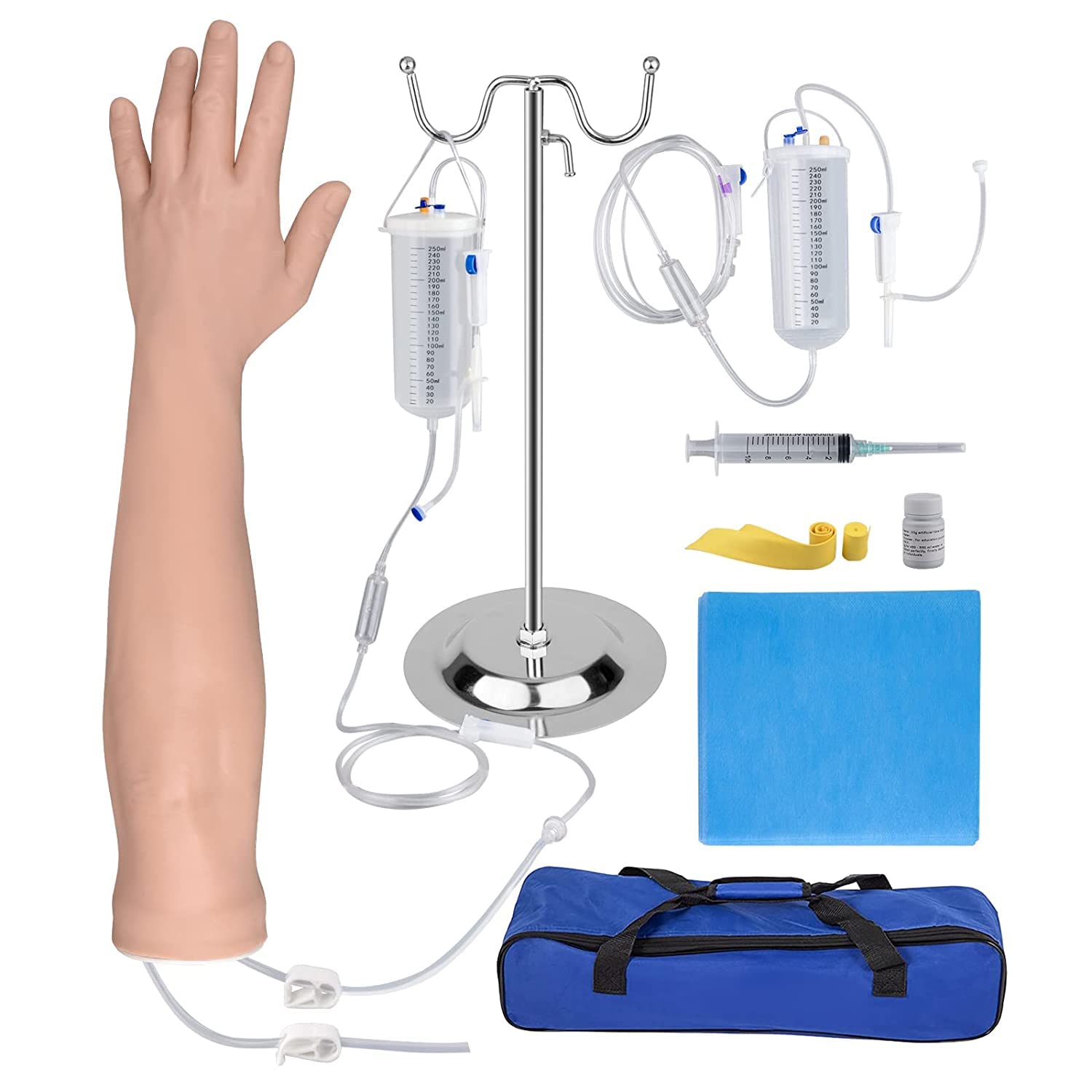
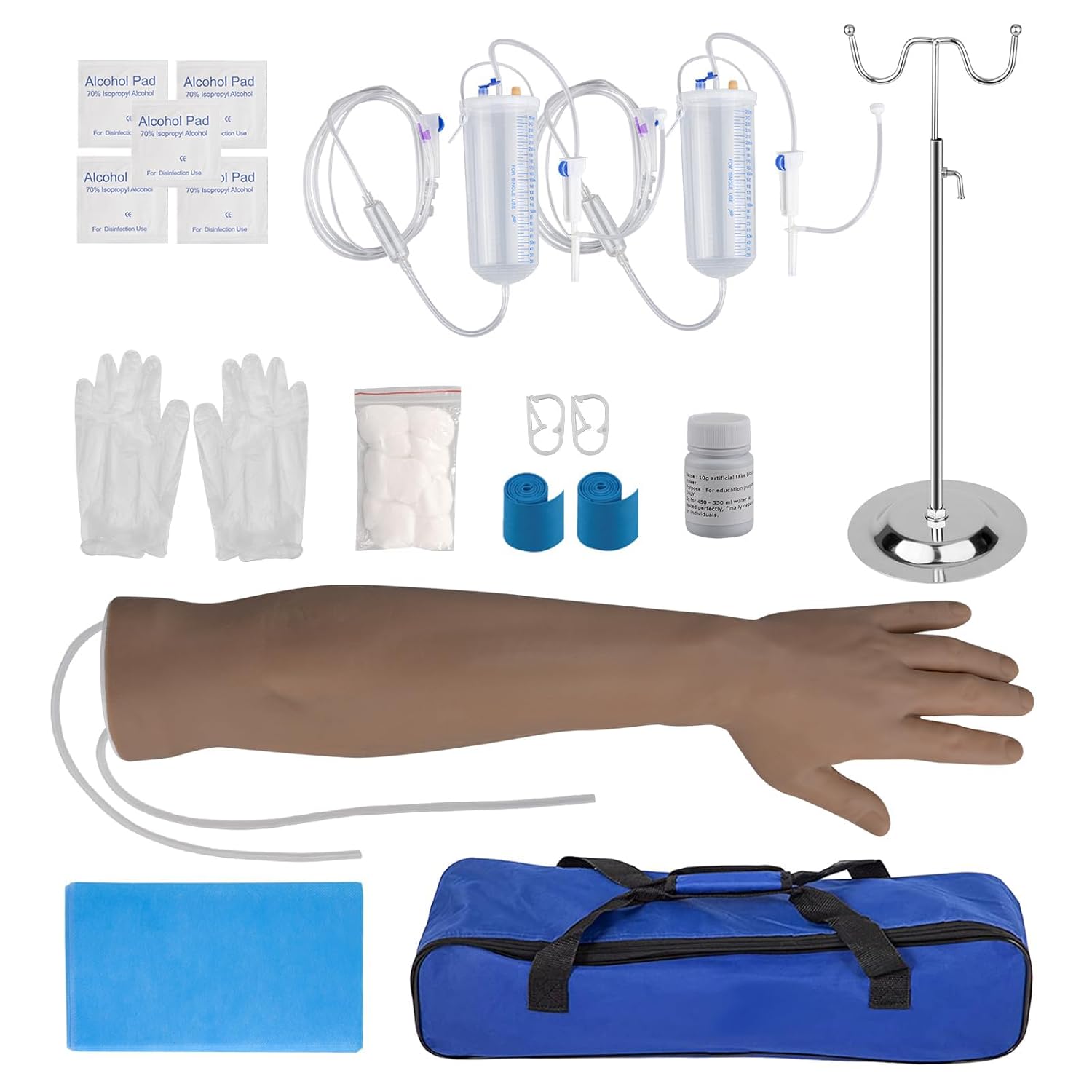
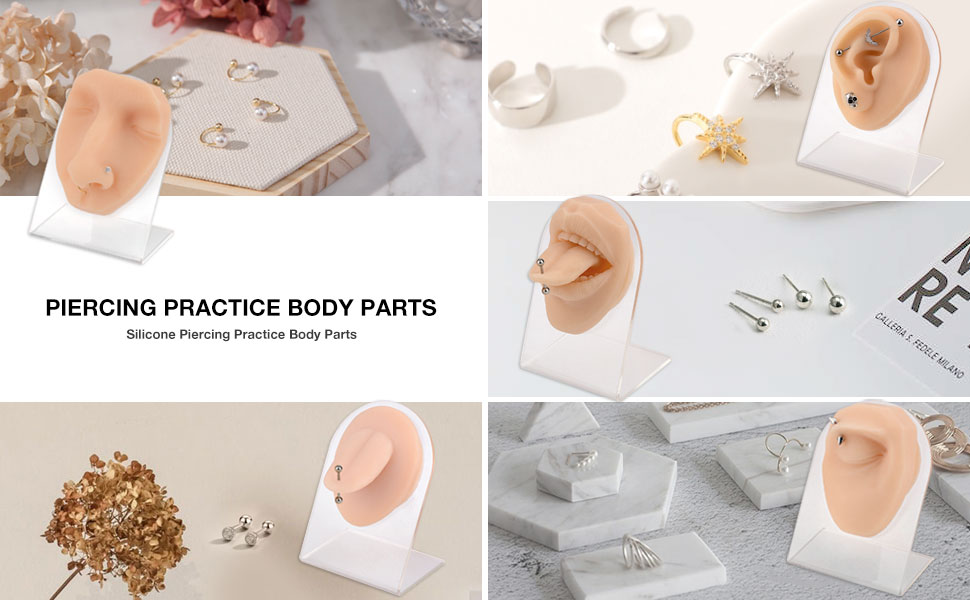
SimCoach's silicone piercing body parts are designed for apprentices and beginners, allowing you to practice piercing skills in a safe and controlled environment.
Key Features:
- Made of high-quality, realistic silicone that feels like real skin
- Supports practice on earlobes, ear cartilage, nose, eyebrows, lips, navel, and more
- Safe and risk-free, can be used repeatedly
- Easy to clean and maintain, suitable for training classes or personal practice
- Can be used for both piercing practice and displaying jewelry
💡 Practical Tip: Start by practicing basic needle techniques and angles on the model, then gradually try more complex areas under the guidance of a mentor to improve your skills and confidence.
Frequently Asked Questions
Q: Do piercers make good money?
A: The income of a piercer varies depending on experience, location, clientele, and whether you work in a studio or independently. For example, piercers in Los Angeles or New York with high demand for body piercing generally earn more than those in Des Moines, Iowa. Entry-level piercers or apprentices may earn modestly while gaining experience, but skilled and reputable piercers can earn a comfortable income. Running your own studio or offering specialized or high-demand piercings can further increase earning potential.
Q: How long does it take to become a piercer?
A: It usually takes about 6 months to 2 years to complete an apprenticeship and gain enough hands-on experience. Some people may need extra time for safety training, certifications, and practicing more advanced piercings.
Q: Where can beginners get practice opportunities?
A: Beginners can gain hands-on experience through apprenticeships under experienced piercers, joining body piercing training courses, or practicing on piercing practice models.
Summary
Ready to become a professional piercer? Take your first step today! SimCoach piercing practice models will be your ideal partner for practicing skills and building confidence.