What is Intravenous (IV) Injection?
Intravenous (IV) injection is a method of delivering fluids, medications, and nutrients directly into the bloodstream via a needle inserted into a vein. It is one of the most commonly used techniques in medical practice due to its efficiency in rapid drug administration. IV injections are essential for hydrating patients, delivering life-saving medications, and providing nutrition to those who cannot take oral medications. There are various IV access points, including hand IV sites, which are the most commonly used IV sites because it is both accessible and easy to inject.
Most Common Hand IV Injection Sites
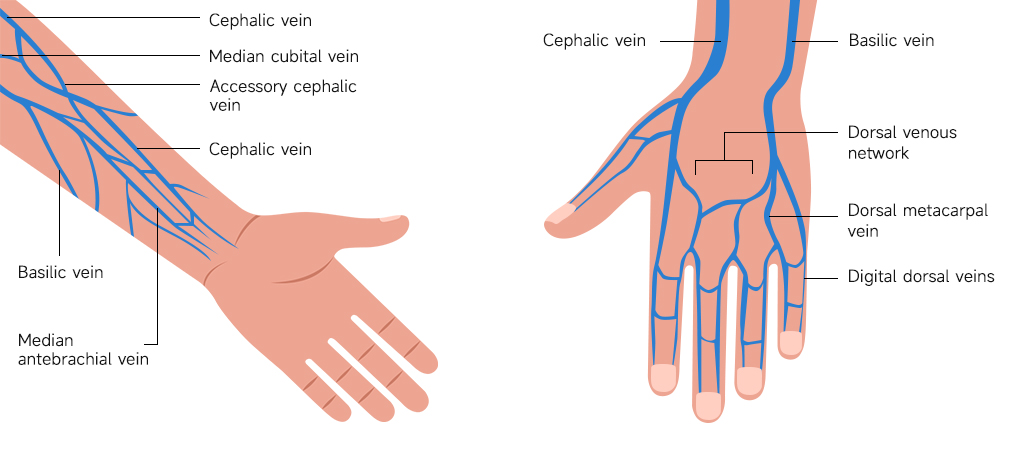
Hand IV sites are often chosen for their accessibility and ease of use, particularly in patients with veins that are easily visible and palpable. These sites are typically located in the dorsal and palmar veins of the hand. The most commonly used hand veins for IV access are the cephalic, basilic, and dorsal veins.
Choosing the appropriate hand IV site involves considering several factors, including vein visibility, patient comfort, and the type of fluid or medication to be infused. In general, veins on the back of the hand are preferred due to their larger size and ease of access, while veins on the palm are generally avoided due to their smaller size and proximity to sensitive areas such as the nerves and tendons.
Hand IV Sites for Adults
For adults, hand IV sites are a popular choice when peripheral veins are preferred over larger veins found in the arm or neck. The cephalic and basilic veins on the dorsal surface of the hand are the primary choices for IV access in adults. These veins are clearly visible and easily palpable, which makes them suitable for short-term and emergency access.
However, the use of hand veins in adults comes with its challenges. For example, hand veins are generally smaller and more mobile than veins in other areas of the body, which can make insertion more difficult. Additionally, hand veins are often more prone to complications such as irritation, infiltration, or thrombophlebitis, particularly when the IV is left in place for a prolonged period.
Hand IV Sites for Infants
In infants, hand IV sites are often used when other options, such as veins in the scalp or feet, are not accessible. Infant hand veins are much smaller and more delicate, which requires careful selection and technique during insertion. The dorsal veins of the hand are typically used, but due to the fragility of these veins, only short-term access should be attempted at these sites.
Because infants have thinner skin and smaller veins, extra caution is needed to avoid accidental arterial puncture or vein collapse. Additionally, due to the smaller blood volume in infants, special attention should be given to administer the correct fluid volume and maintain continuous monitoring to prevent complications.
Hand IV Sites for Pediatric Patients
Compared to the forearm or elbow, the hand is commonly chosen for IV insertion in pediatric patients due to its smaller and more accessible veins. However, pediatric veins are generally more challenging to access than adult veins. The dorsal hand veins are typically the first choice, but the veins in the wrist area and the forearm may also be used depending on the size and condition of the patient.
A key difference in pediatric patients is that their veins are often less visible and harder to palpate, which may result in repeated attempts by healthcare providers to insert the needle, causing discomfort or pain for the patient. Techniques such as applying a warm compress or using a vein finder may be necessary to identify suitable veins.
Hand IV Sites for Elderly Patients
Elderly patients present unique challenges when it comes to selecting hand IV sites. As people age, veins in elderly patients often become more fragile, less elastic, and prone to collapse. Therefore, finding a suitable IV site on the hand may be more difficult, and care must be taken to avoid veins that are thin or fragile.
The cephalic and basilic veins are often used, but other veins such as the veins on the back of the hand may also be accessed with proper technique. Additionally, it is essential to monitor these veins closely, as elderly patients are at higher risk for developing phlebitis and other complications from prolonged IV use.
Factors to Consider When Choosing the Best Hand IV Site
When choosing a hand IV site, there are several factors to consider to ensure the success and comfort of the procedure. These factors include:
1. Vein Visibility and Palpability: The vein should be easy to see and feel. It should be straight, large enough for the IV catheter, and positioned where it won’t easily move.
2. Patient Condition: The patient's age, skin condition, and overall health can affect the choice of hand IV site.
3. Type of Medication or Fluid: Certain medications may require larger veins to ensure safe and effective infusion.
4. Duration of IV Access: For short-term use, hand veins are a good choice, but for long-term use, more durable veins like the basilic and cephalic veins are preferred.
Common Errors in Hand IV Insertion and How to Avoid
Improper hand IV injection can lead to complications such as catheter displacement or dislodgement, vascular damage, local leakage, or phlebitis. Healthcare professionals must avoid several common mistakes:
- Choosing the Wrong Vein: Selecting a vein that is too small, fragile, or difficult to access can result in failed attempts, pain, or complications.
- Incorrect Insertion Angle: Inserting the needle at the wrong angle can cause it to miss the vein, leading to extravasation or infiltration. The correct angle for venipuncture is typically between 15 and 30 degrees.
- Failure to Secure the Catheter: If the IV catheter is not properly secured, it can move or become dislodged, which may lead to discomfort or complications.
To avoid these errors, it is essential to practice good technique, use proper tools, and carefully assess the patient’s anatomy and needs before choosing a site.
Comparing Hand IV Sites with Other Common IV Insertion Points
Hand IV sites are not the only option for IV access. Other common sites include the forearm, antecubital fossa (elbow area), and even the jugular or subclavian veins for central access. Each site has its advantages and disadvantages:
- Hand IV Sites: They are quick to access and ideal for short-term infusions but may be uncomfortable for long-term use.
- Forearm IV Sites: These veins are generally larger and more durable, making them suitable for longer infusions.
- Antecubital Fossa: The veins in this area are large and easily accessible but are typically used for more critical or central venous access.
In conclusion, hand IV sites are an essential part of intravenous therapy, particularly for short-term or emergency access. By understanding the different hand IV sites for different patient populations, assessing the best insertion sites, and avoiding common errors, healthcare professionals can ensure safe and effective IV administration.
Conclusion
Choosing the right hand IV site is crucial for ensuring successful intravenous therapy. Whether in adults, infants, children, or elderly patients, each demographic has unique considerations when selecting the ideal vein. Factors such as vein size, skin condition, and the specific medication being administered must all be taken into account. By understanding the common errors that can occur and following proper techniques, healthcare providers can minimize complications and enhance patient comfort.
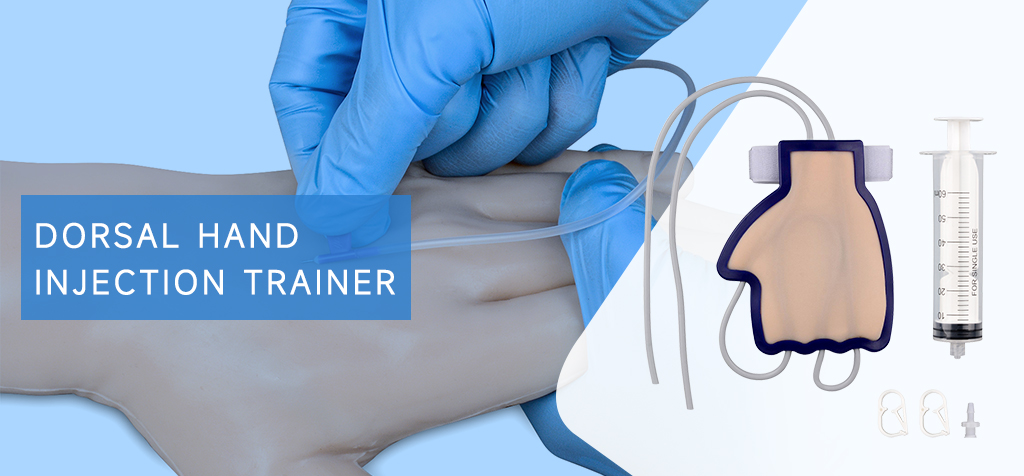
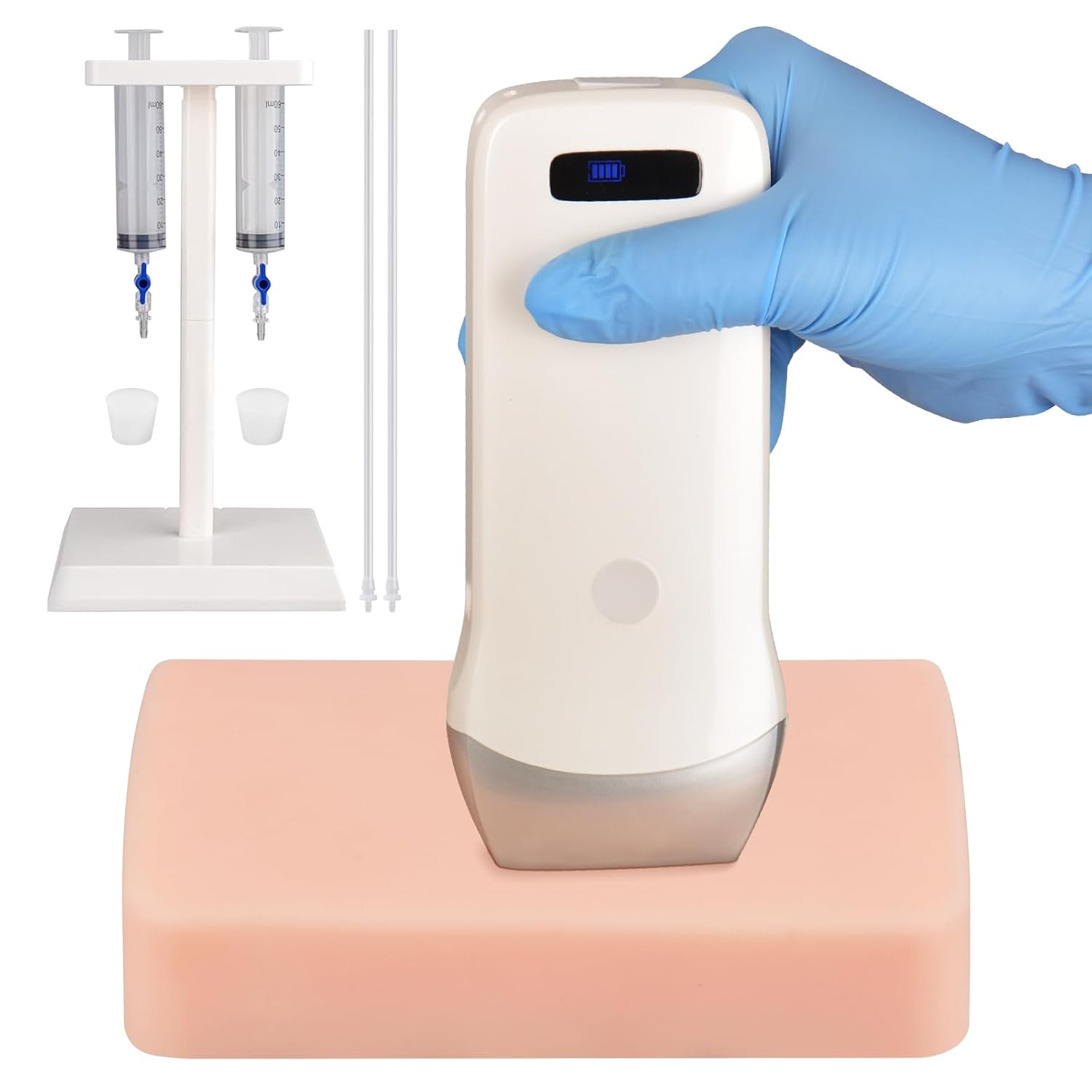
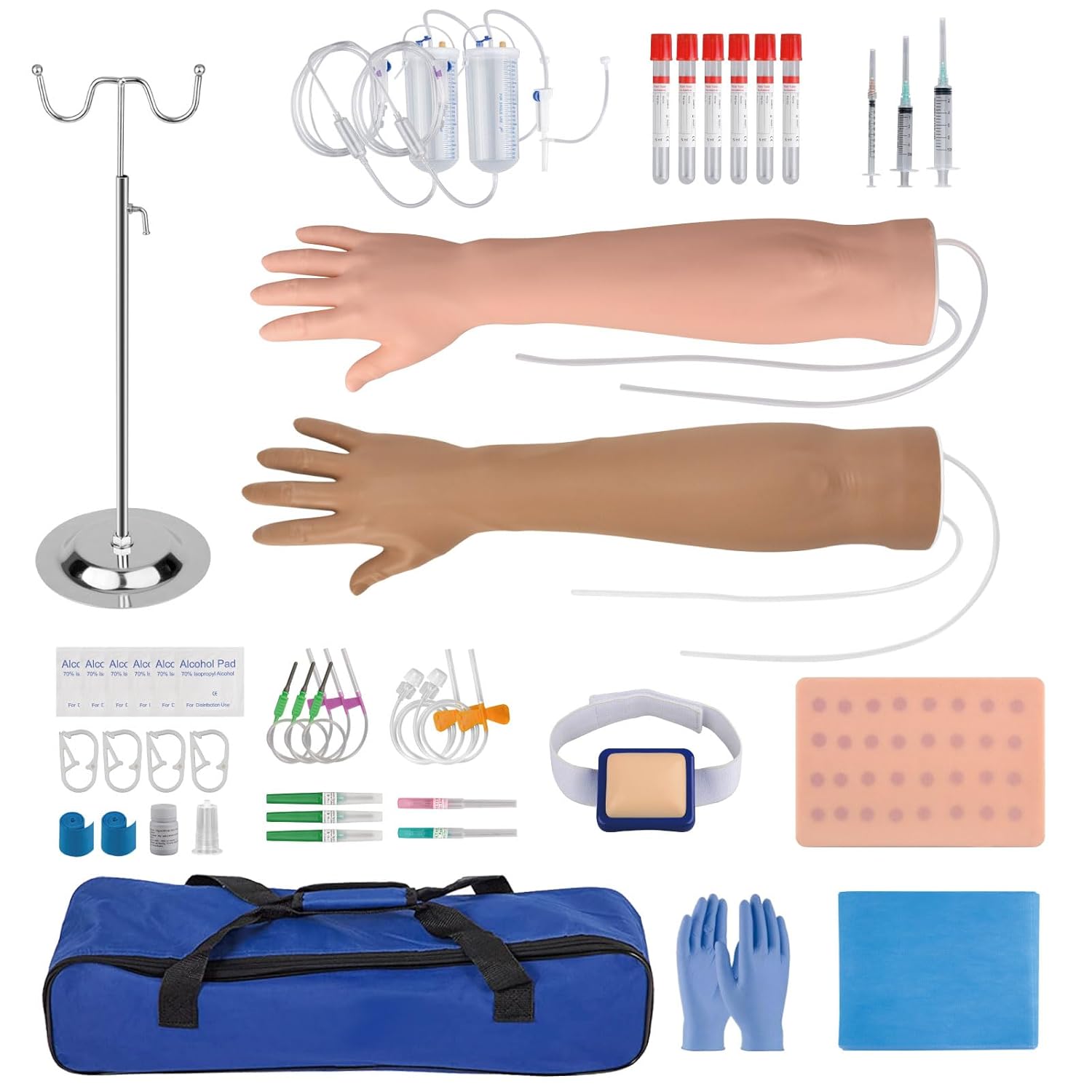
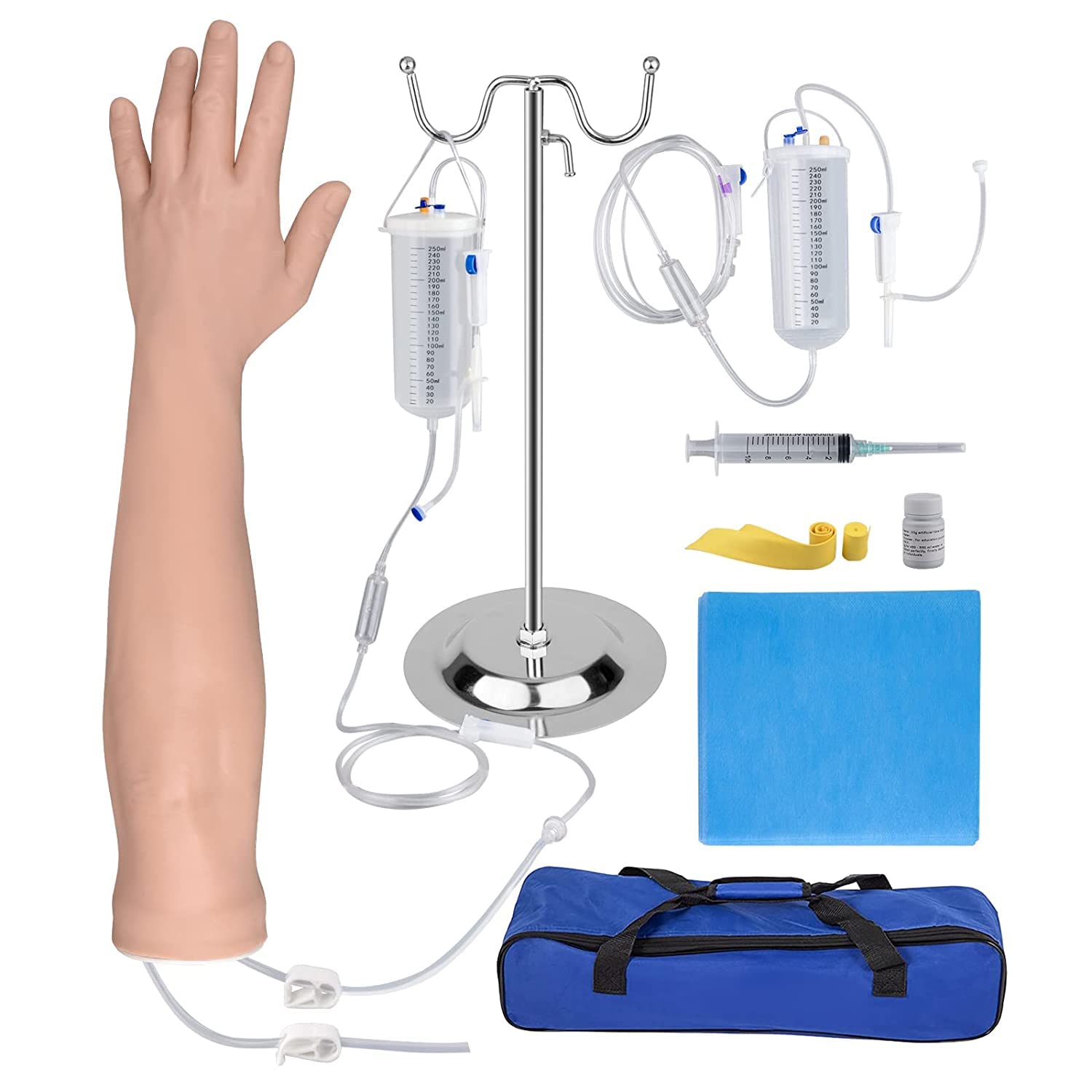
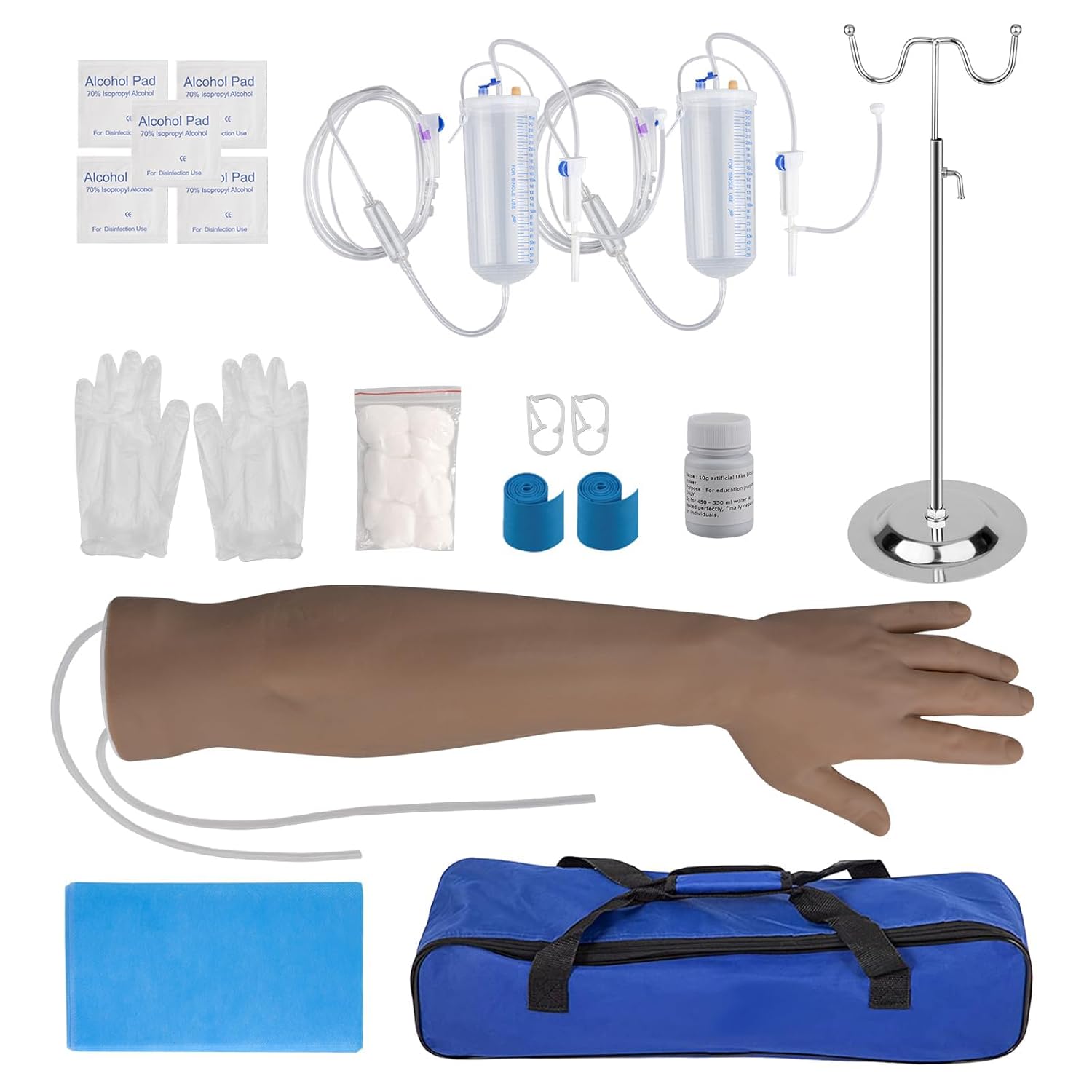
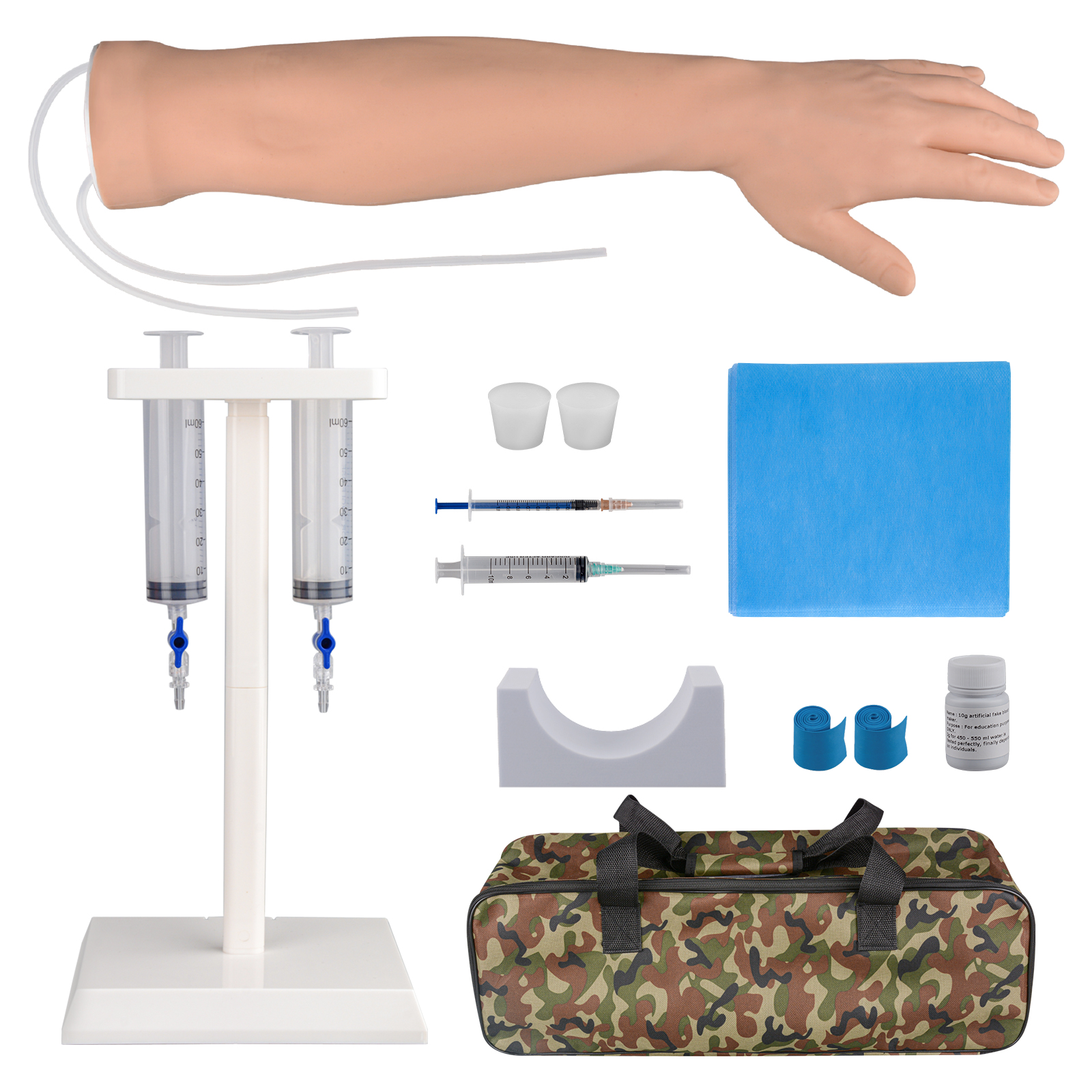
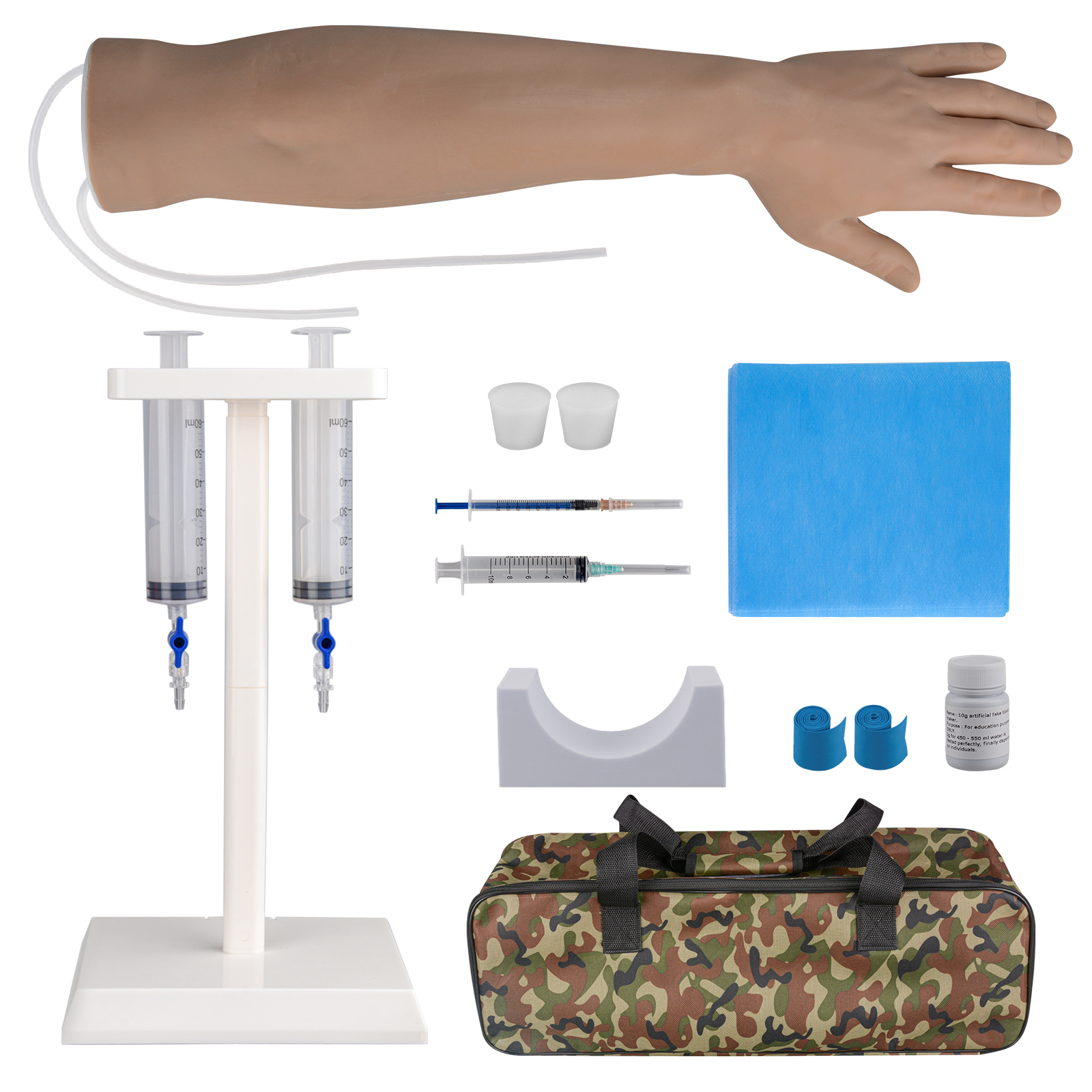
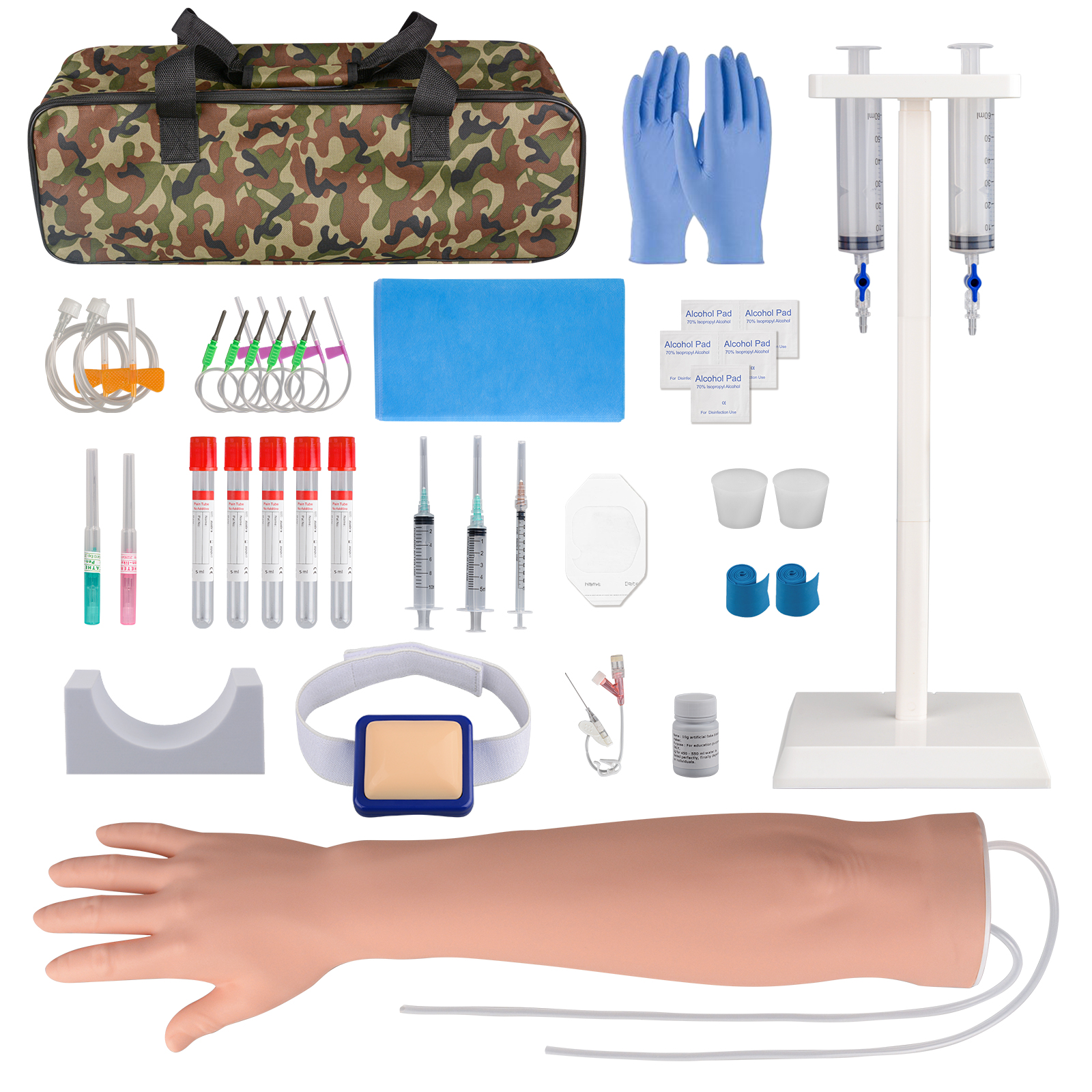
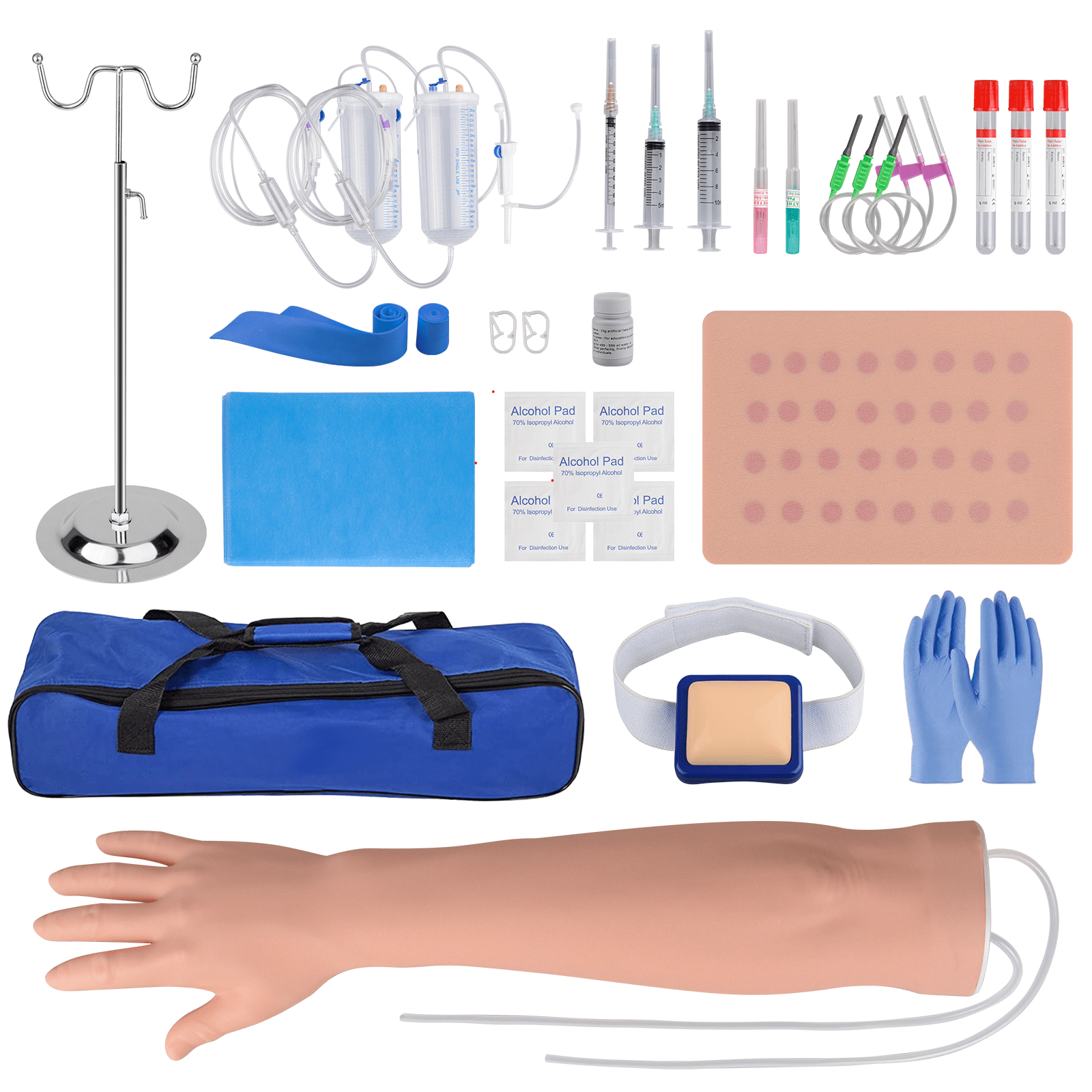
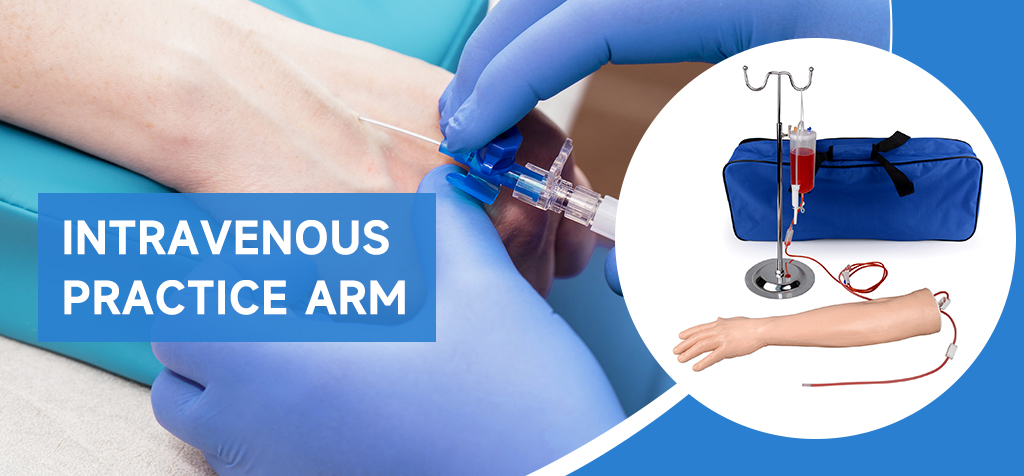
For those looking to improve their IV insertion skills, IV arm for injection practice offer an excellent way to gain hands-on experience. These injection trainning models replicate the veins and skin conditions of real patients. Using them to train can help healthcare professionals practice and master intravenous injection techniques and ensure they are well-prepared for any situation during IV therapy.