Introduction
Thinking about starting a career in healthcare but not sure where to begin? Becoming a phlebotomist is one of the fastest and most accessible ways to get started. Why is phlebotomy important? Phlebotomists draw blood samples for testing, diagnosis, treatment, and donation. They play a key role in the medical system, and the job comes with short training time, low entry barriers, and strong job demand.
So, how long for phlebotomy training to become a phlebotomist? This guide will walk you through every step.
How Long for Phlebotomy Training: Overview
Training for a phlebotomist usually requires 4 to 12 weeks. The exact training time depends on the type of program you choose (online or in-person), whether it includes clinical practice, and if you plan to get nationally certified.
Here’s a comparison of some common training options:
| Training Type | Duration | Best For |
| Online Training Courses | 4–8 weeks | Those seeking quick entry and flexible schedules |
| Community College Certificate | 6–12 weeks | Learners who prefer in-person classes and hands-on practice |
| Associate Degree (with Phlebotomy focus) | 1–2 years | Those planning long-term medical careers and broader opportunities |
Types of Phlebotomy Training Programs
1. Online Training Courses
These courses are flexible and fast, ideal for adults who want to study while working. The curriculum usually covers anatomy, infection control, and blood-drawing techniques. Some programs also ship practice kits or offer clinical externship opportunities.
- Pros: Saves time and cost; most coursework can be done from home
- Cons: May lack hands-on guidance; some states or regions might not accept purely online programs
- Note: If you plan to take a U.S. national certification exam (like NHA), make sure to choose a program approved by recognized accrediting bodies.
2. Community College Certificate Programs
These programs combine classroom instruction with clinical practice, usually offered by local community colleges, adult education centers, or vocational schools. They typically last 6–12 weeks, with instructors guiding hands-on training, making them suitable for beginners.
- Pros: Hands-on practice, stable learning environment, some programs offer financial aid
- Cons: Fixed schedules, require on-site attendance
- Note: These programs are accepted in most U.S. states and allow direct access to certification exams and employment.
3. Associate Degree Programs
Designed for students aiming for a long-term career in healthcare. Phlebotomy courses are part of broader medical-related associate degrees (e.g., medical technology, nursing). These programs usually take 1–2 years and offer a more comprehensive curriculum.
- Pros: Higher academic credentials, easier to advance career later
- Cons: More expensive and time-consuming; not designed for quick job entry
How to Prepare to Become a Phlebotomist
To become a qualified phlebotomist, you can follow these five steps. Typically, the entire process, from starting training to earning certification, takes anywhere from 3 to 12 months, depending on the type of program you choose, whether it includes clinical practice, and your personal pace.
Step 1: Meet Basic Education Requirements
Most training programs require a high school diploma or GED. Some may also require background checks or drug testing.
Step 2: Choose an Accredited Training Program
It’s recommended to select programs accredited by one of these organizations:
- NHA (National Healthcareer Association)
- ASCP (American Society for Clinical Pathology)
- AMT (American Medical Technologists)
Training programs recognized by these bodies generally meet state employment requirements across the U.S.
Step 3: Complete Coursework and Hands-On Practice
Phlebotomy is not just theory — it relies heavily on practical skills.
Many programs require completing at least 30 venipunctures and 10 capillary punctures during training.
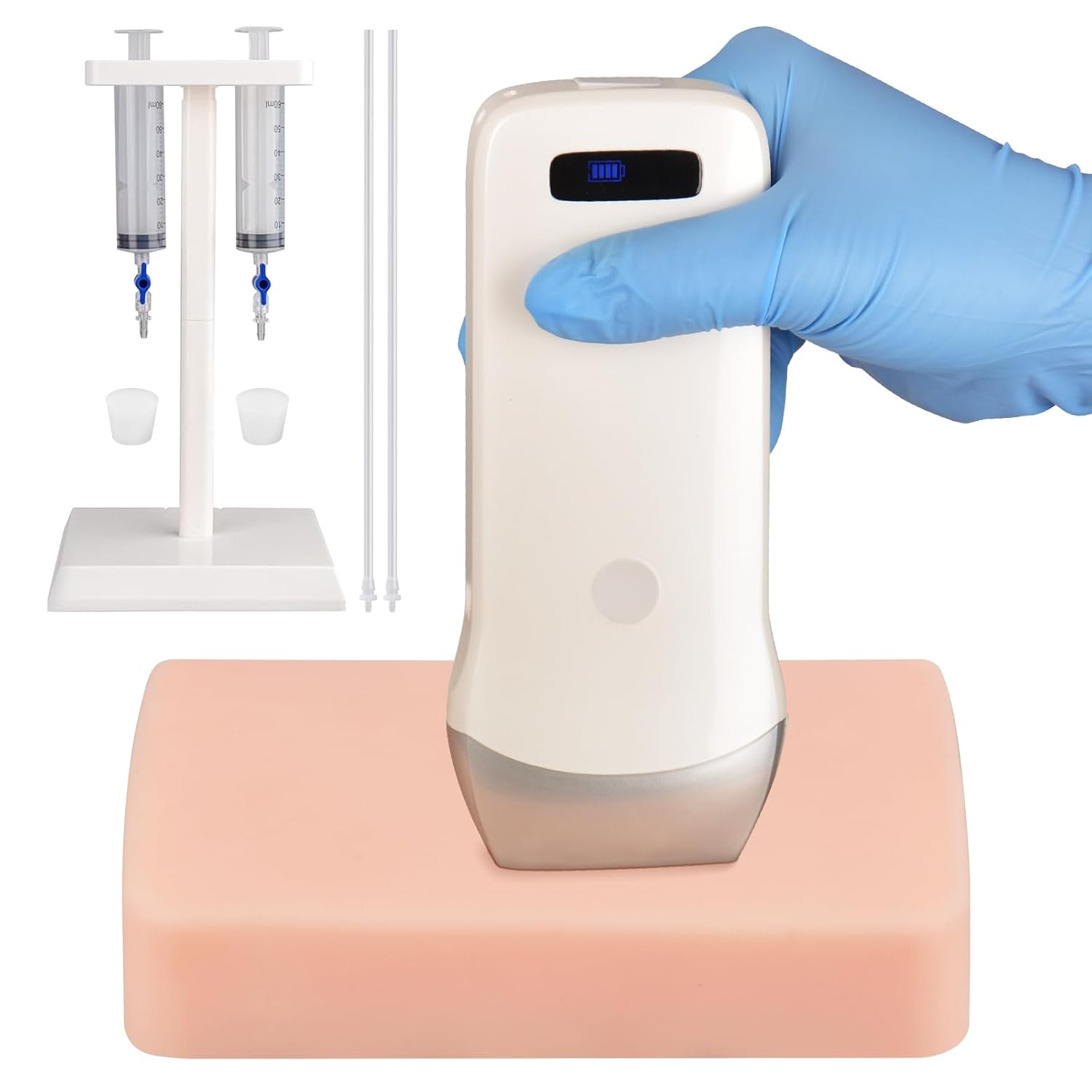
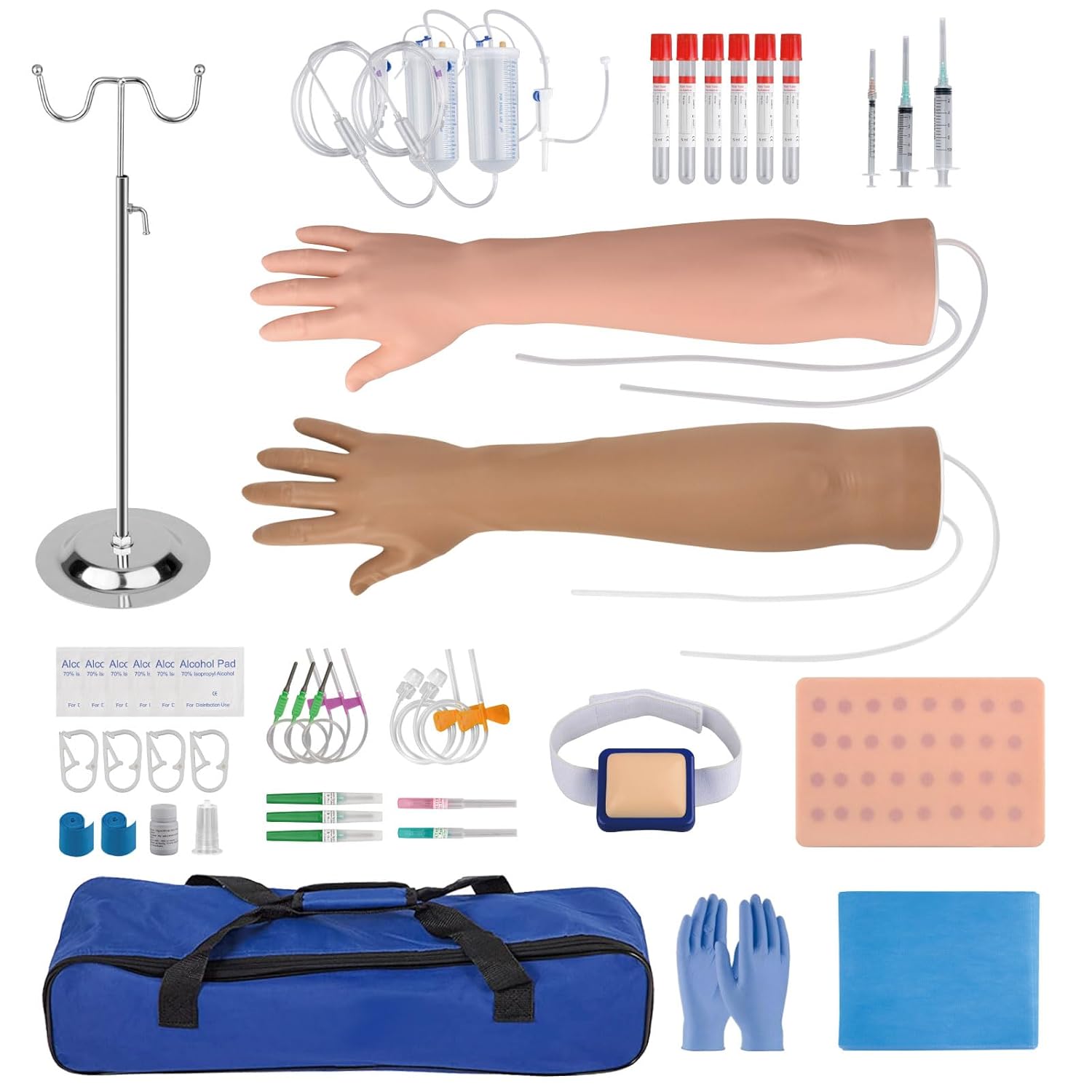
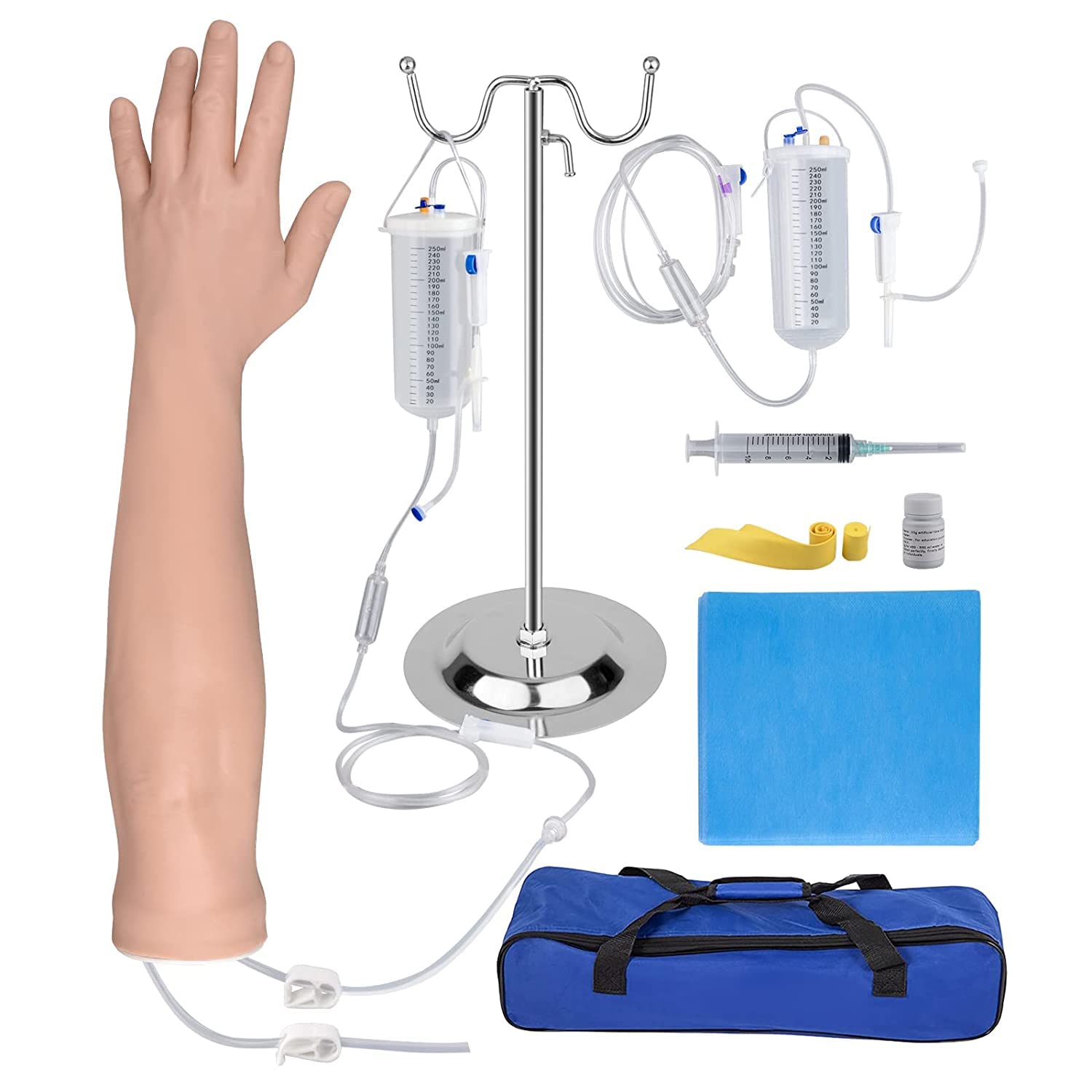
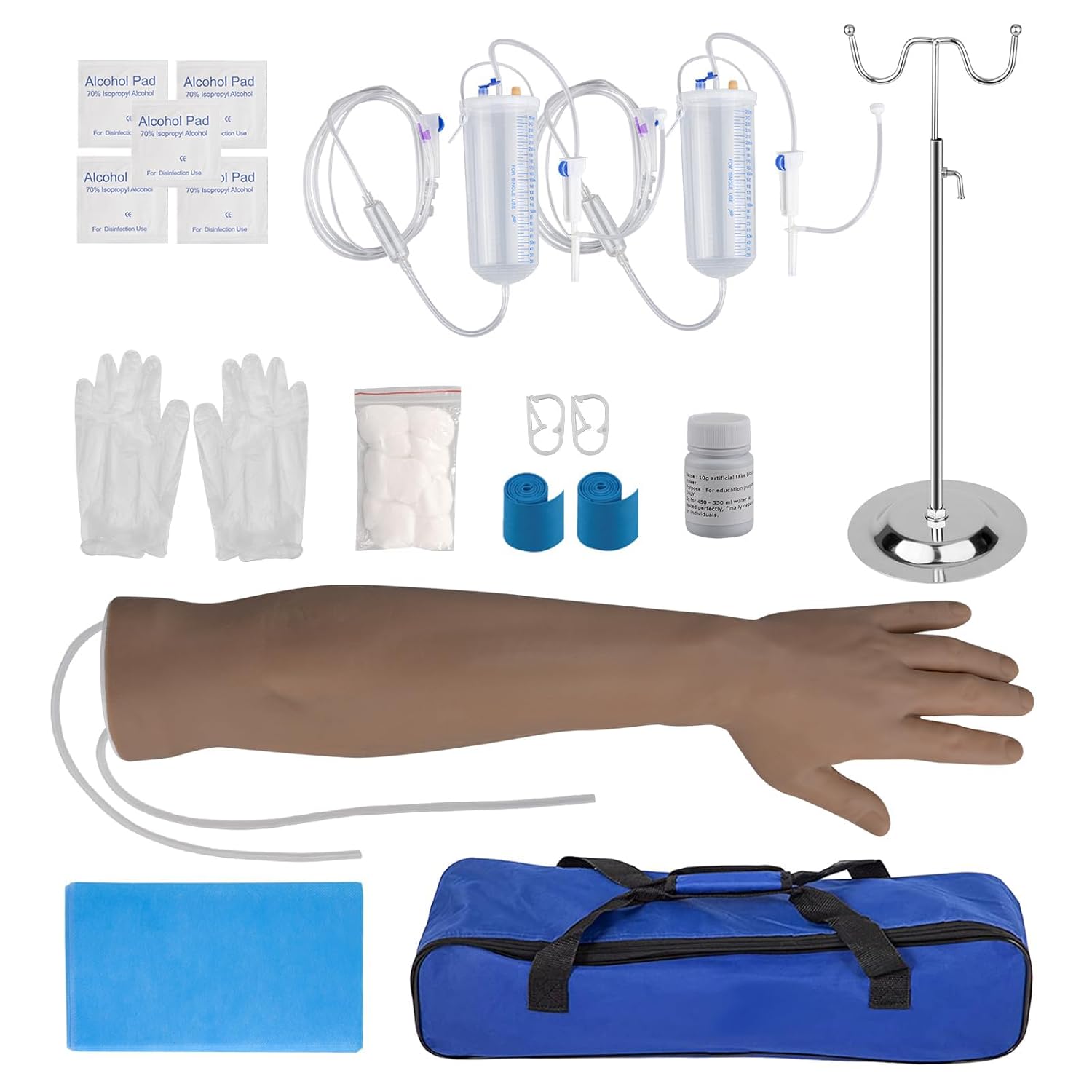
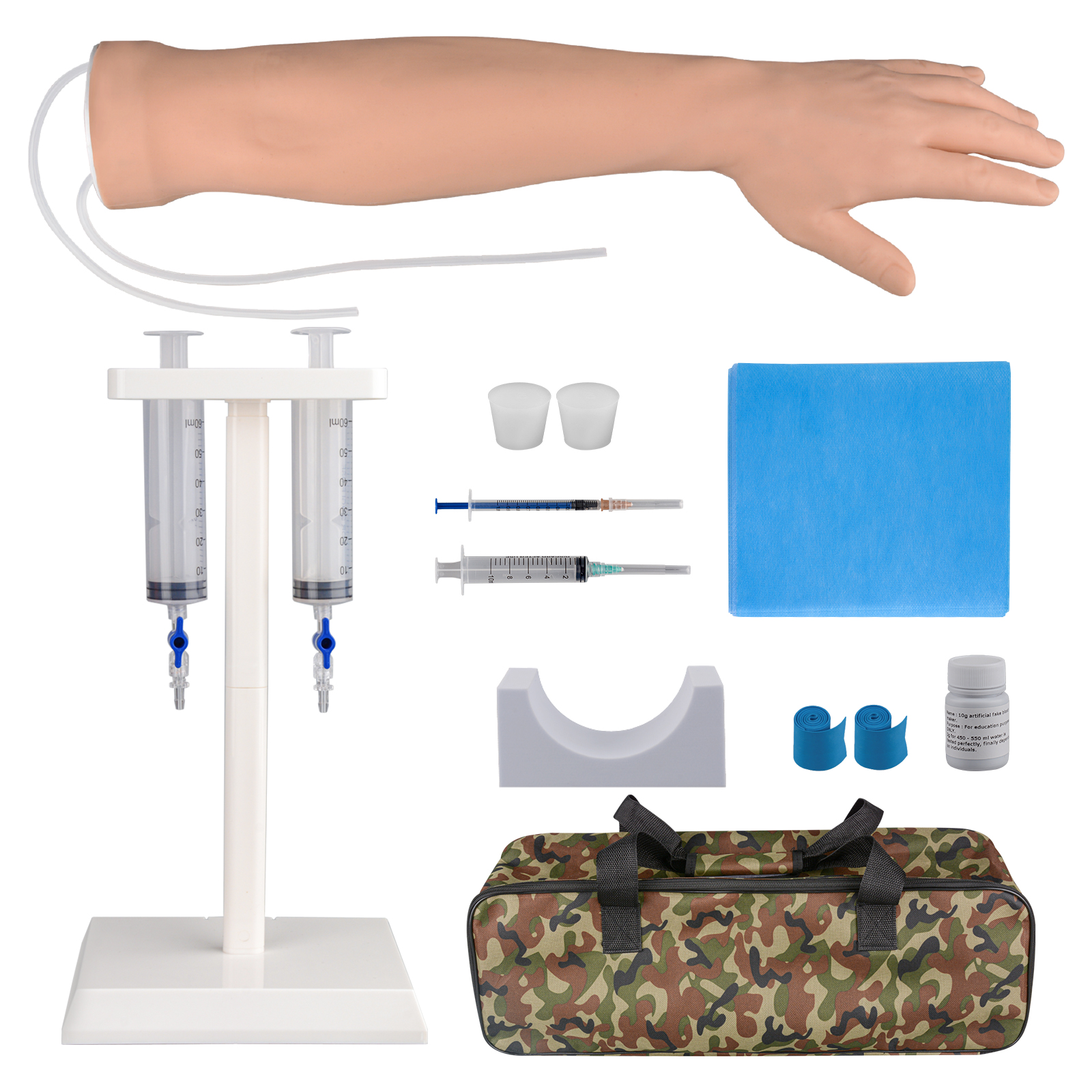
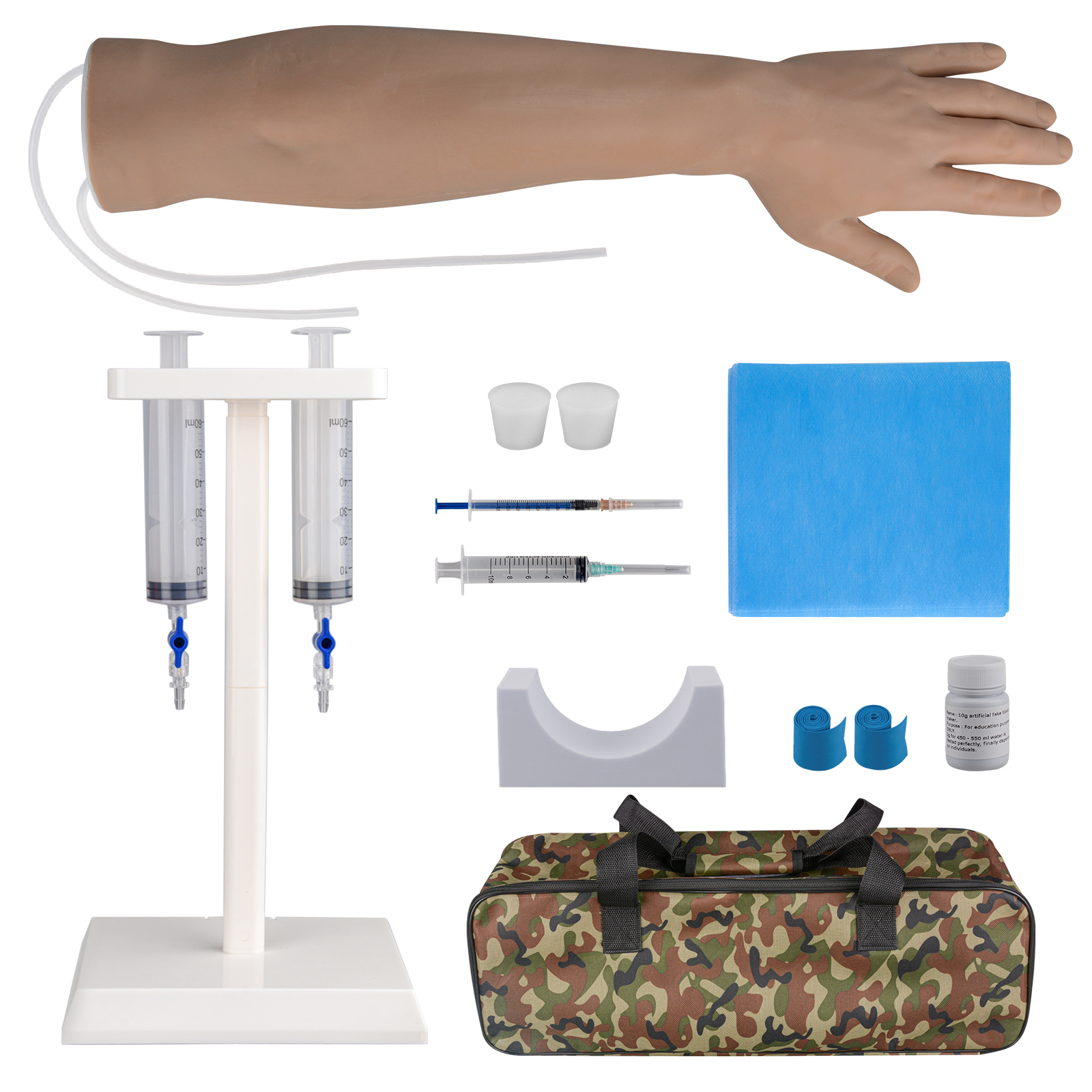
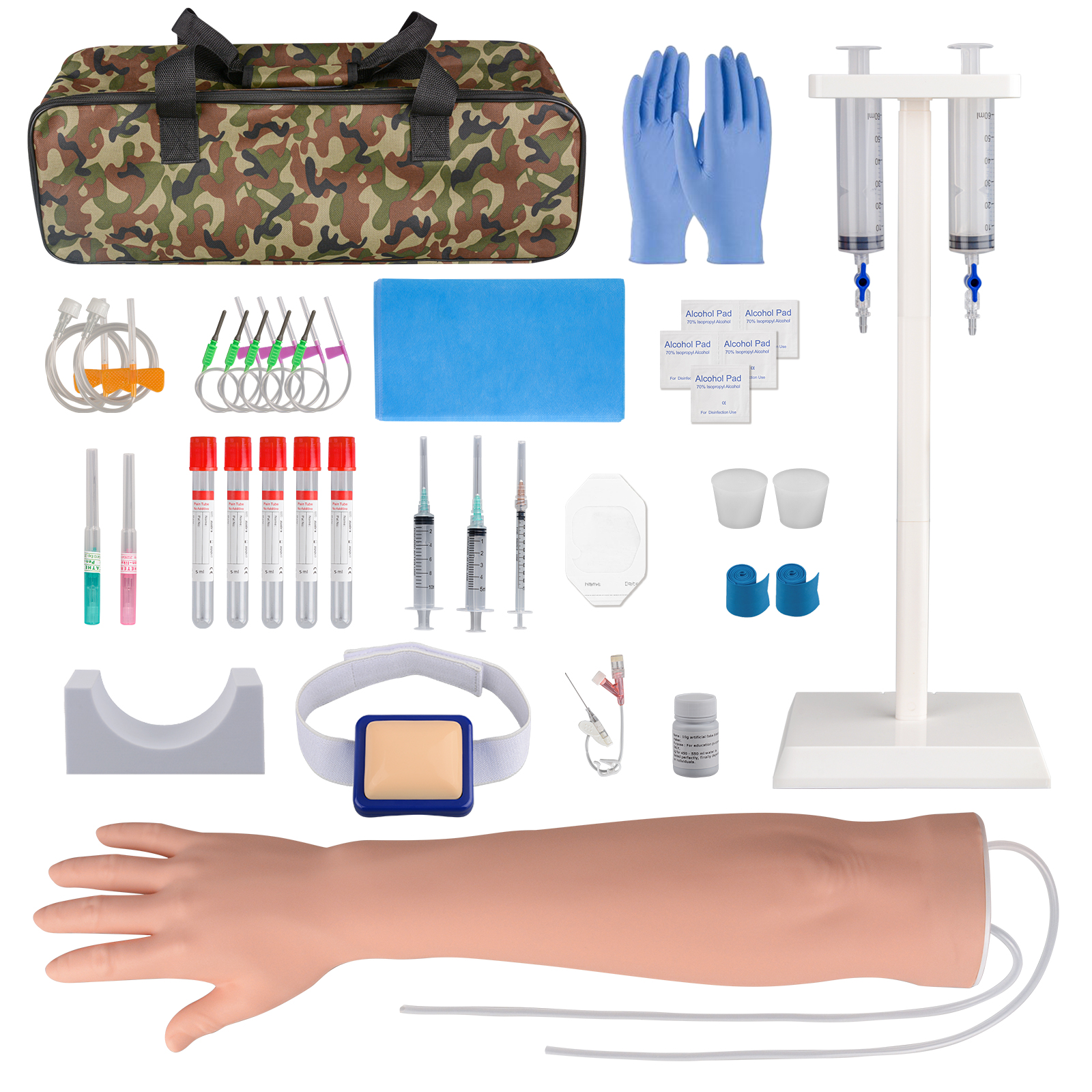
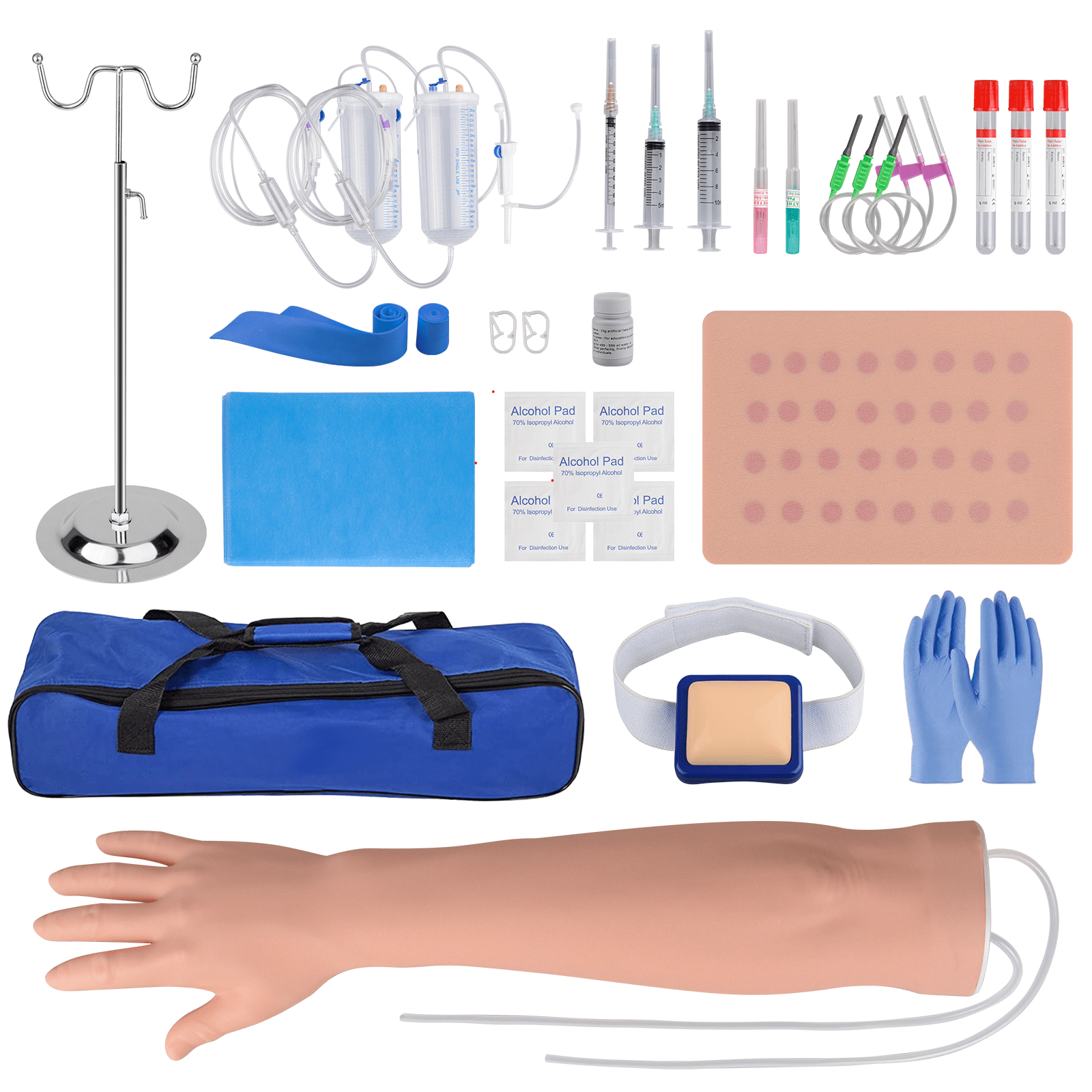
💡To practice beyond your course or get comfortable with blood drawing techniques early, consider using phlebotomy practice arm and blood draw practice kit. It is highly realistic and perfect for practicing needle insertion, blood collection, and sample handling at home, ideal for students and trainees.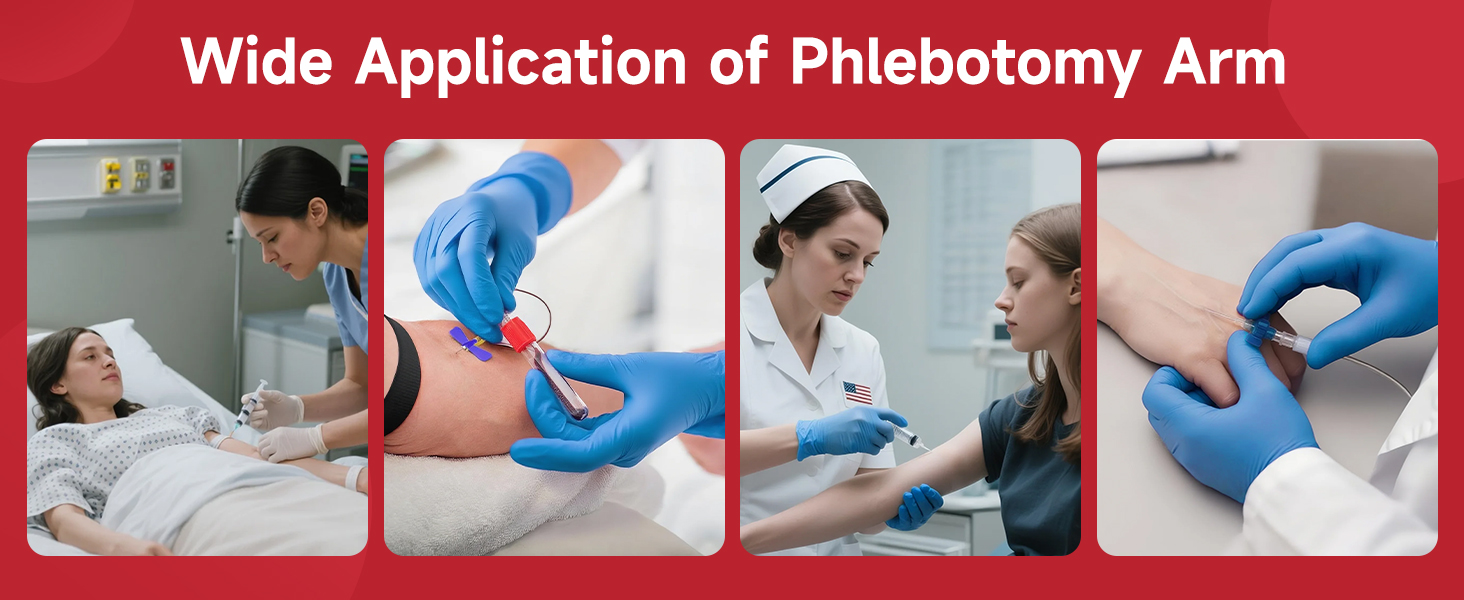
Step 4: Take and Pass the Certification Exam
Exams typically include multiple-choice questions and a clinical skills test, covering anatomy, puncture procedures, sample handling, patient communication, and safety protocols.
Step 5: Find Job Opportunities
After completing your training and certification, you can apply for positions at hospitals, labs, private clinics, blood donation centers, and more. Use job boards like Indeed, LinkedIn, school career centers, or local job fairs to find entry-level roles.
Conclusion
Phlebotomy is a stable healthcare career with low entry barriers and clear growth paths. By choosing an accredited phlebotomy training program and completing the required hands-on practice and certification, most people can be job-ready within a few weeks to three months and quickly enter the healthcare field.
Whether you’re switching careers, a recent high school graduate, or looking to build a foundation for a medical profession, phlebotomy training offers a cost-effective and fast way to start.
📚Related Article:
➤Phlebotomy Medical Terminology You Should Know
➤Can a Phlebotomist Give Shots?
🎯Get started now!
Choose the right program, prepare your practice tools, and take the first step toward your healthcare career.