What is IO Access?
Intraosseous (IO) access, also known as intraosseous cannulation, is a medical technique used to quickly establish a vascular route by injecting directly into the bone marrow cavity. In simple terms, when a vein is hard to find or peripheral IV access fails—especially in emergency situations—clinicians can deliver fluids or medications through the bone.
The bone marrow is rich in blood vessels, which means medications and fluids administered via IO access rapidly enter the central circulation. It’s a highly effective method used in critical situations such as cardiac arrest, severe dehydration, or trauma, often allowing life-saving treatment to begin within seconds.
When is IO Access Typically Used?
This vascular access technique is primarily used in urgent or life-threatening situations where time is critical and intravenous (IV) access is difficult or impossible. Common scenarios include:
- Cardiac Arrest: During resuscitation, veins may collapse or become inaccessible. Intraosseous infusion allows for rapid administration of emergency drugs like epinephrine.
- Severe Dehydration or Hypovolemic Shock: Collapsed veins in these patients make IV access difficult. This method ensures fast fluid resuscitation.
- Burns or Multi-trauma: When peripheral veins are damaged or obscured by swelling, intraosseous injection provides a reliable alternative.
- Battlefield or Disaster Response: In environments with limited time and equipment, IO access provides a fast and efficient way to deliver lifesaving care.
- Pediatric Emergencies: In children and infants, small and fragile veins are easily compromised. It is frequently used to secure vascular access quickly.
In all of these cases, intraosseous serves as a vital backup method for medication and fluid delivery—ensuring patients receive treatment when every second counts.
Common IO Insertion Sites
There are several anatomical locations commonly used for IO needle insertion:
- Proximal Tibia: Located just below the knee, about 2–3 cm below the patella on the medial surface of the tibia. This is the most widely used site for both adults and children due to its accessibility and vascularity.
- Sternum (Manubrium): The flat bone at the center of the chest. Typically used in adults, particularly in high-acuity emergency settings.
- Proximal Humerus: The upper part of the arm near the shoulder, around the greater tubercle of the humerus. This site offers rapid flow rates and is suitable for adult patients.
- Iliac Crest: The broad portion of the pelvis on the side of the hip. Less common, but sometimes used in special clinical cases.
Understanding these IO anatomical landmarks helps healthcare trainees improve accuracy and safety in IO placement.
Step-by-Step Guide to Performing IO Injection
Although IO access may seem like a simple “injection into the bone,” in emergency care, every step matters. Here’s a breakdown of the key steps, with clinical insights that are particularly useful for students and early-career professionals:
- Identify the Insertion Site:
Proximal tibia is often the preferred site, especially for beginners. Locate the tibial tuberosity and the flat medial surface just below the knee. Precise anatomical identification is essential to avoid joint spaces or blood vessels.
- Prepare Equipment and Disinfect the Area:
Use alcohol or povidone-iodine to disinfect the site thoroughly. Prepare an IO needle (e.g., EZ-IO), saline flush, and a stabilization device. Even in emergencies, sterile technique is non-negotiable.
- Insert the IO Needle Perpendicularly:
Advance the needle at a 90° angle to the bone surface using a manual or powered device. A noticeable “give” or pop indicates the needle has passed through the dense cortical bone into the marrow space. Avoid excessive force to prevent over-penetration.
- Confirm Proper Placement:
Aspirate to check for bone marrow or blood return. Alternatively, flush a small amount of saline and observe for resistance or soft tissue swelling. Incorrect placement can lead to extravasation or ineffective treatment.
- Secure the IO Device:
Use tape or stabilization devices to hold the needle firmly in place. This is especially important during patient transport, where dislodgment is a common risk.
- Start Infusion & Injection or Medication Administration:
Connect IV tubing or a syringe to begin delivering fluids or drugs. Monitor the site for leakage, swelling, or signs of infiltration.
Conclusion
Intraosseous (IO) access is a vital emergency technique that every healthcare provider should be proficient in. When traditional IV lines can’t be established, IO access can deliver life-saving treatment rapidly and reliably.
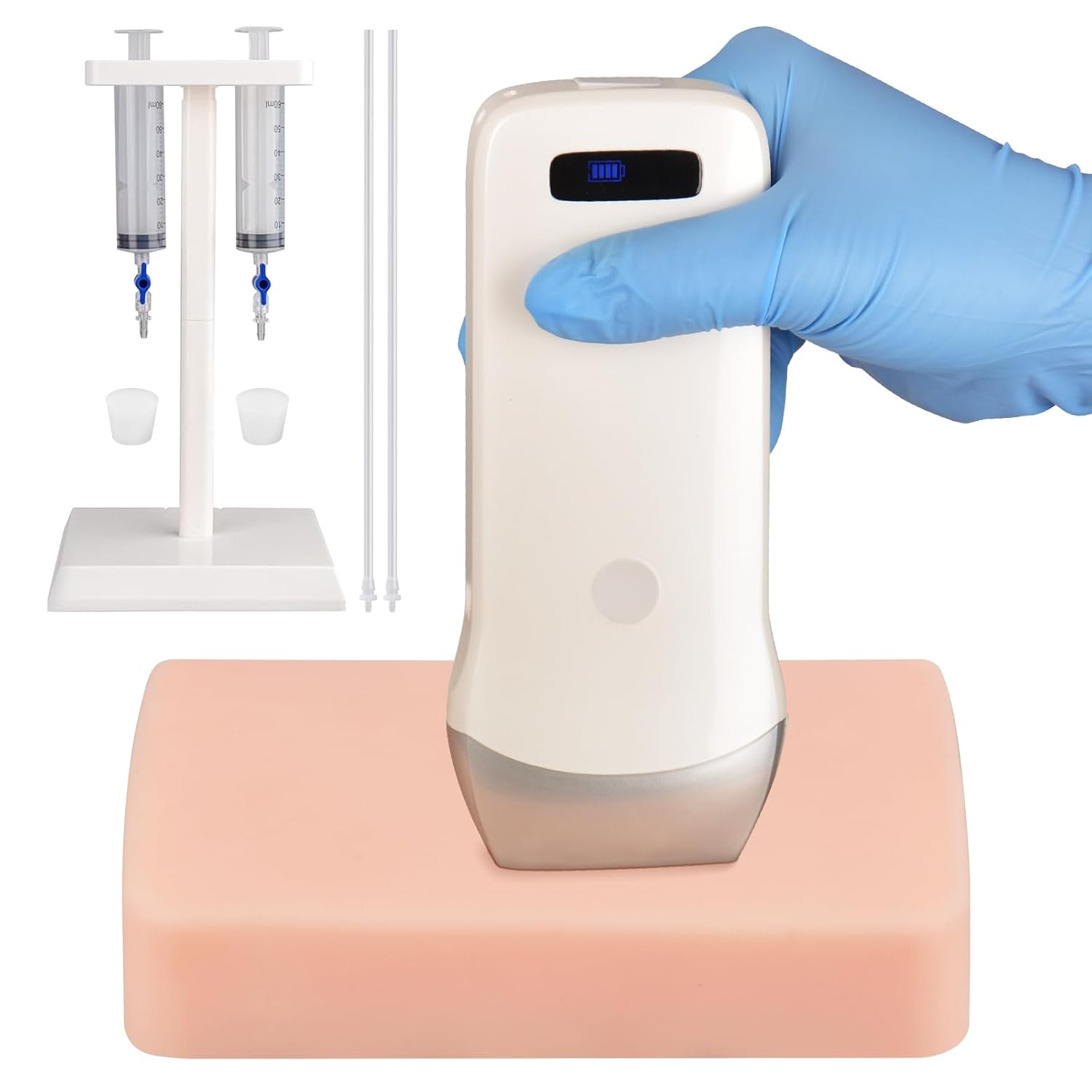
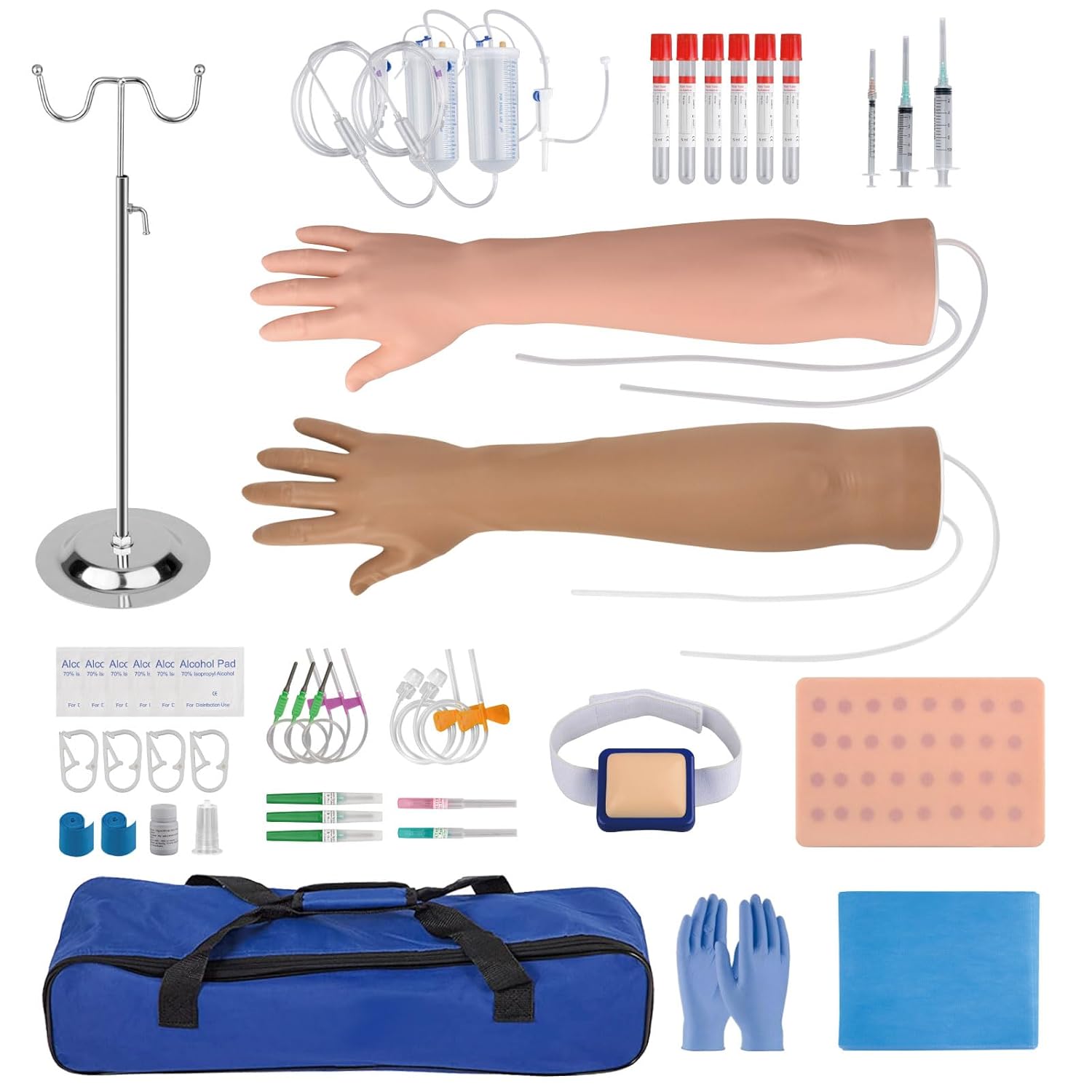
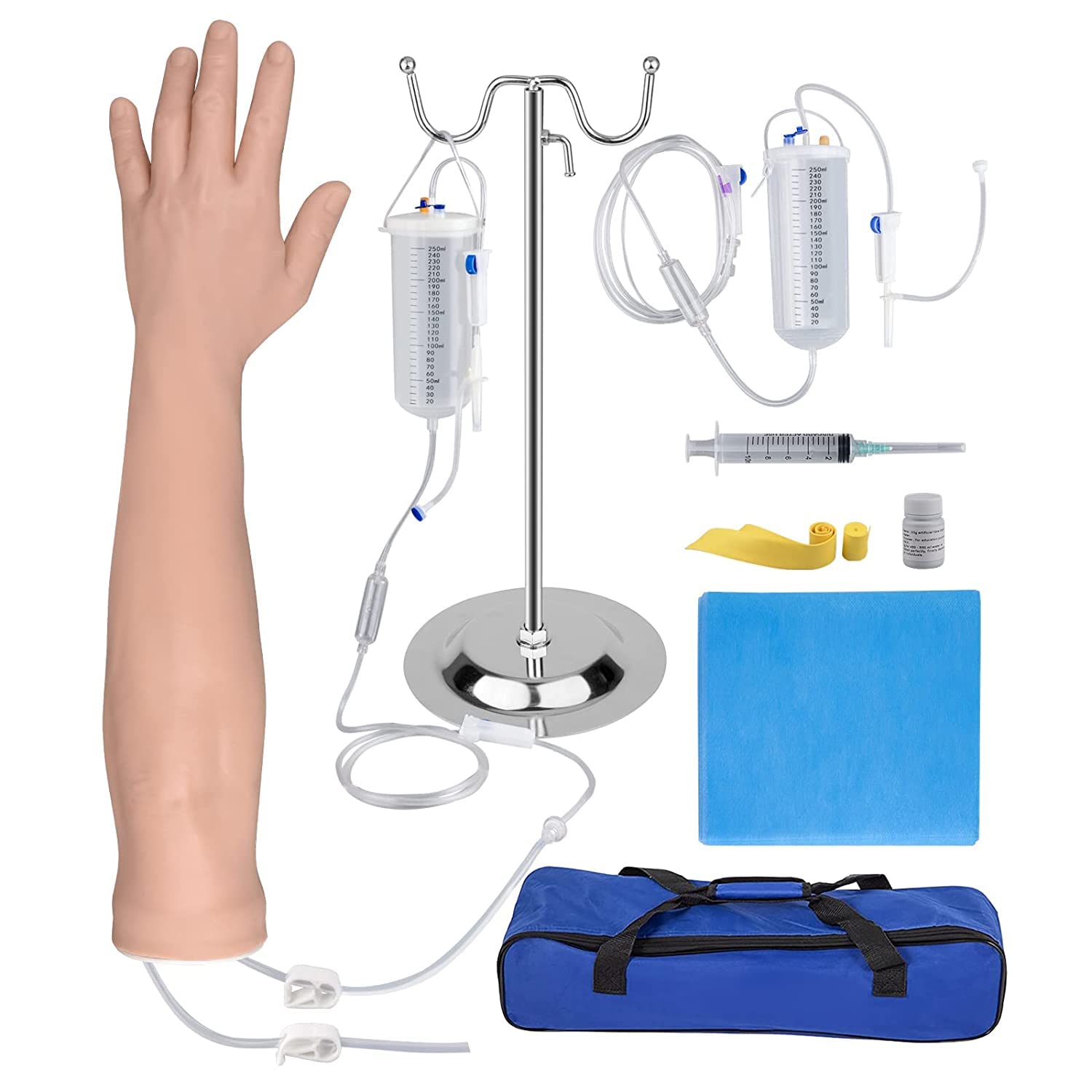
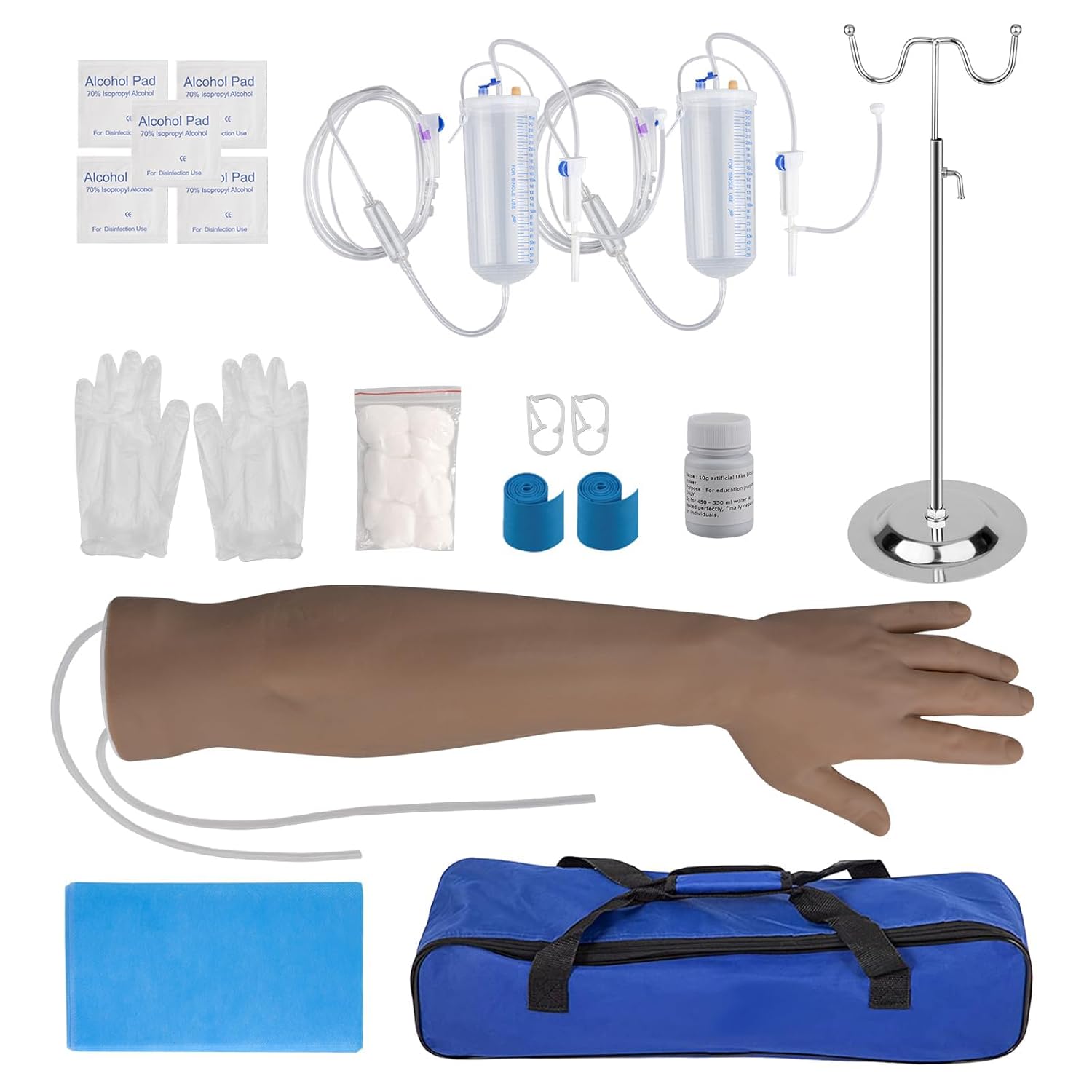
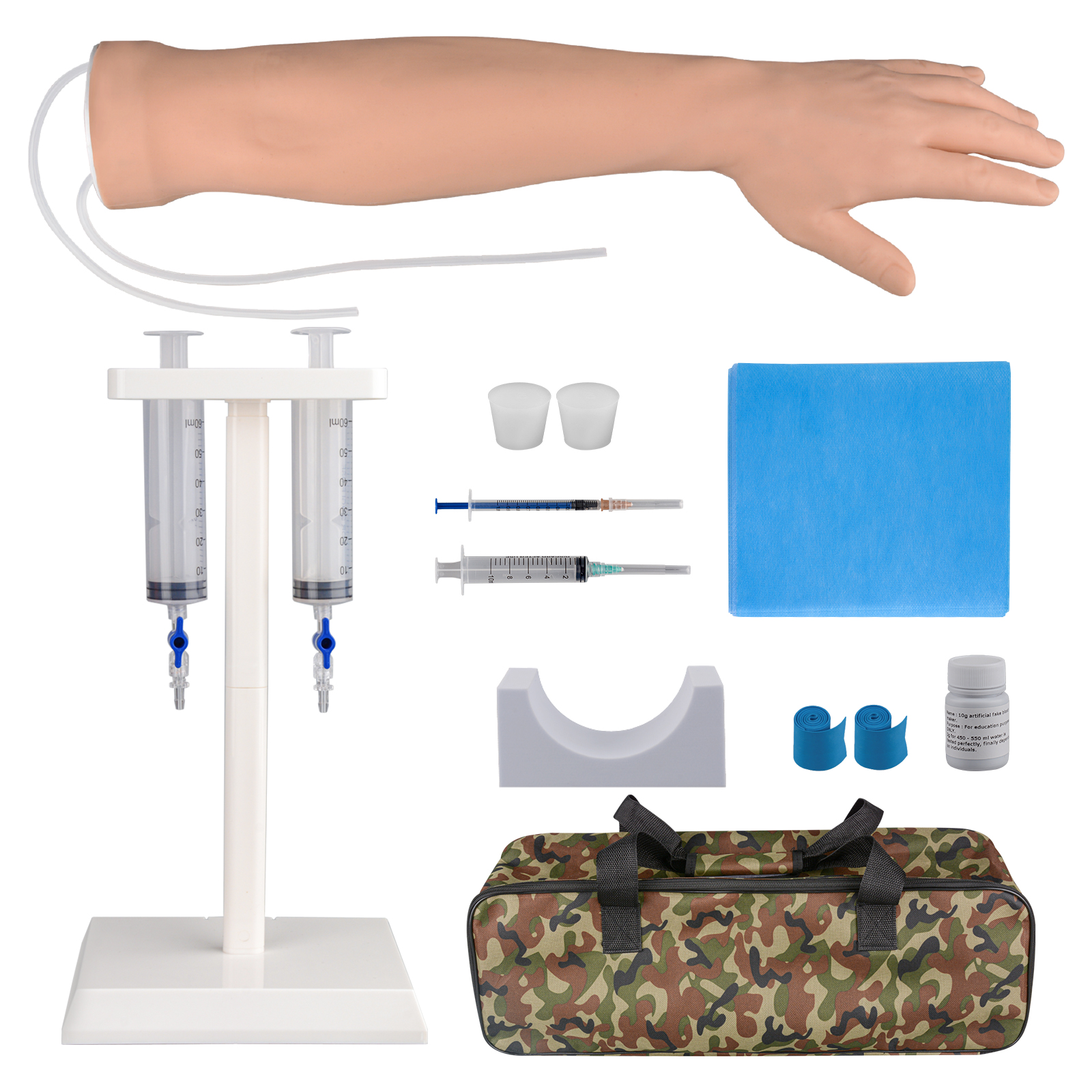
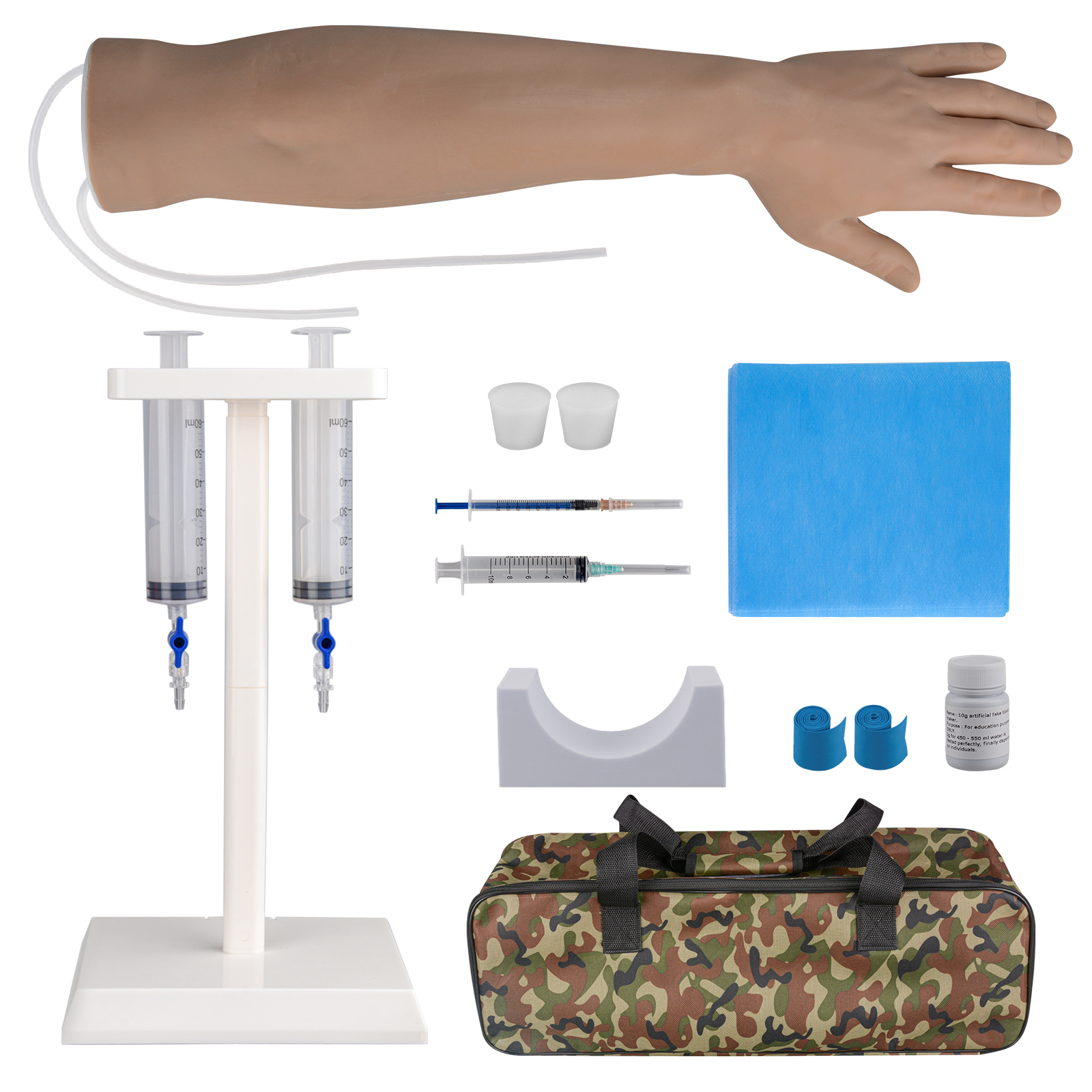
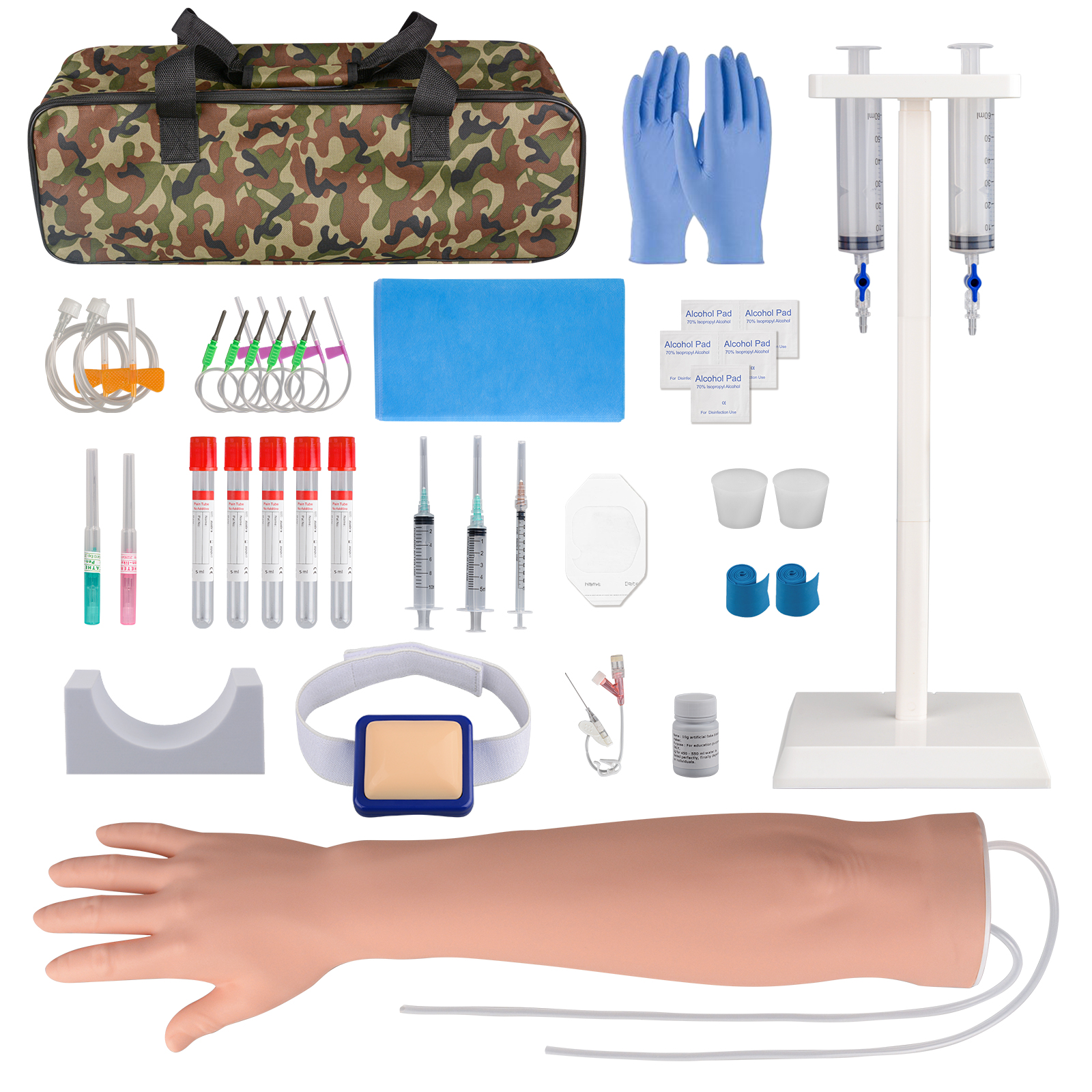
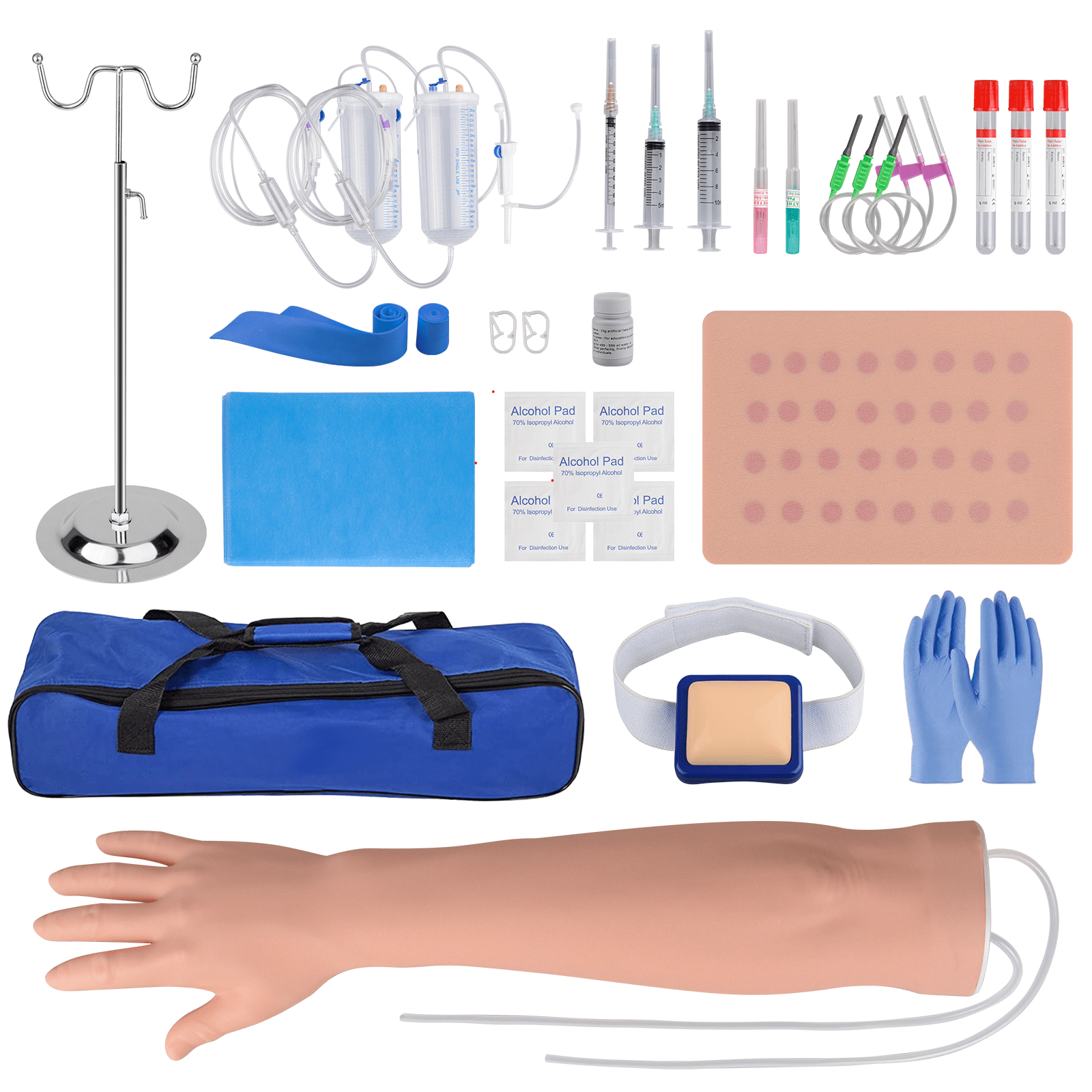
For medical and nursing students, gaining hands-on experience through realistic training models is crucial. Early exposure to IO procedures—especially practicing with intraosseous (IO) access trainers and IO injection training model—helps build the confidence, muscle memory, and judgment needed for real-life emergencies.