En la salud de las mujeres, la salud mamaria es un área importante que no debe pasarse por alto. Un autoexamen mamario es una forma simple pero útil de ayudarte a familiarizarte más con tu cuerpo y notar cualquier cambio inusual de manera oportuna.
¿Puedes Revisar tus Senos por Ti Misma?
Sí, y de hecho es necesario.
Los cambios en los senos suelen ocurrir gradualmente, y la persona que nota estos pequeños cambios primero a menudo no es un médico, sino tú misma. En comparación con un examen físico anual, el autoexamen tiene la ventaja de ser más frecuente y ayudarte a familiarizarte con lo que es "normal" para tu propio cuerpo.
Sin embargo, es importante entender que un autoexamen mamario no es un sustituto de los exámenes médicos profesionales. Es más como una forma de autoobservación diaria. Su propósito no es diagnosticar ninguna condición, sino ayudarte a notar si hay algún cambio nuevo o inusual.
De hecho, un autoexamen mamario se puede realizar de manera bastante natural en la vida diaria, por ejemplo, mientras te duchas, aplicas loción corporal o cambias de ropa. Tocar y observar suavemente tus senos en estos momentos puede ayudarte a familiarizarte gradualmente con tu textura normal, lo que facilita notar cualquier cosa diferente con el tiempo.
¿Cómo Hacer un Autoexamen Mamario?
El autoexamen mamario en realidad no es complicado. Principalmente implica dos pasos: mirar + tocar.
Puedes seguir estos pasos:
1. Primero, mira (inspección visual)
Párate frente a un espejo y observa si hay algún cambio en la apariencia de tus senos, como:
- Cualquier cambio obvio en tamaño o forma
- Hundimientos en la piel, arrugas o enrojecimiento
- Inversión del pezón o secreción anormal
2. Luego, toca (palpación)
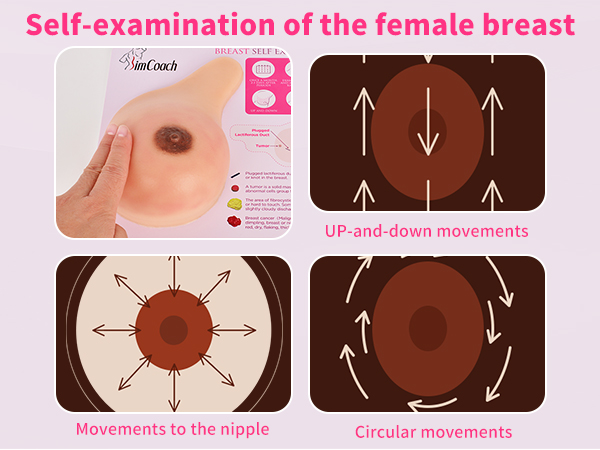
Puedes hacer esto mientras estás acostada o durante una ducha. Usa las yemas de tus dedos para presionar suavemente el seno en pequeños movimientos circulares, asegurándote de cubrir todo el seno así como el área de la axila.
Puedes usar diferentes patrones sistemáticos para asegurar una cobertura completa del tejido, como:
- Movimientos hacia arriba y hacia abajo (patrón de tira vertical)
- Movimientos que irradian hacia el pezón (patrón en forma de radio)
- Movimientos circulares (patrón en espiral desde el exterior hacia el centro)
Estos métodos ayudan a asegurarte de que no se pase por alto ninguna área durante el examen.
¿Cómo Se Siente un Seno Normal?
Primero que todo, es importante entender que el tejido mamario normal no es perfectamente liso ni está completamente libre de "bultos" o textura. Cuando tocas tus senos, es muy común notar:
- Nodularidad leve o una textura ligeramente granulada
- Algunas áreas que se sienten un poco más firmes o tienen una estructura similar a una cuerda
- Ligeras diferencias en la textura entre los dos senos
Estas sensaciones son generalmente características fisiológicas normales. De hecho, la textura mamaria también puede cambiar a lo largo del ciclo menstrual, a menudo volviéndose más llena, más sensible o más tierna en ciertos momentos, lo que puede hacer que la textura se sienta más notable.
Debido a esto, el punto clave en el autoexamen mamario no es "encontrar algo", sino notar si hay algún cambio nuevo o inusual en comparación con tu línea base habitual.
Tipos Comunes de Sensaciones Anormales "como Bultos"
1. Conducto Lactífero Obstruido (Conducto de Leche Bloqueado)
El conducto lactífero obstruido es relativamente común durante la lactancia. Al tocar, generalmente se siente como:
- Un área pequeña y localizada que se siente firme o ligeramente engrosada (como un pequeño "bulto" bloqueado)
- A veces una extensión sutil a lo largo de la dirección del conducto de leche, pero no una forma claramente definida como una cuerda
- Los bordes no son muy distintos, más como un área localizada de bloqueo
- Cuando se acompaña de hinchazón o malestar, esa área puede sentirse más "presionada" o sensible
Esta condición generalmente está relacionada con un drenaje deficiente de leche, como intervalos de alimentación más largos, vaciado incompleto o presión local. En la mayoría de los casos, es un problema funcional y no grave, y a menudo mejora con ajustes en la técnica de lactancia, extracción de leche más frecuente o compresas tibias.
Sin embargo, si el bulto persiste, aumenta gradualmente de tamaño o se acompaña de enrojecimiento significativo, dolor creciente o fiebre, es importante buscar atención médica para descartar infección u otras complicaciones.
2. Tumor (Bulto Benigno, como Fibroadenoma)
Aquí, "tumor" generalmente se refiere a bultos mamarios benignos, como el fibroadenoma mamario, que son relativamente comunes en mujeres jóvenes. Al tocar, generalmente se siente como:
- Un bulto con bordes claros, como un pequeño nódulo redondo y distinto
- Una textura suave, firme pero elástica
- Generalmente ligeramente móvil bajo la piel (no fijo en su lugar)
- Un tamaño estable, sin cambios obvios rápidos con el tiempo
Estos bultos benignos generalmente crecen lentamente y a menudo se encuentran incidentalmente durante exámenes físicos de rutina o autoexámenes. Desde una perspectiva de riesgo, la mayoría de los bultos benignos no están asociados con enfermedades graves. Sin embargo, aún se recomienda monitorearlos con el tiempo, prestando atención a si aumentan de tamaño o cambian de forma, para asegurar que permanezcan estables.
3. Masa Fibroquística (Cambios Fibroquísticos en los Senos)
Los cambios fibroquísticos en los senos son una condición mamaria benigna muy común, a menudo relacionada con fluctuaciones hormonales y especialmente notoria antes y después del ciclo menstrual. Al tocar, generalmente se siente como:
- Múltiples pequeños nódulos o una textura granulada en lugar de un solo bulto bien definido
- Una textura que se siente "parcialmente suave, parcialmente firme", generalmente irregular pero extendida sobre un área más amplia
- A veces una sensación de que toda el área se siente sensible o ligeramente hinchada, en lugar de un punto específico
- Síntomas que pueden sentirse más obvios antes de la menstruación y volverse menos notables después
Su característica principal es que la textura no está localizada, sino que se presenta como un área más amplia de bultos o nodularidad leve que cambia con el ciclo menstrual (más notable antes de los períodos y menos después).
Desde una perspectiva clínica, esta condición generalmente no se considera grave. El punto clave es el patrón de cambio: si sigue un patrón cíclico claro, generalmente no es motivo de preocupación. Sin embargo, si un área específica se vuelve persistentemente distinta, gradualmente más dura o muestra cambios claros de un lado, se recomienda una evaluación médica adicional para descartar otras condiciones.
4. Tumor Maligno
El cáncer de mama en su etapa temprana puede no causar dolor notable, por lo que los cambios en la textura durante el autoexamen pueden ser una señal de advertencia importante. A diferencia de los bultos benignos, los tumores malignos se sienten más a menudo como una masa muy firme o dura con una consistencia "similar a una piedra". Generalmente tienen bordes mal definidos, sin una forma suave o bien circunscrita, y no se sienten como un nódulo redondo o bien formado. Además, tienden a tener movilidad limitada, a menudo sintiéndose fijos en su lugar y no fácilmente movibles bajo la piel.
Lo que es más preocupante no es solo cómo se siente en un momento, sino cómo se comporta. Los patrones de advertencia pueden incluir un bulto que se vuelve notablemente más grande en un período relativamente corto, o uno que comienza a sentirse cada vez más irregular, menos uniforme o más invasivo en textura.
En algunos casos, también puede estar asociado con otros cambios físicos, como hundimientos o engrosamiento de la piel, alteración del pezón o cambios inusuales en el área de la axila.
En general, el propósito del autoexamen mamario es ayudarte a ser más consciente de los cambios en tu cuerpo, en lugar de hacer un diagnóstico médico por tu cuenta. Si notas algo inusual durante el examen, o si no estás segura de lo que sientes, no hay necesidad de sobrepensar o intentar interpretarlo tú misma. El enfoque más seguro y confiable es buscar una evaluación médica profesional de manera oportuna.
Otros Cambios Anormales Comunes a los que Prestar Atención
Además de bultos o cambios inusuales en la textura, hay varias otras señales que vale la pena notar durante un autoexamen mamario. Estos cambios pueden no siempre ir acompañados de dolor, pero a veces pueden ser señales tempranas del cuerpo. Por ejemplo, cambios en la apariencia de los senos como hundimientos localizados, asimetría, engrosamiento de la piel o una textura "similar a la piel de naranja", así como cambios en el pezón como inversión, dirección alterada o secreción inusual. La hinchazón o bultos inexplicables en el área de la axila también deben ser considerados.
Además, la hinchazón persistente de los senos o el dolor localizado no deben ser ignorados, especialmente si el malestar no está relacionado con el ciclo menstrual o está presente de manera constante solo en un lado.
Si estos cambios son nuevos, persistentes o gradualmente se vuelven más notables, se recomienda no retrasar y buscar una evaluación médica profesional lo antes posible para una evaluación adecuada.
Se Recomiendan Autoexámenes Mamarios Mensuales
Generalmente se recomienda realizar un autoexamen mamario una vez al mes. Esto te ayuda a mantenerte familiarizada con tu condición mamaria normal y facilita notar cambios sutiles con el tiempo.
Si tienes un ciclo menstrual, el momento más adecuado es unos días después de que termine tu período, cuando los senos suelen estar menos hinchados y menos sensibles, lo que facilita evaluar la textura. Si ya no tienes un ciclo menstrual, puedes elegir una fecha fija cada mes para crear un hábito consistente.
Dicho esto, en la vida real, no es necesario esperar estrictamente un día específico. También puedes prestar atención casualmente a la condición de tus senos durante actividades diarias, como ducharte o cambiarte de ropa, siempre que mantengas una conciencia regular de cualquier cambio.
Resumen
Las condiciones relacionadas con los senos (como el cáncer de mama, quistes mamarios, fibroadenomas y mastitis) generalmente no se desarrollan de repente. En cambio, tienden a progresar gradualmente con el tiempo. Si se notan cambios temprano y se les da seguimiento con una evaluación y atención médica oportuna, muchas condiciones pueden ser manejadas en una etapa anterior.
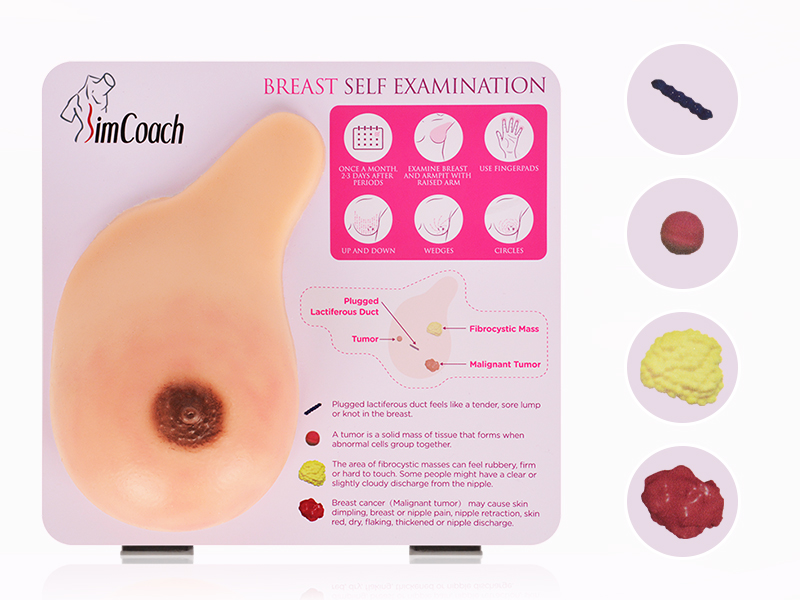
Si aún te sientes insegura acerca del autoexamen mamario, o encuentras difícil distinguir claramente entre...una textura normal y anormal, se recomienda utilizar un Modelo de Examen de Mama para practicar. Al simular diferentes tipos de bultos con variaciones en tamaño, profundidad y textura, puede ayudarle a comprender mejor cómo se sienten los diferentes hallazgos en la palpación real, y mejorar tanto la precisión como la confianza en la evaluación.
Cuide su salud mamaria, comenzando con cada autoexamen.
💡Explore Todos los Modelos de Educación en Salud de la Mujer
.png?w=1672&h=941)