Blood collection is one of the most common clinical procedures in healthcare, but not all blood sampling techniques are the same. Two procedures that are often confused are arterial puncture and venipuncture. Although both involve inserting a needle into a blood vessel, they serve different clinical purposes, require different techniques, and involve different levels of difficulty and risk.
Whether you are a nursing student, medical educator, or healthcare professional, understanding the differences between arterial puncture and venipuncture can help improve procedural accuracy and patient safety.
What Is Arterial Puncture?
Arterial puncture is a medical procedure that involves inserting a needle into an artery to obtain arterial blood. It is most commonly performed for arterial blood gas (ABG) analysis, which measures oxygen, carbon dioxide, and blood pH levels.
Because arteries carry oxygen-rich blood directly from the heart, arterial blood provides valuable information about respiratory function and overall gas exchange.
Common arterial puncture sites include the radial artery, brachial artery, and femoral artery.
What Is Venipuncture?
Venipuncture refers to inserting a needle into a vein to collect blood or establish intravenous access. It is one of the most frequently performed procedures in hospitals, clinics, and laboratories.
Venipuncture is commonly used for routine blood testing, diagnostic screening, medication administration, and intravenous fluid therapy.
The median cubital vein in the antecubital fossa is usually the preferred site because it is stable and easy to access.
Arterial Puncture vs Venipuncture: Key Differences
Although both procedures involve needle insertion, their goals and execution differ significantly.
Procedure Differences: How Are They Performed?
During arterial puncture, clinicians first identify arterial pulsation before inserting the needle at an angle that allows arterial pressure to naturally fill the syringe.
After sample collection, firm pressure must be applied for several minutes to reduce bleeding risk.
In venipuncture, veins are typically identified visually or by palpation, and blood collection is performed using vacuum tubes or syringes.
Compared with arterial puncture, venipuncture generally requires less post-procedure compression.
Which Procedure Is More Painful?
Patients often report that arterial puncture feels more uncomfortable than venipuncture.
This is mainly because arteries have thicker walls, higher pressure, and are located closer to sensitive nerve structures.
Venipuncture is generally better tolerated and is considered a routine low-discomfort procedure.
Risks and Potential Complications
Although both procedures are widely performed and generally safe, complications can still occur.
Potential complications of arterial puncture include hematoma formation, prolonged bleeding, arterial spasm, and in rare cases reduced blood flow.
Common complications associated with venipuncture include bruising, local discomfort, phlebitis, and occasional infection.
Proper technique and training are essential to minimize complications.
When Is Each Procedure Used?
Venipuncture is usually selected for routine blood testing, intravenous medication delivery, and hydration therapy.
Arterial puncture is reserved for situations where clinicians need accurate information about oxygenation, ventilation, and acid-base balance.
For example, patients with respiratory distress or those receiving critical care monitoring may require arterial blood sampling.
Training Considerations for Students
For beginners learning vascular access skills, training typically starts with venipuncture before progressing to arterial puncture. This step-by-step approach helps learners build confidence in needle handling, vessel localization, insertion angle control, and procedural workflow before moving to more technically demanding arterial access techniques.
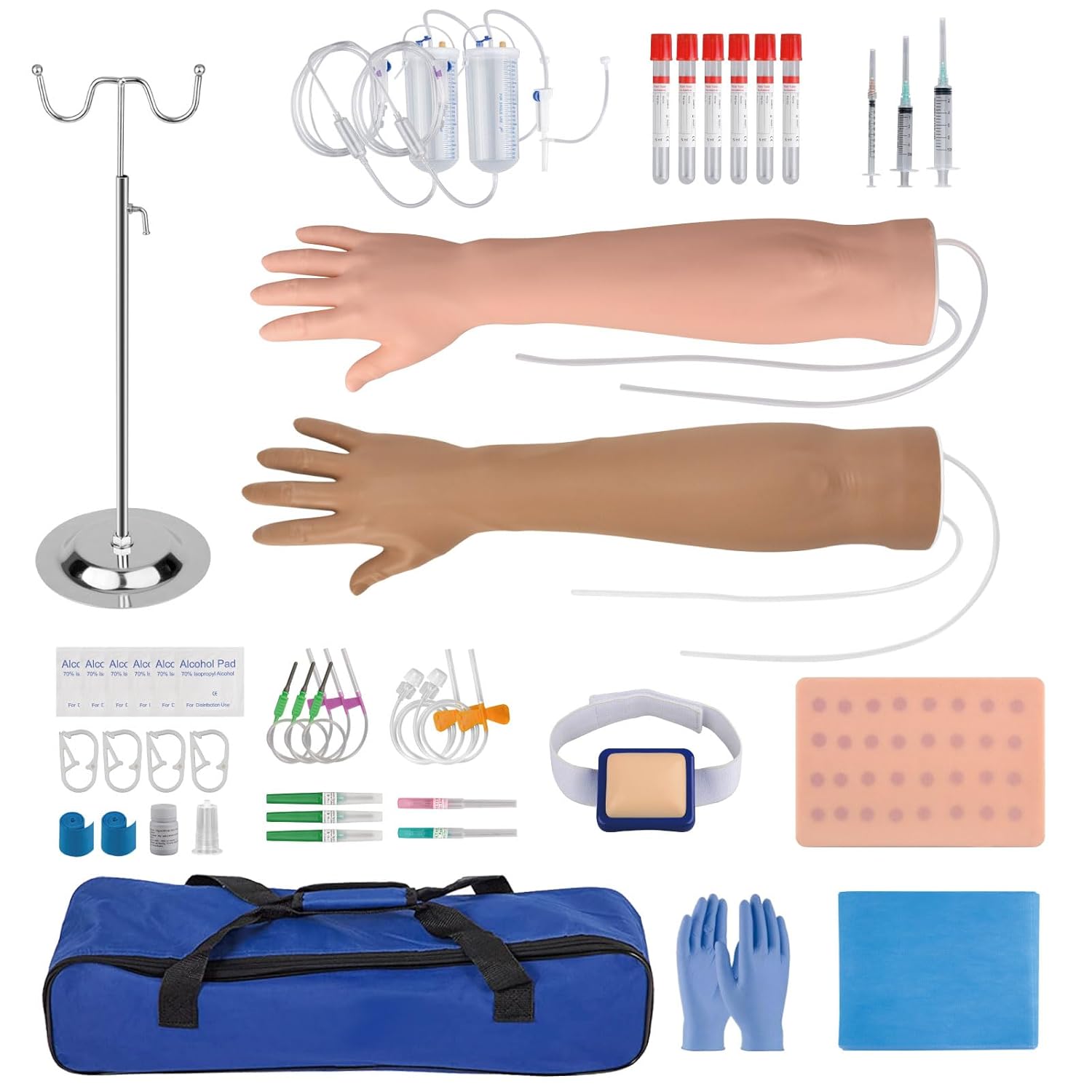
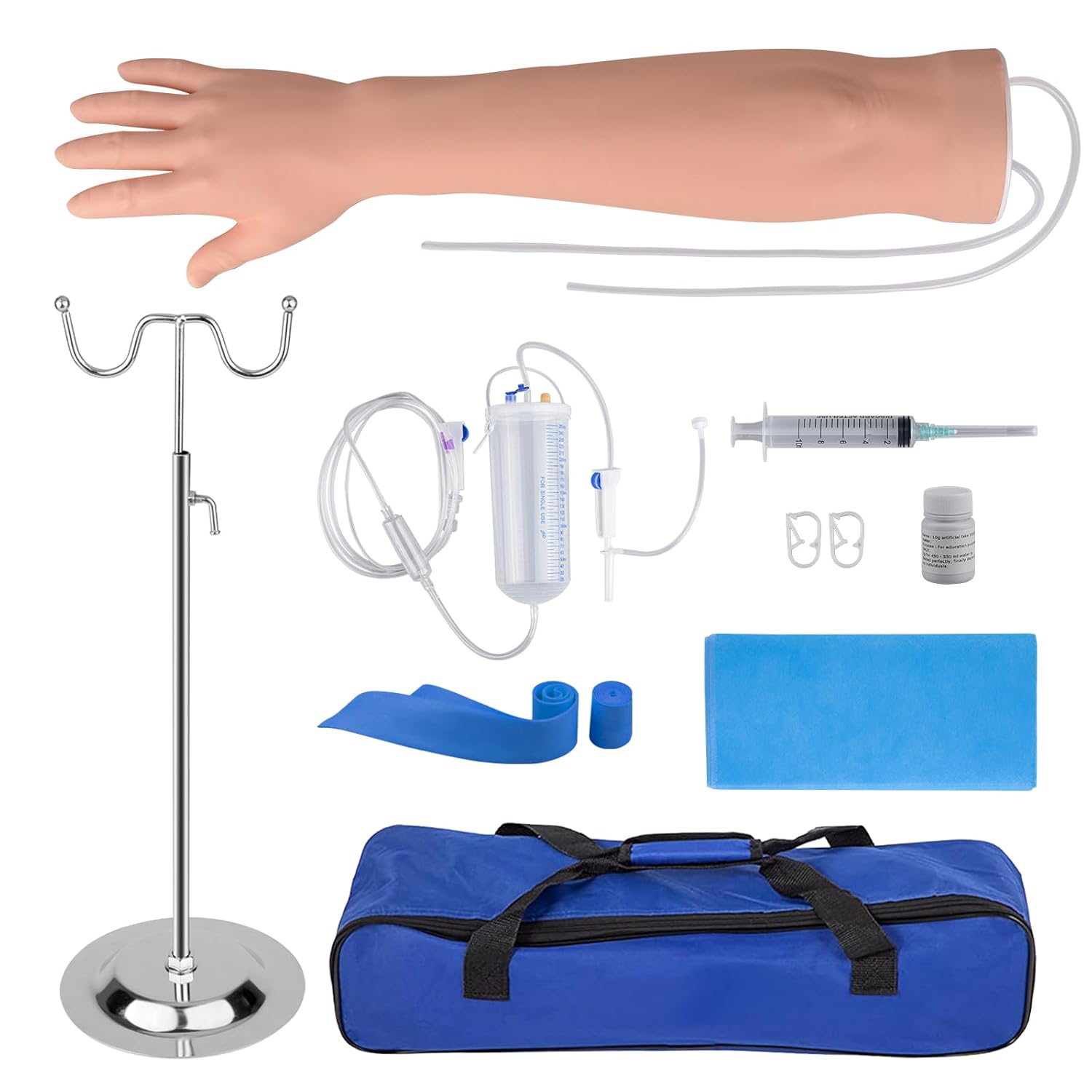
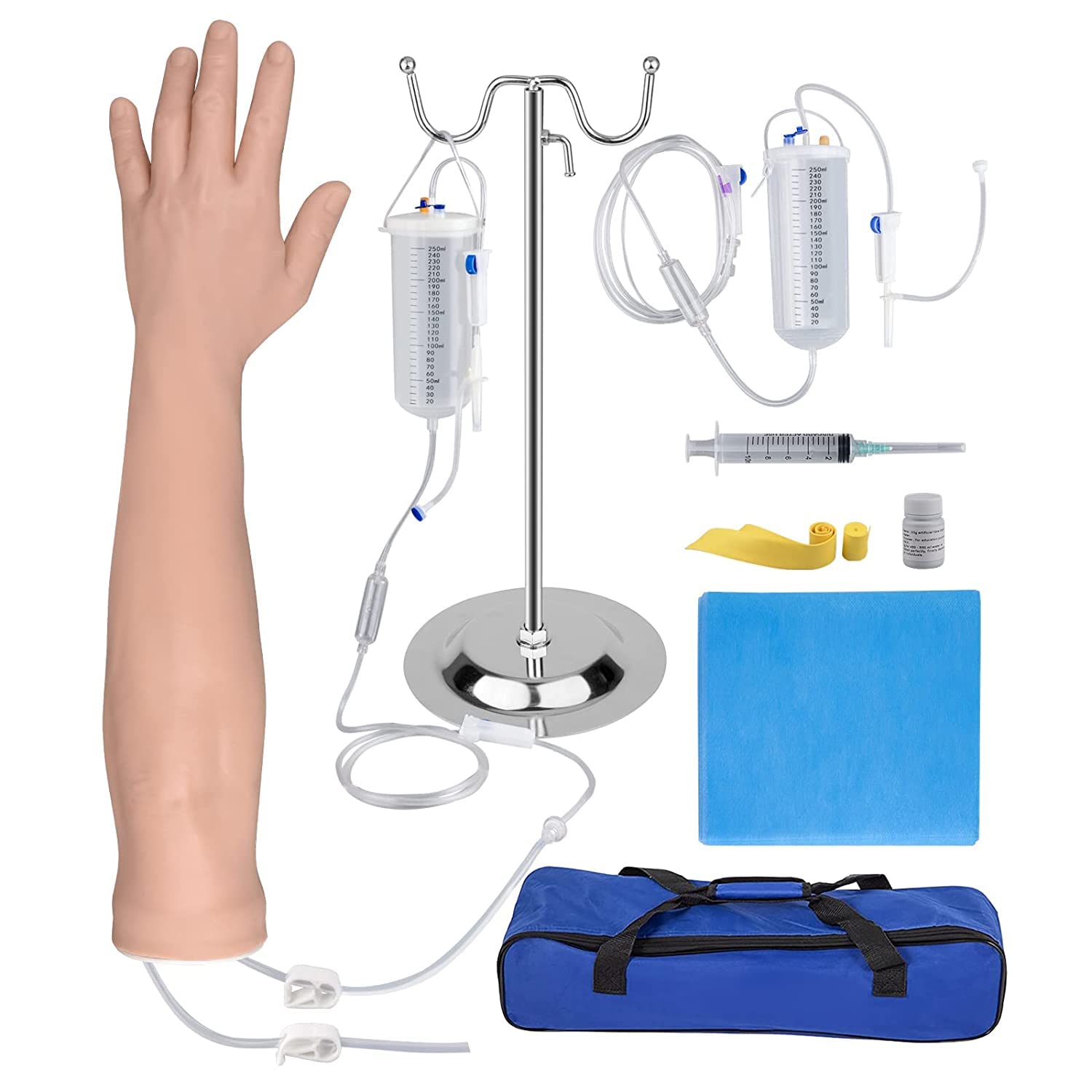
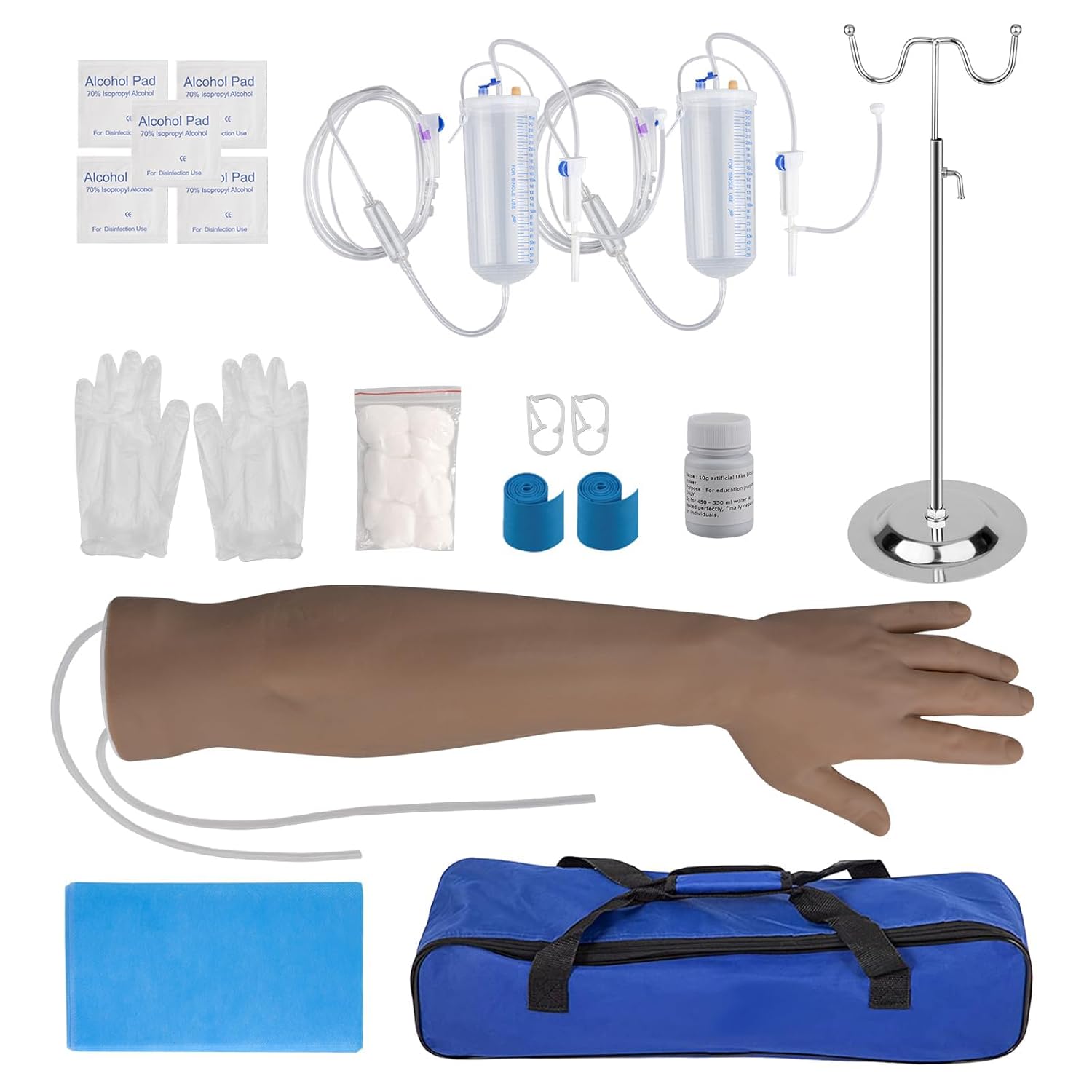
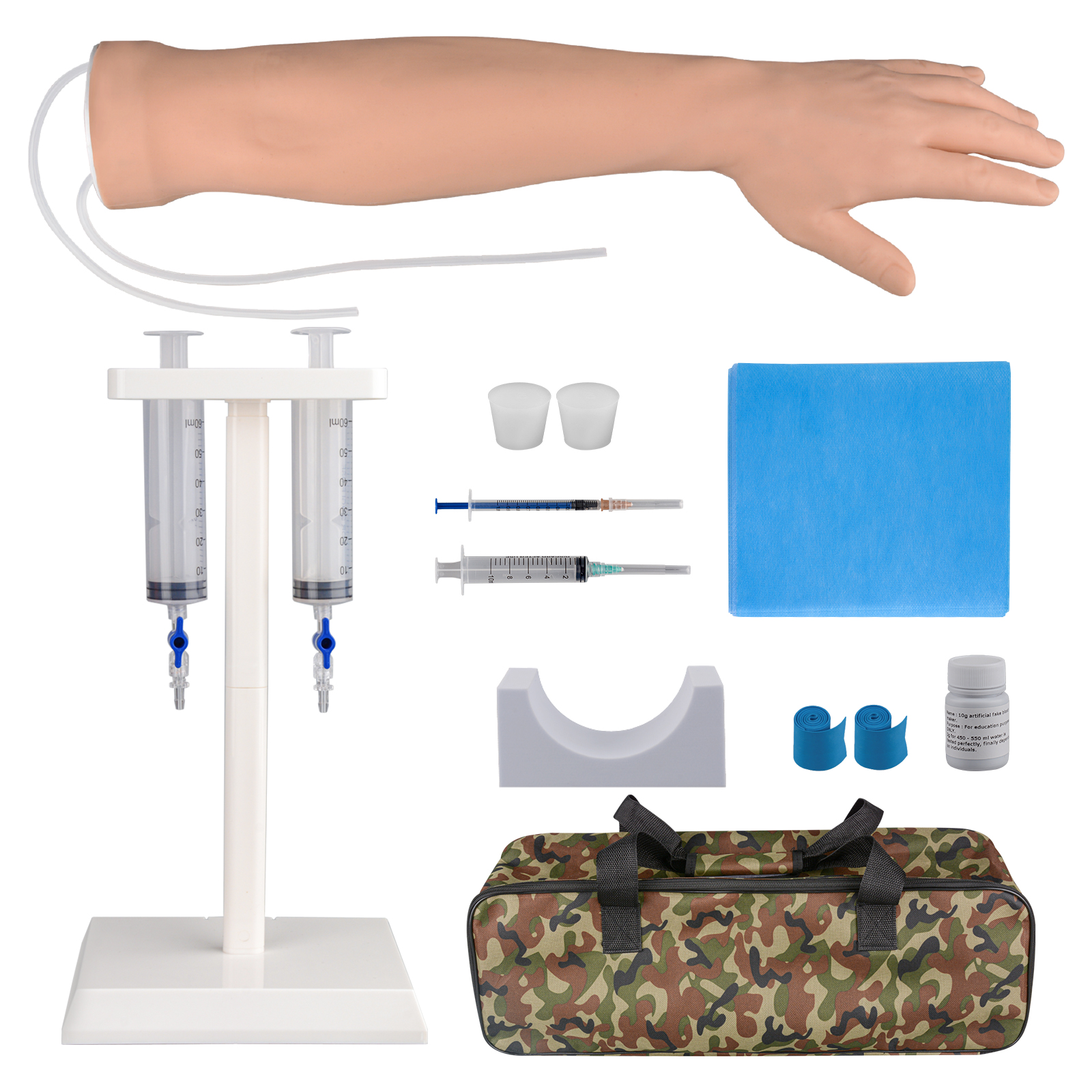
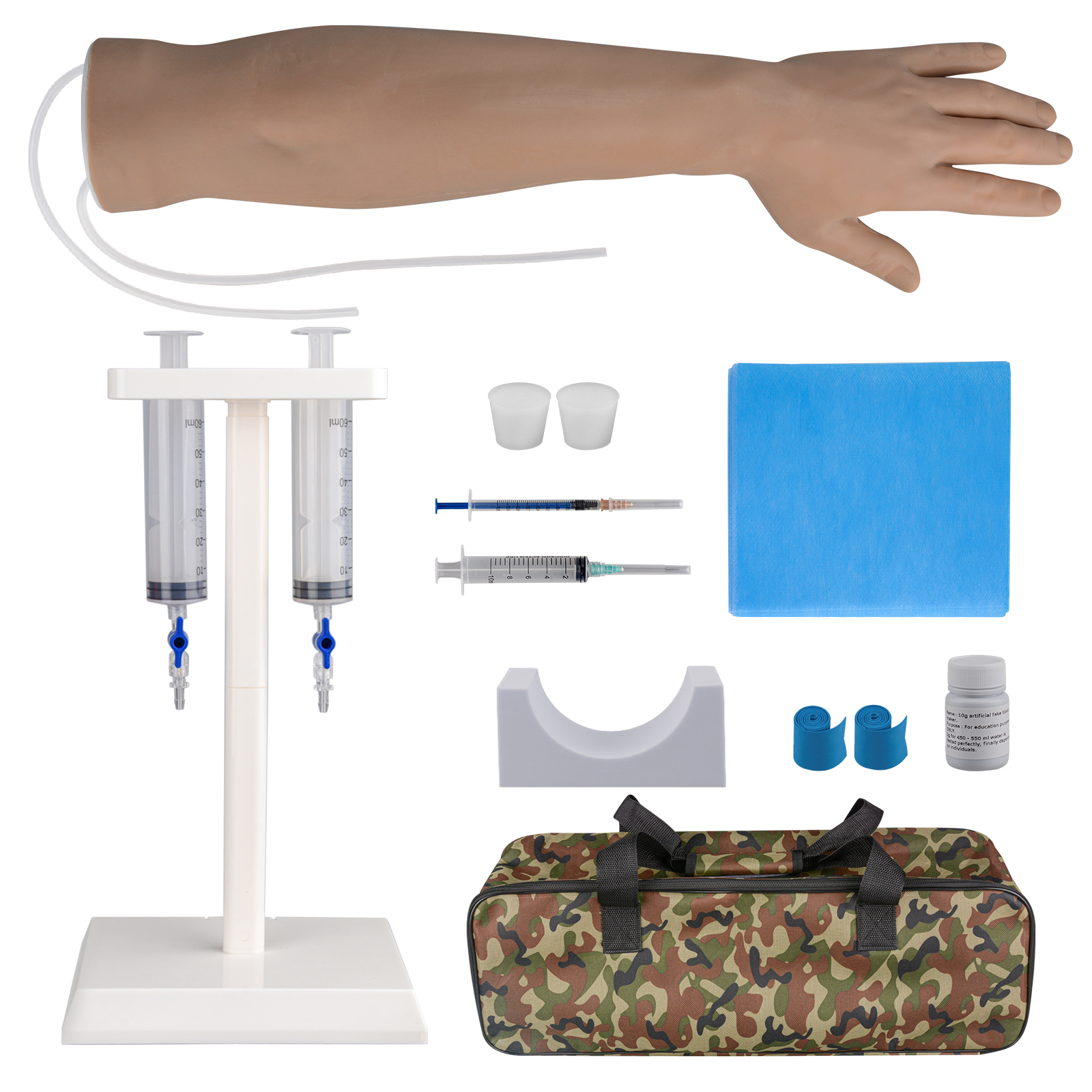
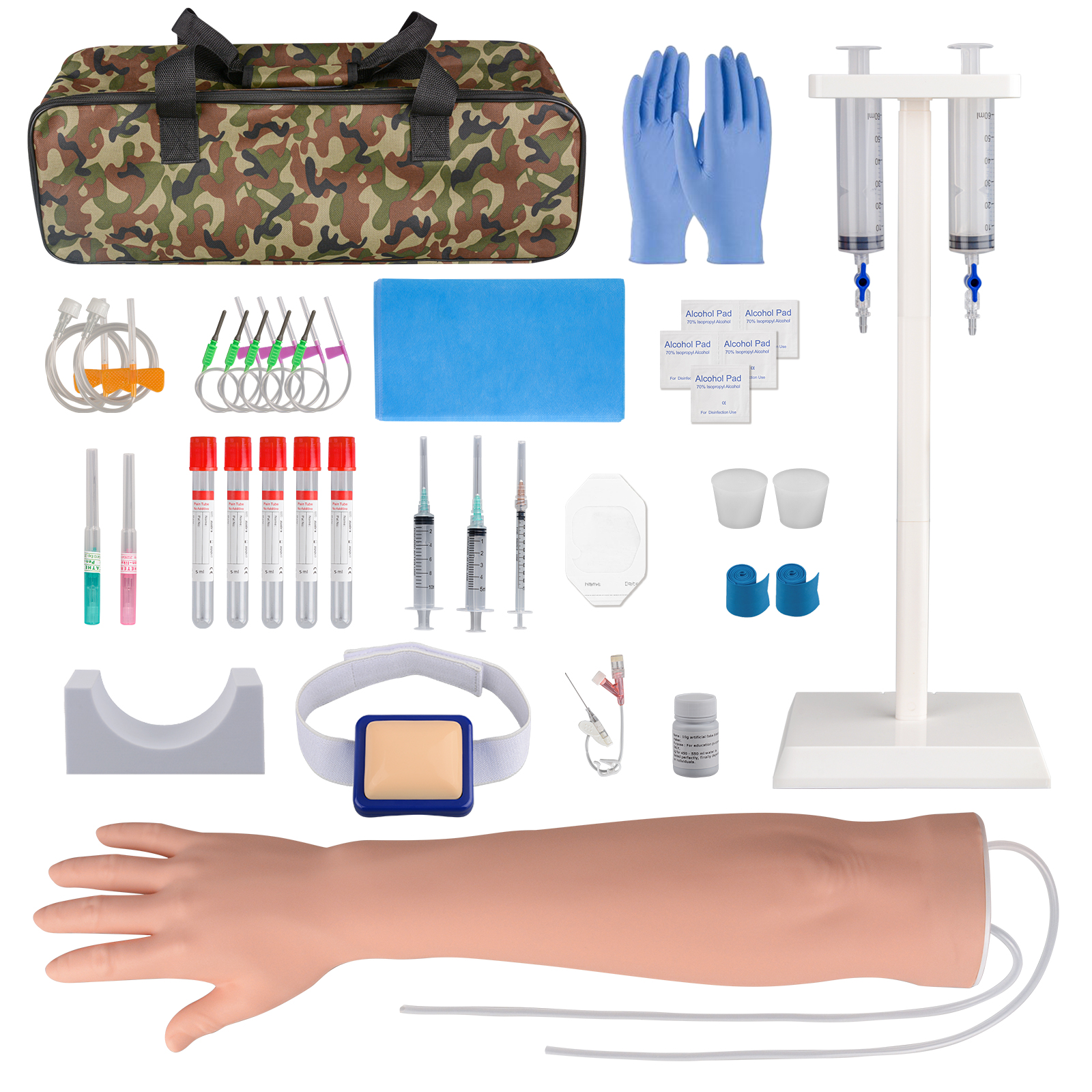
At SimCoach, we support different stages of injection and vascular access training with a complete range of practice solutions. Our portfolio includes IV practice arms for venipuncture training, arterial puncture training arm, and a variety of injection pads and simulation models designed to meet different educational goals—from basic injection practice to advanced vascular access skill development.
👉Explore all Injection Practice Kit.
Final Thoughts
While arterial puncture and venipuncture may appear similar, they serve different clinical purposes and require different levels of precision and technique. For most learners, starting with venipuncture and gradually progressing to arterial puncture creates a more effective and confidence-building learning experience. With structured practice and the right training tools, students can develop both technical skills and clinical confidence step by step.
.png?w=1672&h=941)