.png?w=1920&h=1080)
When most people think of phlebotomists, they imagine professionals drawing blood in hospitals or clinics. But did you know there’s a growing type of phlebotomist who combines healthcare skills with travel? These travel phlebotomists move between clinics, labs, community health events, and even patients’ homes, providing vital blood-drawing services wherever they’re needed.
In this guide, we’ll explore what a travel phlebotomist does, how it differs from traditional phlebotomy, the skills and qualifications you need, potential salary, and tips for starting a career in this flexible and rewarding field.
What Is a Travel Phlebotomist?
A travel phlebotomist is a blood-drawing professional who works at different locations instead of staying at one hospital or lab. They may visit clinics, laboratories, community health events, or patients’ homes to collect blood samples.
How Is It Different from a Regular Phlebotomist? The main differences between a travel phlebotomist and a regular phlebotomist are the work location, schedule, and mobility. Travel phlebotomists move between sites and often have flexible hours, while regular phlebotomists usually work in the same place with a fixed schedule. This role has become more common because mobile healthcare services, such as home blood tests and community health screenings, are increasing. Travel phlebotomists enjoy variety and gain experience in different healthcare settings.
What Skills and Qualifications Do Travel Phlebotomists Need?
To become a travel phlebotomist, you need proper training and certification. Most employers require completion of an accredited phlebotomy program and a state or national certification, such as CPT.
Travel phlebotomists must have strong blood-drawing skills and know how to handle and transport specimens safely. They also need good communication skills to help patients feel at ease and explain procedures clearly.
Other important skills include time management, adaptability, and the ability to work independently in different locations. Being organized and reliable is essential because travel phlebotomists often manage multiple appointments and work in new environments.
Salary and Career Outlook for Travel Phlebotomists
Travel phlebotomists usually earn more than regular phlebotomists because of the flexibility and mobility required. On average, annual salaries range from $35,000 to $60,000, depending on experience, location, and employer. Some positions offer additional travel allowances or per-diem reimbursements.
The career outlook is positive. As healthcare services become more mobile, the demand for travel phlebotomists is growing. Hospitals, labs, and community health programs increasingly need professionals who can work at multiple locations. For those who enjoy variety and want to gain experience in different healthcare settings, this role offers both opportunities and career growth.
How to Become a Mobile Phlebotomist?
Becoming a mobile, or travel, phlebotomist starts with proper education and training. You need to complete an accredited phlebotomy program, which teaches blood-drawing techniques, specimen handling, and lab safety.
After training, you must obtain state or national certification, such as CPT, which is required by most employers. Gaining hands-on experience in a hospital or clinic helps you become confident and efficient in blood collection.
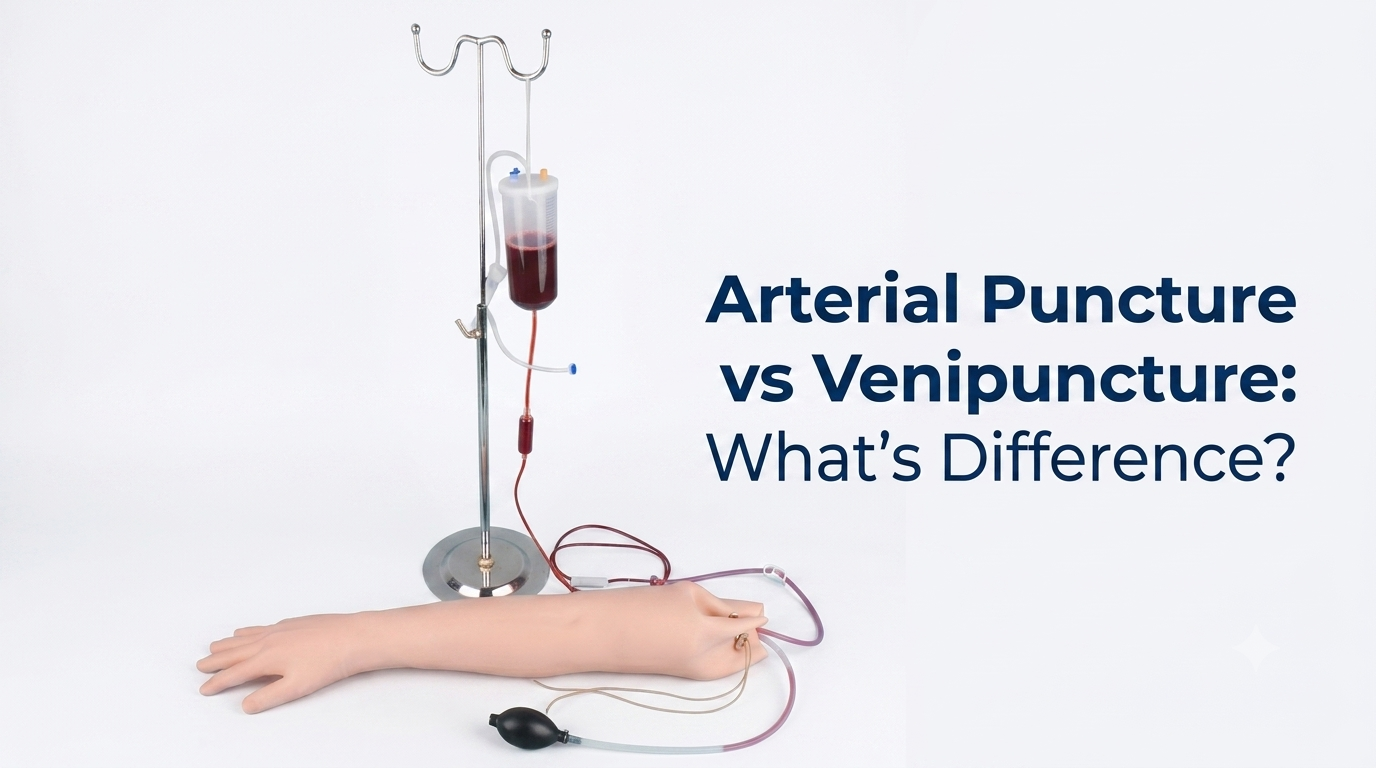
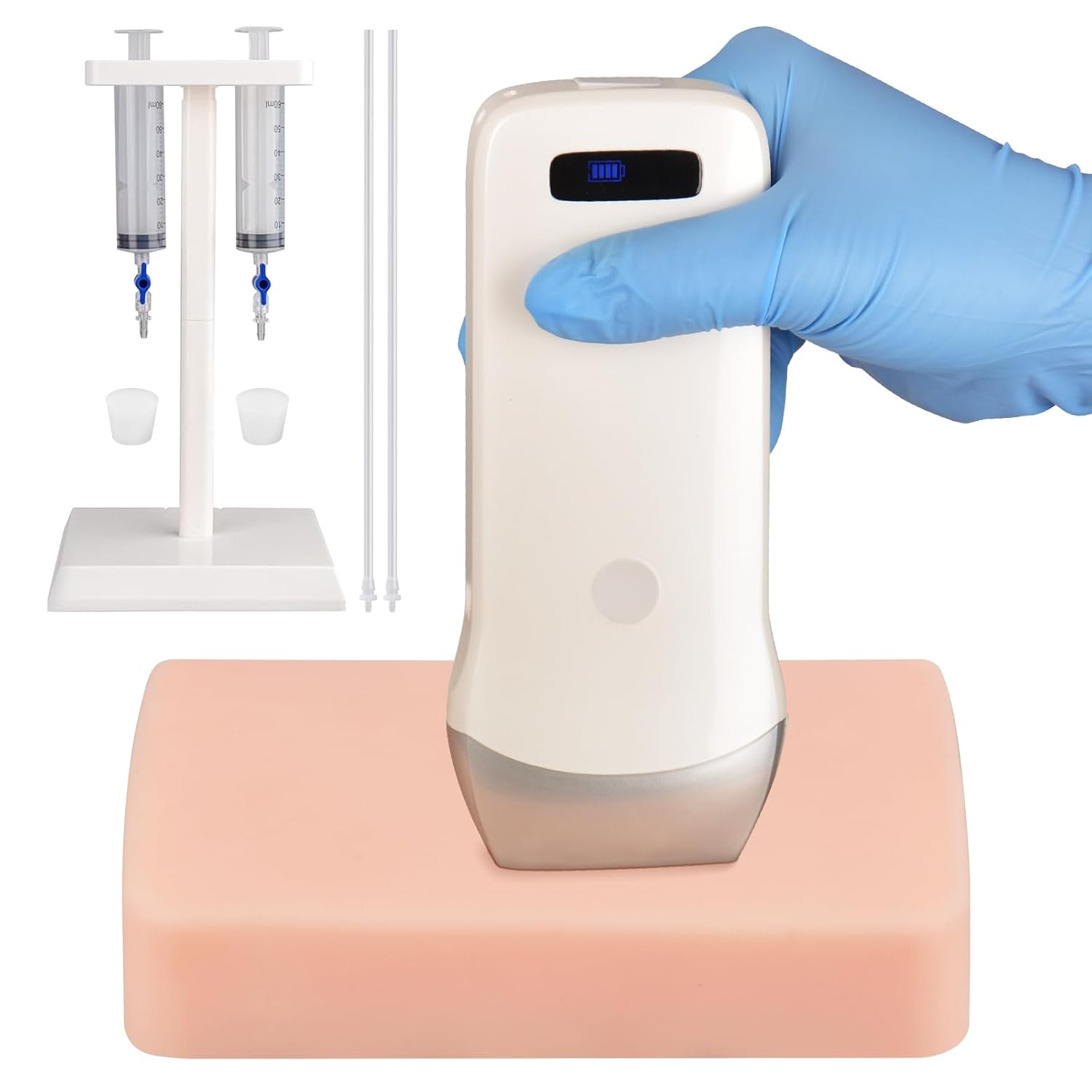
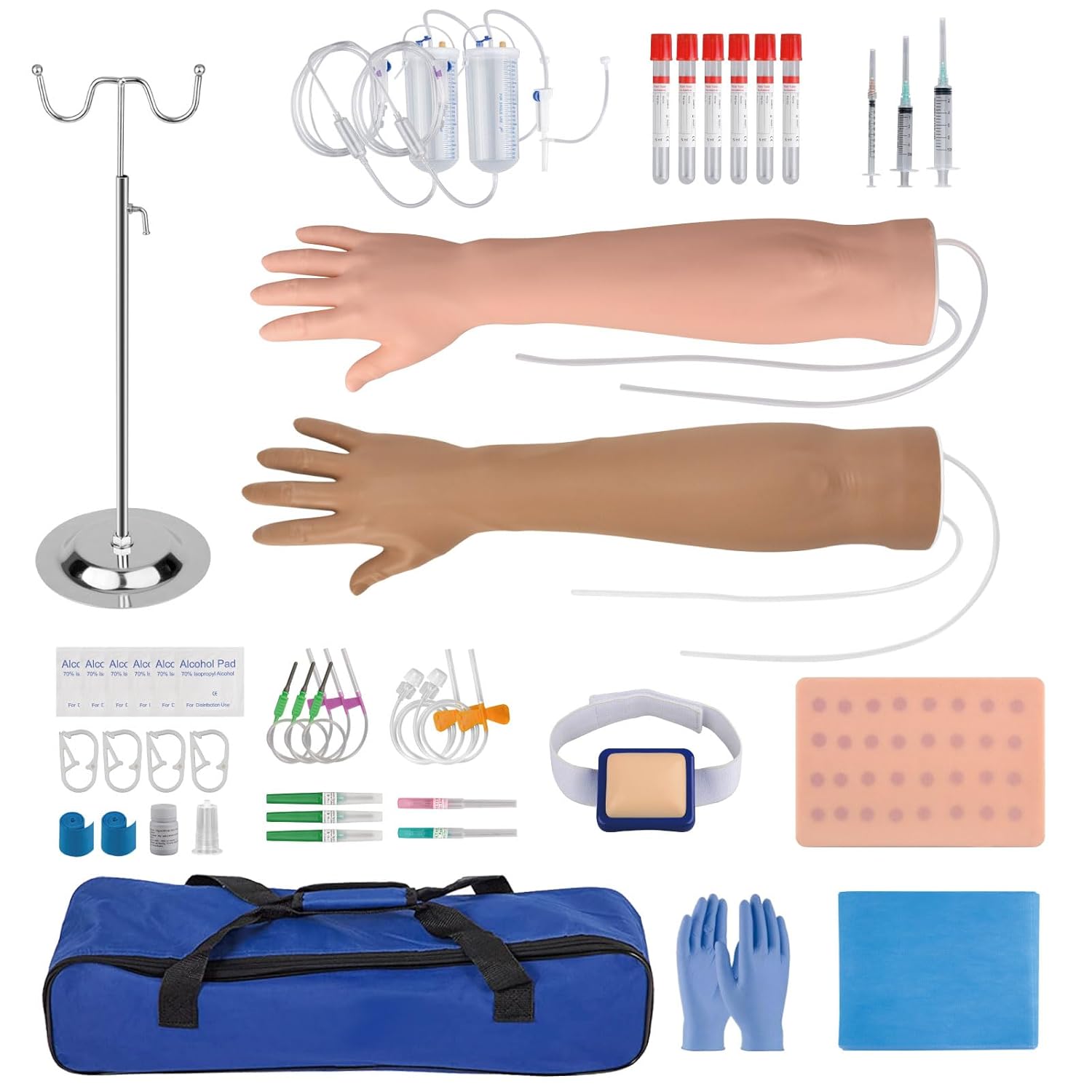
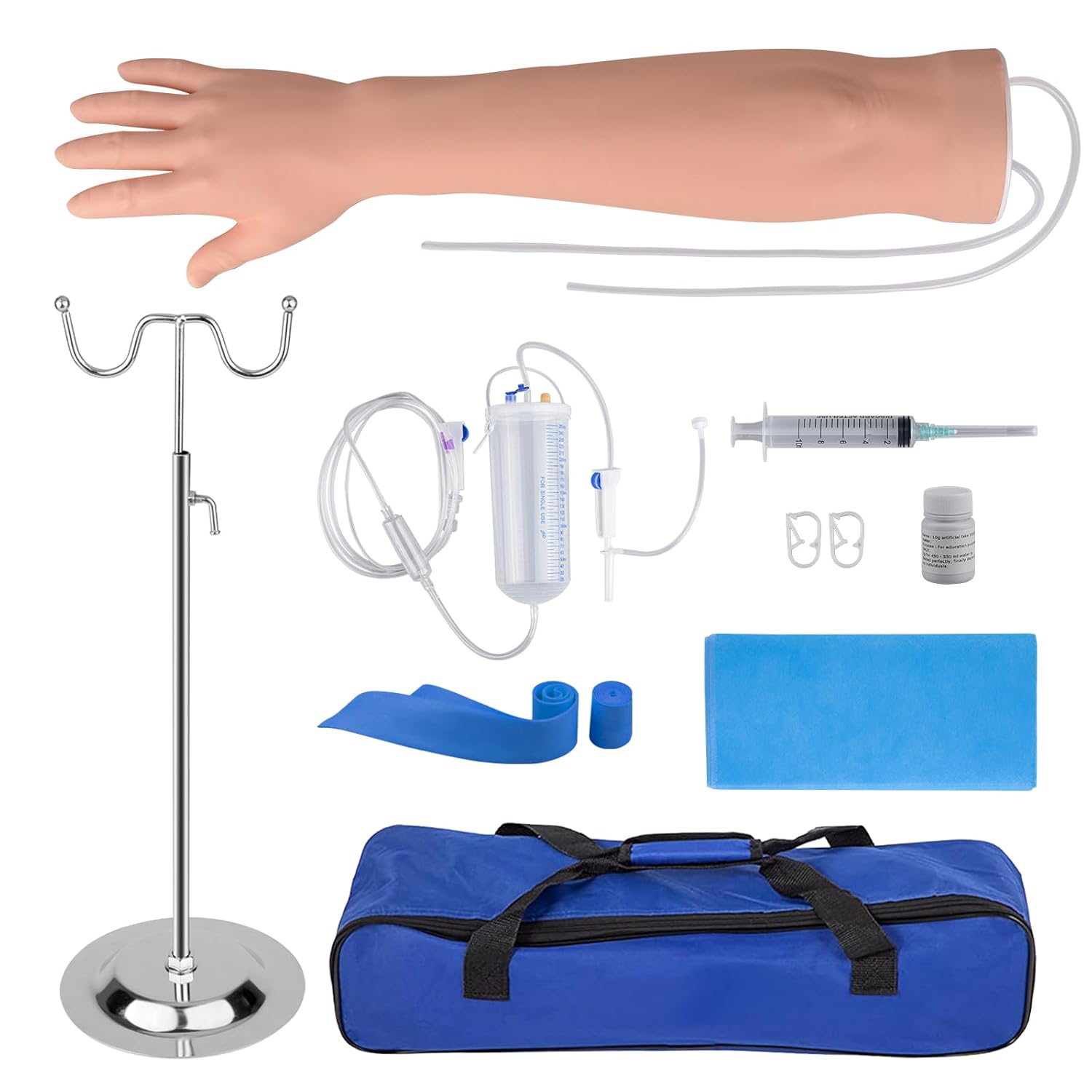
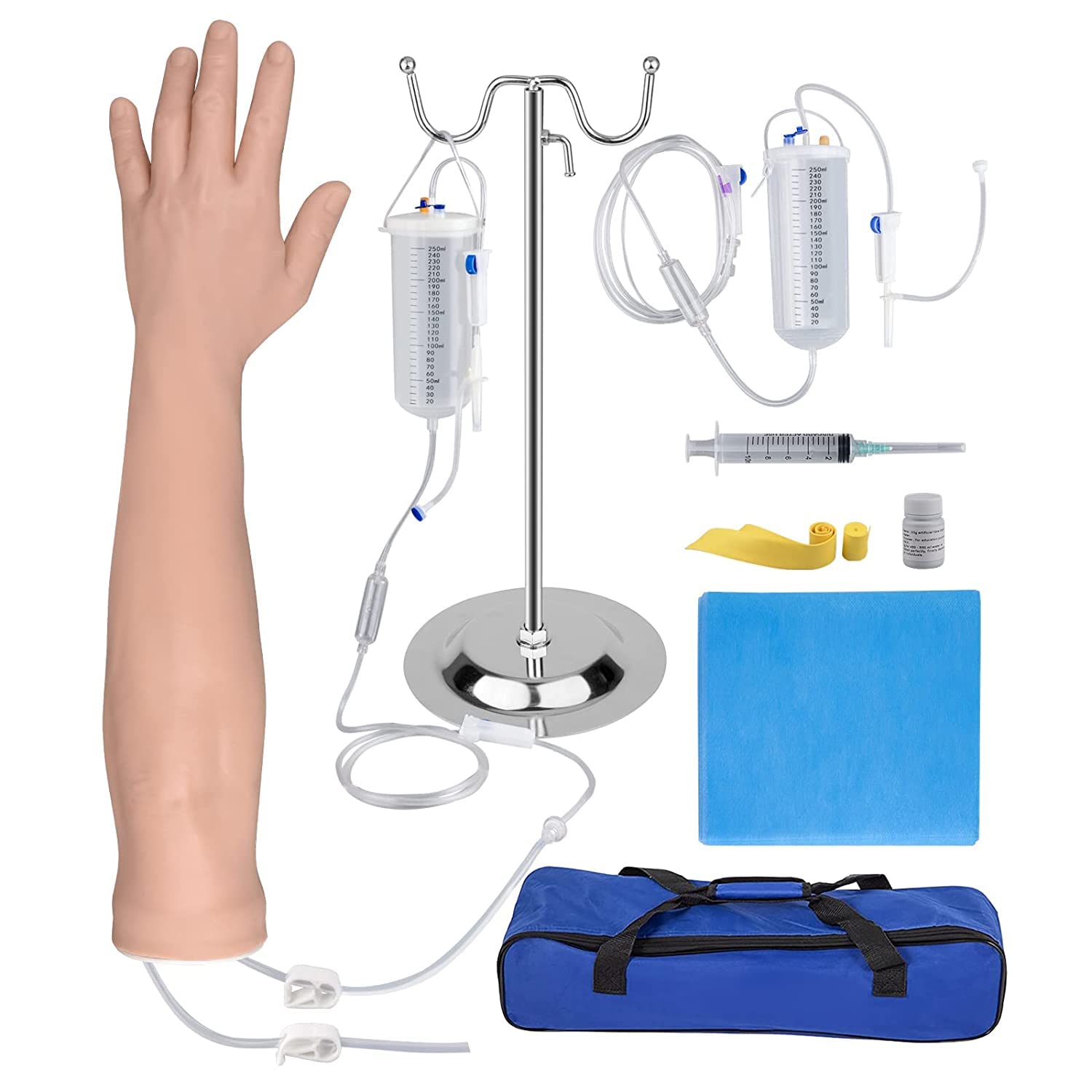
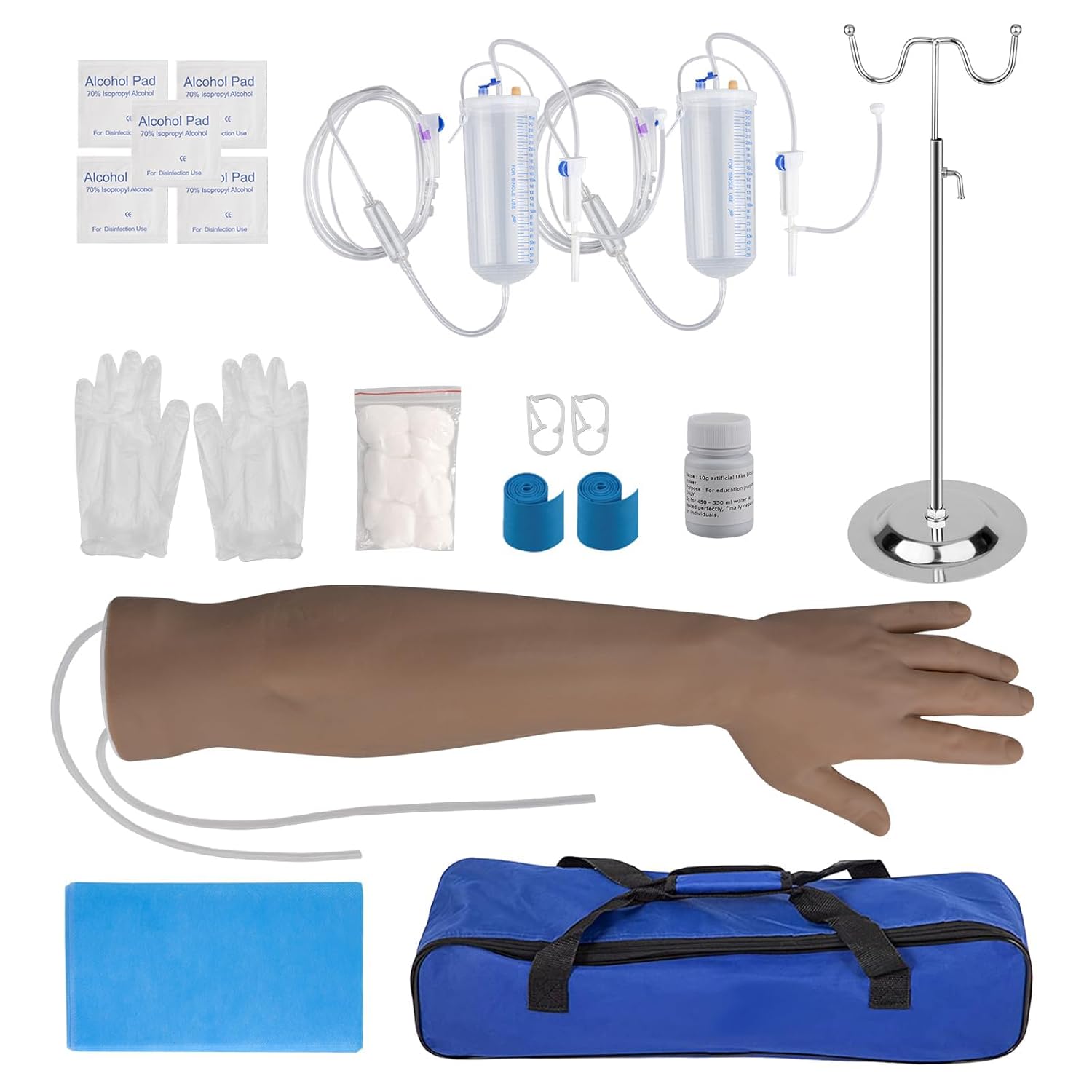
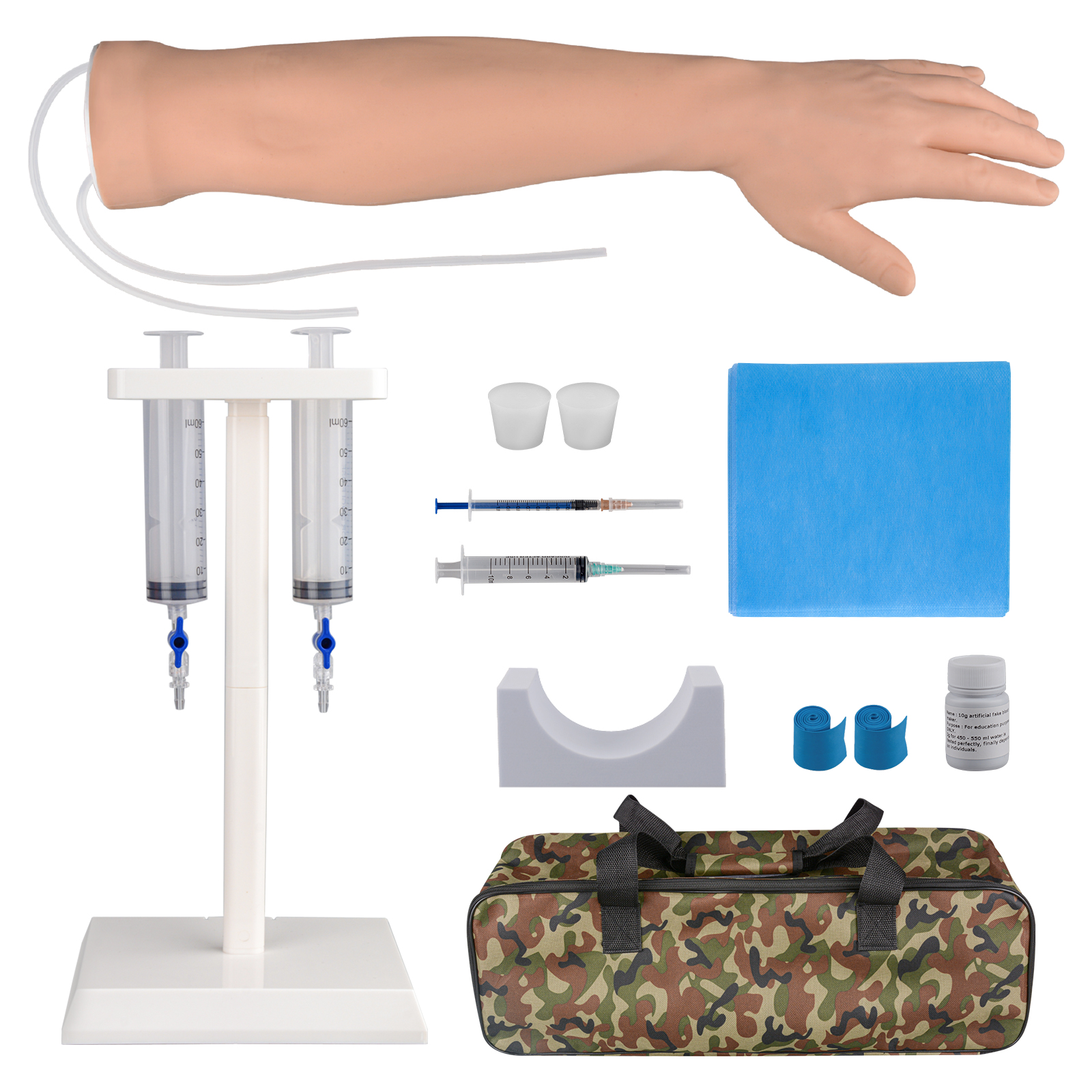
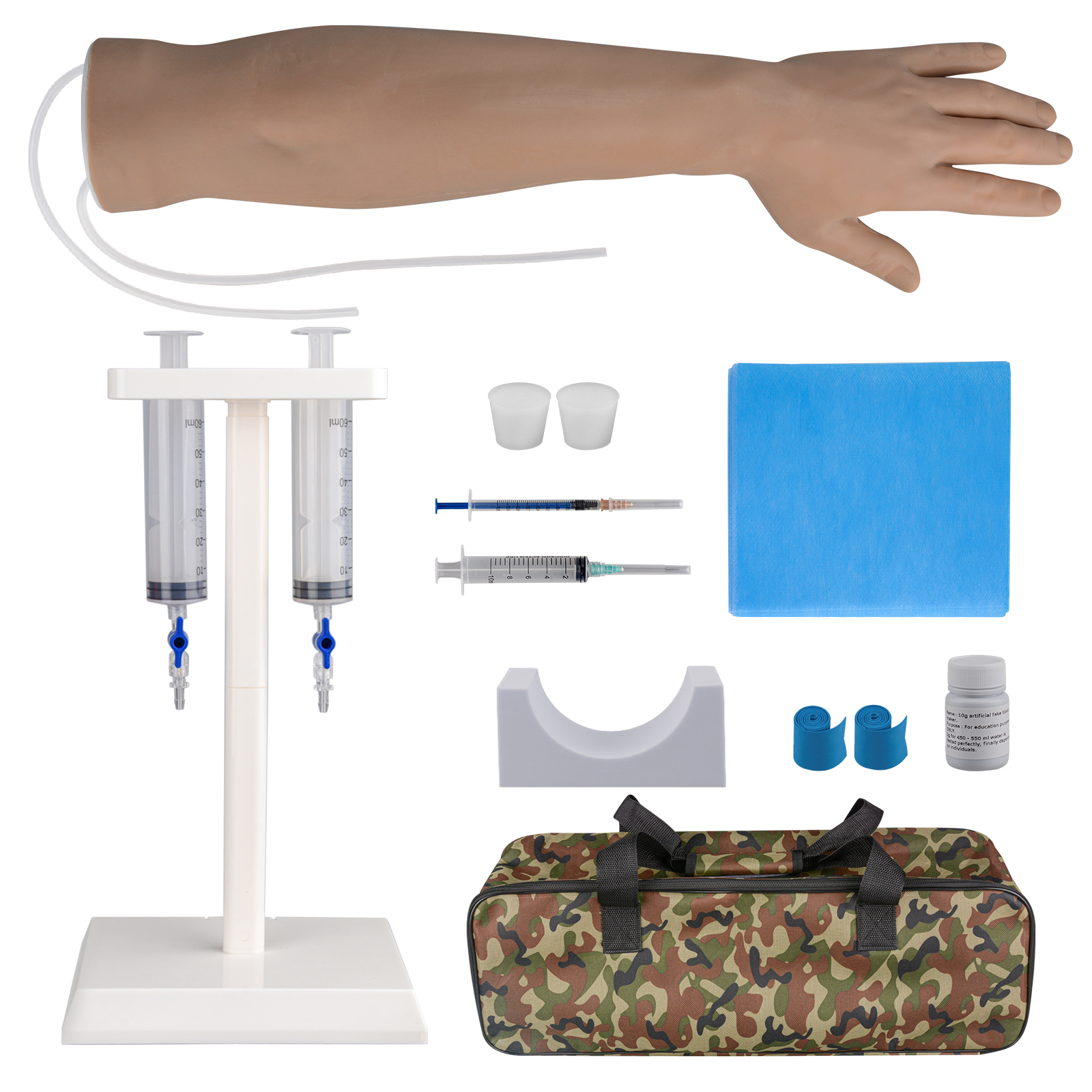
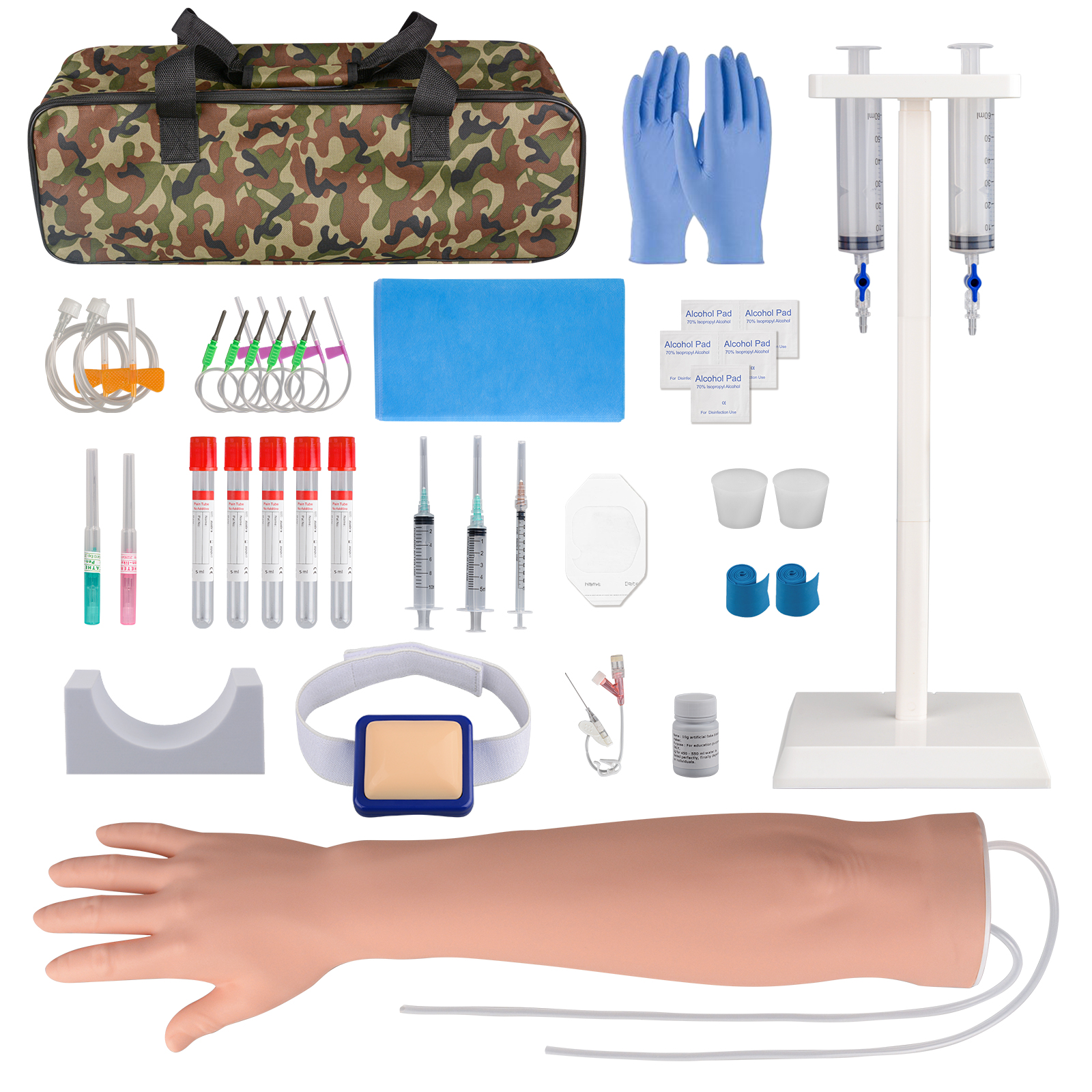
Practicing your skills regularly is also important. Tools like phlebotomy training kits and simulation arms allow you to improve technique, learn proper needle handling, and build confidence before working with real patients.
In addition to technical skills, you need to be organized, adaptable, and able to work independently. Travel phlebotomists visit different locations, so good time management and communication skills are essential. Building a professional network can help you find mobile healthcare opportunities.
How to Find Travel Phlebotomist Jobs?
Finding a travel phlebotomist job usually starts with checking medical staffing agencies, healthcare job boards, and hospital or laboratory websites. Many temporary or contract positions are listed online, and some community health programs also hire mobile phlebotomists for events or home visits.
Networking is another effective way to find opportunities. Connecting with other phlebotomists, joining professional associations, or attending healthcare job fairs can help you learn about openings that may not be advertised.
Overall, travel phlebotomist positions are growing in demand as more healthcare services become mobile. While some areas may have more opportunities than others, qualified and certified phlebotomists with good experience often find it relatively easy to secure positions.
Conclusion
If a career as a travel phlebotomist sparks your interest, now is the time to take action. Start by exploring training programs, practicing your skills, and getting certified. Using phlebotomy and venipuncture training kits can help you gain confidence and improve your technique before working with real patients. With the right preparation and dedication, you can take the first step toward a flexible and rewarding healthcare career.