Tuberculosis (TB) is a preventable and treatable disease, yet it still affects millions of people worldwide. You may have seen or heard about a TB test during school physicals, pre-employment checkups, or medical screenings, but what exactly does it check for? How should the results be interpreted? And if the test comes back positive, does that mean you have TB?
This article will explain in simple, easy-to-understand terms what a TB test is, its purpose, the methods used, and how to properly interpret the results.
What Is a TB Test?
A TB test, short for Tuberculosis Test, is a medical examination used to screen for tuberculosis. Its main purpose is to help healthcare providers determine whether you have ever been infected with the tuberculosis bacteria, or whether you may have a latent TB infection.
It is important to note that a TB test is not a definitive diagnosis of active TB disease; rather, it is an early screening tool. The goal is to identify people who may have TB disease or TB infection as early as possible, so they can receive further evaluation and appropriate medical care.
According to the World Health Organization (WHO) guidelines on TB diagnosis, countries typically follow a risk-based screening strategy: they generally start with symptom screening and, if necessary, follow up with confirmatory tests. WHO’s diagnostic module recommends that the initial approach include symptom screening, chest X-ray triage, and rapid molecular testing.
When Should You Get a TB Screening?
You should consider getting a TB screening if you have symptoms that may suggest TB disease, such as a persistent cough, fever, night sweats, or unexplained weight loss, which are commonly assessed using the W4SS (Four-Symptom Screen), or if you have had close contact with someone who has been diagnosed with tuberculosis.
In addition, many screening programs proactively target high-risk groups to detect TB infection early and reduce the risk of transmission. Common high-risk groups include:
- Household members or close contacts of people with TB
- People living with HIV
- Individuals living or working in congregate settings, such as shelters or prisons
- People from, or who frequently travel to, regions with a high prevalence of TB
Methods for Detecting TB Infection
Currently, there are two common ways to screen for TB infection: the tuberculin skin test (TST) and blood tests (IGRA).
Tuberculin Skin Test (TST)
- Also called the Mantoux test.
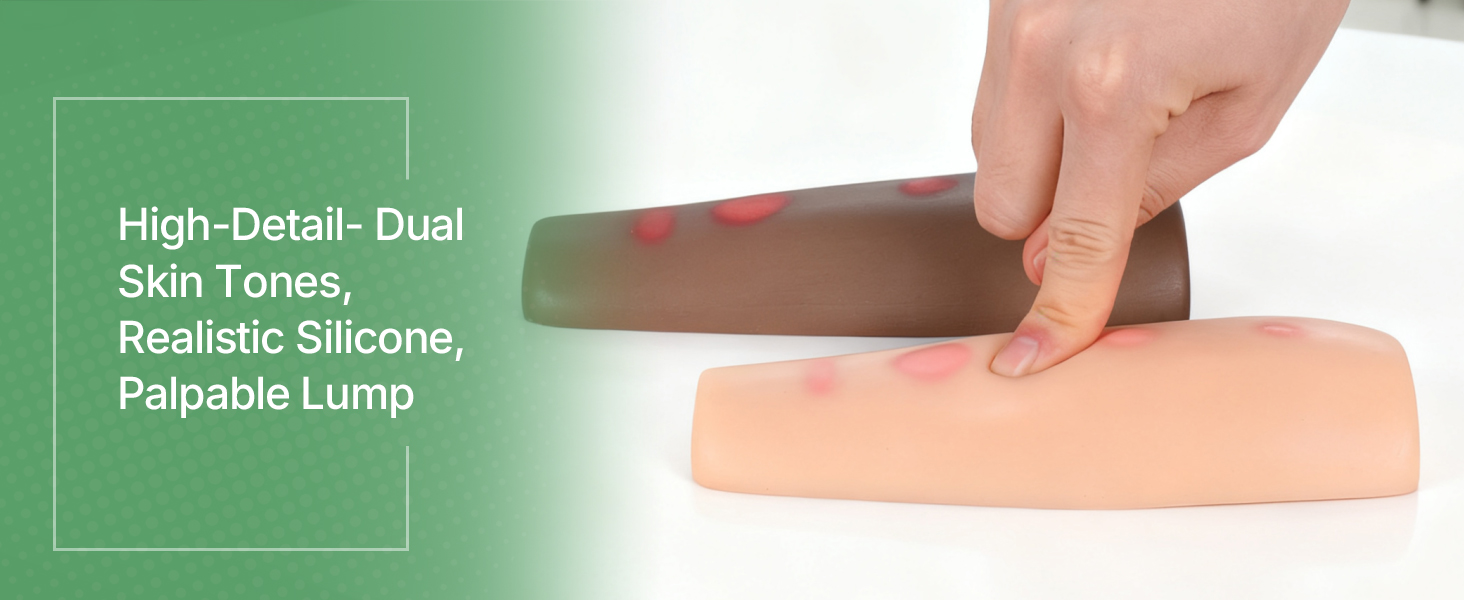
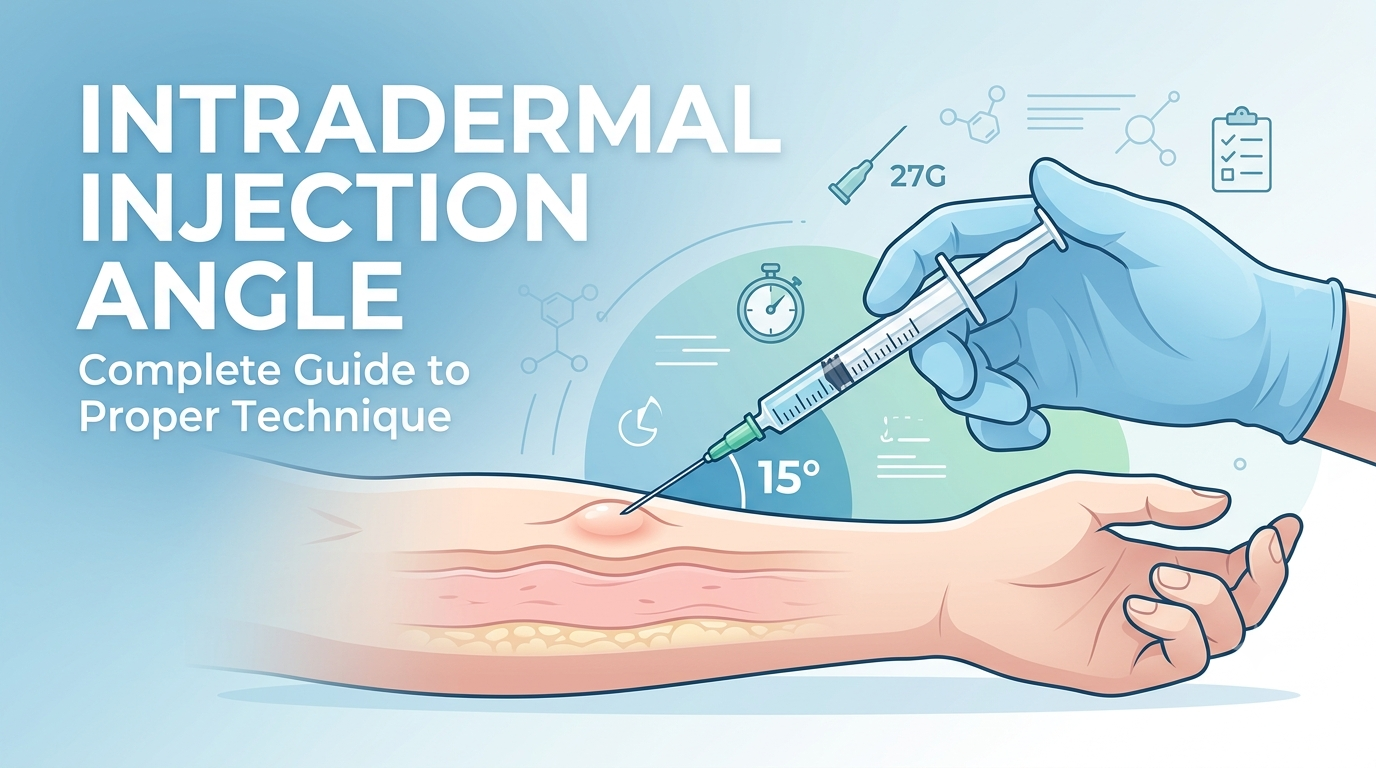
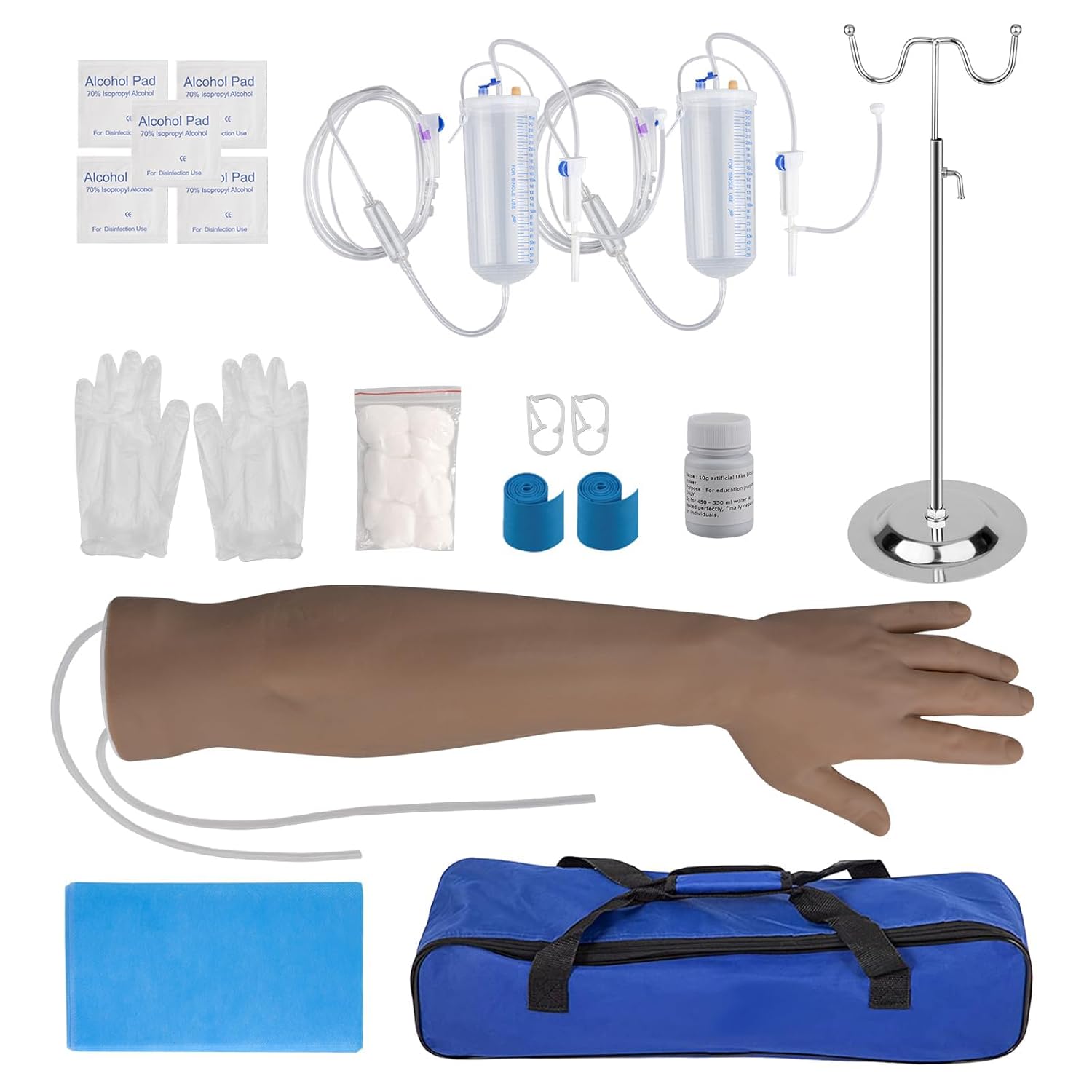
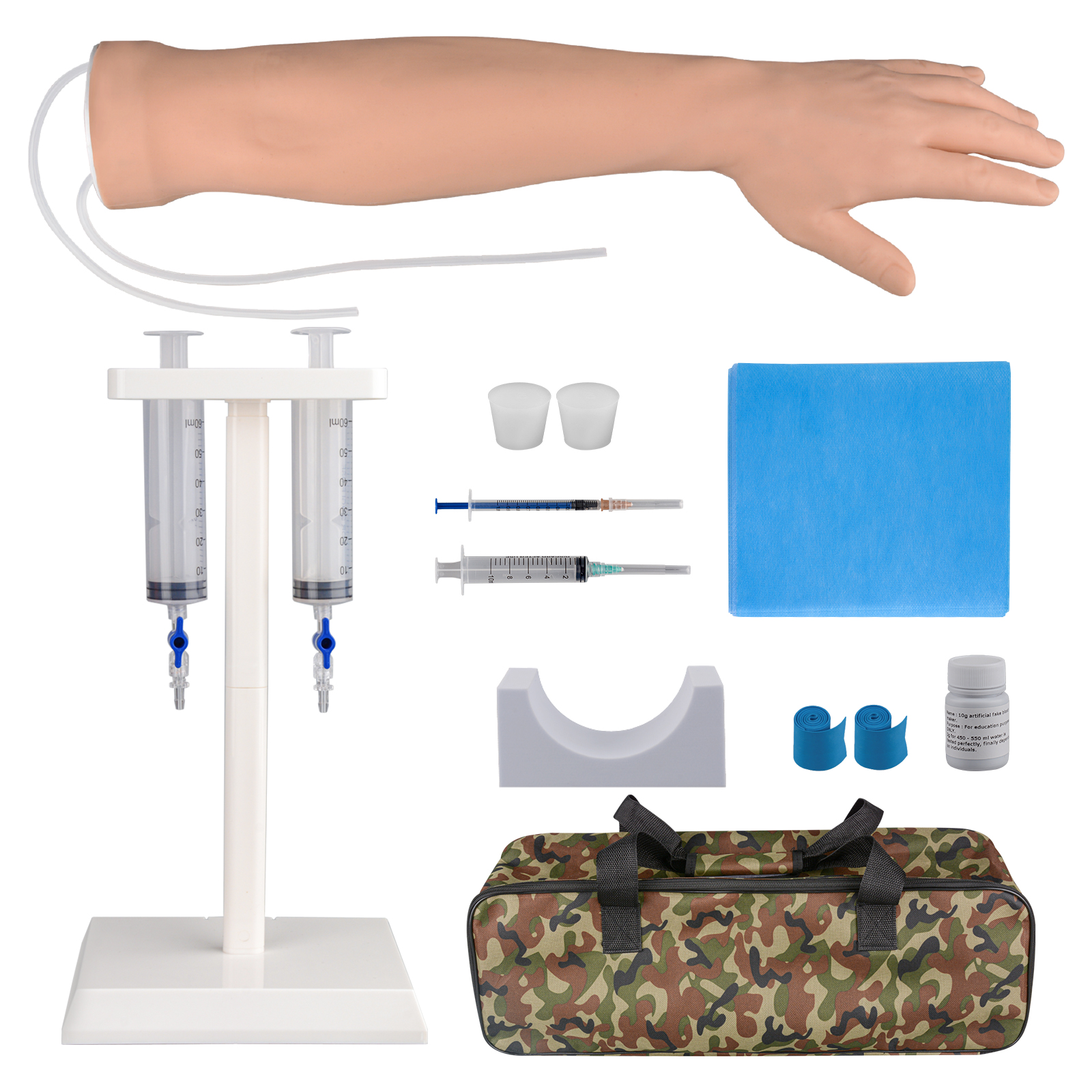
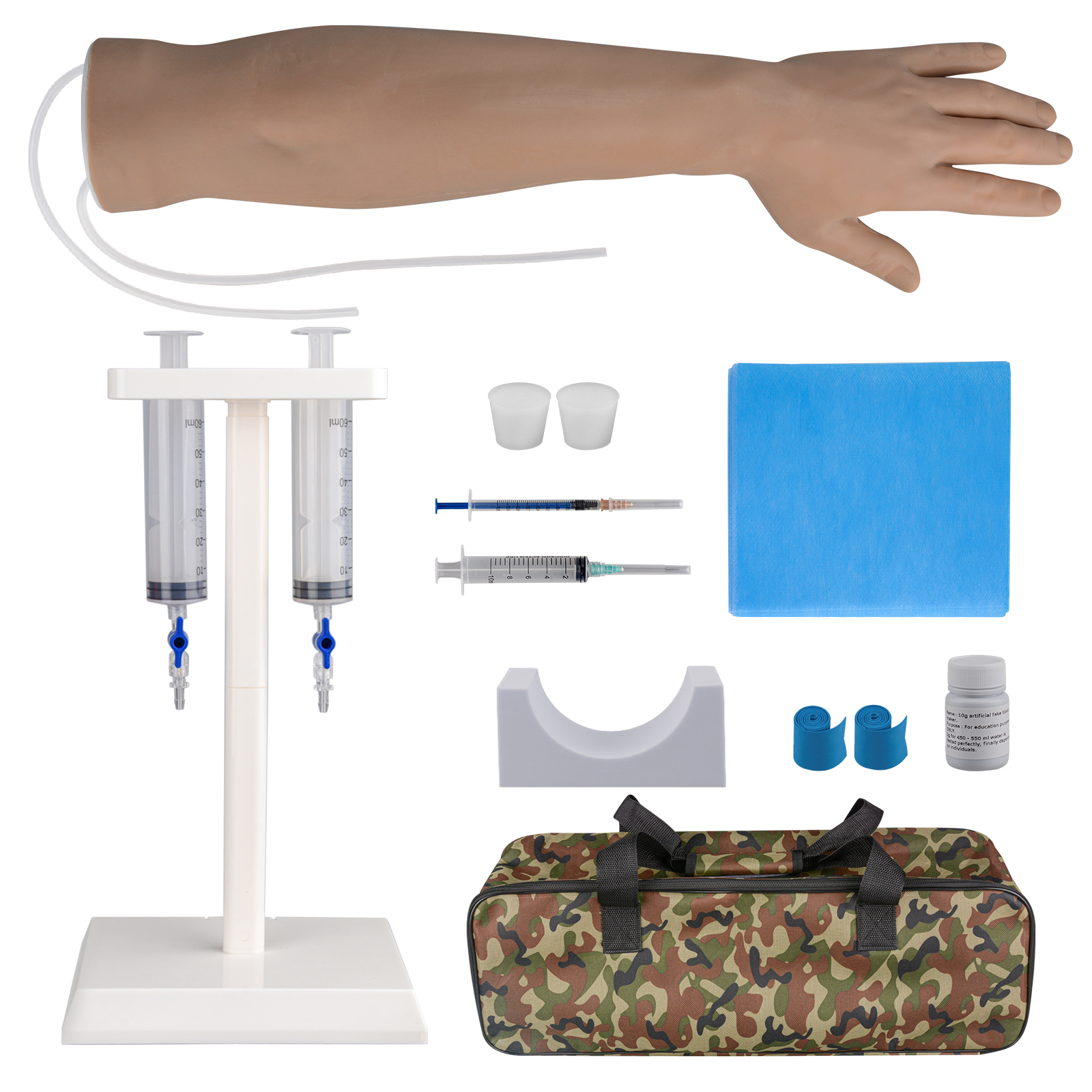
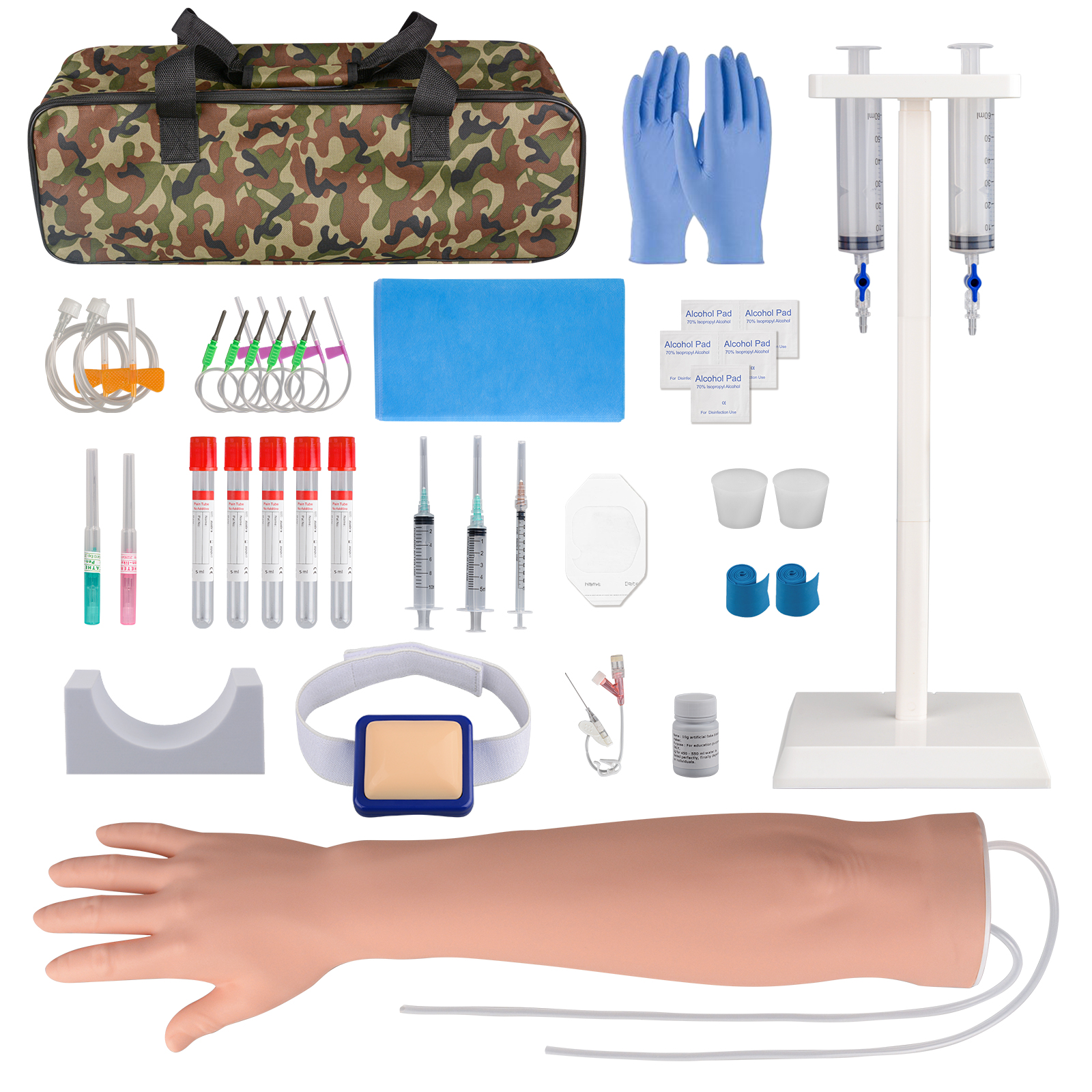
- How it’s done: A small amount of tuberculin (PPD) is injected into the inner forearm. After 48–72 hours, a healthcare professional examines the injection site for the presence of a firm raised area (induration).
- Interpreting the results: Note that redness or swelling alone does not indicate a positive result; the test is interpreted based on the size of the induration.(The measurement method is shown in the figure below.)

- When induration is present:
1. <5 mm induration: Generally considered negative. For high-risk individuals, clinical symptoms and history should also be considered.
2. ≥5 mm induration: Positive for high-risk groups (e.g., HIV-infected individuals, recent contacts of infectious TB patients, immunocompromised people).
3. ≥10 mm induration: Positive for moderate-risk groups (e.g., individuals born in high-TB-burden countries, residents or workers in congregate settings, people with certain medical conditions).
4. ≥15 mm induration: Positive for individuals with no known risk factors.
If a firm raised area (induration) appears at the injection site, it indicates a possible TB infection, but it cannot directly confirm active TB disease. For individuals who have received the BCG vaccine, the result may also be affected. In such cases, the findings should be interpreted in combination with chest X-rays, symptom evaluation, or other laboratory tests to make a comprehensive assessment.
TB Blood Test (IGRA)
- Full name: Interferon-Gamma Release Assay (IGRA).
- How it’s done: A small amount of blood is drawn to measure the immune system’s response to TB-specific proteins.
- Interpreting the results:
1. Negative: Interferon levels in the blood are within the normal range, indicating that TB infection is unlikely.
2. Positive: Elevated interferon levels suggest a possible TB infection, which requires further evaluation.
In general, although IGRA can provide a direct positive or negative result, healthcare providers typically choose the TST for routine physicals, school entry, or pre-employment screenings, because it is simple to perform, cost-effective, and more suitable for large-scale population screening.
Conclusion
In fact, the purpose of a TB test is simply to help you understand whether you may have a TB infection and to provide a basis for any necessary follow-up evaluation. By understanding the role of the TB test and how to interpret the results, you can approach your medical checkups with greater confidence and take timely, informed actions to protect your own health and that of your family. Early detection and attention reflect a responsible approach to both yourself and those around you.
🛒Explore TB Skin Test Training Model→