-(8).png?w=650&h=488)
When patients arrive in the emergency room, not everyone can be treated immediately. This is where triage nurses play a critical role. They quickly assess each patient’s condition and determine who needs urgent care. So, who exactly are triage nurses, and what skills do they need to possess?
What is a Triage Nurse
A triage nurse plays an essential role in emergency care. The term “triage” comes from the French word trier, meaning “to sort” or “to select.” Triage nurses are responsible for quickly assessing patients as they arrive at a healthcare facility, determining the urgency of their condition, and deciding who needs immediate attention. They are typically registered nurses (RNs) with strong clinical judgment and extensive nursing experience.
Unlike regular nurses, triage nurses focus less on routine care tasks and more on making rapid decisions in high-pressure environments. Their role is to ensure that the most critical patients receive timely treatment while providing key preliminary information to doctors and other healthcare team members. To do this effectively, triage nurses need not only clinical skills but also quick decision-making abilities and excellent communication skills.
What Do Triage Nurses Do
Triage nurses do much more than simply decide who sees the doctor first. They work in fast-paced, high-pressure environments and must make critical decisions quickly. Their daily responsibilities include:
1. Greeting and collecting patient information
Triage nurses are the first point of contact for patients. They gather information about the patient’s chief complaint, medical history, allergies, and verify identity and registration details.
2. Measuring vital signs
Quickly check blood pressure, heart rate, respiratory rate, temperature, and oxygen saturation to provide essential data for assessing the patient’s condition.
3. Rapid patient assessment
Use triage systems, such as the Emergency Severity Index (ESI), or hospital guidelines to determine the urgency of each patient’s condition and decide the priority for treatment.
4. Communication and coordination
Maintain close communication with doctors and the nursing team, arrange necessary tests or treatments, and explain waiting processes to patients and their families to reduce anxiety.
5. Documentation and follow-up
Record assessment results, vital signs, and changes in the patient’s condition in the medical record, and continuously monitor patients while they wait to ensure safety.
-(9).png?w=650&h=488)
How to Become a Triage Nurse?
If you want to become a triage nurse, you need to complete specific education and training while acquiring the necessary professional skills and qualifications.
Professional Skills
- Emergency assessment skills: Familiarity with triage systems, such as the Emergency Severity Index (ESI), and the ability to quickly identify critically ill patients.
- Clinical skills: Proficiency in measuring vital signs, basic life support (BLS), and managing intravenous access.
- Communication and coordination: Ability to communicate effectively with doctors, the nursing team, patients, and their families to ensure smooth healthcare processes.
- Decision-making and prioritization: Capability to quickly determine treatment priorities when multiple patients arrive simultaneously.
Qualifications
- Registered Nurse (RN) license: Must hold a valid and legal RN license.
- Clinical experience: Typically requires experience in emergency departments or related acute care units.
- Additional certifications (optional but beneficial): Advanced Cardiovascular Life Support (ACLS), Basic Life
- Support (BLS), or specialized triage nurse training certificates.
Career Development, Salary, and Prospects
The career development of a triage nurse typically begins as a registered nurse (RN). By gaining clinical experience and participating in specialized training, nurses gradually become experts in emergency care. As their skills and experience grow, so do their salary and career advancement opportunities.
Career Path
- Complete a nursing education program and obtain an RN license, which is the foundation for becoming a triage nurse.
- Gain experience in the emergency department or other acute care units to improve patient assessment and emergency management skills.
- Participate in specialized triage training or certification programs to further enhance professional capabilities.
Salary
Triage nurse salaries vary based on location, experience, and qualifications. In the United States, entry-level triage nurses typically earn around $50,000–$65,000 per year, while senior or highly experienced nurses can earn $70,000–$90,000 or more annually. As nurses gain skills, experience, and advance in their careers, their salaries generally increase significantly.
Advancement Opportunities and Future Outlook
- Senior Triage Nurse: Guides new staff and participates in managing emergency department workflows.
- Emergency Department Nurse Manager: Oversees and coordinates the emergency department team.
- Education and Training Roles: Involvement in triage nurse training programs or continuing education initiatives to train new nurses.
- Future career paths include advanced emergency nursing specialist roles, nursing management positions, or medical education. By pursuing continuing education and professional certifications, triage nurses can continuously improve their skills and competitiveness in the field.
Conclusion
Triage nurses are the first line of defense in the emergency room, and their work directly impacts patients’ lives. If you are passionate about emergency care and eager to make a critical difference in high-pressure situations, a career as a triage nurse can be both challenging and highly rewarding.
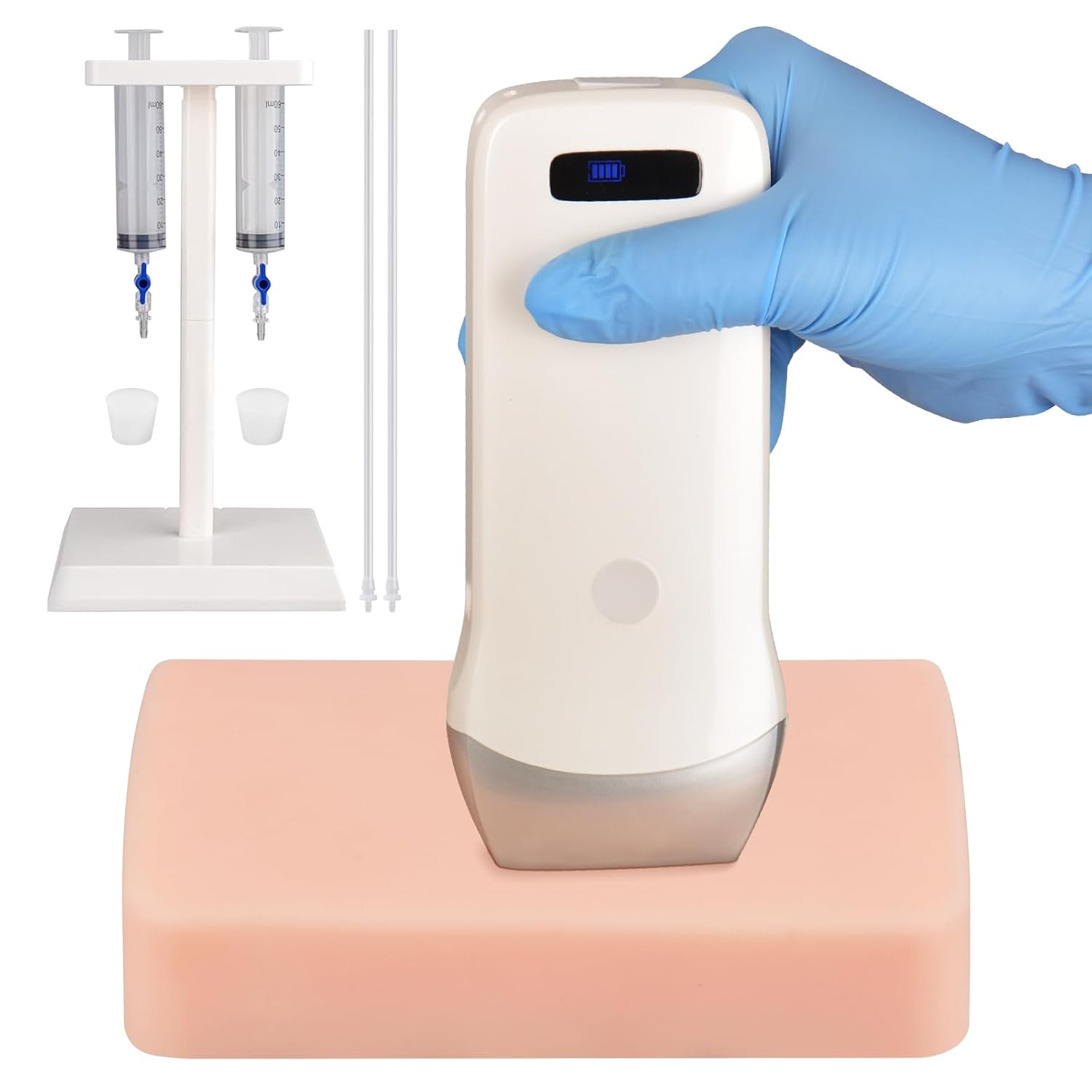
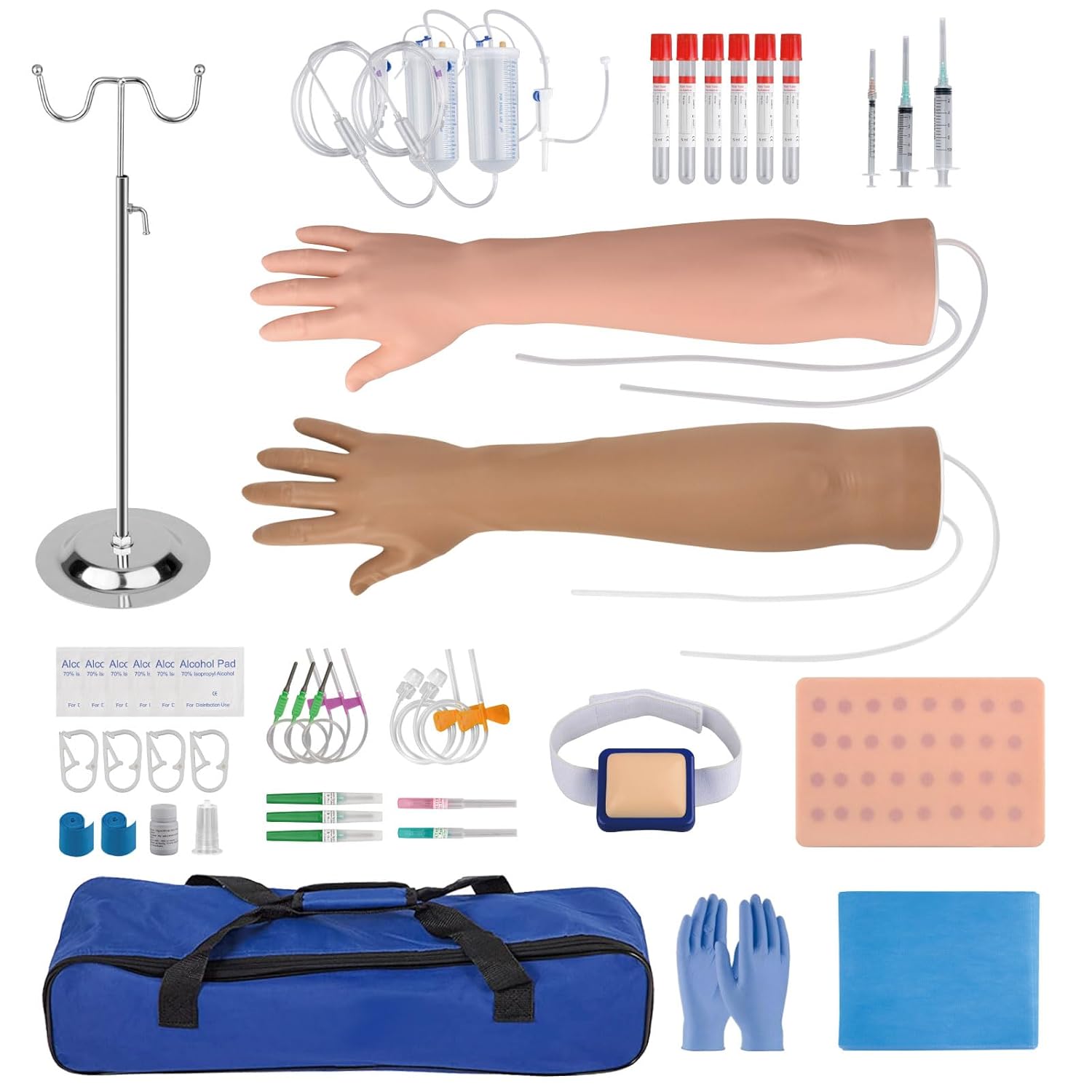
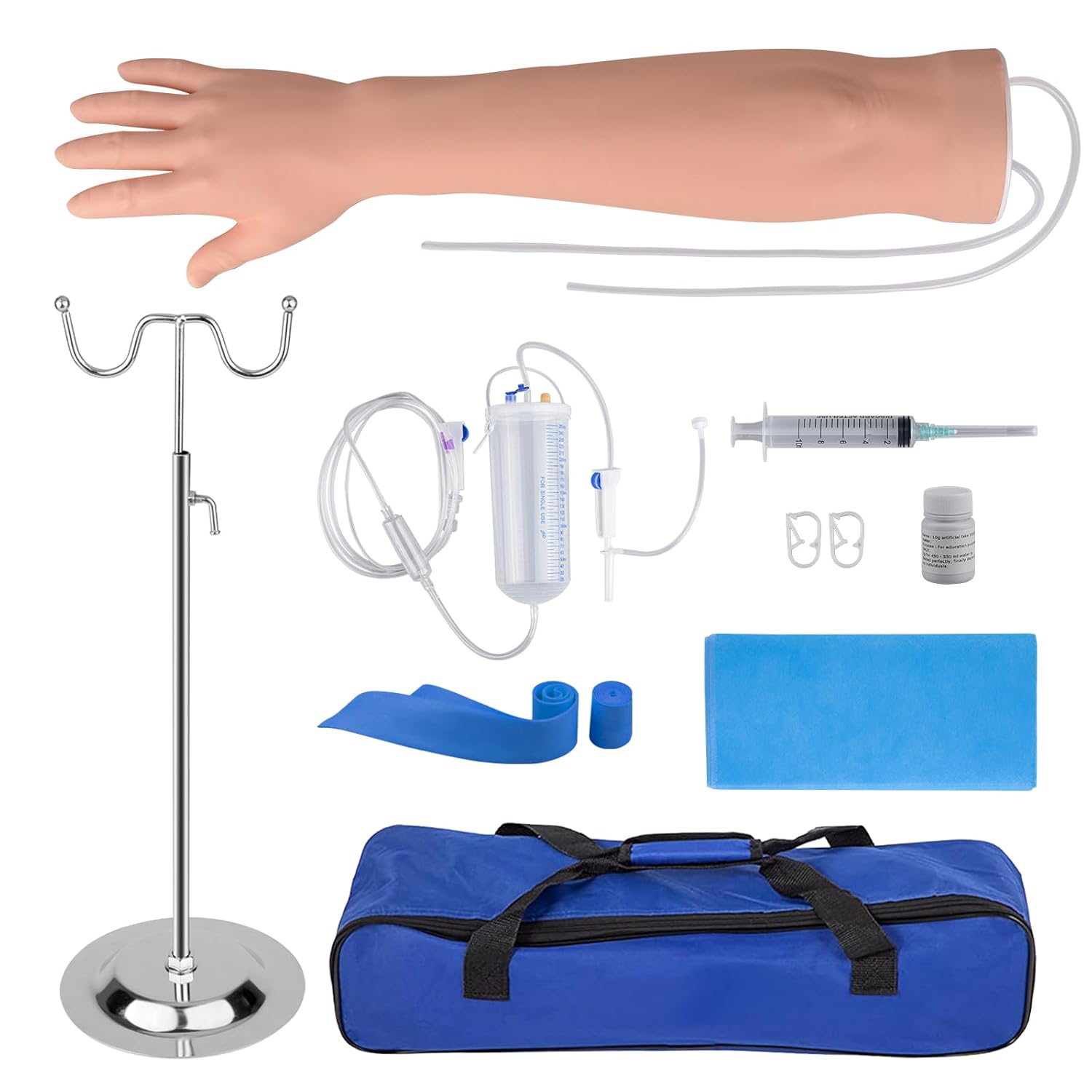
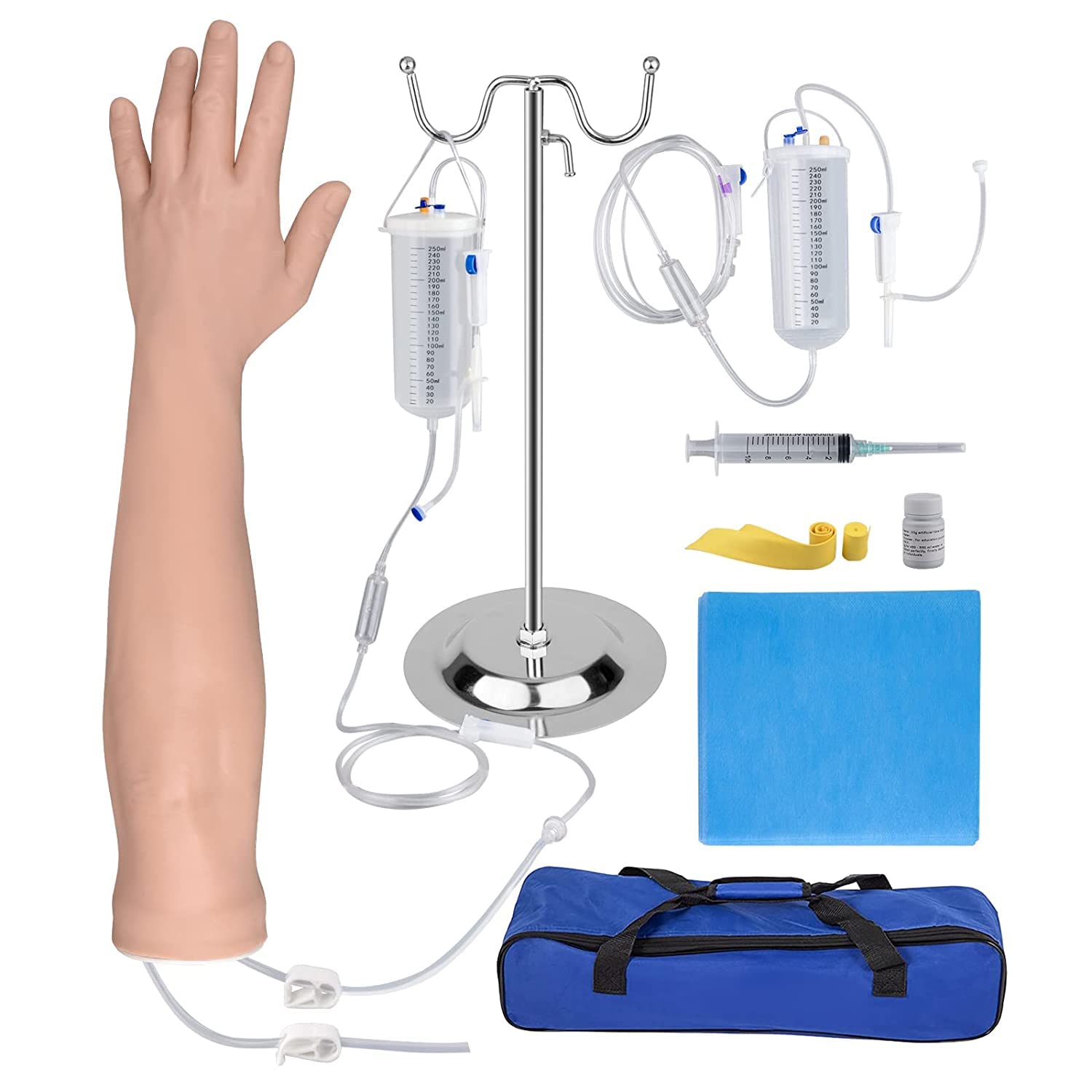
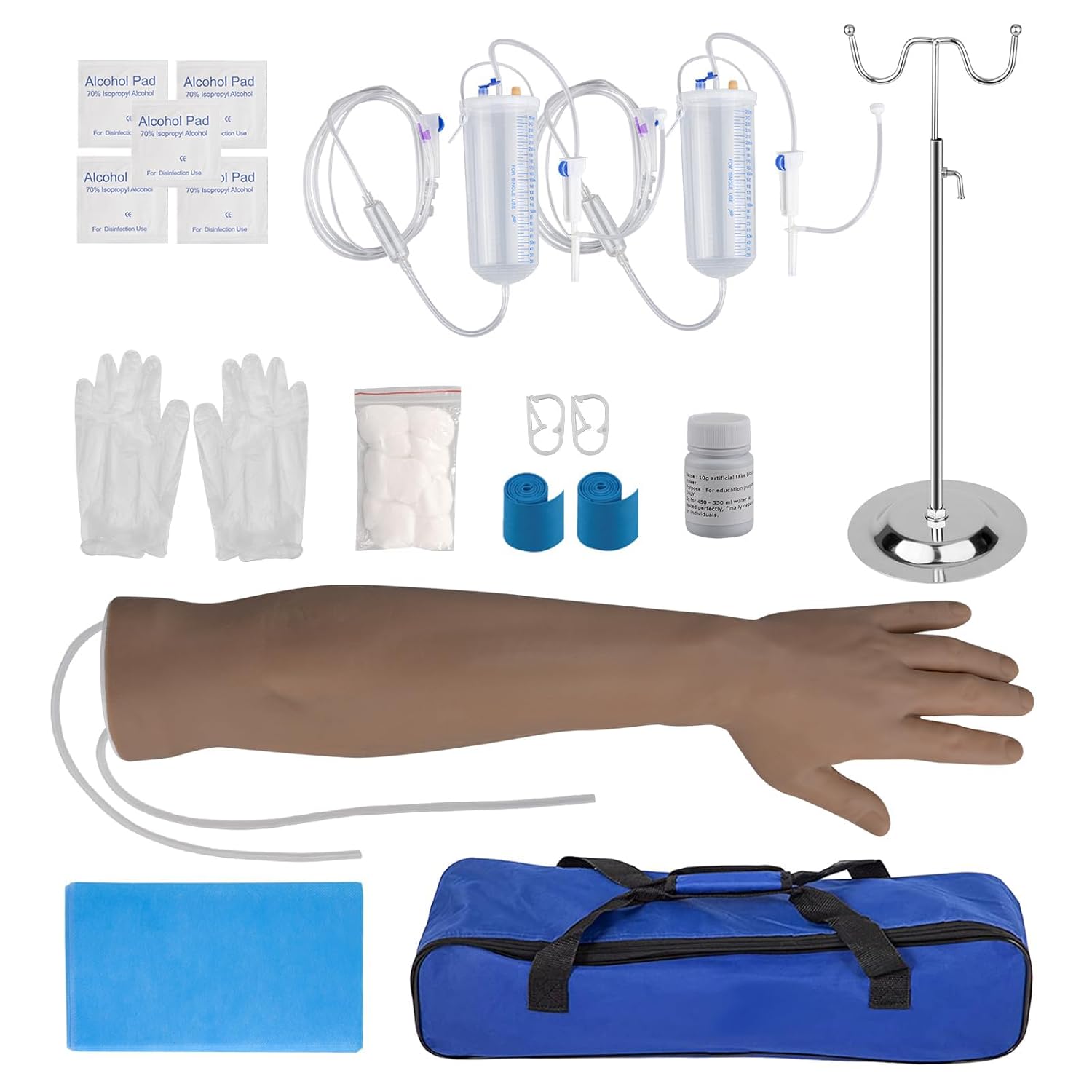
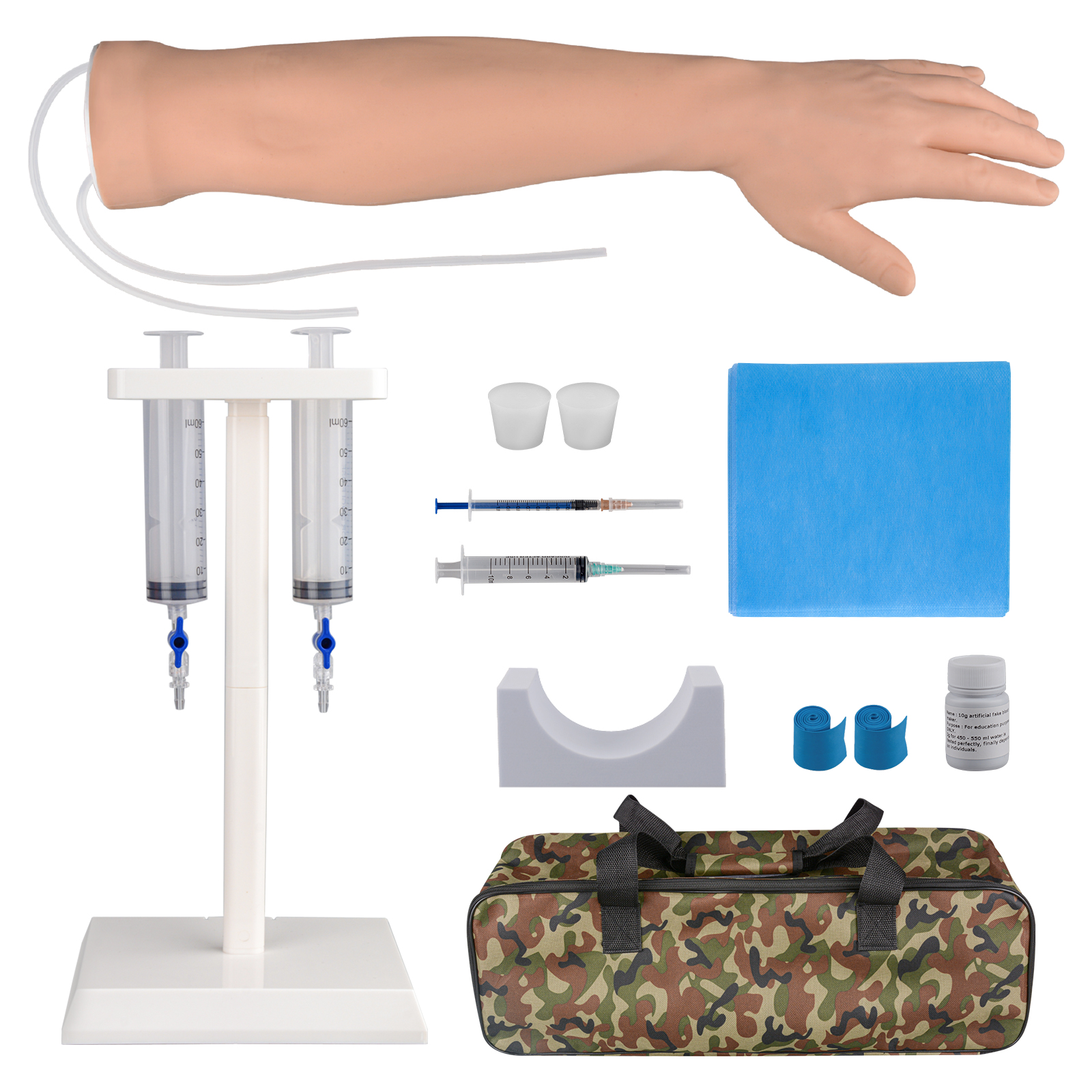
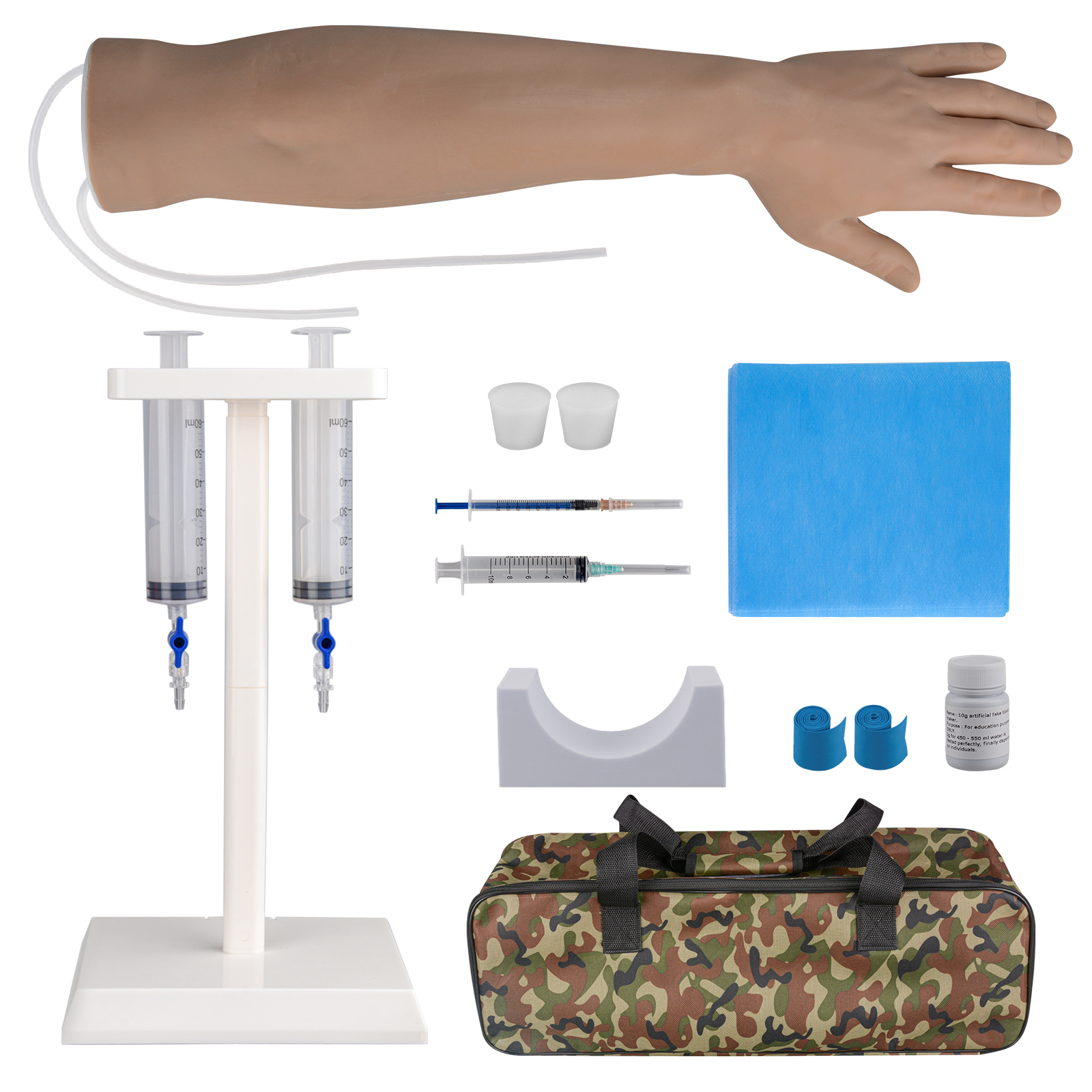
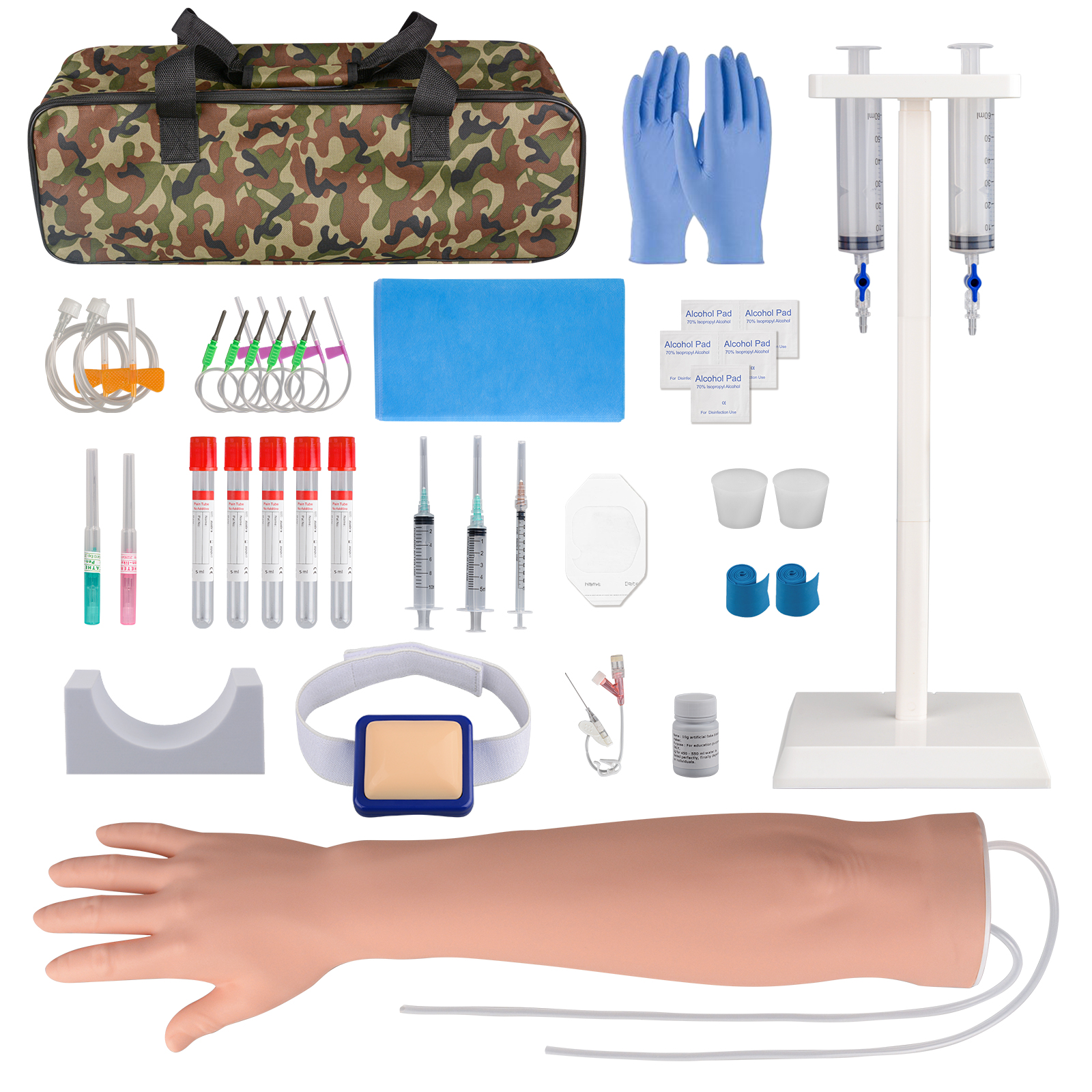
To help nursing students and practicing nurses better prepare for triage and emergency care, SimCoach offers a range of high-fidelity training tools that provide a safe and controlled learning environment. These products include:
- Injection & Bloow Draw Trainers
- Intraosseous (IO) Trainers
- Suture Skill Trainers
- Wound Packing Trainers
- ......
With these simulation tools, nurses can be fully prepared for real-world clinical practice. Take action starting today.
➤Explore All Products