Wound care is essential in healthcare, helping patients heal and prevent complications. A wound care specialist is a trained professional who manages all types of wounds, including surgical wounds, traumatic injuries, burns, diabetic ulcers, and even gunshot wounds. This article explains their role and how to become one.
What is a Wound Care Specialist?
A wound care expert is a healthcare professional trained to evaluate, treat, and manage various wounds. They handle everything from traumatic injuries and surgical wounds to chronic conditions like diabetic ulcers, pressure sores, and burns, helping patients recover effectively and maintain quality of life.
What Do Wound Care Experts Do?
- Wound Assessment and Diagnosis: Evaluate the type, severity, and healing progress of wounds.
- Treatment Planning: Develop individualized care plans based on the patient’s condition.
- Wound Management: Perform dressing changes, infection control, and pressure ulcer prevention.
- Patient Education: Guide patients and caregivers on proper wound care at home.
- Team Collaboration: Work closely with physicians, nurses, and other healthcare professionals to ensure comprehensive care.
Required Skills and Qualifications
- Strong healthcare foundation, often as a Registered Nurse (RN), Licensed Practical Nurse (LPN), or other licensed healthcare professional.
- Hands-on clinical experience in wound care and patient management.
- Specialized training and certification in wound care, such as CWCN (Certified Wound Care Nurse), WCC (Wound Care Certified), or CWS (Certified Wound Specialist).
- Excellent observation, communication, and problem-solving skills.
Wound Care Specialist Jobs
Wound care specialists have diverse career opportunities across various healthcare settings, such as:
- Hospitals: Including surgical units, intensive care units (ICU), and dermatology departments.
- Outpatient wound care clinics: Providing specialized wound assessment and treatment on a regular basis.
- Long-term care and rehabilitation facilities: Managing chronic wounds and pressure sores in elderly or immobile patients.
- Home health services: Delivering wound care and patient education in patients’ homes.
- Educational and research institutions: Teaching future healthcare professionals or conducting studies on wound healing and advanced treatments.
How to Become a Wound Care Specialist
1. Build a Healthcare Foundation
Start with a healthcare-related education and obtain professional licensure. Nursing is the most common background, but other healthcare professionals such as physical therapists or physicians can also specialize in wound care.
2. Gain Clinical Experience
Hands-on experience is essential. Work in hospital units, clinics, or rehabilitation centers to develop skills in wound assessment, dressing changes, infection prevention, and chronic wound management.
3. Pursue Wound Care Education and Training
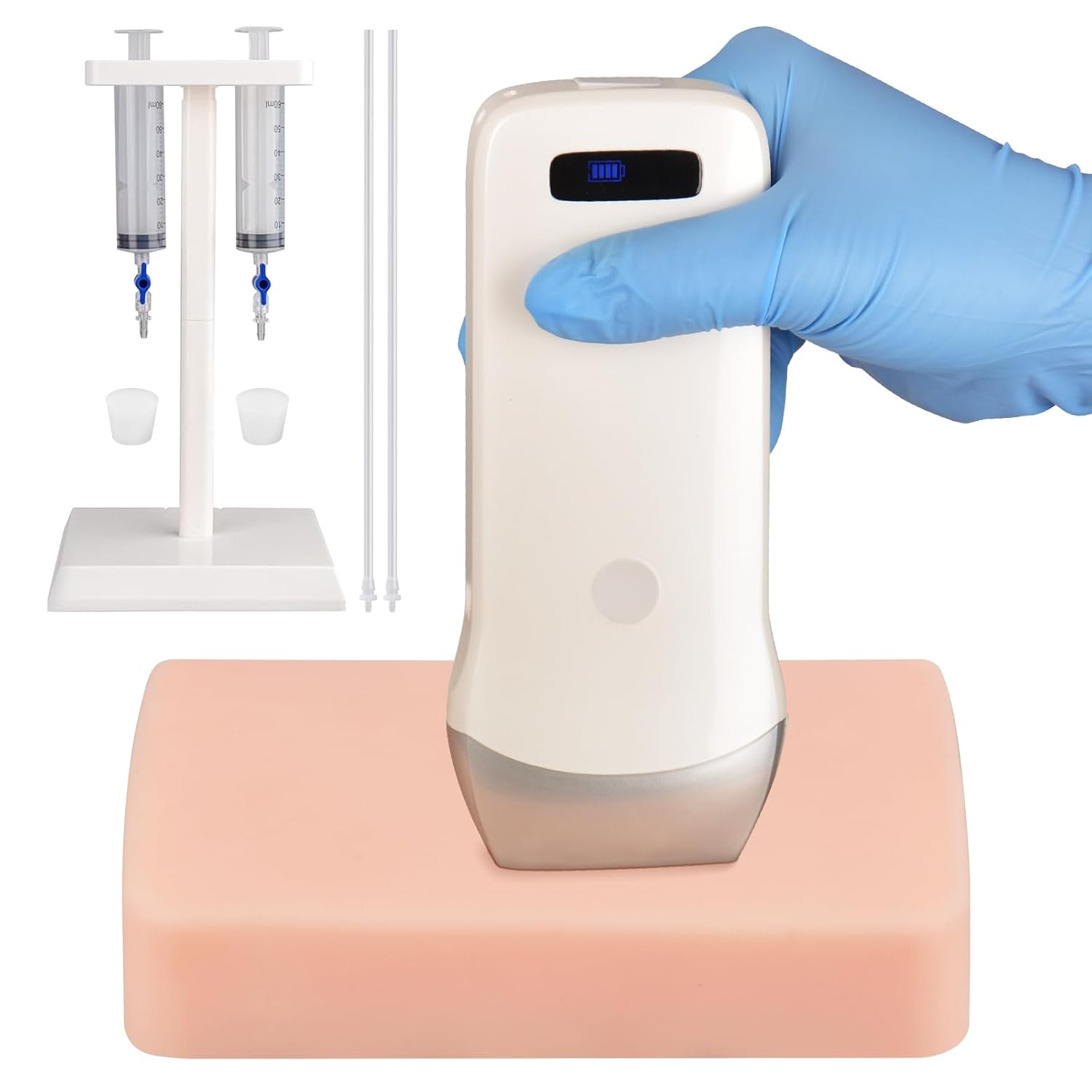
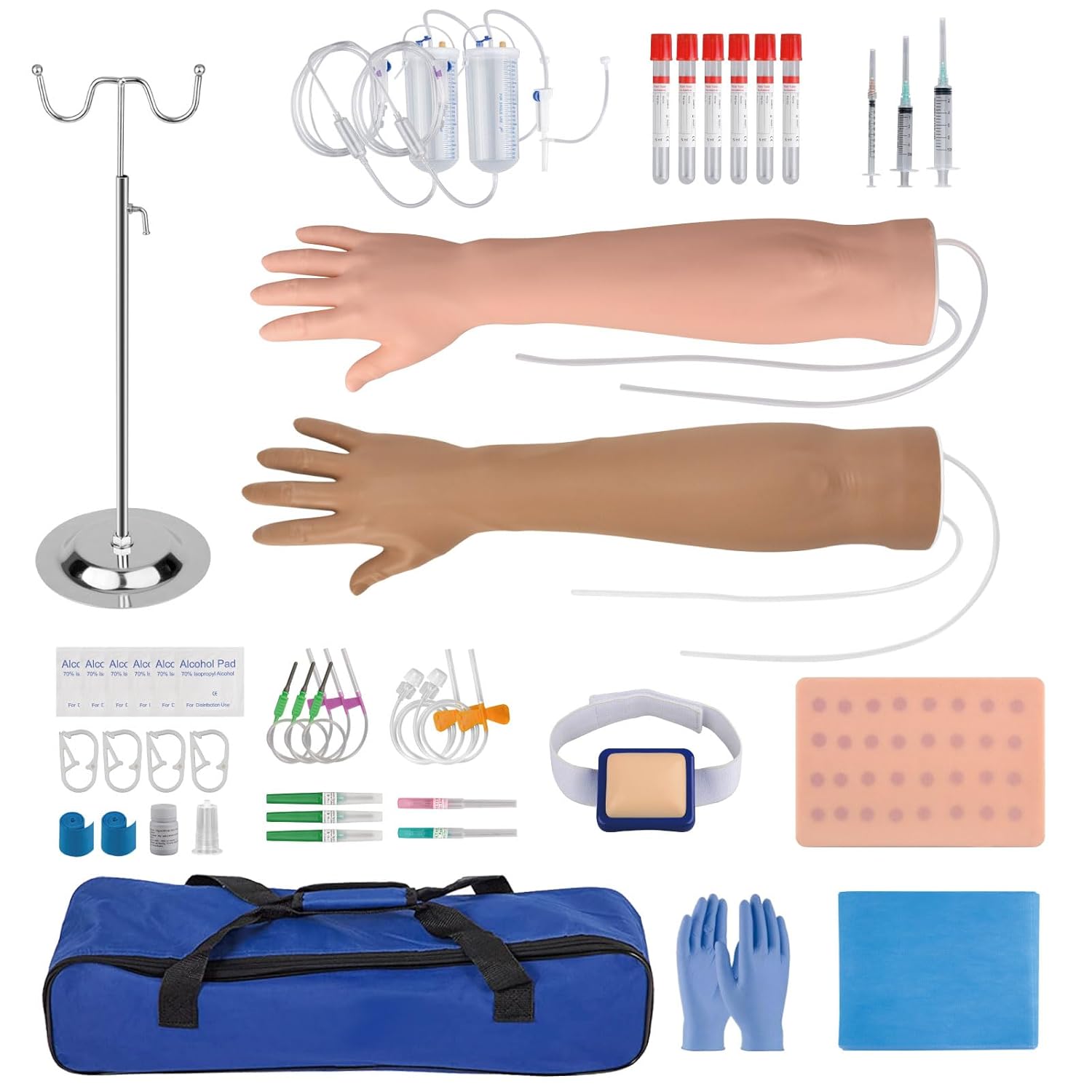
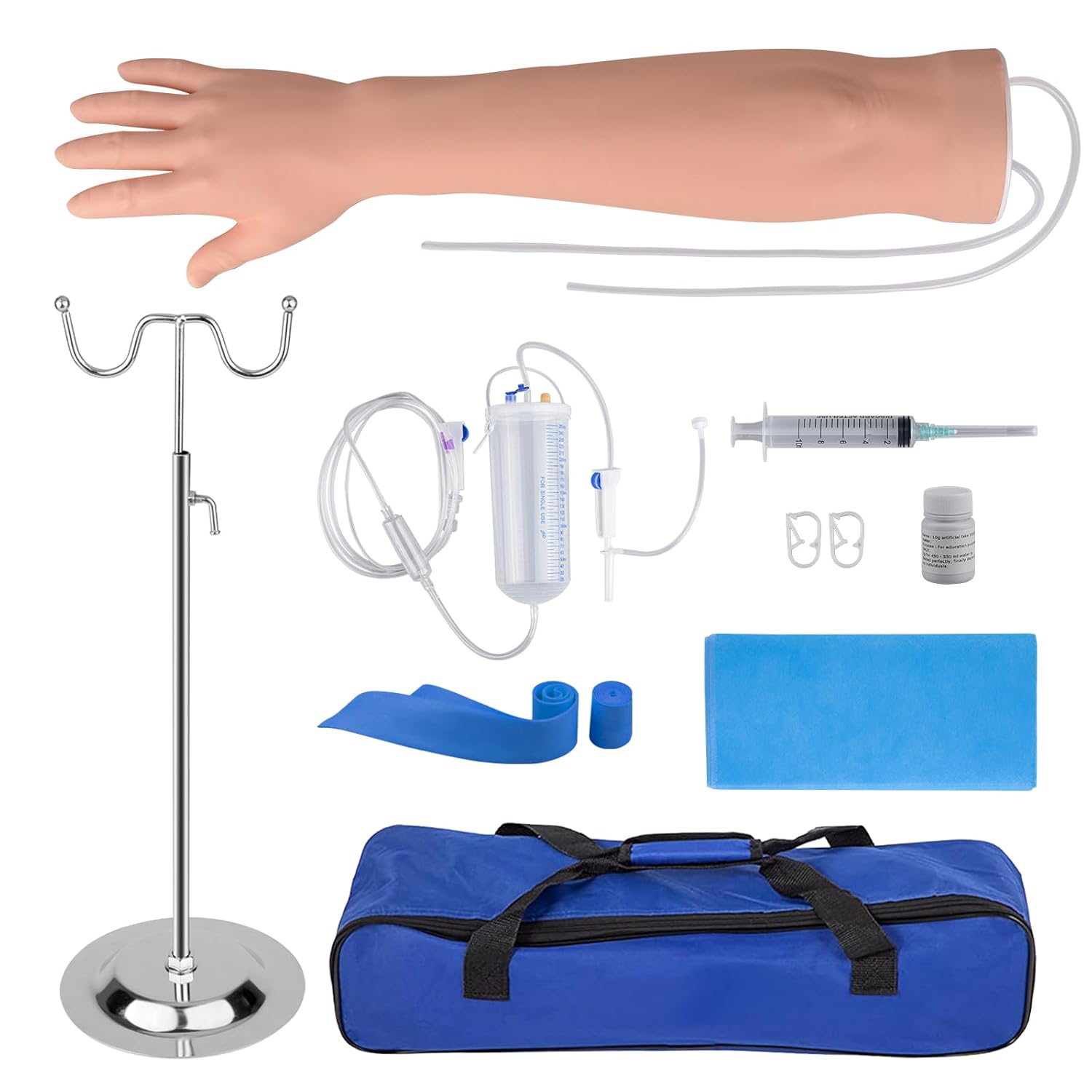
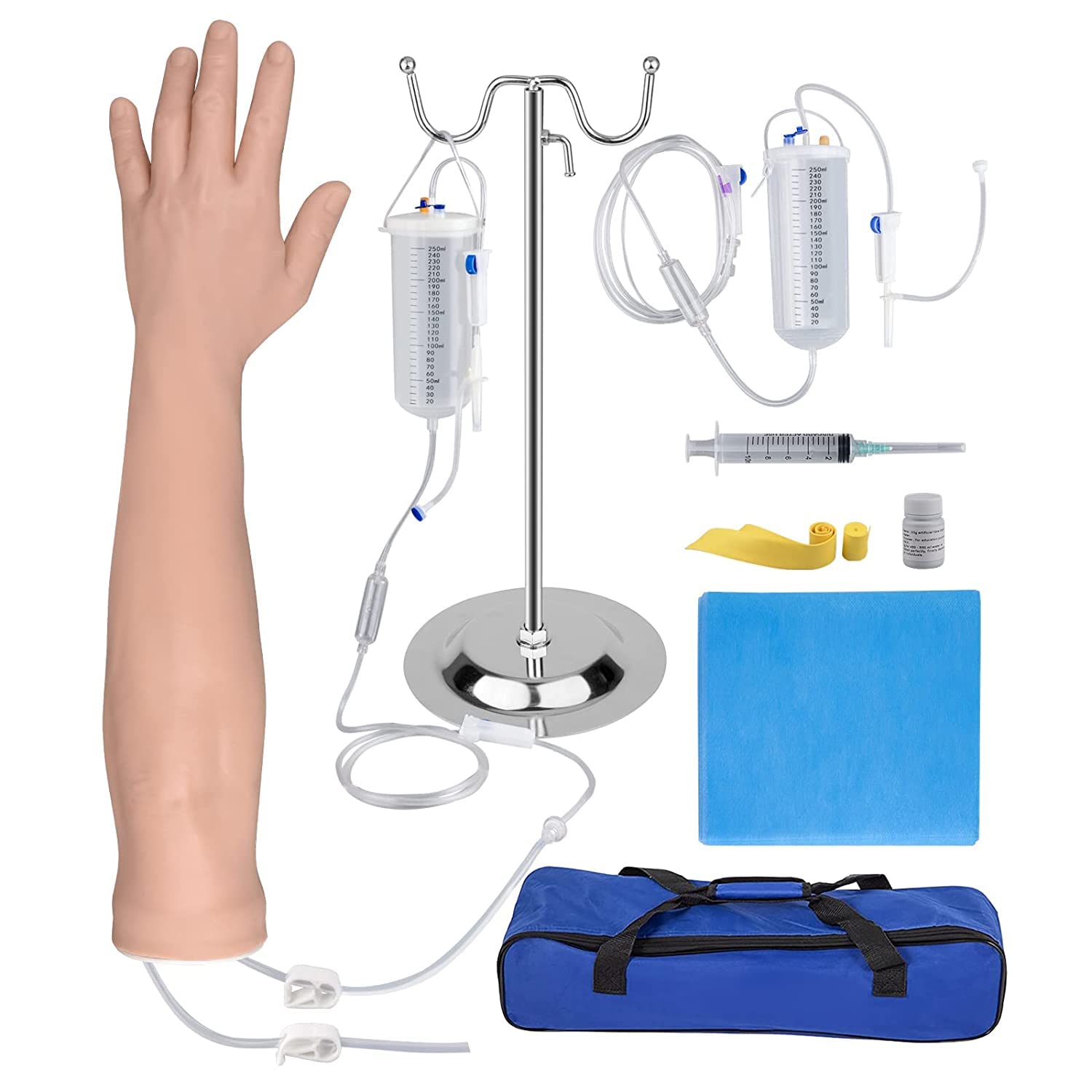
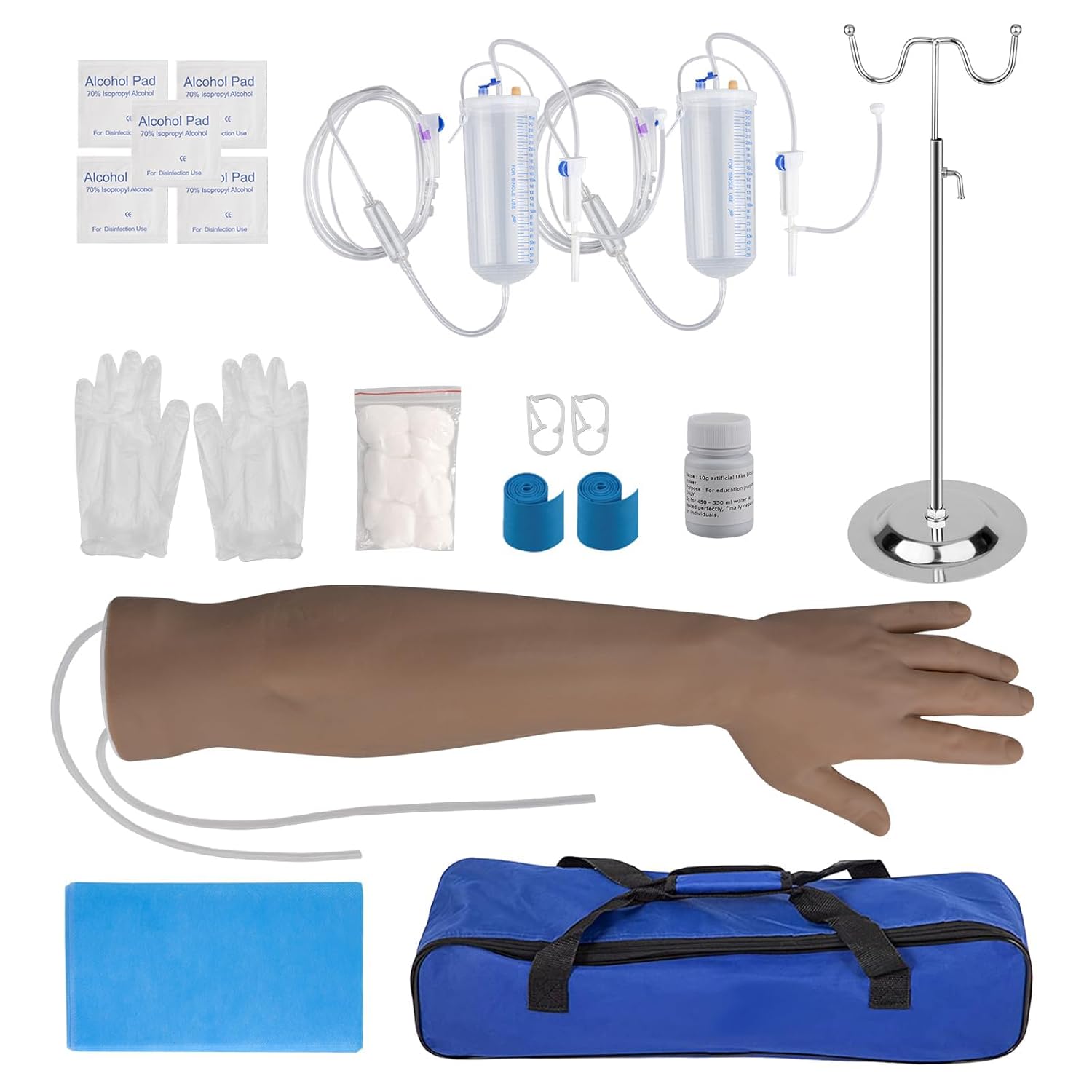
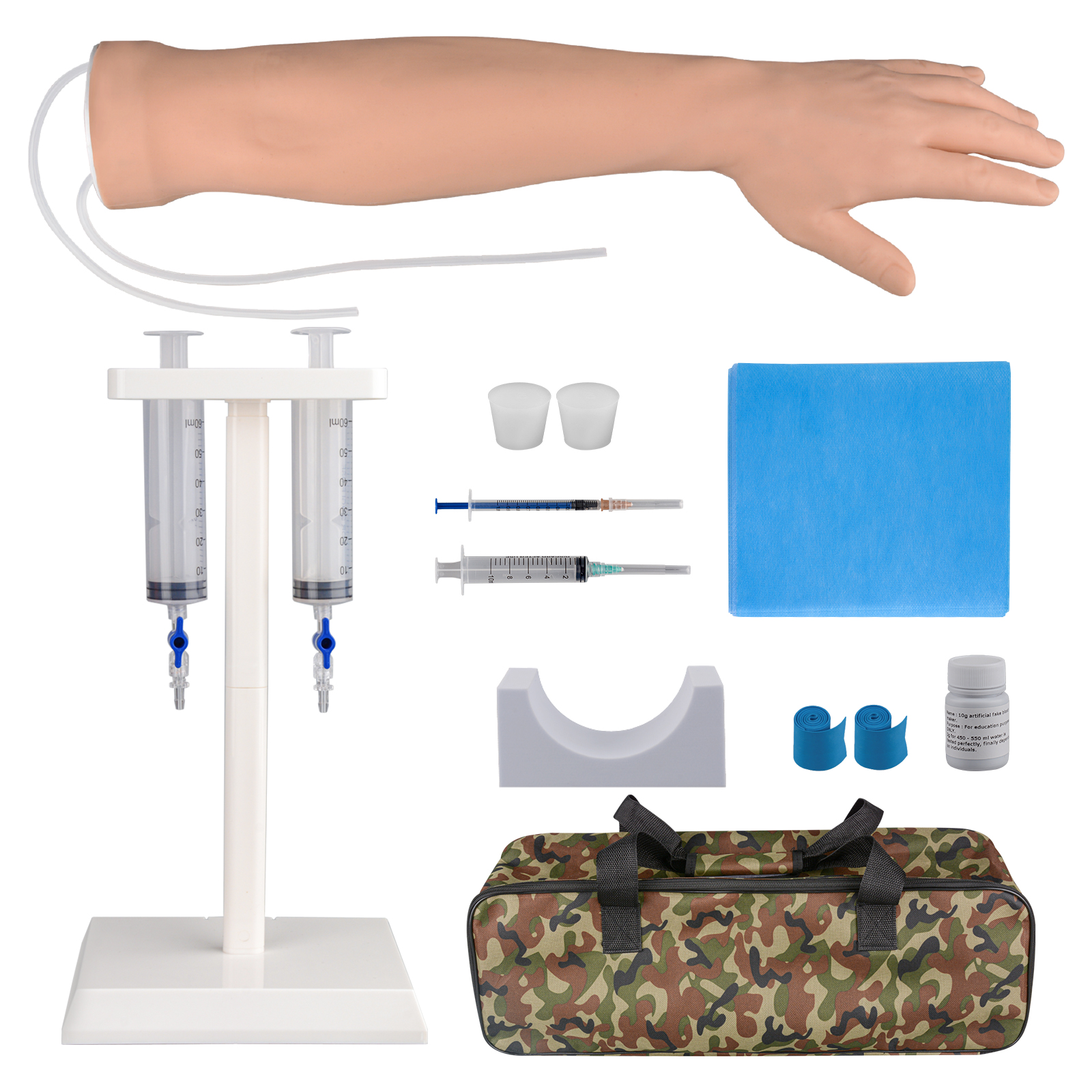
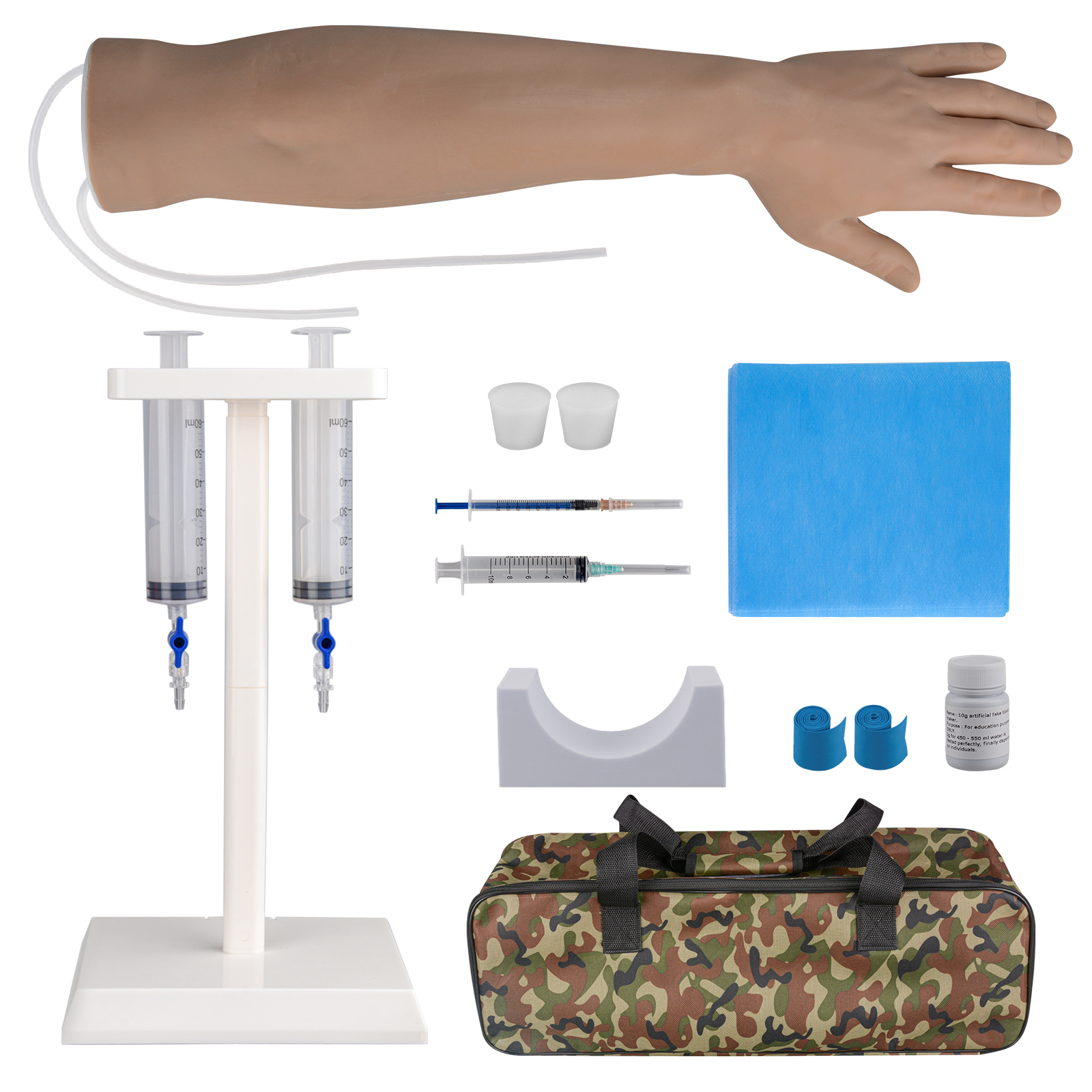
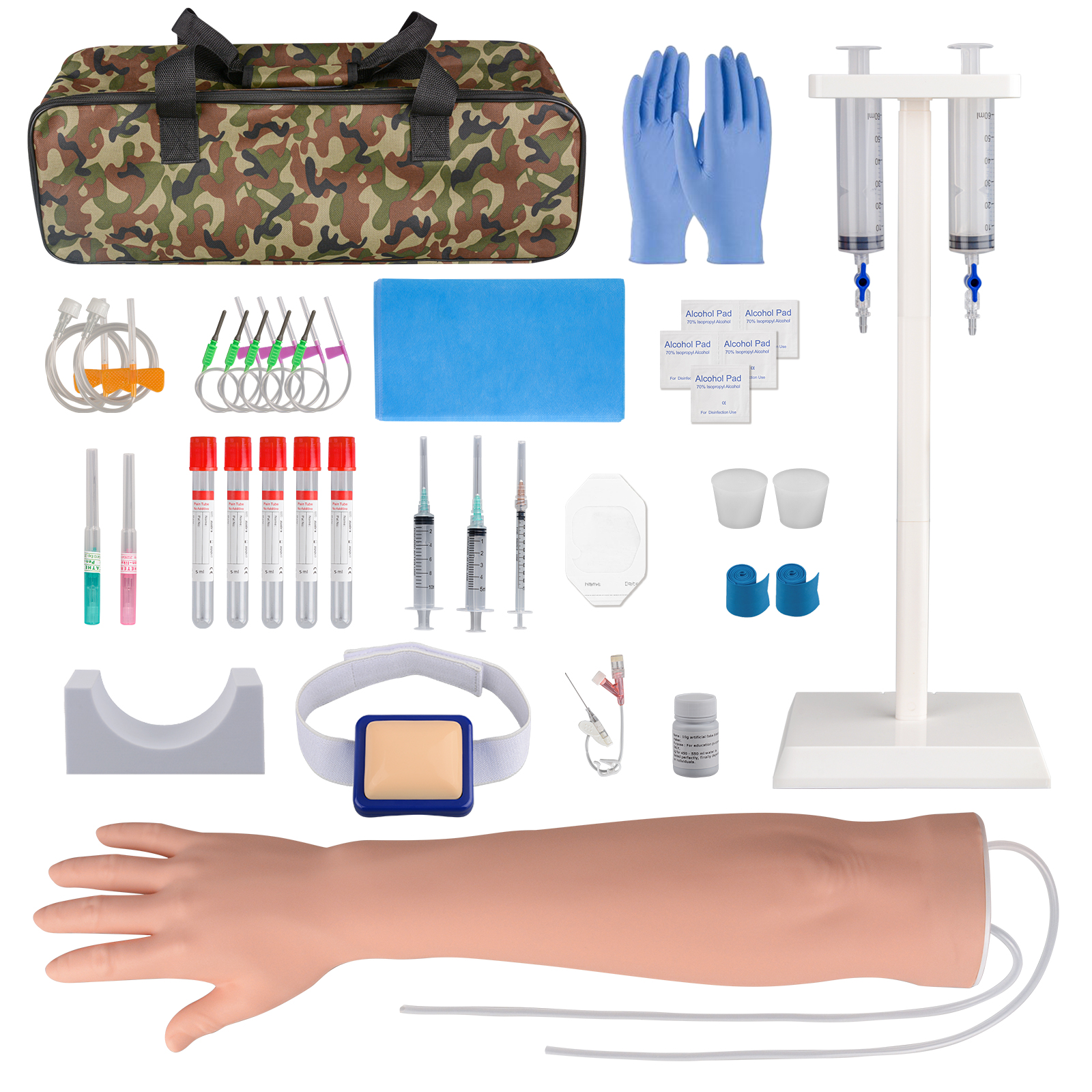
Enroll in continuing education courses, workshops, or certificate programs focused on wound management. Many programs include supervised clinical practice with experienced wound care specialists. In addition to real patient care, wound simulators are often used to practice in a safe, controlled environment.
4. Obtain Professional Certification
Certification demonstrates expertise and enhances career opportunities. Common certifications include CWCN, WCC, and CWS. Requirements usually involve:
- Holding a healthcare license
- Meeting clinical experience criteria (often 2–3 years)
- Completing a wound care training program
- Passing a certification exam
5. Develop Advanced Skills and Continue Learning
As a certified wound care specialist, you can advance your skills with techniques such as negative pressure wound therapy, hyperbaric oxygen therapy, and bioengineered skin substitutes. Continuing education ensures you stay current with the latest standards and best practices.
Conclusion
Becoming a wound care specialist is a rewarding career that makes a real difference in patients’ lives. Start building your skills today. Let SimCoach's wound care training models assist you in mastering wound care procedures safely while building confidence for real patient care.