


Nowadays, nose rings, stretched earrings, and ear studs are often seen as a way to show personal style and fashion. But the history of piercings goes way back, long before modern trends. People have been piercing their bodies for centuries, not just for decoration, but also to express identity and cultural belonging.
Earliest Discoveries of Body Piercings
Where did piercings originate? Archaeological research shows that body piercings aren’t just a modern trend—they go way back in human history. Even in prehistoric times, people were piercing their bodies and wearing simple jewelry made from bone, stone, or shells.
For example, the prehistoric mummy known as Ötzi the Iceman, found in the Alps and dating back over 5,000 years, clearly had pierced earlobes. In addition, early tombs and wall paintings from ancient Egypt often show people wearing earrings.
Researchers believe that earlobe piercings back then were likely tied to personal identity, coming-of-age rituals, or tribal affiliation, rather than just decoration. This shows that even in prehistoric societies, piercings had clear social and cultural significance.
What Body Piercings Meant in Ancient Cultures
In many ancient cultures, body piercings weren’t done just for fun, they carried clear symbolic meaning. Different piercing spots often represented different social roles or cultural significance.
For example:
- In India and South Asia, nose piercings have long been a symbol of marriage and a woman’s status. Traditionally, women would wear nose rings before and after marriage to mark maturity, a shift in family roles, and respect for cultural traditions.
- In ancient Egypt, ear piercings were often linked to social status and wealth. Tomb paintings and sculptures show that nobles were more likely to wear metal earrings, using piercings to display their rank and power.
- In some African tribes, stretched earlobes were more than decoration, they marked adulthood and social standing. The size of the stretched ear often carried specific meaning about a person’s growth and role in the tribe.
- In the ancient Maya and Aztec civilizations, tongue piercings had religious significance. They were often part of rituals and believed to help connect with the gods or spiritual world.
- In ancient Rome, some soldiers had nipple piercings to symbolize courage and strength, reflecting the military culture’s focus on bravery and discipline.
These examples show that in ancient cultures, piercings were more like a social language, used to express identity, belief, and cultural belonging, not just a matter of personal style.
From Traditional Symbols to Personal Expression:
The Evolution of Piercing Culture
From the examples above, it is clear that in ancient societies, body piercings carried strong cultural and social meaning. The location of a piercing, the way it was done, and the jewelry worn were usually determined by tradition, religion, or social status. Piercings were a way to show group membership, mark a stage of life, or express spiritual beliefs.
By the mid to late 20th century, as youth culture, music trends, and social attitudes changed, body piercings began to break free from traditional rules and became a way to express personal style and attitude. With the rise of punk, rock, and other subcultures, piercings were no longer limited to the ears. They expanded to the nose, lips, eyebrows, and cartilage, giving young people a way to showcase their individuality.
After the 1990s, piercing culture became more mainstream and also more regulated. Professional piercing studios emerged, and what was once underground culture developed into a skill-based practice requiring knowledge and technical expertise. Piercing was no longer just a cultural or fashion statement, but also involved hygiene, safety, and proper technique.
Today, body piercings are widely accepted as a personal choice. While modern piercings are often about aesthetics and self-expression, they still carry the legacy of humans using their bodies to communicate identity, culture, and attitude. From ancient symbolic rituals to modern fashion and now to professional skill, the meaning of piercing has evolved while continuing to reflect the timeless human desire to express ourselves and our cultural identity through the body.
The Diversity and Meaning of Modern Piercing Culture
Today, piercings are not just a fashion trend but also a form of cultural and personal expression. They reflect people’s pursuit of style, aesthetics, and social identity.
1. Different Piercing Locations and Styles
Modern piercings are no longer limited to the ears. Common locations have become very diverse, including earlobes, cartilage, and stretched ears, nose piercings such as nose rings or studs, facial piercings like lips, eyebrows, and tongue, as well as nipples, belly buttons, Christina piercings, genitals, or really any other body part you can think of. This variety gives people more options for personal styling and makes piercing an important way to express individuality, style, and cultural identity.
2. The Meaning of Piercings
For modern people, piercings mean more than just decoration. They carry significance in terms of personality, aesthetics, and cultural identity.
- Personal Expression: By choosing different piercing locations and jewelry, people can show their personal style. For example, some create unique looks through multiple ear cartilage piercings, lip rings, or tongue rings, turning piercings into a statement of attitude.
- Fashion and Aesthetics: Piercings have become part of modern fashion. Different materials and styles of jewelry can be matched with clothing, makeup, and hairstyles to create a complete aesthetic look.
- Subcultural Identity: In music, art, punk, or rock subcultures, piercings often symbolize a connection to a particular lifestyle or community. Wearing specific piercings can help members feel a sense of belonging while expressing independence, rebellion, or creativity.
- Cultural Continuity: Some traditional piercings still carry ancient cultural significance. For instance, nose rings in India are still associated with marriage, maturity, and cultural identity. Stretched ears in some African tribes continue to reflect tribal status and social roles. Even outside the original ritual context, modern people keep these traditions alive through piercing.
3. From Underground Culture to Professional Skill
In the past, piercings were mostly a niche or underground practice, often done at home or by non-professionals. Today, the rise of professional piercers and studios has turned piercing into a skill-based practice that requires knowledge, technique, and safety awareness. Professionalization ensures hygiene and safety, makes piercing more standardized and sustainable, and still preserves its cultural and personal expression.
4. Global Trends
Modern piercing culture is increasingly global and diverse. People can freely choose different locations, materials, and styles, combining traditional cultural elements with modern aesthetics. For example, traditional Indian nose rings have been reimagined in global fashion, and African stretched ear jewelry is now worn by young people as a statement of individuality.
Overall, modern piercing culture combines historical tradition, personal expression, fashion aesthetics, and professional skill. It is both a trend in appearance and a cultural practice, reflecting the ongoing and diverse ways humans use body art to express themselves.
Summary
Body piercings are like cultural marks etched into the skin throughout human history. From the identity markers of prehistoric tribes, to symbolic rituals in ancient civilizations, and now to modern fashion and personal expression, piercings have always been a way for humans to tell stories with their bodies. They remind us that the body is not just a container for life, but also a canvas. Every piercing and every piece of jewelry adds a splash of color to how we express ourselves.
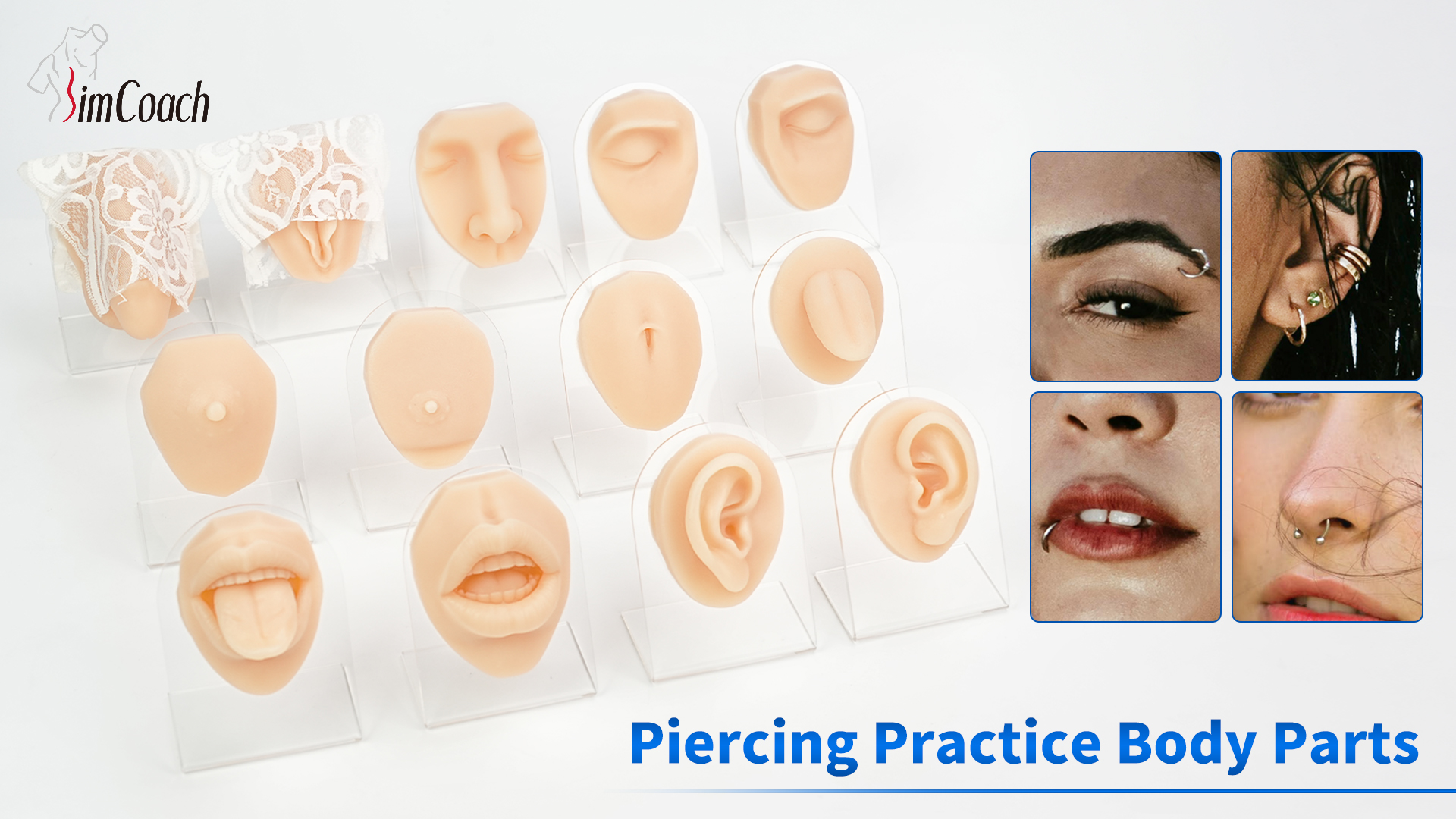
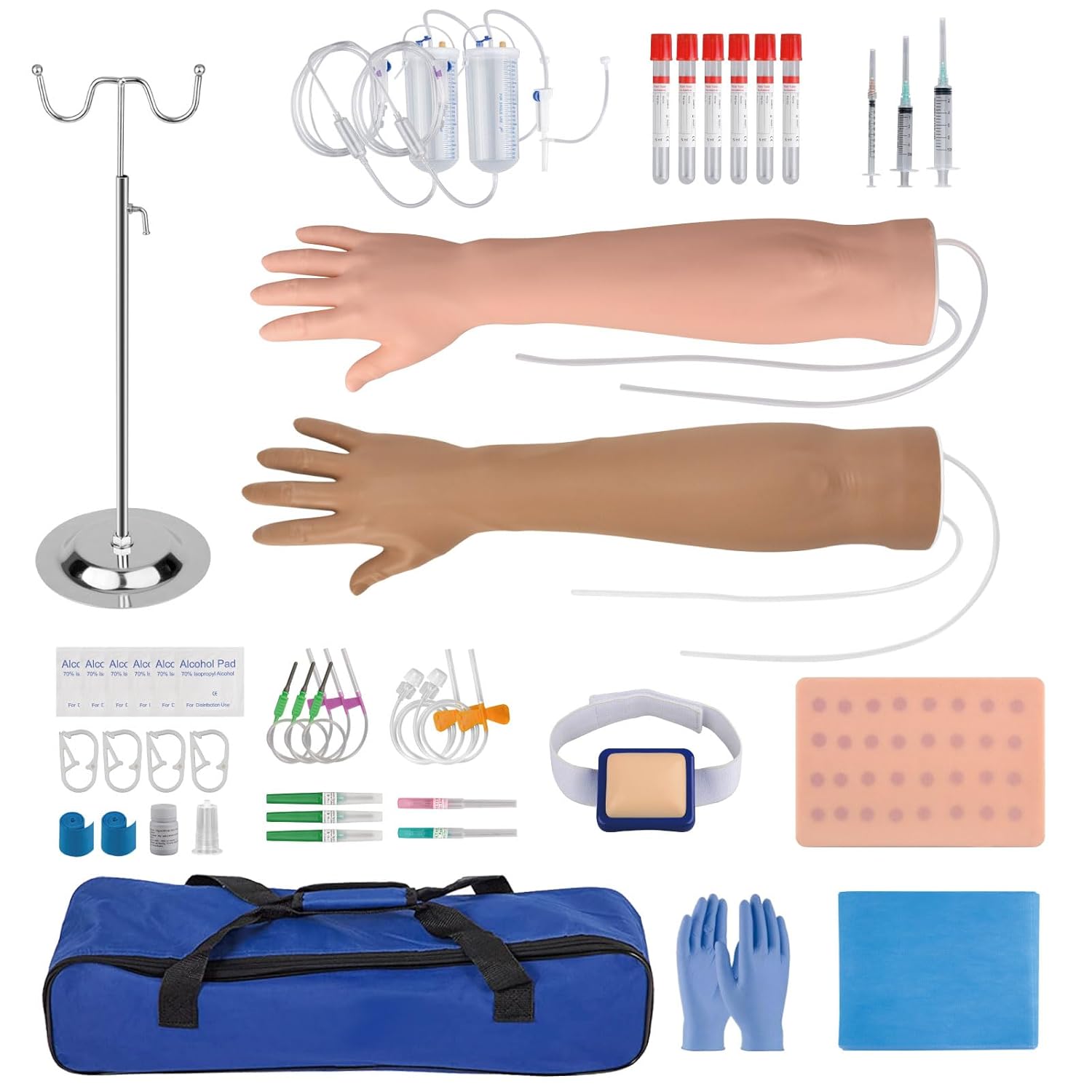
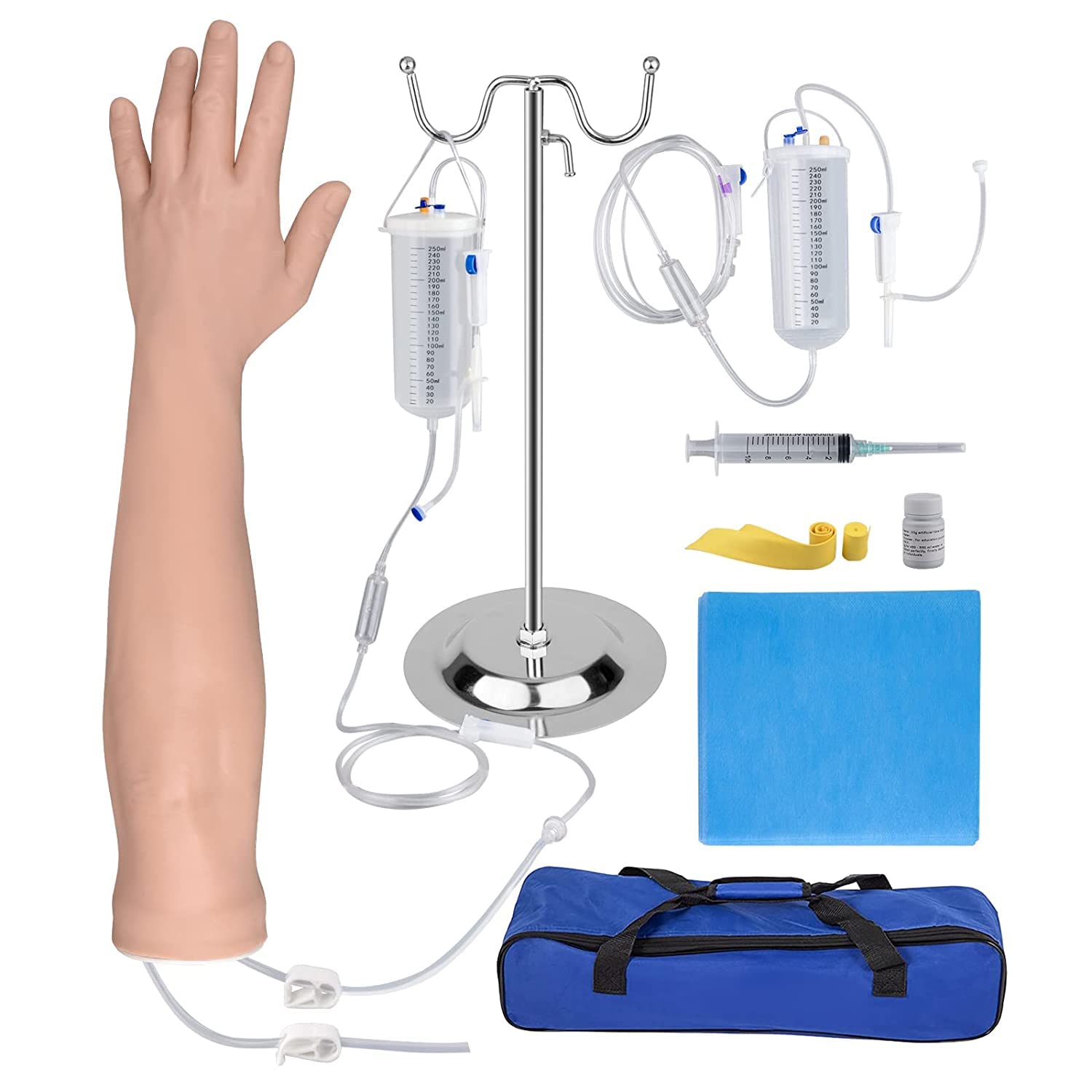
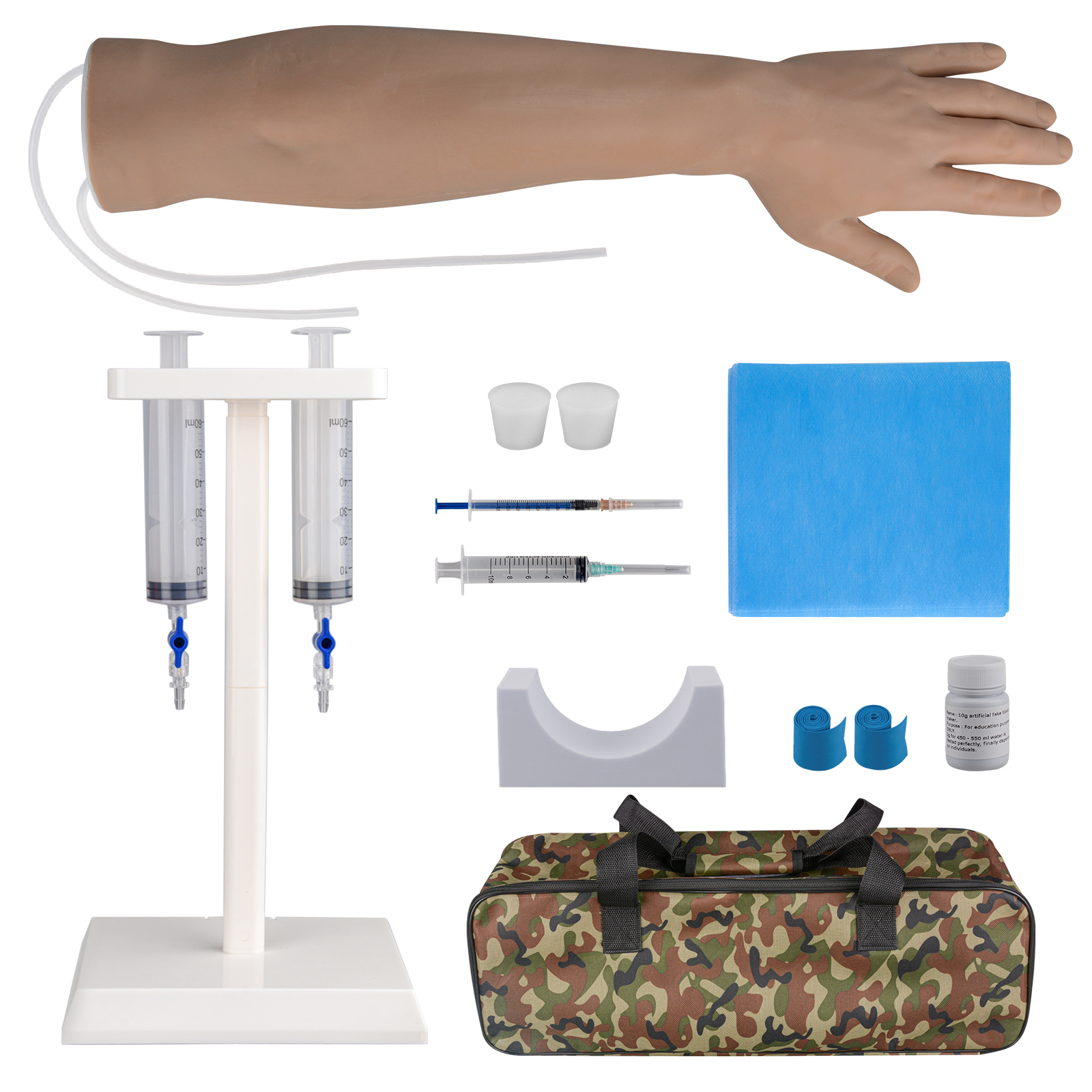
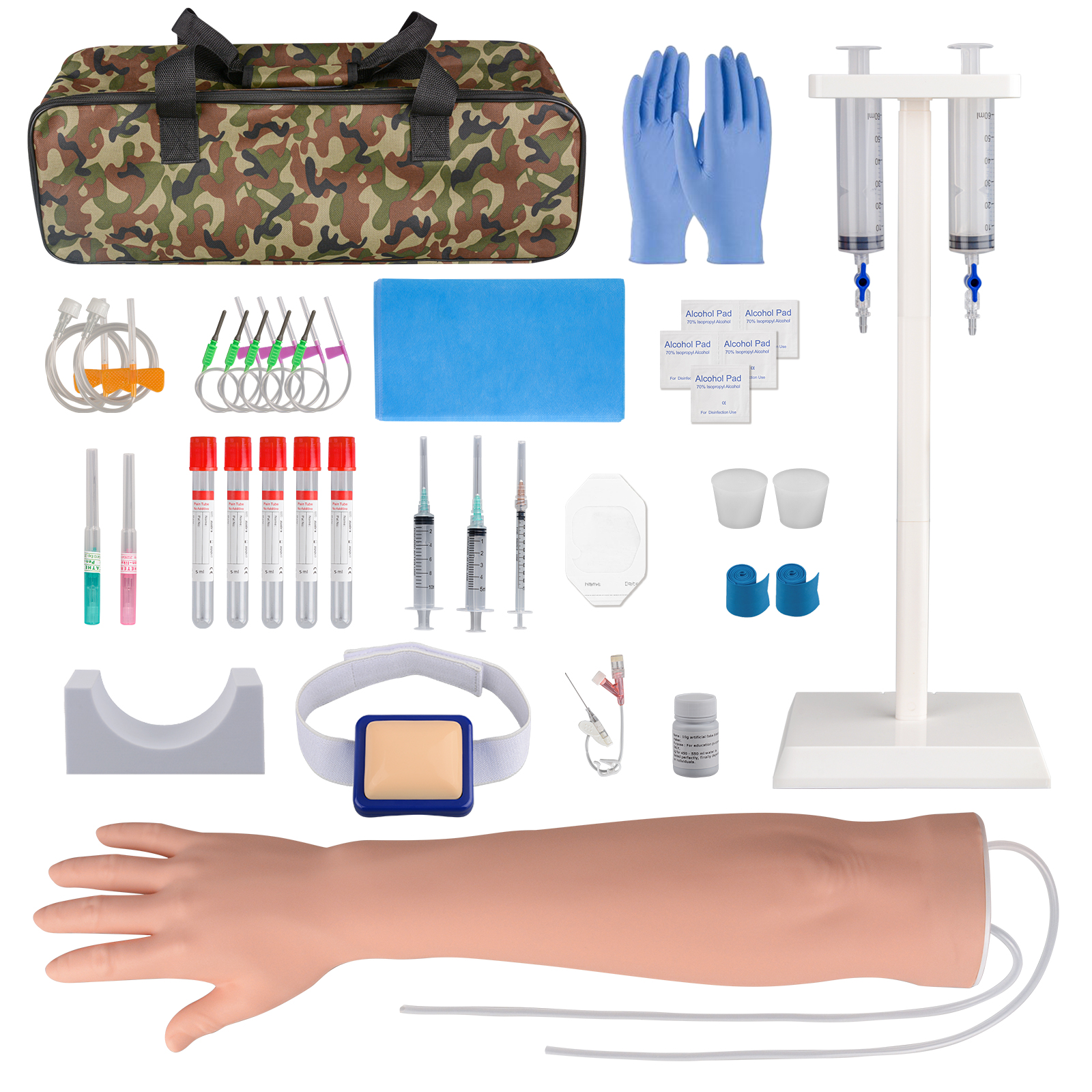
For those interested in exploring piercings safely or practicing new techniques, tools like SimCoach’s silicone body parts for piercing practice offer a realistic and safe way to learn. Just as piercings have evolved from ancient cultural symbols to modern expressions of style, practicing on high-quality silicone models allows both beginners and professionals to refine their skills while respecting the art, safety, and creativity behind every piercing.