Introduction: Why Needle Size Matters
Choosing the right needle size for a blood draw isn't just a technical decision — it directly affects patient comfort, sample quality, and procedural success. As a medical student, practicing nurse, or phlebotomist, understanding what size needle to draw blood is essential to your clinical routine.
In this guide, we'll break down the different blood draw needle sizes, explain what gauge needle for drawing blood is typically used, and help you make informed choices in various clinical settings.
What Is a Needle Gauge?
Needle size is most often described by its gauge (G), which indicates the diameter of the needle. Importantly, the smaller the gauge number, the thicker the needle.
For example:
- An 18-gauge needle is thicker than a 21-gauge needle, and a 21-gauge needle is thicker than a 23-gauge needle.
- Thicker needles allow faster blood flow, making blood draws quicker.
- Thinner needles cause less pain and are gentler on veins but may slow down the blood draw and increase the risk of hemolysis (damage to blood cells).
Understanding needle sizes for drawing blood helps healthcare providers balance patient comfort with the efficiency and accuracy of the procedure.
Common Blood Draw Needle Sizes and Their Uses
Here are the most commonly used needle sizes for drawing blood, with their typical use cases:
|
Gauge
|
Use Case
|
Patient Type
|
Notes
|
|
18G
|
Blood donation, rapid fluid delivery
|
Adults with large veins
|
Too large for routine draws; may cause pain
|
|
20G
|
Multi-purpose blood collection
|
Healthy adult patients
|
Fast blood flow, suitable for larger veins
|
|
21G
|
Standard blood draw needle size
|
Most adult patients
|
Most commonly used gauge in venipuncture
|
|
22G
|
Small or fragile veins
|
Elderly, teens
|
Less painful, but slower draw
|
|
23G–25G
|
Pediatric, geriatric, or butterfly needles
|
Infants, sensitive patients
|
Minimally invasive, risk of hemolysis if mishandled
|
💡 21G is often the best compromise between patient comfort and draw efficiency.
Butterfly Needle vs. Straight Needle
Butterfly Needle
- Gauge: Typically 23G–25G
- Best for: Small veins, pediatric patients, geriatric care
- Pros: Greater control, less movement, more comfortable
- Cons: Slower draw, higher cost
Straight Needle
- Gauge: Usually 20G–22G
- Best for: General-purpose blood draws
- Pros: Faster draw, simple setup
- Cons: Less flexible for hard-to-access veins
If vein access is challenging, a butterfly needle with a thinner gauge is often your best bet.
How to Choose the Right Needle Size for Blood Draw
Selecting the proper blood draw needle size depends on several factors:
1. Patient Age and Vein Condition
- Infants & children: 23G–25G
- Elderly: 22G or butterfly with 23G
- Healthy adults: 21G or 20G
2. Blood Volume Required
- Routine lab tests: 21G–22G
- Blood donation: 16G–18G
3. Vein Accessibility
- Difficult or rolling veins: Use thinner gauge with a butterfly needle
- Large, visible veins: 20G or 21G straight needle
4. Patient Comfort
- Always balance speed with pain minimization — smaller gauge may be preferable when comfort is a priority.
Mistakes to Avoid When Choosing Needle Sizes
❌ Using a gauge too large → increased pain, vein trauma
❌ Using a gauge too small for large blood draws → risk of hemolysis
❌ Ignoring the patient’s vein condition or previous history
❌ Using mismatched equipment (e.g., small-gauge needle with large vacuum tube)
Proper training and hands-on practice can prevent these common errors.
FAQs: Quick Answers to Common Questions
🔹What size needle to draw blood in elderly patients?
A 22G straight needle or a 23G butterfly needle is often preferred for fragile veins.
🔹Is a 22 gauge needle good for drawing blood?
Yes, it works well for routine blood draws, especially if the patient has smaller veins.
🔹 Can I use a butterfly needle for blood draws?
Absolutely — butterfly needles (23G–25G) are commonly used for pediatric, geriatric, or difficult veins.
🔹 What’s the best needle gauge for difficult veins?
A 23G butterfly needle offers better control and is gentler on delicate veins.
Conclusion: Choose the Right Tool for the Right Patient
There is no one-size-fits-all answer to what size needle to draw blood — your choice should always be guided by patient characteristics, procedural goals, and comfort. By understanding blood draw needle sizes, you’ll ensure smoother procedures, happier patients, and better-quality blood samples.
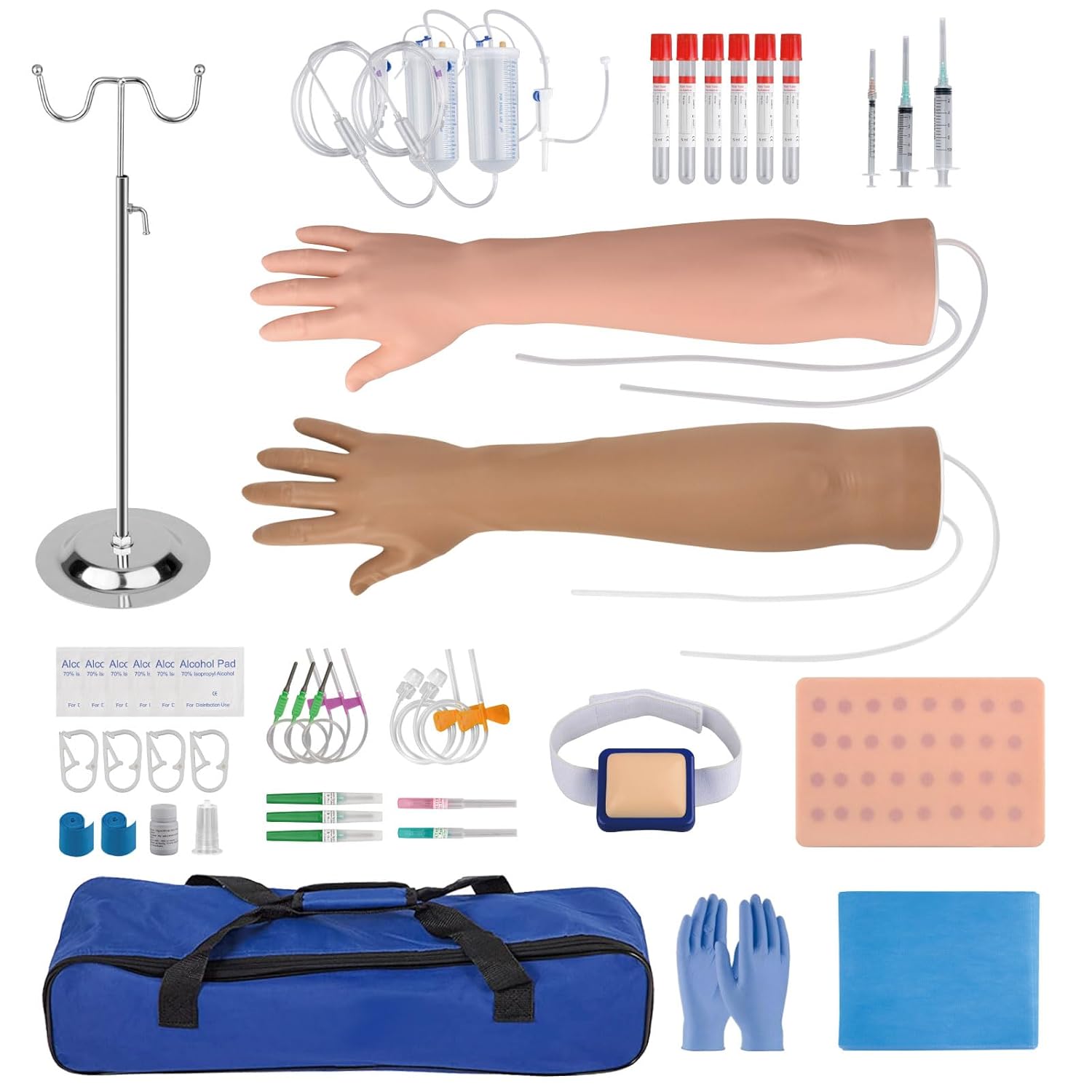
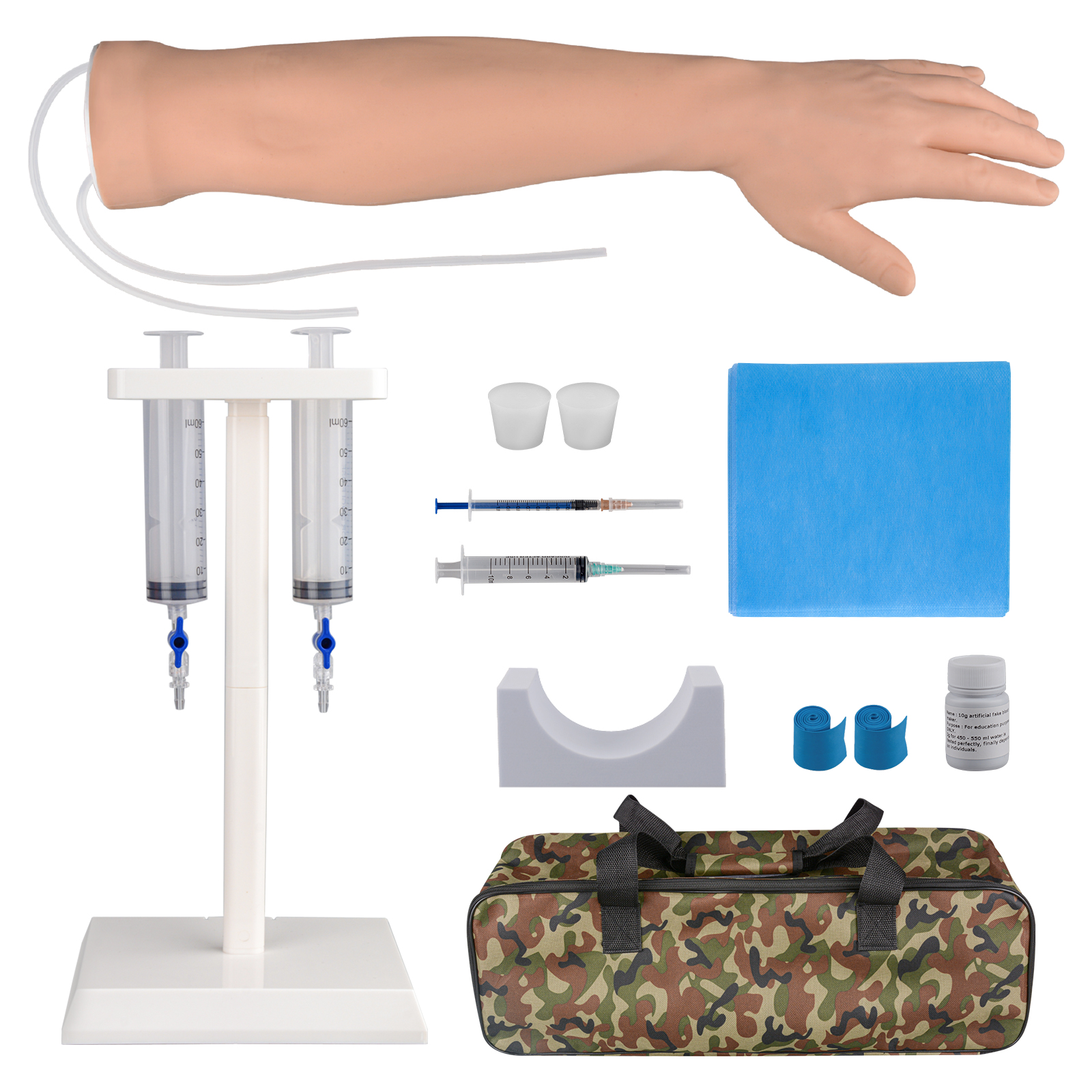
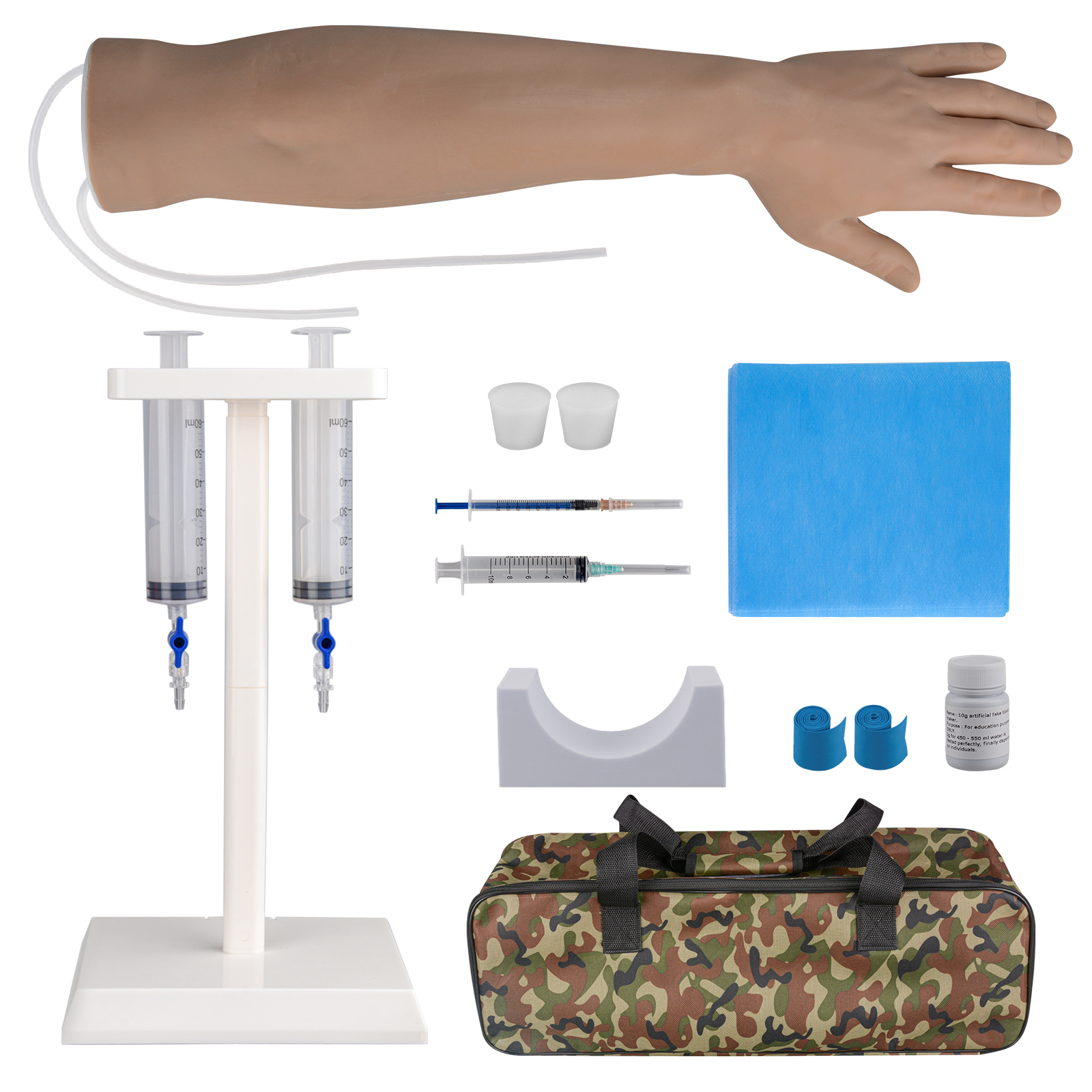
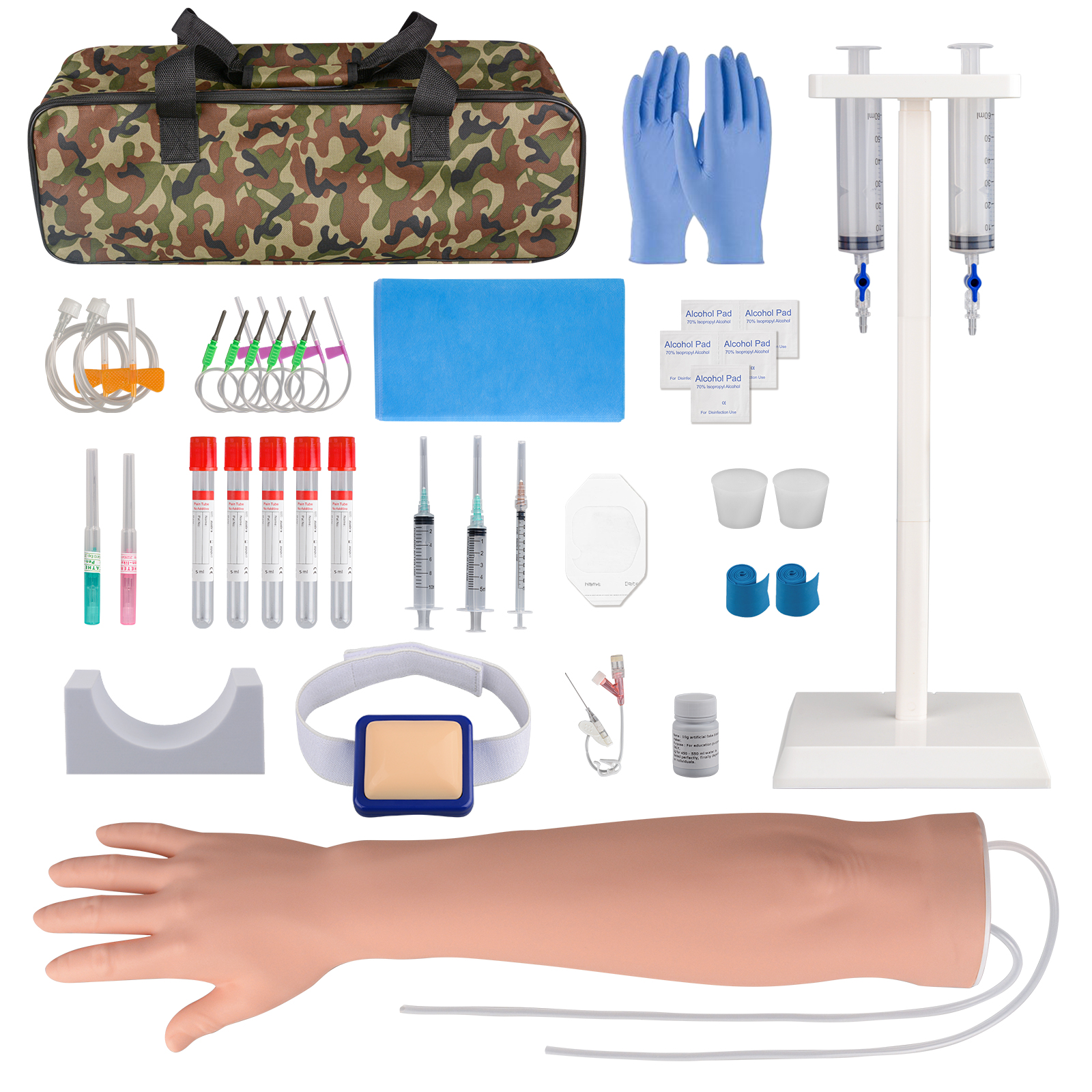
💡 Pro Tip: If you’re practicing venipuncture, use a variety of needle sizes for drawing blood on a training arm to build confidence and versatility.