Intradermal and subcutaneous injections are two techniques that are often confused. Both are “under-the-skin” injections, but they target different tissue layers, are used for different purposes, and require different techniques.
This article will help you understand the key differences from a clinical perspective, including where the injection goes, how it is performed, what it is commonly used for, and the most common mistakes people make. By comparing them side by side, you can avoid common errors in practice.
Understanding the Injection Layers
To clearly distinguish between the two, it is helpful to first understand the structure of the skin. The structure of the skin is generally divided into three layers:
- Epidermis: outer protective layer
- Dermis: thin middle layer with capillaries and immune activity
- Subcutaneous tissue: deeper fatty layer used for storage and absorption
The key difference is simple:
- Intradermal = into the dermis
- Subcutaneous = into the fat layer below the dermis
That small shift in depth changes both the technique and clinical purpose.
Intradermal Injection: Purpose and Technique
.jpg?w=1600&h=1600)
Intradermal injection is the most superficial injection technique used in clinical settings.
What it is used for
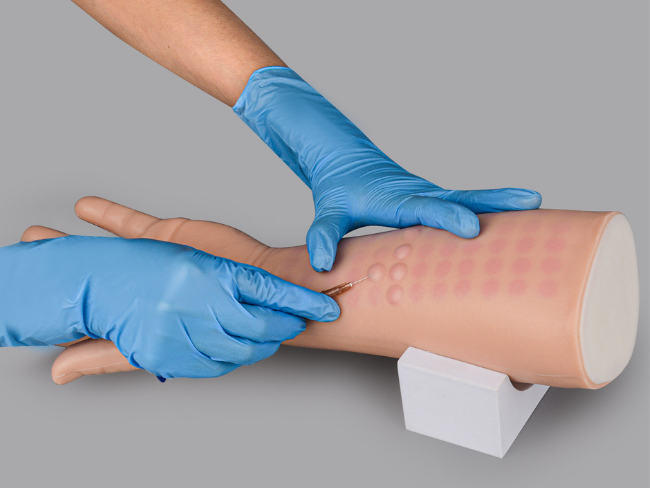
Intradermal injections are mainly used for diagnostic purposes, where the body’s reaction is what matters. After the injection, the healthcare provider observes the injection site for a localized skin response, such as redness, swelling, a small raised wheal, or signs of an allergic reaction.
Common examples include:
- Tuberculosis (TB) skin testing
- Allergy testing
- Local sensitivity testing
How it is performed
In practice, this technique feels very precise and controlled:
- Needle is inserted almost parallel to the skin
- Very small volume is injected (usually 0.01–0.1 ml)
- Bevel is facing upward
- Resistance is often felt during injection
- A visible raised bump (wheal) should appear immediately
That wheal is important—it is the confirmation that the injection is in the correct layer. If no wheal forms, the injection may have gone too deep or too shallow.
Subcutaneous Injection: Purpose and Technique
.jpg?w=1600&h=1600)
Subcutaneous injection is more commonly used for medication delivery rather than testing.
What it is used for
This method is designed for slow and steady absorption of medication, such as:
- Insulin therapy
- Heparin injections
- Certain vaccines
- Hormone treatments
How it is performed
Compared to intradermal injection, this technique goes deeper and is less visually noticeable:
- Skin is usually pinched or stretched
- Needle is inserted at 45° or 90° angle depending on patient and site
- Larger volume can be given (commonly 0.5–2 ml)
- Medication is deposited into fatty tissue for absorption
The goal here is not a visible reaction, but reliable drug absorption.
Key Differences in Practice
Although both techniques are “under the skin,” their differences are clear when you look at their clinical intent:
- Intradermal injection is used when you need a measurable skin response
- Subcutaneous injection is used when you need systemic drug absorption over time
One is diagnostic. The other is therapeutic.
Technique Comparison
Here is a simple way to compare them:
| Feature | Intradermal Injection | Subcutaneous Injection |
| Target layer | Dermis | Subcutaneous fat |
| Main purpose | Diagnostic testing | Medication delivery |
| Volume | Very small (0.01–0.1 ml) | Larger (0.5–2 ml) |
| Needle angle | Very shallow (5–15°) | 45° or 90° |
| Visible result | Wheal forms | No visible skin change |
| Absorption | Slow, localized reaction | Slow systemic absorption |
Common Mistakes in Practice
In clinical training, most mistakes do not come from forgetting the steps, but from confusing intradermal and subcutaneous techniques with each other. Because both are “under the skin” injections, students often rely too much on angle or appearance, instead of understanding the target tissue.
Here are the most common errors:
1. Confusing the injection depth
One of the most frequent mistakes is injecting intradermally too deeply, which turns it into a subcutaneous injection. In this case, the expected wheal does not form, and the test result may become invalid.
On the other hand, injecting subcutaneously too shallow can cause leakage of medication or incomplete delivery.
2. Expecting a wheal in subcutaneous injection
Some students mistakenly look for a skin bump after every injection. However, wheal formation is specific to intradermal injection. In subcutaneous injection, the absence of a visible reaction is normal.
3. Relying only on needle angle
Another common misunderstanding is thinking that angle alone determines the injection type. While angle is important, it is not the defining factor.
For example, a correct intradermal injection is not just about a shallow angle—it must also stay within the dermis layer and produce a wheal.
4. Using incorrect volume for the technique
Students sometimes inject too much volume during intradermal injection, which causes the fluid to spread into deeper tissue and lose accuracy.
In subcutaneous injection, using too little volume or improper technique may reduce drug effectiveness.
5. Not understanding the purpose of each technique
Perhaps the most important mistake is treating both injections as interchangeable technical skills. Without understanding this difference, technique becomes mechanical rather than clinical.
Why This Difference Matters
Choosing the correct injection technique is not just procedural—it directly affects outcomes:
- Diagnostic accuracy (in intradermal tests)
- Drug effectiveness (in subcutaneous therapy)
- Patient safety and comfort
- Prevention of complications or incorrect results
In short, the correct layer ensures the correct clinical result.
Summary
The real value of understanding the difference between intradermal and subcutaneous injection is in how it changes your decision-making at the bedside.
When you clearly understand what each technique is meant to achieve, you are less likely to rely on habit or visual cues alone, and more likely to choose the correct depth, volume, and method for the clinical situation. This directly improves how confidently you perform injections in practice, especially during training and early clinical exposure.
✅Practice Makes the Difference
Understanding the difference is one thing—being able to perform each technique correctly is another.
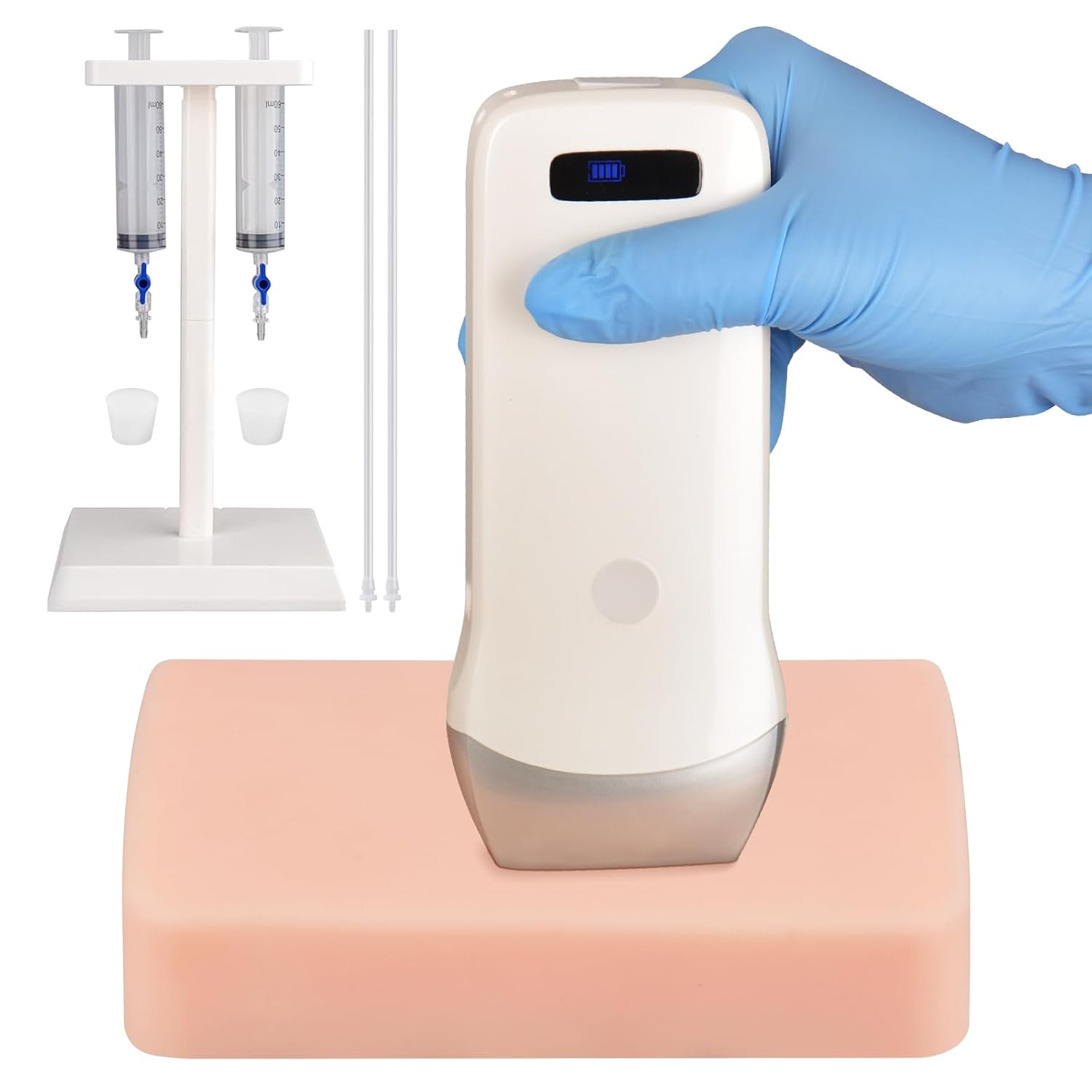
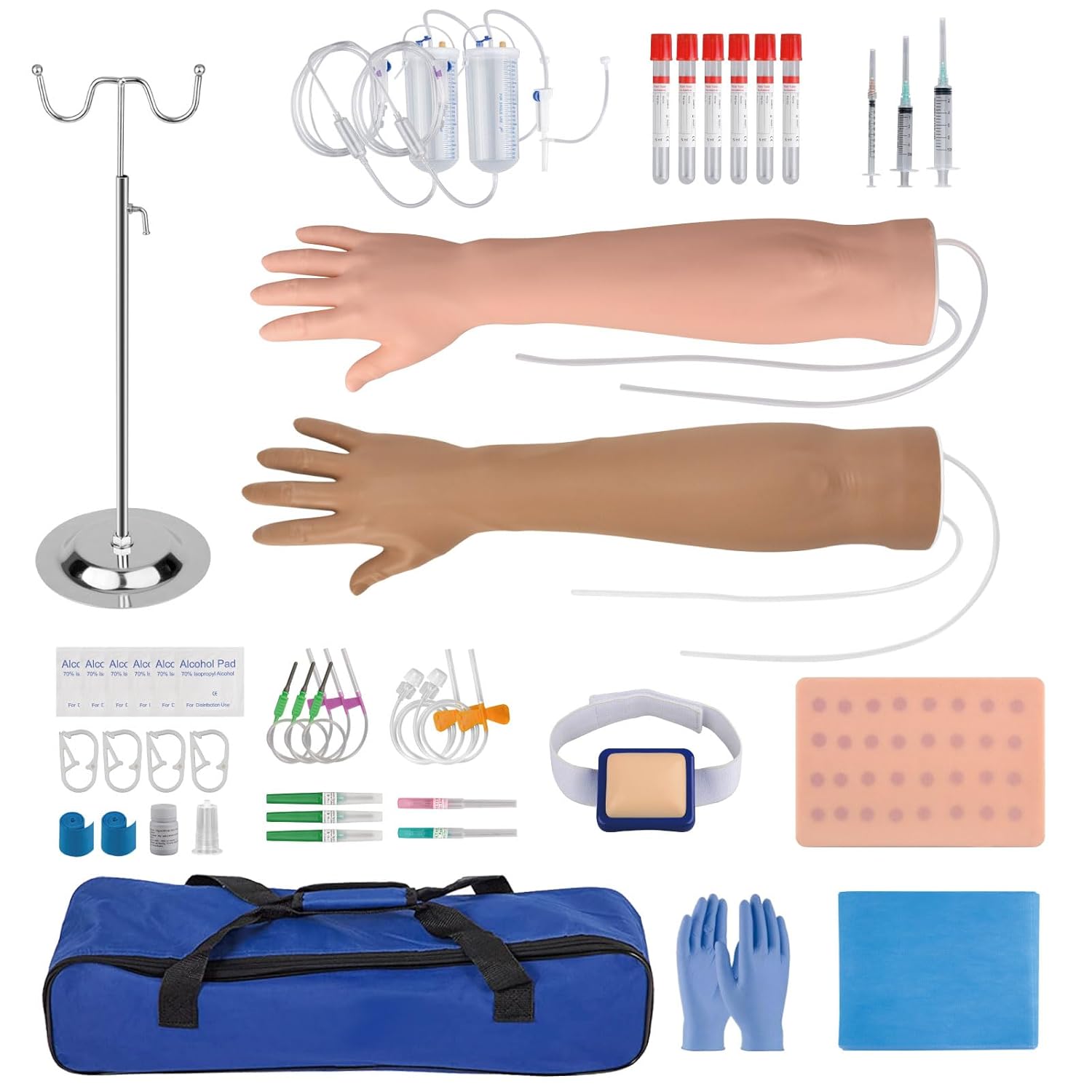
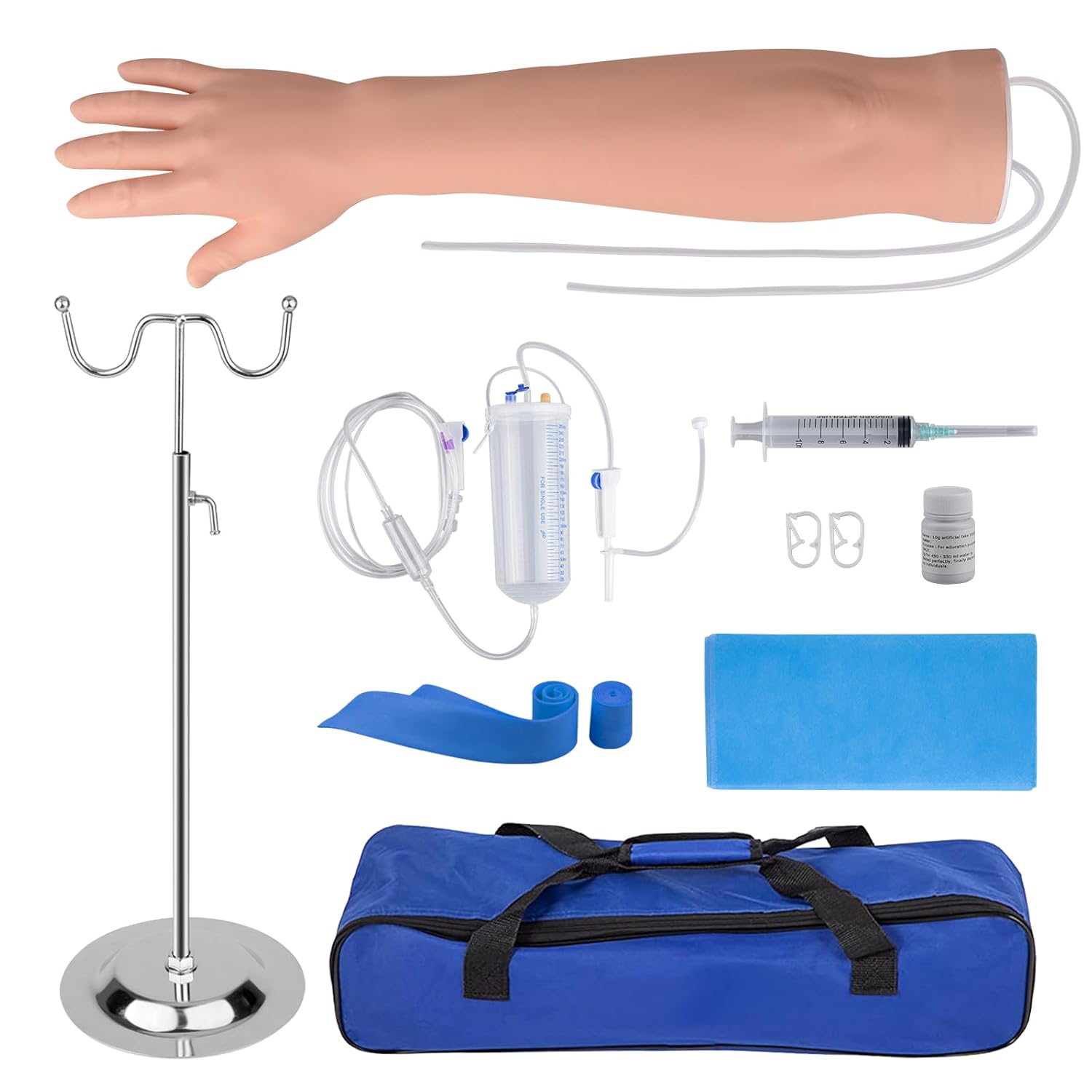
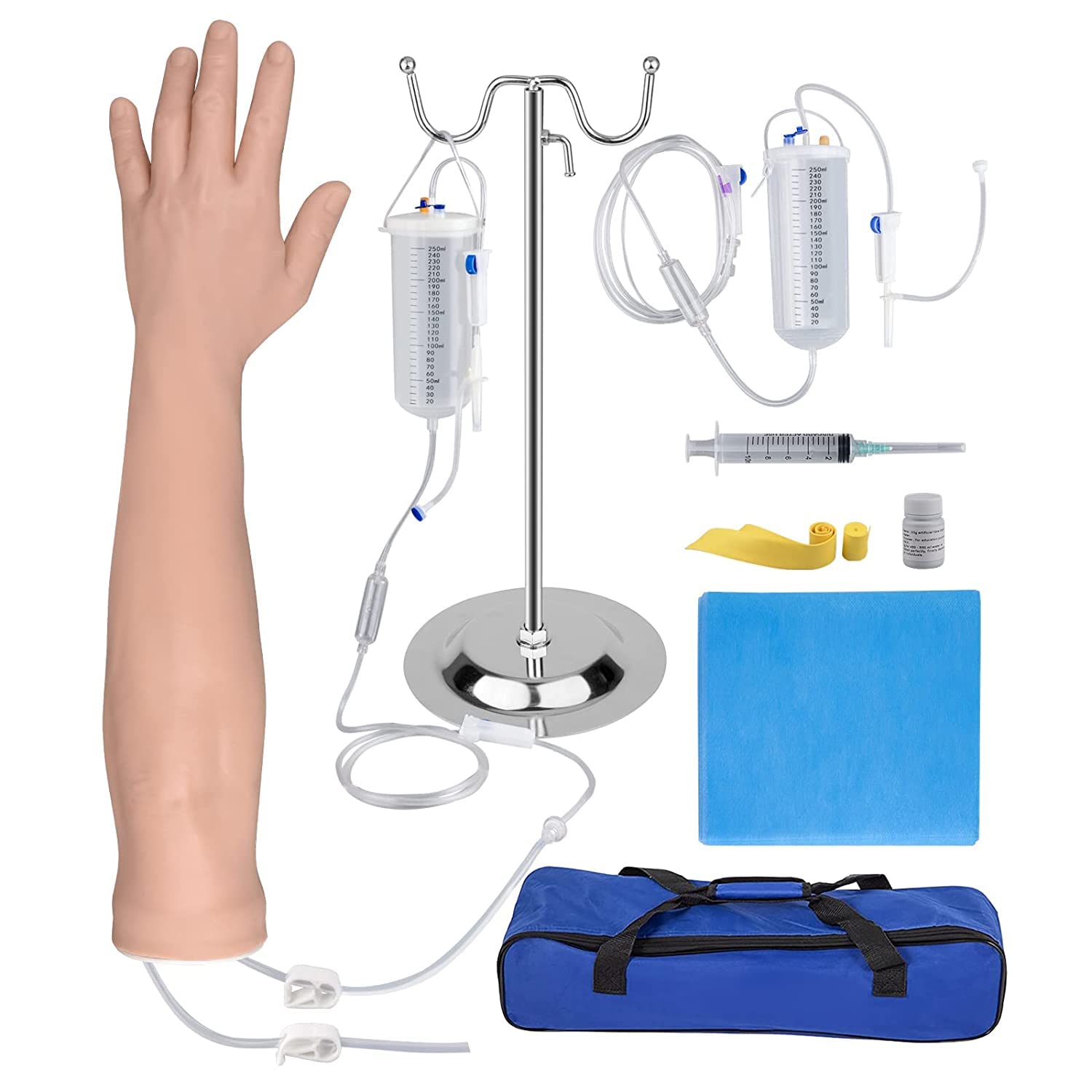
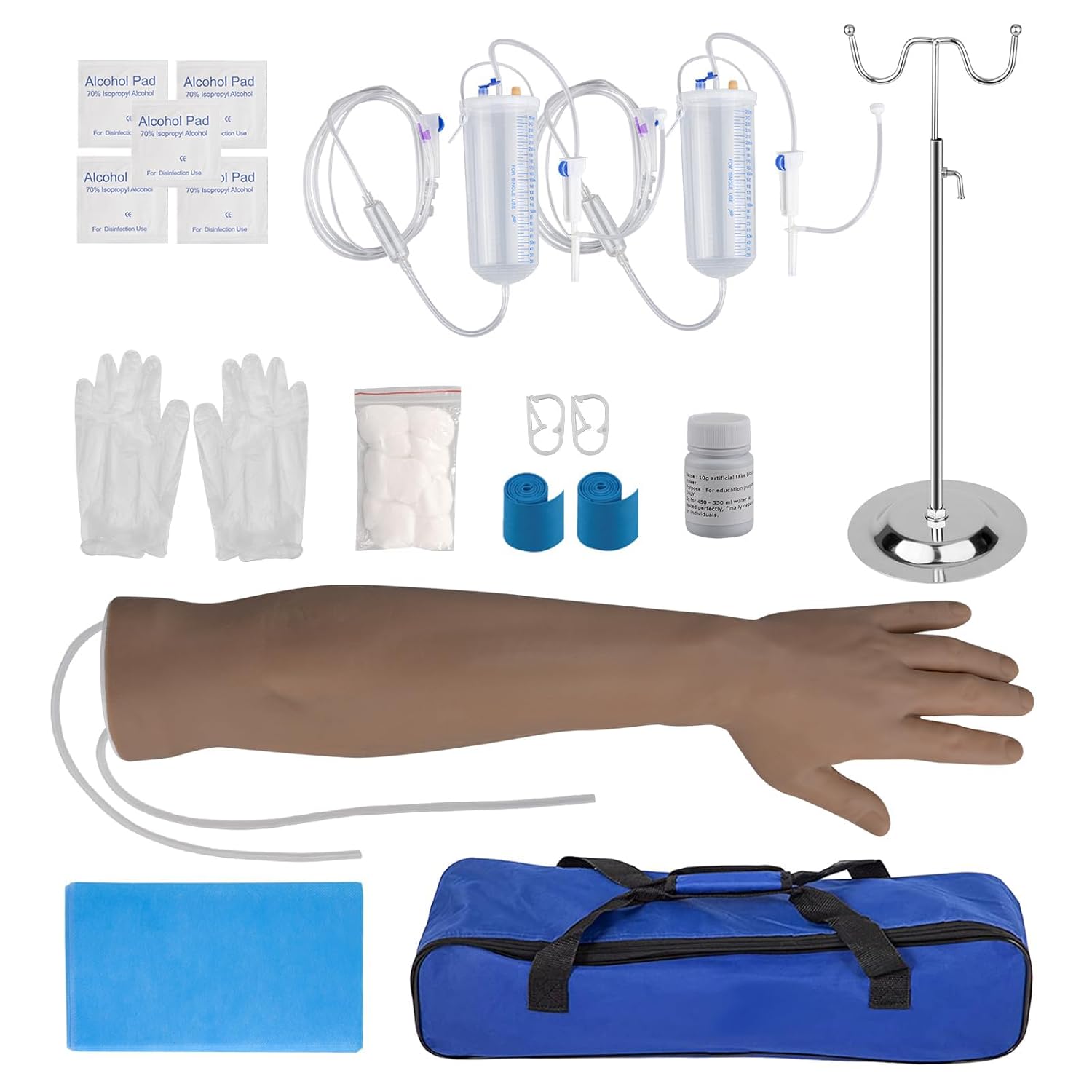
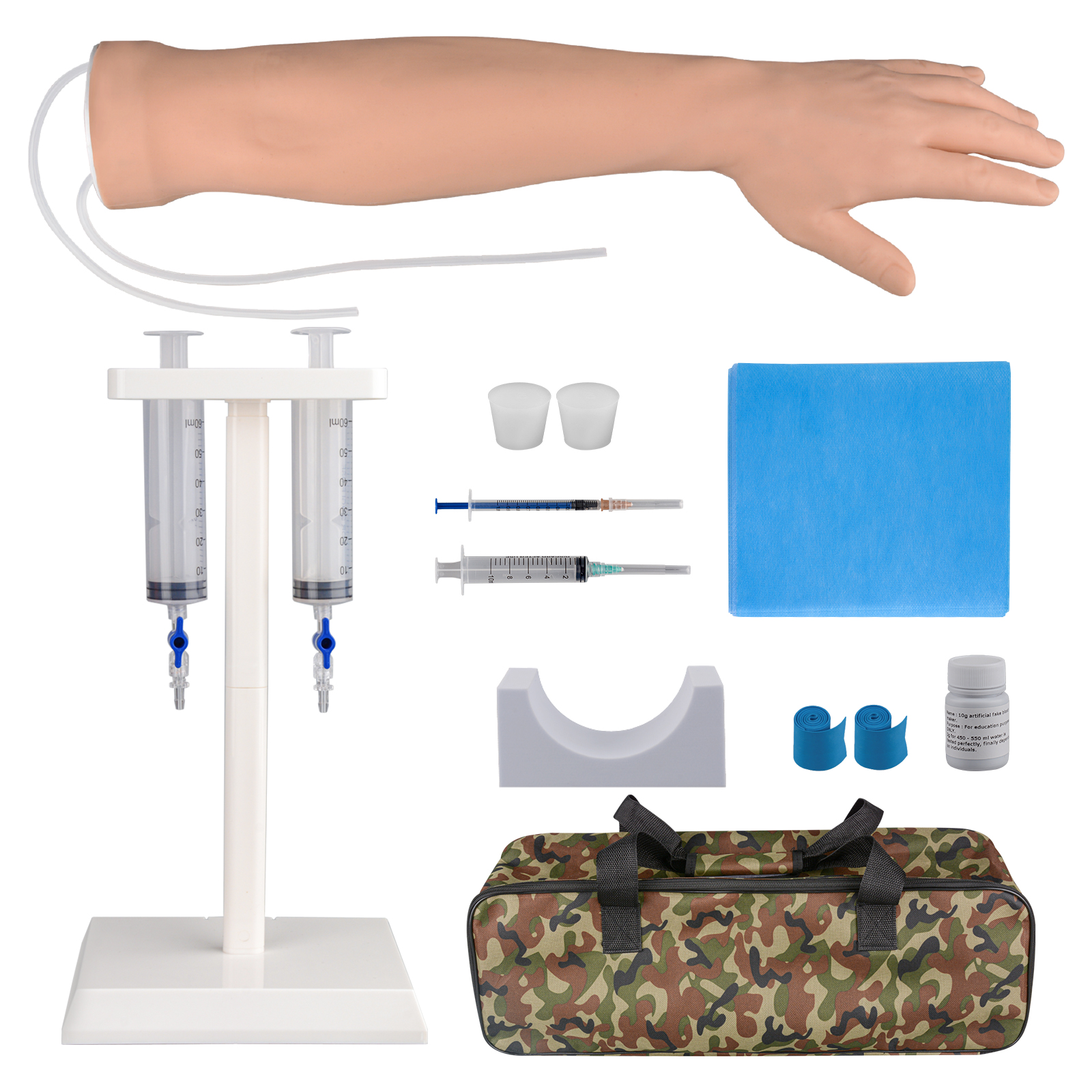
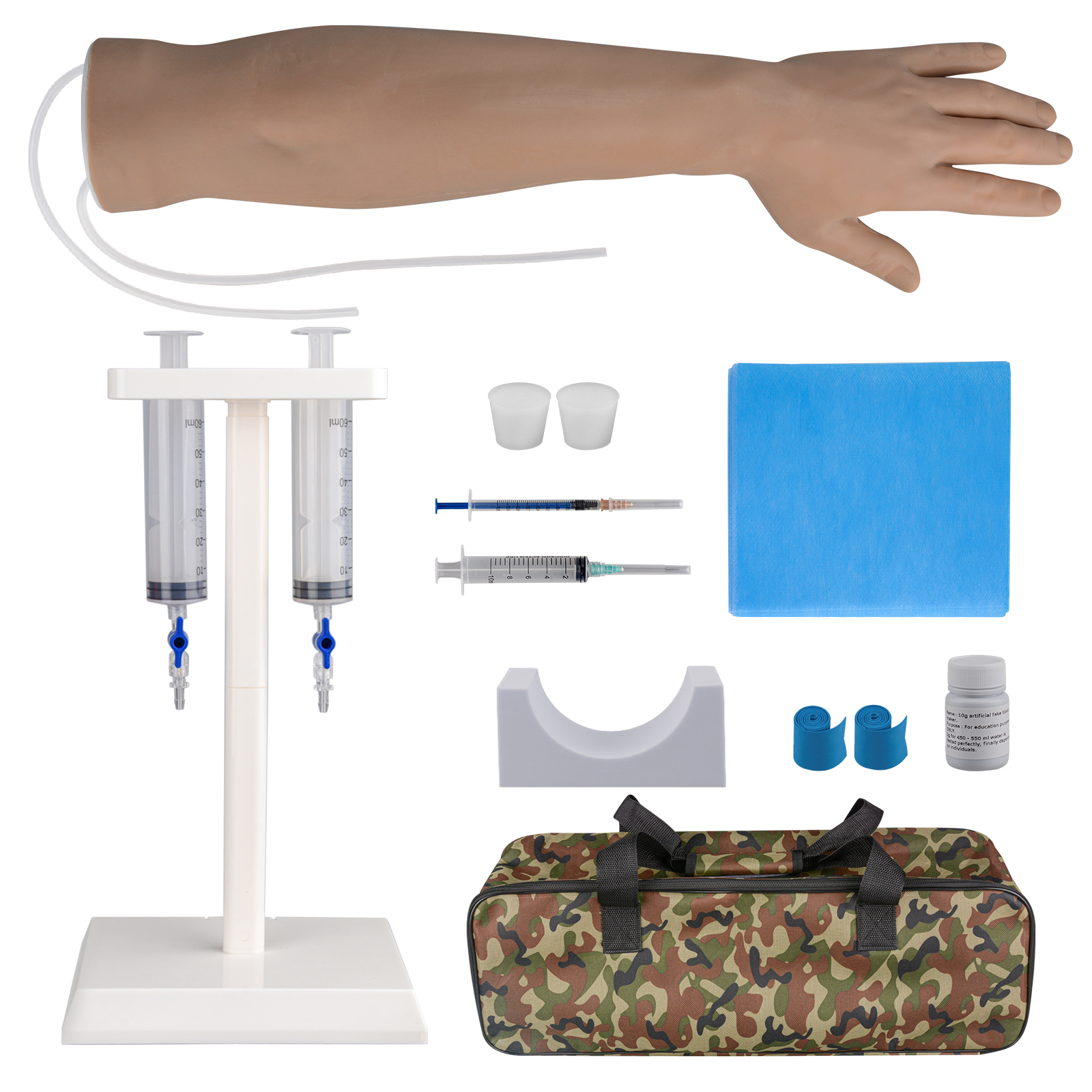
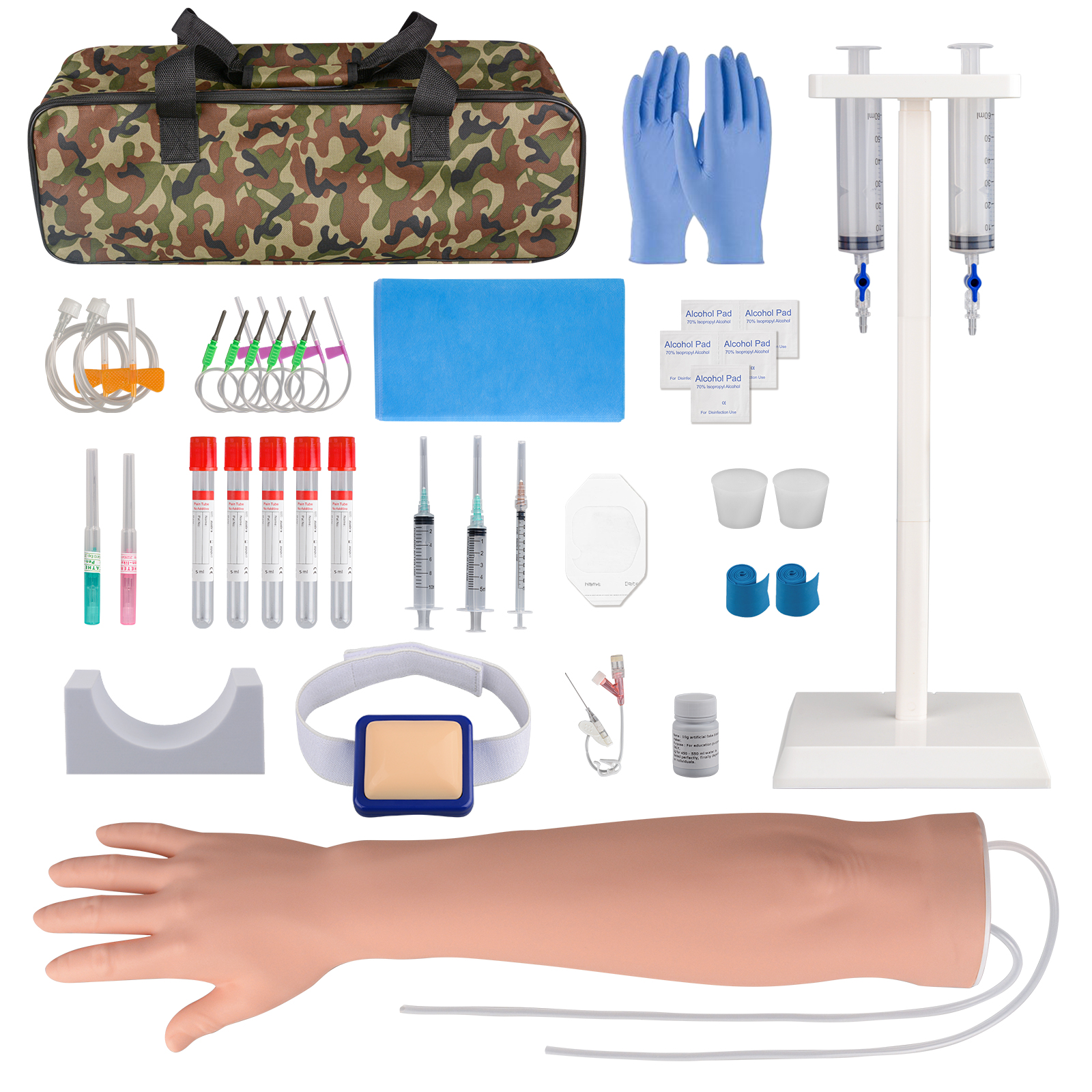
For learners who want to build confidence in both methods, using dedicated training models can make a clear difference. The SimCoach Intradermal Injection Trainer is designed to help you practice precise angle control and achieve consistent wheal formation, while the Subcutaneous Injection Trainers focus on correct depth, volume handling, and injection technique.
With repeated practice, it becomes much easier to recognize the feel and outcome of each injection, rather than relying only on theory.