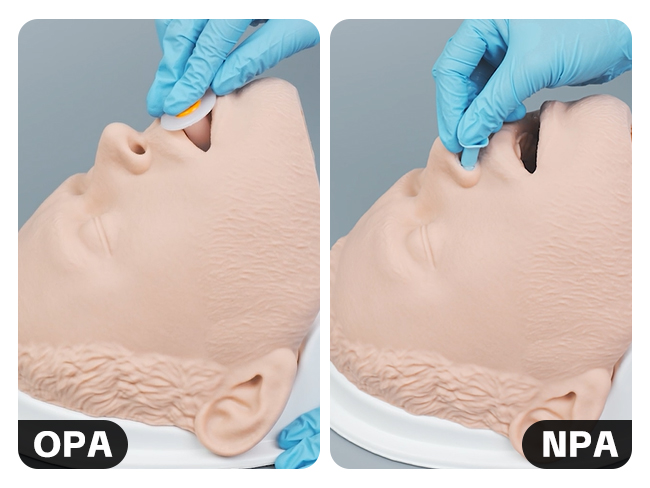
Although NPA and OPA look like small curved tubes, they can be life-saving in critical moments. They help keep a patient’s airway open, prevent the tongue from blocking breathing, and buy valuable time during emergencies or medical procedures. This article will help you understand these two airway devices and provide practical guidance on how to use them effectively.
OPA (Oropharyngeal Airway) Practical Guide
1. OPA - A Common Airway Option for Unconscious Patients
An OPA (Oropharyngeal Airway) is a curved tube inserted through the mouth and positioned along the tongue toward the throat. Its main purpose is to prevent the tongue from falling back and blocking the airway.
It is commonly used for unconscious patients to quickly open the airway, making ventilation or oxygen delivery easier. OPA can also help maintain a clear airway during CPR, emergency care, or preparation for anesthesia.
OPA devices are available in different sizes to match patients of different ages and body sizes.
2. When to Use an OPA
- Fully unconscious patients who do not have a gag or cough reflex
- During CPR or emergency care when assisted ventilation is needed
- To help maintain an open airway before anesthesia or surgery
- Patients whose mouth can be safely opened and has no severe oral injury
💡 Quick tip: OPA is usually the first choice for unconscious patients.
3. Choosing the Right OPA Size
When selecting an OPA, first measure the distance from the corner of the patient’s mouth to the angle of the jaw. This measurement usually matches the correct tube length.
In normal situations, you can refer to the size markings on the OPA. In emergencies, a quick estimate can also be made using your fingers. The patient’s middle finger length can serve as a rough reference.
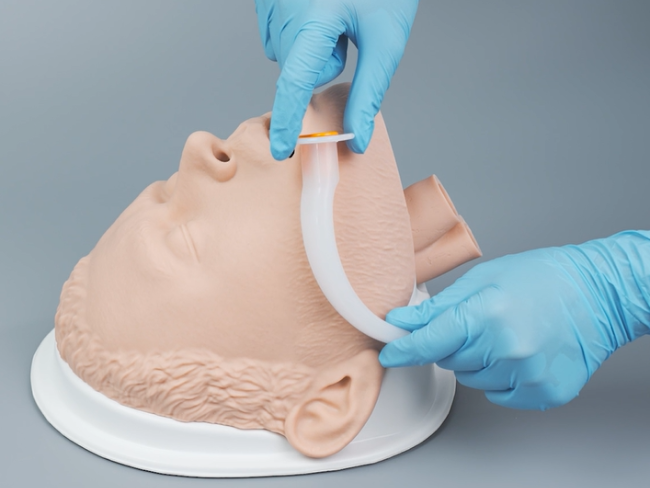
When placing the OPA, make sure the tip of the tube does not extend beyond the patient’s lips. If you are unsure about the size, start with a slightly smaller tube and adjust gradually to the correct length as needed.
For infants and children, choose a tube smaller than an adult size and refer to age-appropriate sizing guidelines.
4. Steps for OPA Placement
a. Check and prepare
First examine the patient’s mouth to make sure there are no foreign objects. Apply a water-based lubricant to the OPA to make insertion smoother and reduce irritation.
b. Open the mouth
Use one hand to gently open the patient’s mouth. You can slightly lift the patient’s jaw to create more space for insertion.
c. Insert the OPA
Insert the OPA into the mouth with the tip facing downward. There are three common insertion methods:
- Inverted method: Commonly used for adults. Insert the airway with the curved tip facing upward. Once it reaches the base of the tongue, rotate it into position so it sits under the tongue.
- Tongue depressor method: Use a tongue depressor to gently press down the tongue, then insert the OPA following the natural curve of the tongue. This method can be used for both adults and children.
- Vertical insertion method: Insert the OPA at about a 90° angle to the tongue. When the tip reaches near the base of the tongue, rotate the airway into the correct position under the tongue. This method can be helpful for children or patients with limited mouth space.
d. Confirm airway opening
Once the airway is inserted, make sure the flange rests against the patient’s lips. Check that the airway is open by observing chest movement or listening for breathing. Always insert the device gently to avoid damaging the teeth or oral tissues.
e. Check and secure the device
Make sure the tip of the OPA reaches the back of the throat and that the flat outer part of the device sits against the lips. The airway can be secured to the patient’s face with tape or a standard fixation strap. Continue to monitor the patient for discomfort or breathing difficulty and adjust the airway if needed.
f. Remove if the patient regains consciousness
If the patient begins to cough or regains consciousness, remove the OPA immediately to prevent injury.
g. Document the procedure
Record the OPA insertion in the patient’s medical record, including the size used and any observations during the procedure.
NPA (Nasopharyngeal Airway) Practical Guide
1. When to Choose NPA Instead of OPA
When a patient is still conscious but experiences airway obstruction or tongue collapse, or when oral access is limited due to tightly clenched teeth, an NPA (nasopharyngeal airway) can be used. It is a soft, curved tube inserted through the nostril and extending into the pharynx to help keep the airway open, and it can be used along with assisted ventilation or oxygen delivery.
If there is suspected oral trauma or facial fractures, using an NPA is safer because it avoids worsening the injury.
2. Choosing the Right NPA Size
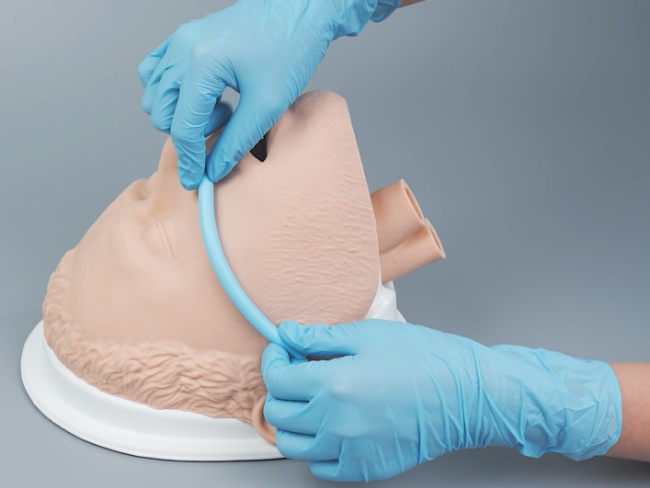
When selecting an NPA, first measure the distance from the nostril (ala of the nose) to the angle of the jaw. This measurement gives a good estimate of the required tube length. The NPA usually has size markings that can be used as a reference. In emergencies, you can roughly estimate the length using the patient’s little finger.
The tube diameter should be chosen so that it passes smoothly through the nostril without causing bleeding or discomfort.
3. Steps for NPA Placement
- After selecting the appropriate NPA, check the patient’s nostrils to ensure there are no obvious obstructions or bleeding risks. Apply a water-based lubricant to the NPA to make insertion smoother and reduce irritation.
- Gently advance the NPA along the natural curve of the nostril, slightly rotating it as you insert, until the tip reaches the pharynx and the flange rests against the patient’s nostril. Move slowly and gently throughout the process.
- Confirm proper airway placement by observing chest movement or listening for breath sounds. If needed, lightly secure the NPA with tape or a hospital-approved fixation strap.
- Document the procedure in the patient’s medical record, including the size of the NPA used and any observations during insertion.
Mastering OPA and NPA Through Practice
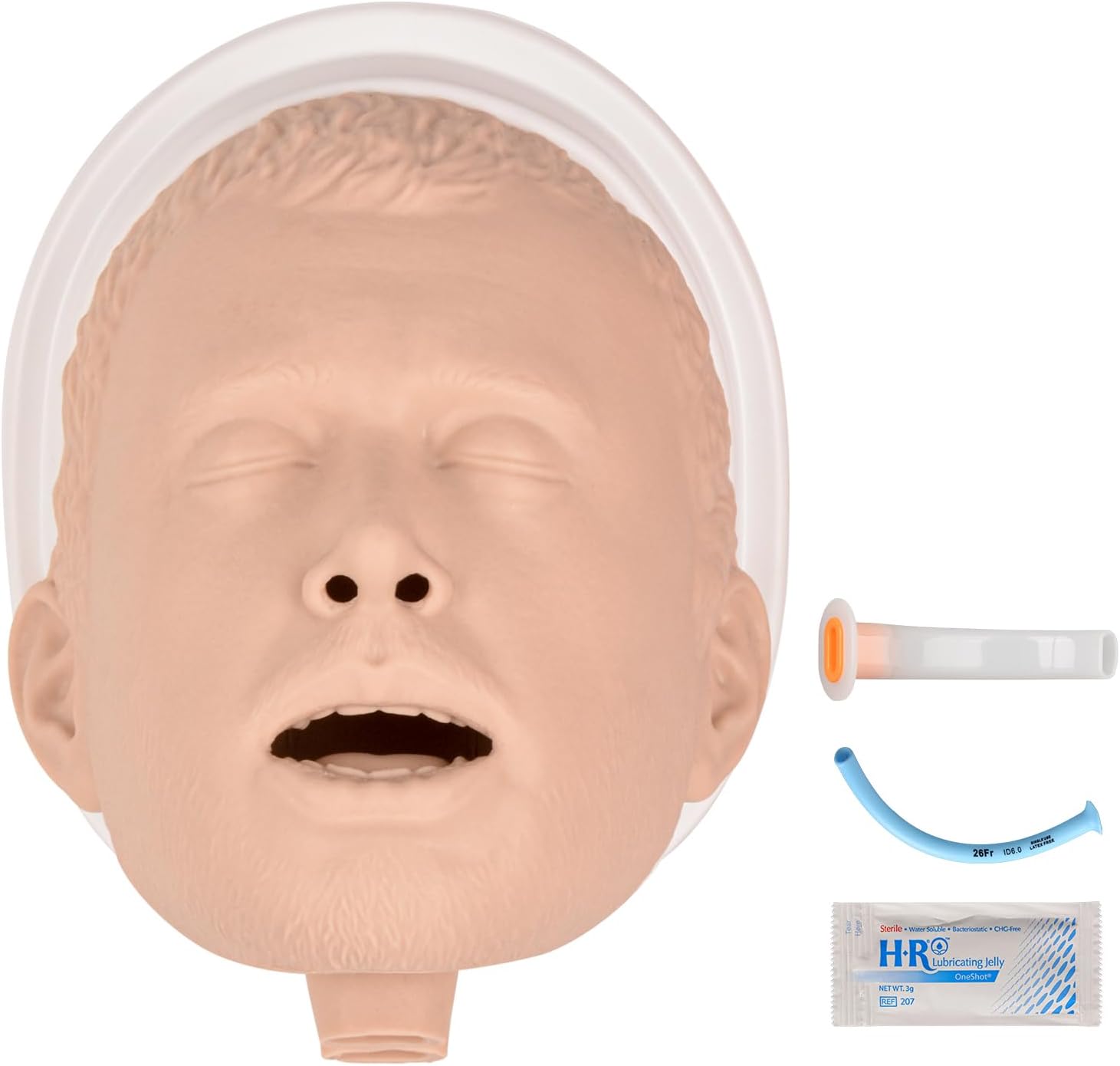
To become truly skilled at using OPA and NPA, practice is key. It is recommended to use an airway management trainer for repeated practice. A single trainer allows you to practice both OPA and NPA, helping you get familiar with different insertion methods, size selection, and the feel of proper placement.
Training models usually come in adult and pediatric versions, simulating the mouth and nasal structures of different patients. This makes the practice experience more realistic and closer to real-life situations.
.png?w=1500&h=1500)