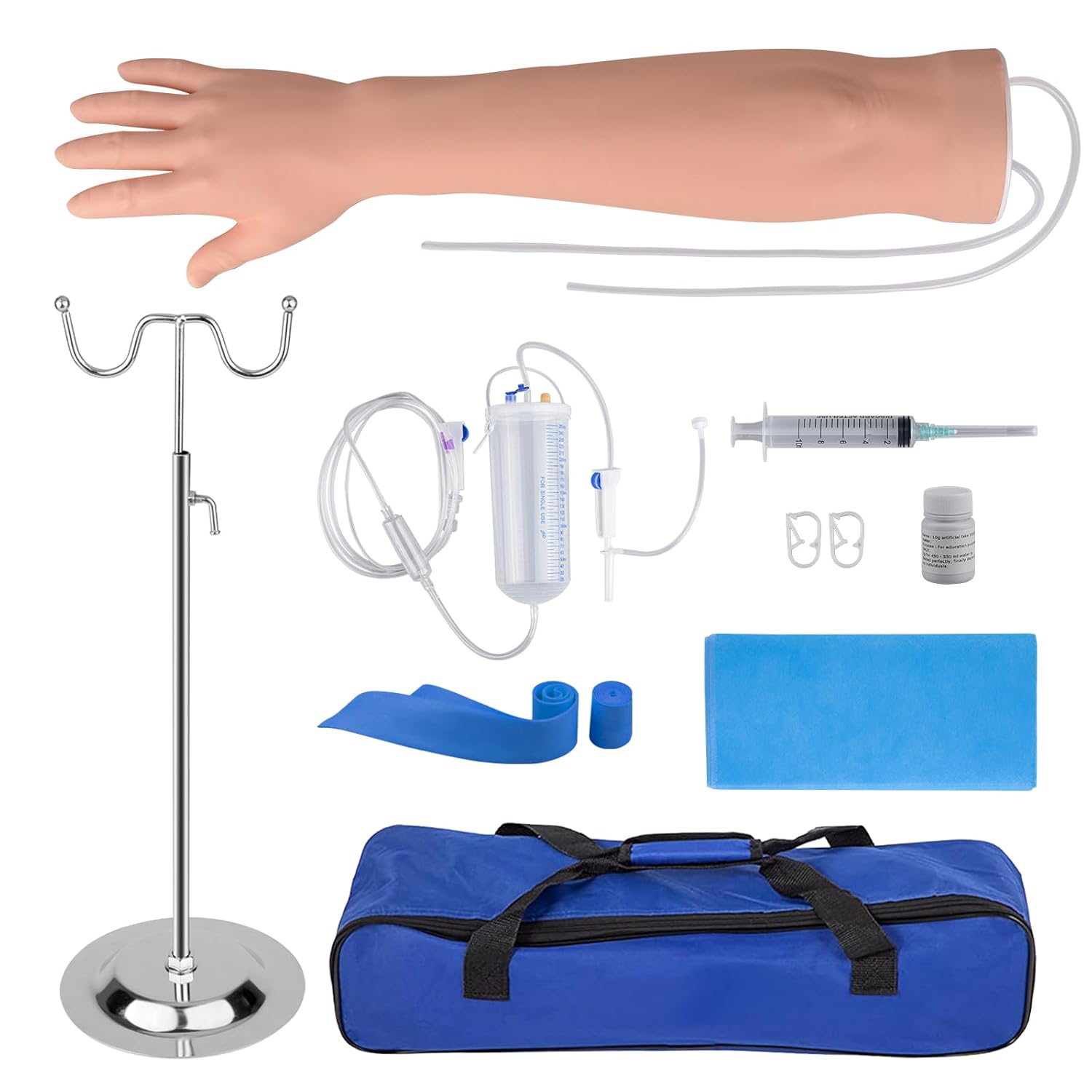
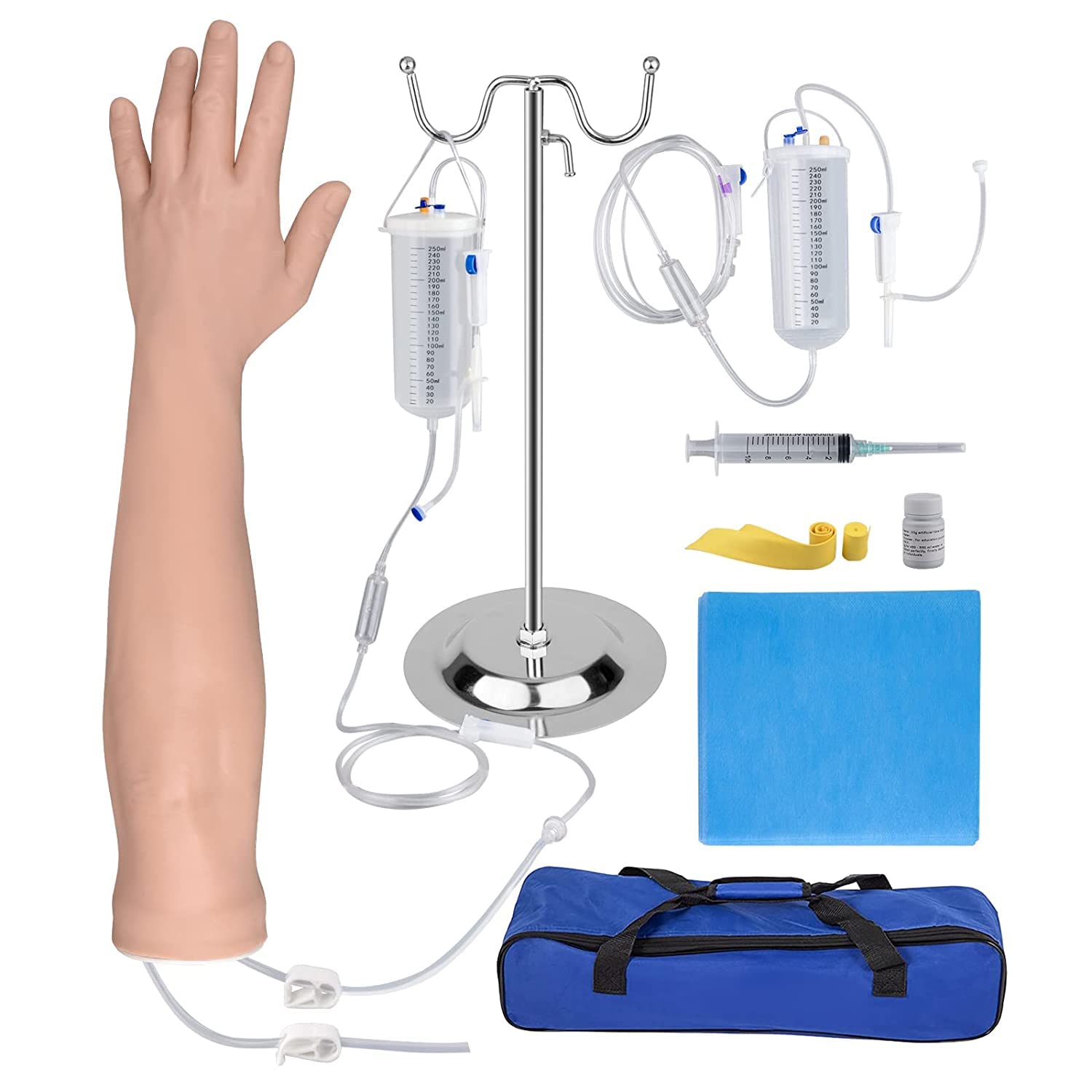
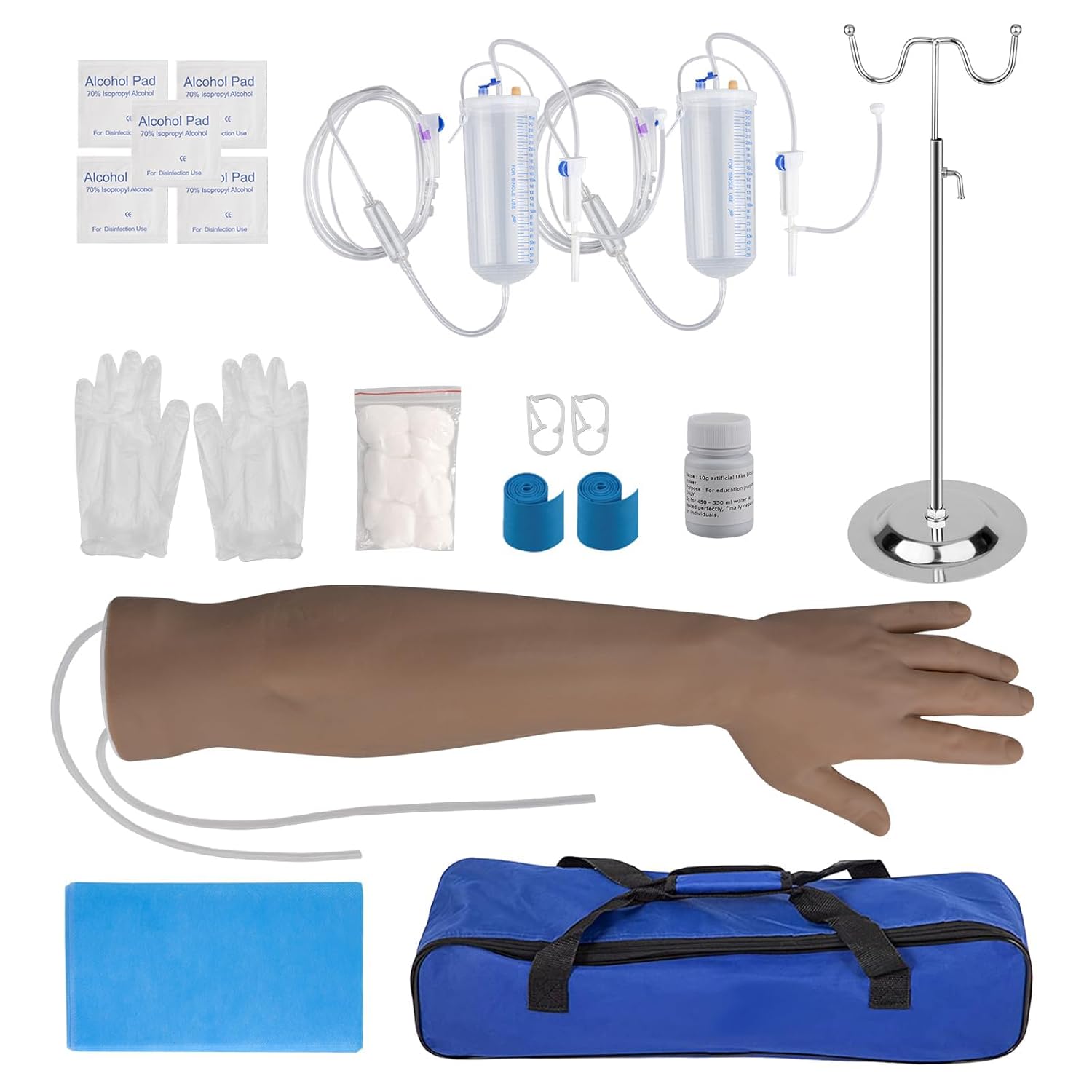
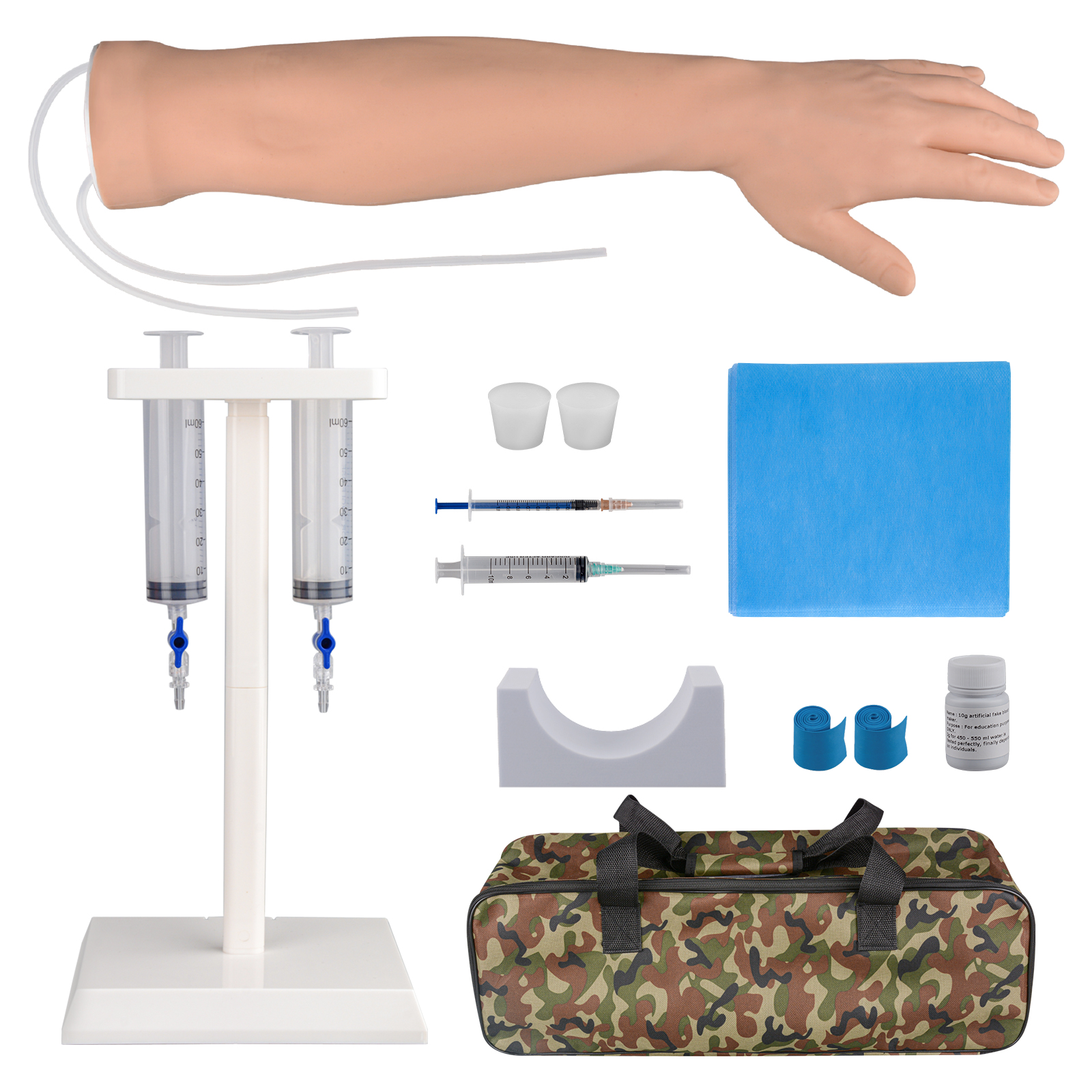
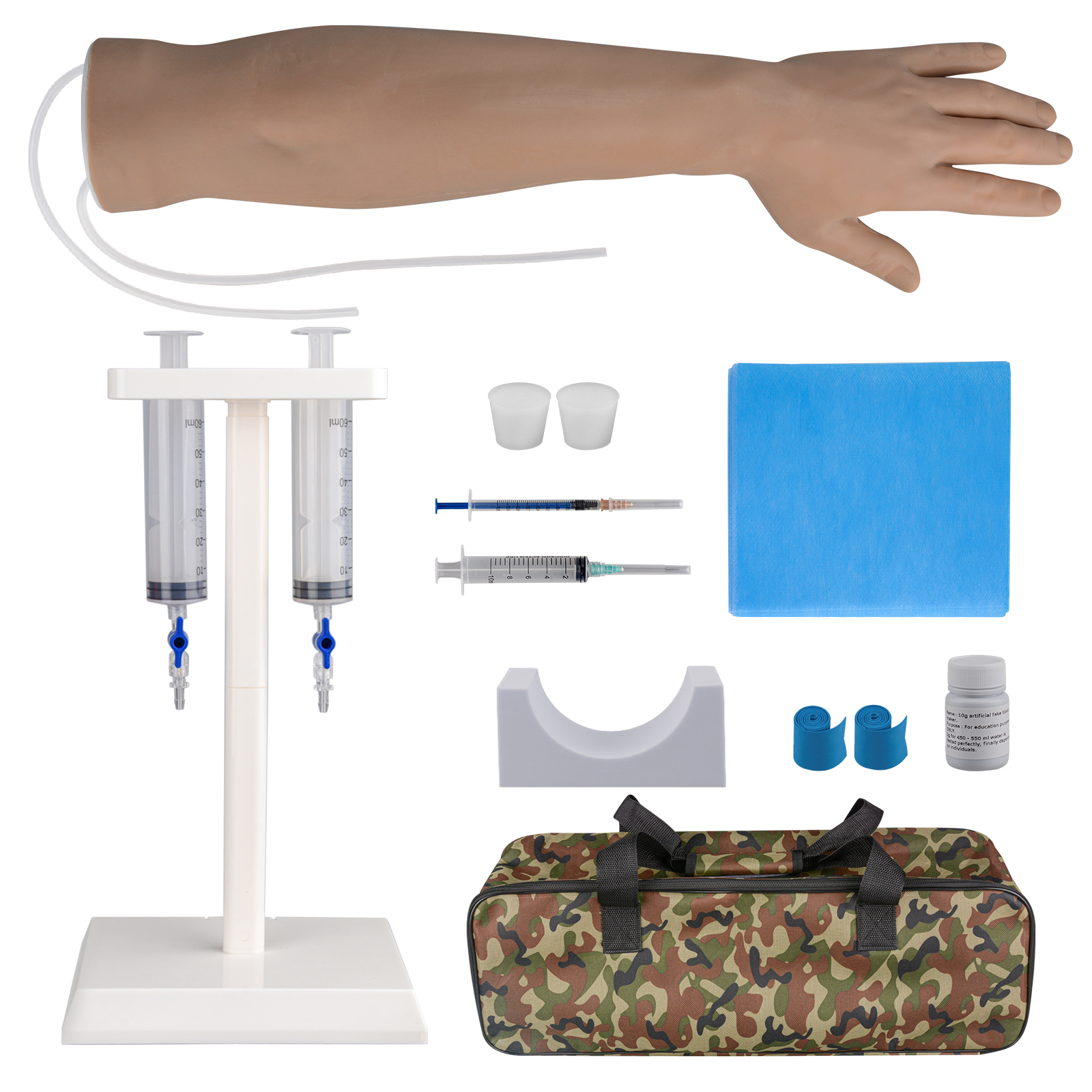
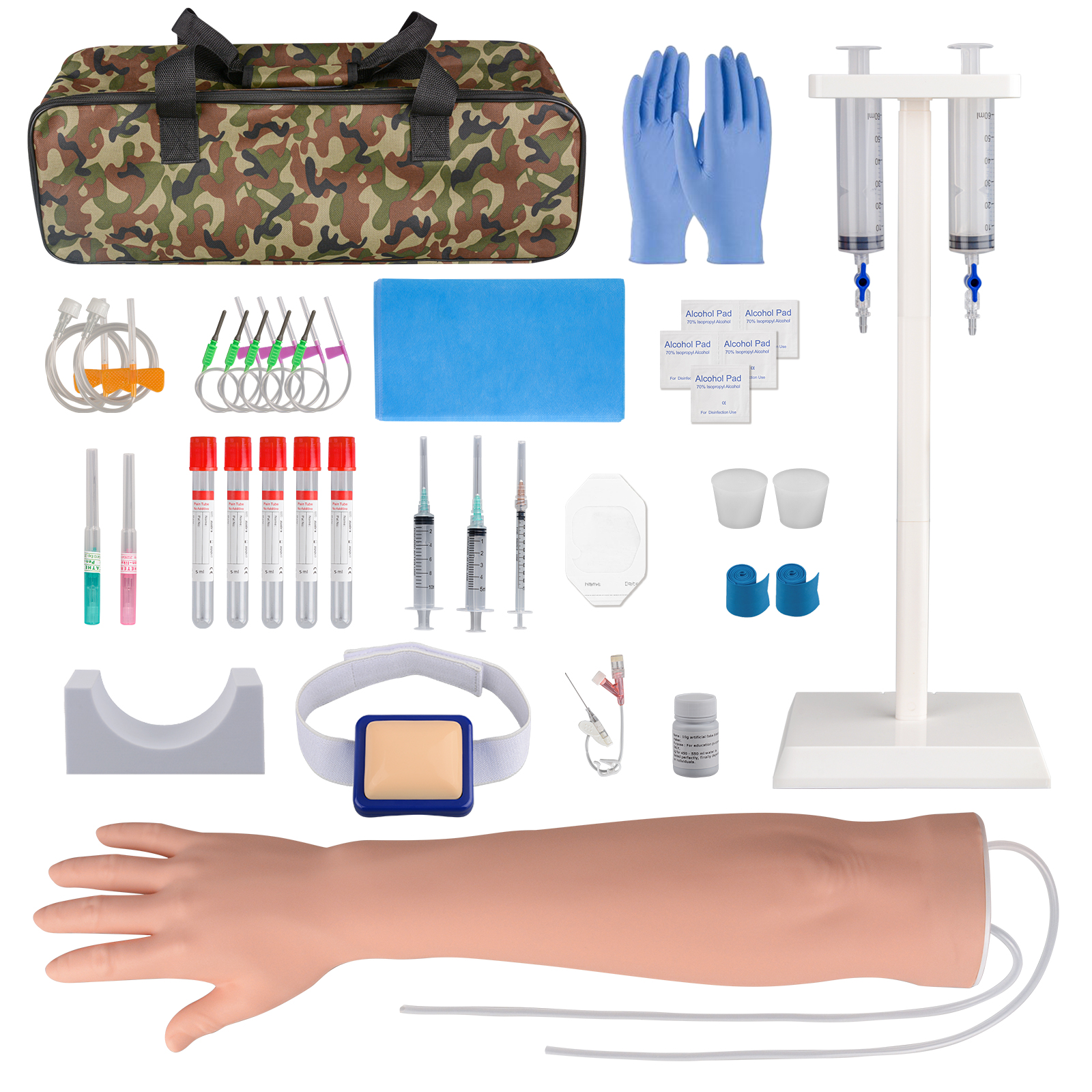
Lorsque nous parlons d'injections intradermiques, les gens pensent souvent à l'intérieur de l'avant-bras, car c'est le site le plus couramment utilisé. Cependant, les injections intradermiques ne se limitent pas à l'avant-bras, et d'autres sites peuvent être utilisés dans des situations spécifiques.
Cet article se concentrera sur les sites d'injection intradermique courants et leurs caractéristiques, aidant les lecteurs à comprendre comment choisir le lieu d'injection approprié dans différents scénarios.
Qu'est-ce qui rend un site approprié pour une injection intradermique ?
Lors de la réalisation d'une injection intradermique, le choix du site d'injection et l'attention portée à la technique affectent directement à la fois le résultat de l'injection et l'évaluation de la réaction. Un site d'injection idéal présente généralement les caractéristiques suivantes :
- Peau fine : Permet au médicament d'être délivré avec précision dans le derme, assurant une formation claire de la papule.
- Surface lisse : Facilite le contrôle de l'angle et de la profondeur de l'aiguille, améliorant la stabilité de la procédure.
- Peu de poils : Réduit les interférences pendant l'injection et rend la réaction plus facile à observer.
- Facilité d'observation des réactions : La papule formée après l'injection doit être clairement visible pour une évaluation précise.
- Pas facilement soumis à des frottements ou à des pressions : Empêche les interférences dues aux activités quotidiennes et assure des résultats fiables.
3 principaux sites d'injection intradermique
Les sites courants pour les injections intradermiques incluent généralement l'intérieur de l'avant-bras, l'extérieur du bras supérieur et la région scapulaire.
3.1 Intérieur de l'avant-bras (site le plus courant et préféré)
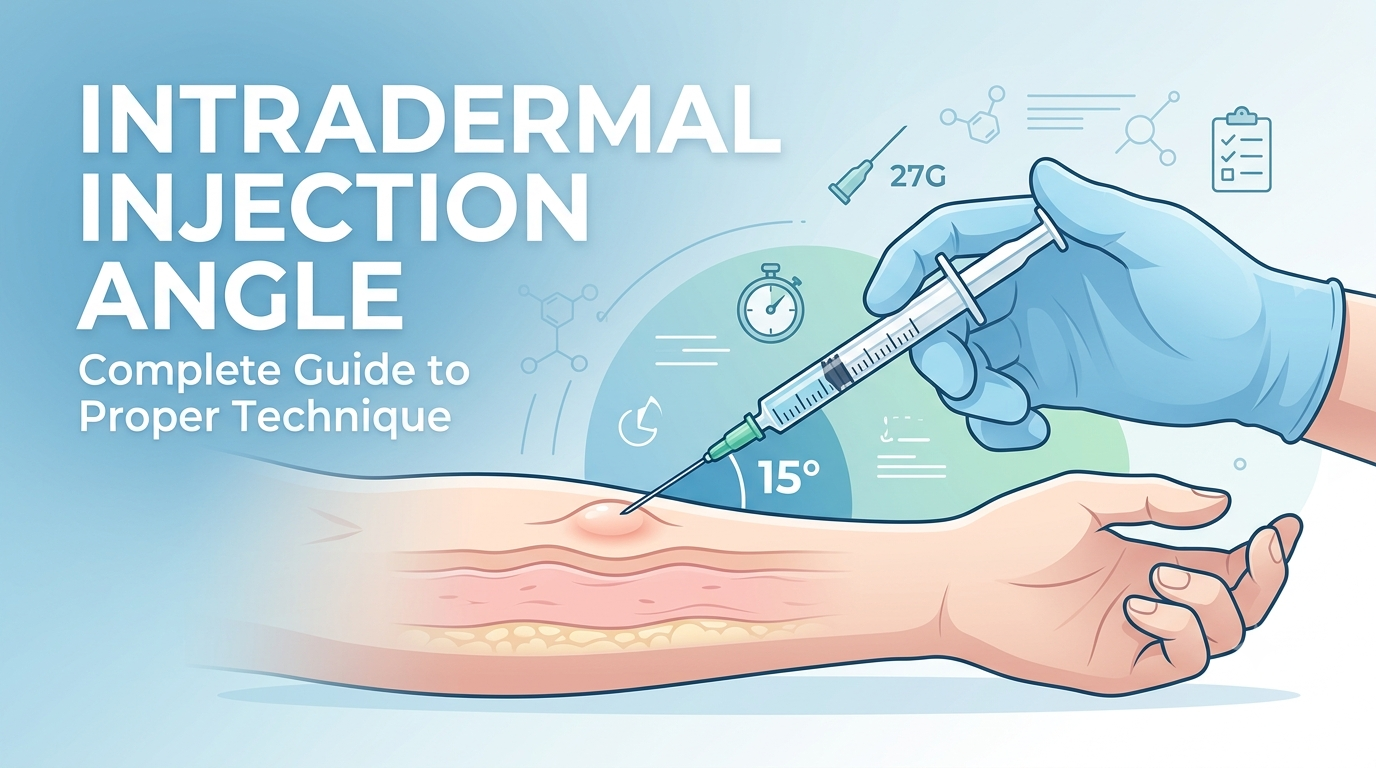
L'intérieur de l'avant-bras est le site le plus couramment utilisé et standard pour les injections intradermiques, et il est particulièrement préféré pour les tests de tuberculine (PPD). En pratique, l'injection est généralement effectuée sur une zone plate de l'intérieur de l'avant-bras, à environ 5–10 cm du poignet, près du milieu de l'avant-bras. La peau ici est fine, douce et a juste la bonne tension, ce qui facilite l'insertion de l'aiguille presque parallèlement à la peau et la délivrance précise du médicament dans le derme.
Parce que cette zone a peu de poils et est facile à exposer, les professionnels de la santé peuvent voir clairement la petite papule qui se forme pendant l'injection. Cela aide à confirmer que le médicament a été injecté correctement et permet une observation précise de toute réaction. Son accessibilité et sa stabilité font de l'intérieur de l'avant-bras un site largement utilisé dans la pratique clinique et le site préféré pour la formation et la pratique des compétences.
3.2 Extérieur du bras supérieur (site alternatif courant)
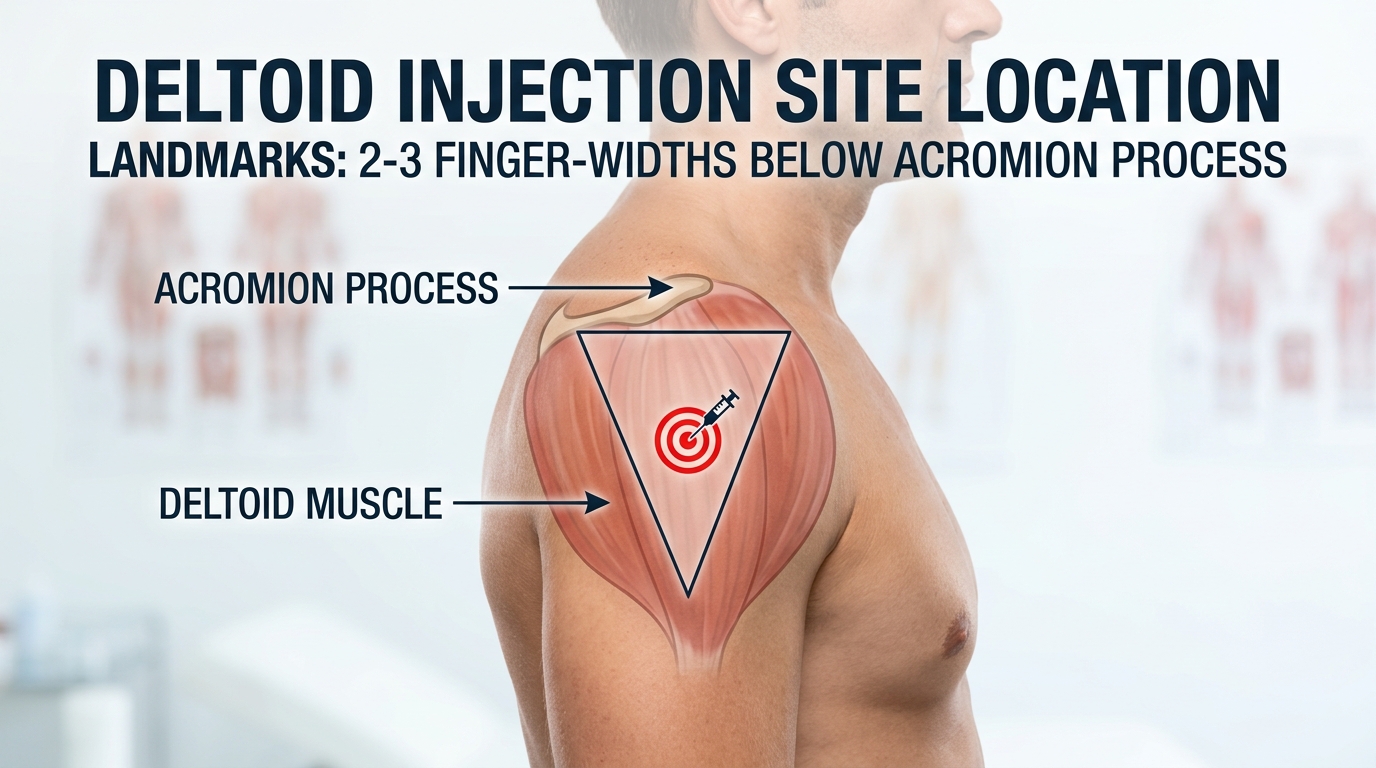
L'extérieur du bras supérieur est un site alternatif courant pour les injections intradermiques, généralement utilisé lorsque l'intérieur de l'avant-bras n'est pas approprié ou accessible. L'injection est généralement effectuée sur une zone plate près du muscle deltoïde, à environ 5–10 cm en dessous de l'épaule. La peau dans cette zone est légèrement plus épaisse que sur l'avant-bras, donc l'angle de l'aiguille doit être légèrement ajusté, en maintenant la pointe à environ 5–15 degrés par rapport à la surface de la peau pour s'assurer que le médicament est délivré dans le derme.
Parce que l'extérieur du bras supérieur a souvent plus de poils, la zone doit être nettoyée ou légèrement rasée avant l'injection pour réduire les interférences et permettre une meilleure observation de la papule. Bien que la papule puisse ne pas être aussi clairement définie que sur l'avant-bras, ce site fournit toujours un emplacement d'injection fiable lorsque l'avant-bras ne peut pas être utilisé. Il est adapté pour les tests de tuberculine (PPD), la formation de base ou comme alternative pour les injections intradermiques de routine.
3.3 Région scapulaire (haut du dos, couramment utilisée pour plusieurs injections)
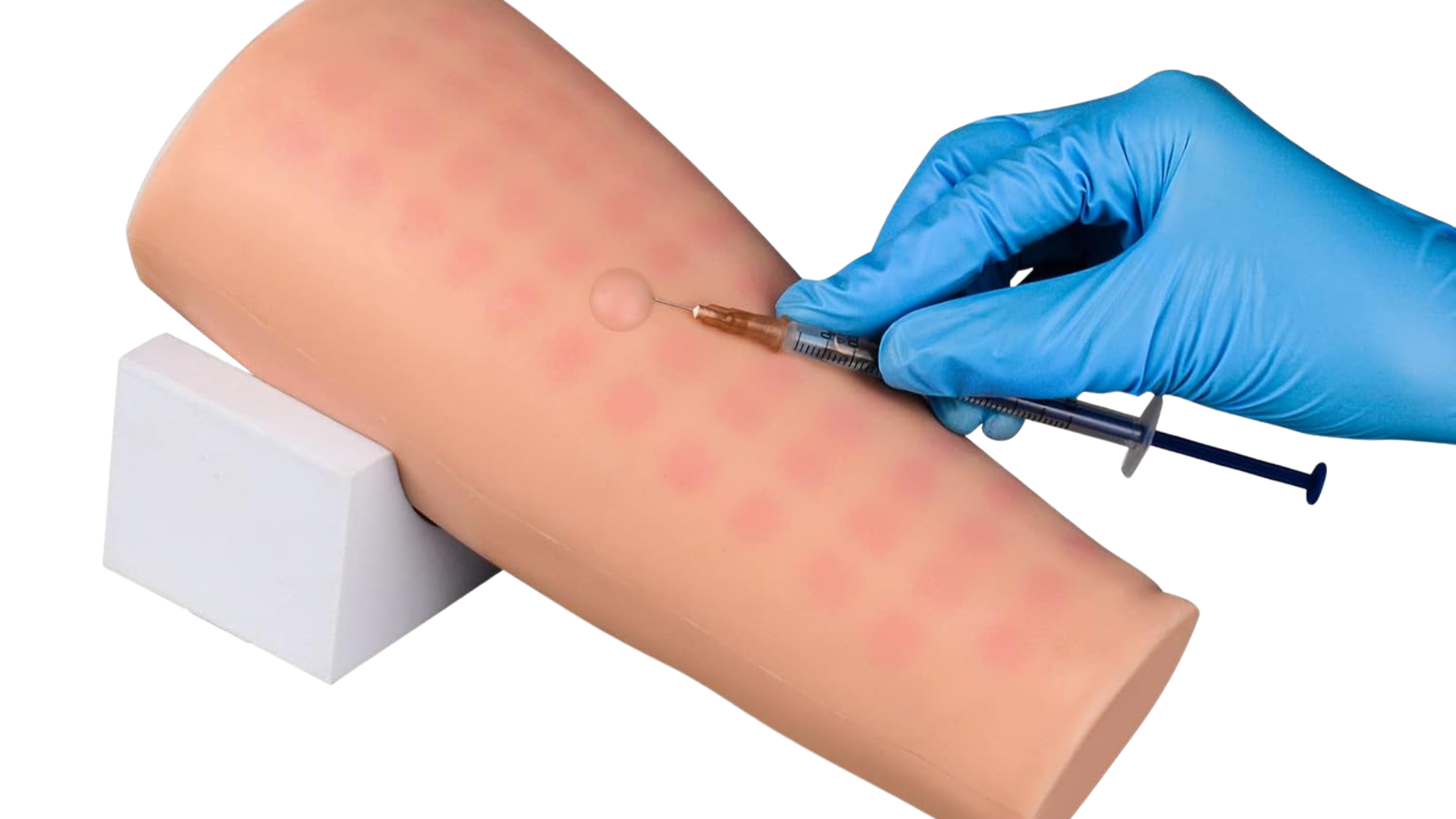
La région scapulaire, située entre ou juste en dessous des omoplates sur le haut du dos, est un site courant pour plusieurs injections intradermiques. Les multiples injections font référence à la mise en place de plusieurs points d'injection dans la même zone, chacun recevant une substance différente ou servant de contrôle, permettant la comparaison des réactions cutanées à chaque point. Cette zone a une surface cutanée relativement grande, ce qui peut accueillir plusieurs sites d'injection à la fois, facilitant ainsi les observations comparatives sur le même individu. De plus, le haut du dos est moins sujet aux frottements ou à la pression des activités quotidiennes, aidant à maintenir des réactions stables après l'injection.
En pratique, la région scapulaire est souvent choisie lorsqu'il est nécessaire de tester plusieurs allergènes en même temps (comme le pollen, les acariens ou les allergènes alimentaires), de réaliser des expériences contrôlées avec des médicaments ou des réactifs, ou de procéder à des tests comparatifs dans le cadre de la formation clinique et de la recherche. Ces scénarios nécessitent un nombre suffisant de points d'injection et un espacement approprié, et le haut du dos offre suffisamment d'espace et une zone relativement stable pour une observation précise, ce qui en fait un choix idéal à ces fins.
En général, les injections intradermiques sont effectuées sur l'intérieur de l'avant-bras pour garantir une injection précise et une observation fiable de la réaction. Cependant, si la peau de l'avant-bras est endommagée, cicatrisée ou infectée, l'extérieur du bras supérieur peut être utilisé comme site alternatif. Pour les situations nécessitant plusieurs injections en même temps, la comparaison des réactions à différentes substances, ou des tests cutanés systématiques et des recherches cliniques, la région scapulaire ou le haut du dos est généralement choisie.
Conseils de formation pour les injections intradermiques
Après avoir compris la théorie et les sites d'injection intradermique courants, la pratique pratique est tout aussi importante. La pratique répétée aide à améliorer les compétences d'injection, à contrôler l'angle et la profondeur de l'aiguille, et à observer la formation d'une papule.
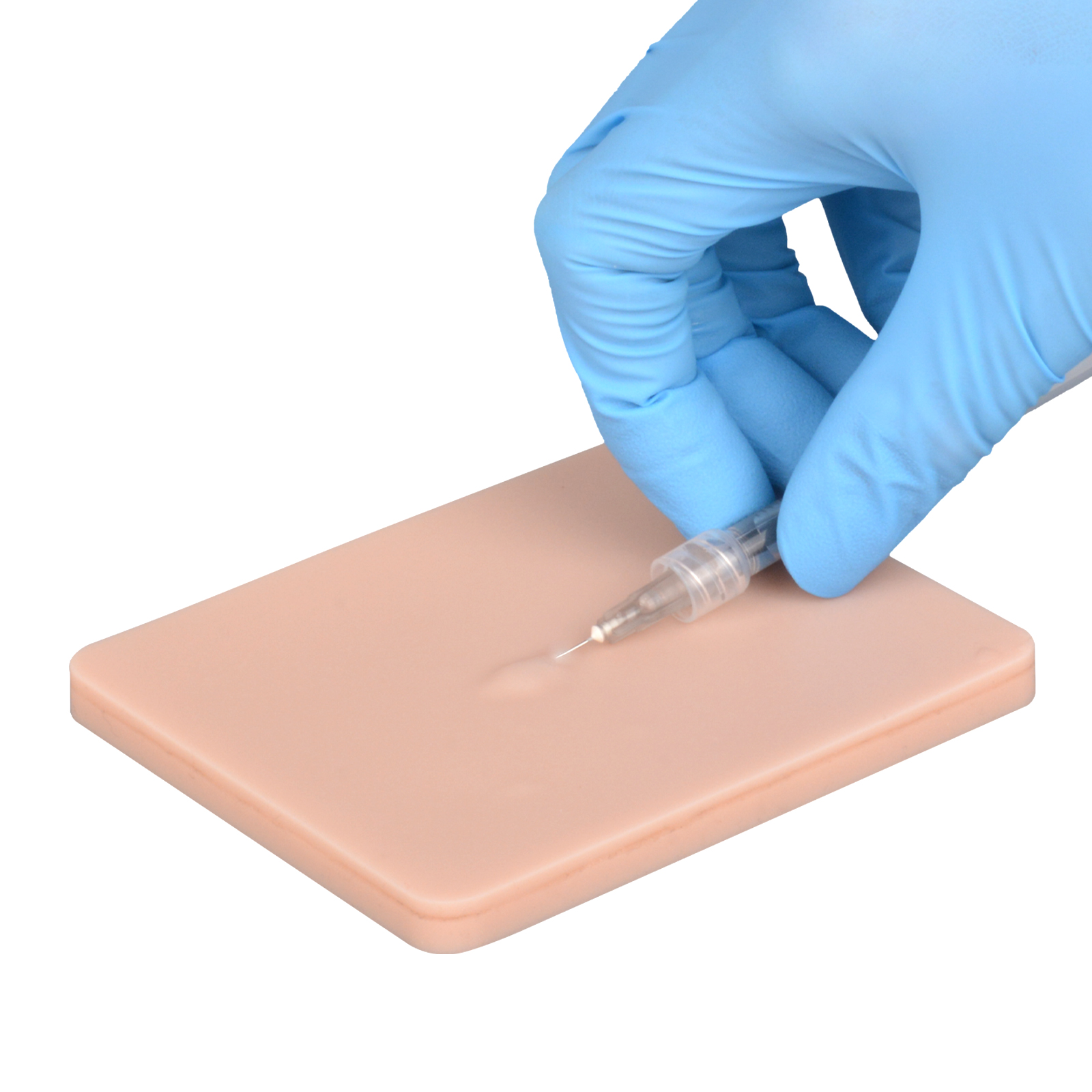
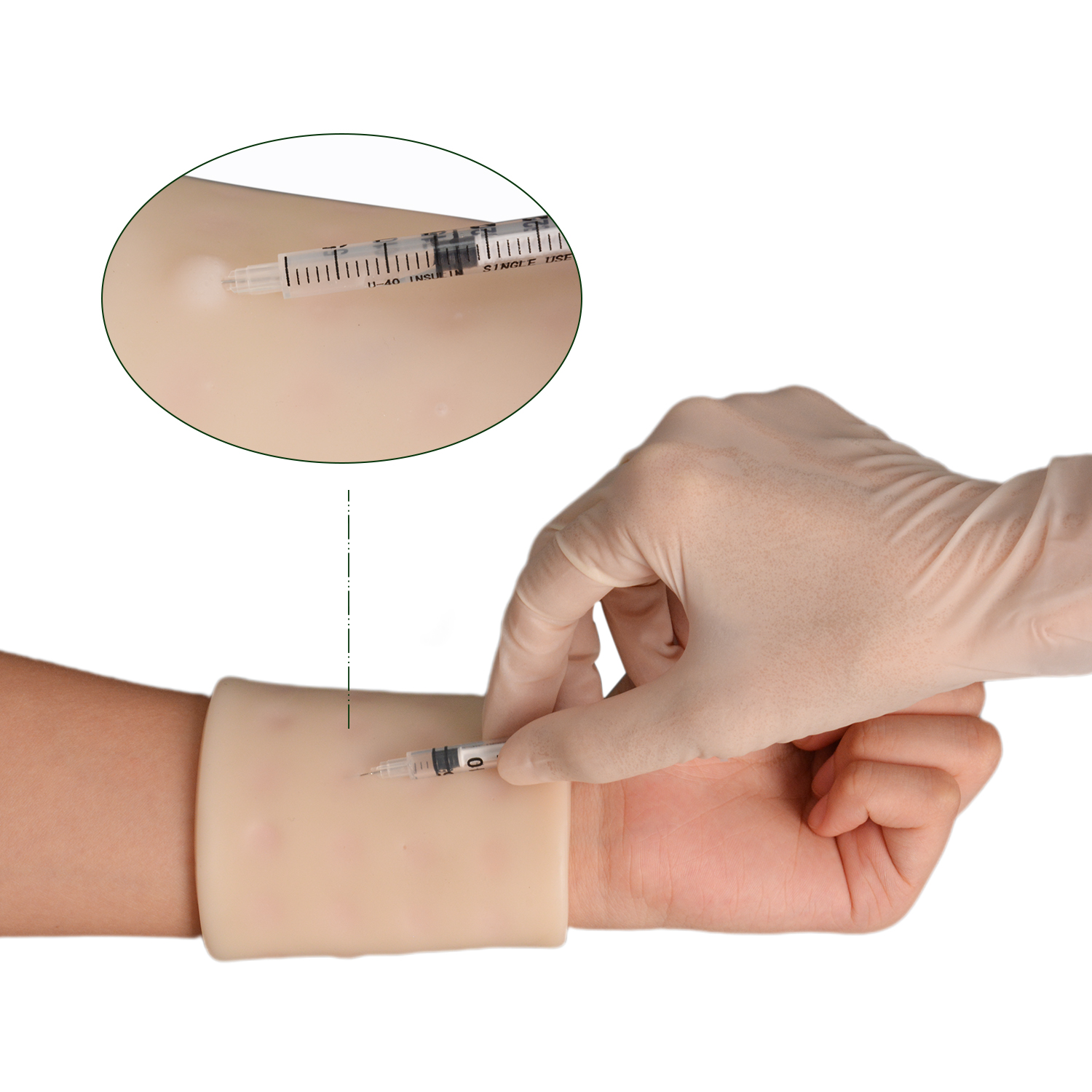
Utiliser des formateurs d'injection intradermique ID professionnels peut rendre la pratique plus proche des scénarios réels. Nos formateurs incluent des coussins d'injection ID réutilisables et un modèle simulant l'intérieur de l'avant-bras. Ils reproduisent non seulement l'épaisseur et la sensation de la vraie peau, mais forment également une papule claire lorsqu'ils sont injectés correctement, tout comme dans la pratique réelle. Cela fournit un retour immédiat, permettant aux apprenants d'ajuster leur technique et de gagner en confiance.
.jpeg?w=1500&h=1500)
🛒Acheter : Explorer tous les formateurs d'injection intradermique de SimCoach