Overview
Are you looking for effective ways to teach healthy eating? As we know, teaching materials act as a bridge between knowledge and understanding. They help learners grasp concepts faster and make lessons more engaging and effective. Next, let’s take a look at the essential materials for nutrition education.
.png?w=1920&h=1080)
What Essential Nutrition Education Materials Are There?
Next, we’ll explain them by category.
1. Visual Aids:
- Food Models: Plastic or silicone models of fruits, vegetables, grains, and other foods
- Body Fat & Muscle Models: Realistic models simulating fat and muscle, with 1:1 weight accuracy.
- Body Type Charts: BMI charts, body proportion diagrams
- MyPlate Posters: Visual guides showing balanced meals
2. Interactive Tools
Hands-on or participatory tools that increase engagement and understanding.
- Workbooks: Track eating habits, calculate calories, complete nutrition quizzes
- Apps: Nutrition tracking apps like MyFitnessPal or Cronometer
- Measurement Tools: Kitchen scales, measuring cups, body fat scales, waist measuring tapes
- Quizzes / Games: Online quizzes or interactive games to test nutrition knowledge and healthy eating habits
3. Printed Materials
Printed resources are useful for teaching or giving learners something to refer to.
- Charts: Nutrient classification charts, food pyramids, vitamin and mineral distribution charts
- Posters: Healthy eating posters, dietary guideline posters
- Guides / Booklets: School curriculum guides, community nutrition education guides
- Pamphlets / Brochures: Family nutrition tips, nutrition guides for specific groups
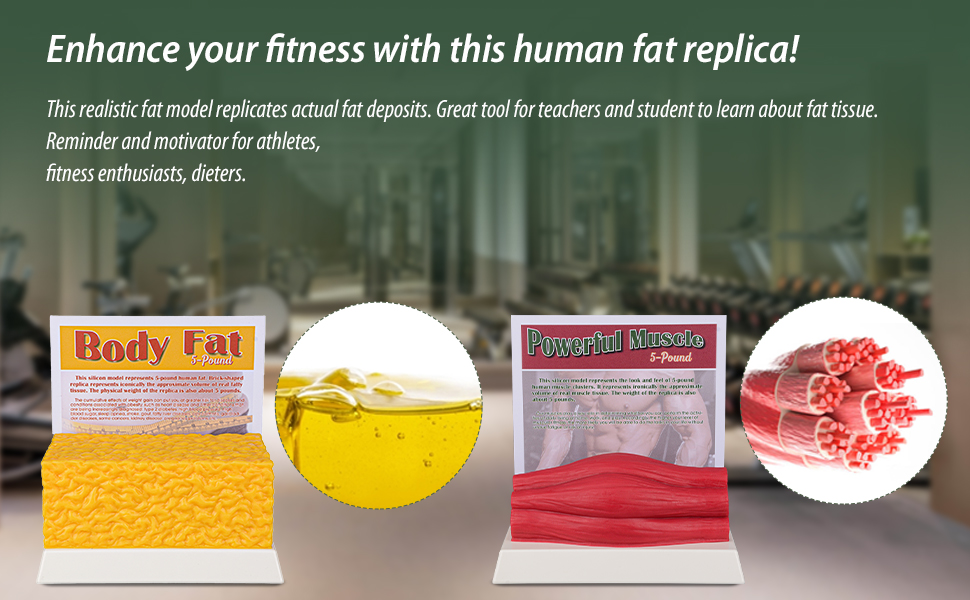
Introducing Muscle and Fat Replicas for Nutrition Education
SimCoach’s human body muscle and fat replicas are realistic models that let learners see and feel how muscles and fat are distributed in the body. They turn abstract nutrition concepts into something tangible, making it easier to understand how diet and exercise affect the body.
Function in Nutrition Education:
- Visual and tactile learning
- Demonstrating body composition
- Motivation for healthy choices
Where to Use Them:
- In nutrition or health classes
- At community health workshops
- For patient education in clinics
- In training for nutritionists, fitness coaches, or healthcare staff

Conclusion
When teaching nutrition to students or patients, don’t just rely on traditional materials—try adding something new: muscle and fat replicas. They provide hands-on, visual, and interactive learning experiences, helping learners connect theory to real life and making nutrition education more engaging and effective.
📰Related Articles:
.png?w=1672&h=941)