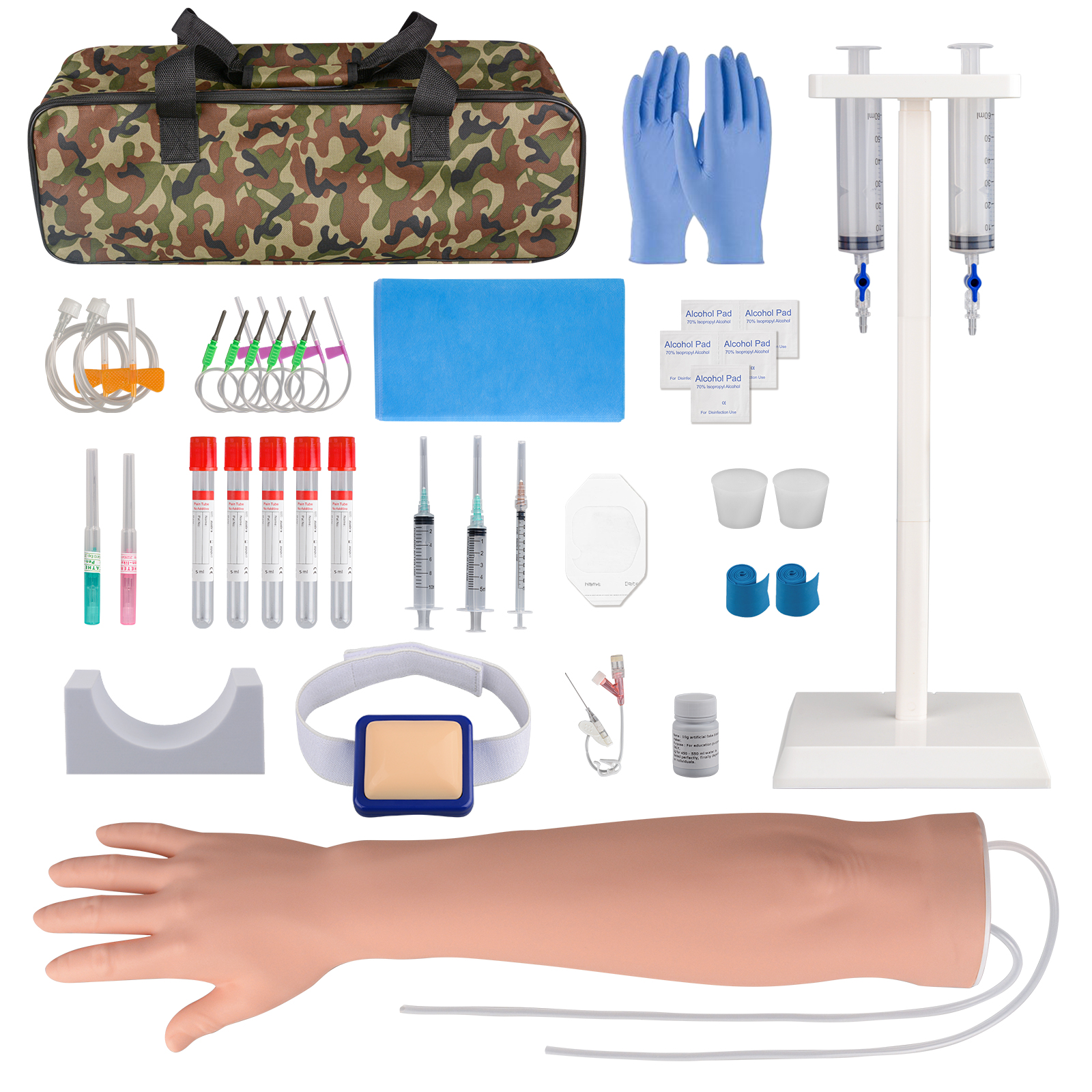
Intrauterine device (IUD) insertion is a crucial skill for healthcare professionals involved in reproductive health care. To perform this procedure effectively and safely, it is essential to practice and refine your technique. Using an IUD trainer or uterine simulator provides a controlled environment to learn and improve your skills before performing IUD insertions and replacements on real patients. This guide will walk you through how to practice placing and changing an IUD using an training model.
Why Use an IUD Trainer?
An IUD trainer offers a safe, low-risk way to practice and refine your skills in a hands-on setting. Whether you're a medical student, resident, nurse, or healthcare provider looking to master IUD insertion, simulation-based practice has several benefits:
- Hands-on experience: IUD trainers mimic the anatomy of the cervix and uterus, allowing learners to practice real-world scenarios.
- Repetition: Practicing multiple insertions with an IUD trainer allows you to build muscle memory, ensuring you become proficient.
- Error-free environment: Mistakes made during training don’t result in harm, unlike in a clinical setting, where improper technique can cause discomfort or complications.
- Confidence-building: Regular practice on a realistic IUD model helps improve confidence before transitioning to patient care.
What You’ll Need for IUD Training
To practice IUD insertion and replacement with an IUD trainer, you'll need the following equipment:
- IUD trainer (preferably with removable IUDs to simulate replacement)
- Speculum to visualize the cervix
- Tenaculum for stabilizing the cervix
- Uterine sound for measuring uterine depth
- Mock IUD devices (both copper and hormonal types)
- Sterile gloves, lubricant, and antiseptic swabs
- Scissors to trim IUD strings
IUD Insertion Training Guide
IUD insertion training involves performing the entire procedure step-by-step on a realistic uterine simulator. This includes inserting a mock IUD into the uterine cavity.
Step-by-Step: Practicing IUD Insertion
1. Prepare the Equipment
Ensure all necessary equipment is sterile and within reach, including your IUD trainer and the speculum. Verify the mock IUD is properly loaded into the inserter.
2. Position the Patient
Position the IUD trainer or manikin in a lithotomy position, where the legs are bent and placed in stirrups. This position helps open the cervix and allows you better access.
3. Visualize the Cervix
Insert the speculum into the simulated vaginal canal and open it to visualize the cervix clearly. The model should replicate the feel of the cervix during a real exam.
4. Stabilize the Cervix
Use the tenaculum to apply gentle traction to the anterior lip of the cervix. This helps stabilize the cervix and prevent movement during the procedure.
5. Measure Uterine Depth
Insert the uterine sound to measure the depth of the uterine cavity. This step ensures that the IUD is placed at the correct depth, typically around 6–9 cm, depending on the patient’s anatomy.
6. Insert the IUD
Using a steady hand, insert the mock IUD into the uterine cavity, following the sound’s measurement. Carefully ensure the arms of the IUD are placed at the fundus of the uterus.
7. Withdraw the Inserter
Once the IUD is correctly positioned, withdraw the inserter while leaving the device in place. Trim the strings to about 2–3 cm from the cervix.
IUD Insertion Tips
To help ensure a smooth IUD insertion procedure, here are some essential tips:
- Use Lubricant on the Speculum
Apply lubricant(Vaseline may be substituted for practice) to the speculum to reduce discomfort for the patient and ensure smooth insertion.
- Stabilize the Cervix Firmly
A firm grip on the cervix is crucial for accurate and comfortable insertion. Avoid excessive force when using the tenaculum.
- Go Slow and Be Gentle
Avoid rushing the insertion. A gentle and controlled approach will help reduce the risk of complications like uterine perforation or expulsion.
- Measure the Uterine Depth Accurately
Be sure to measure uterine depth with the uterine sound before inserting the IUD to avoid misplacement.
- Ensure Proper String Placement
After insertion, double-check that the IUD strings are left protruding from the cervix and are easily accessible for future check-ups.
IUD Replacement Training Guide
Practicing IUD replacement is just as important as initial insertion. Here’s how to simulate IUD removal and replacement:
1. Locate the Strings
Begin by locating the strings of the old IUD. If the trainer model allows, use forceps to gently grasp the strings.
2. Remove the Old IUD
Carefully remove the old IUD from the simulated uterine cavity. Ensure that the device is fully removed to avoid complications.
3. Measure Uterine Depth Again
Before inserting a new IUD, measure the uterine depth again using the uterine sound.
4. Insert the New IUD
Follow the same insertion steps as described for IUD insertion, ensuring the new IUD is correctly positioned and the strings are trimmed.
Conclusion
Using an IUD trainer is an invaluable tool for mastering IUD insertion and IUD replacement techniques. By following the steps, tips, and avoiding common mistakes outlined in this guide, you can significantly improve your skills, ensuring better patient care and reducing complications. Simulating IUD procedures through practice and repetition builds confidence and enhances your ability to provide safe and effective reproductive healthcare.
- Ready to start practicing? Check out our IUD Trainers and get started today!