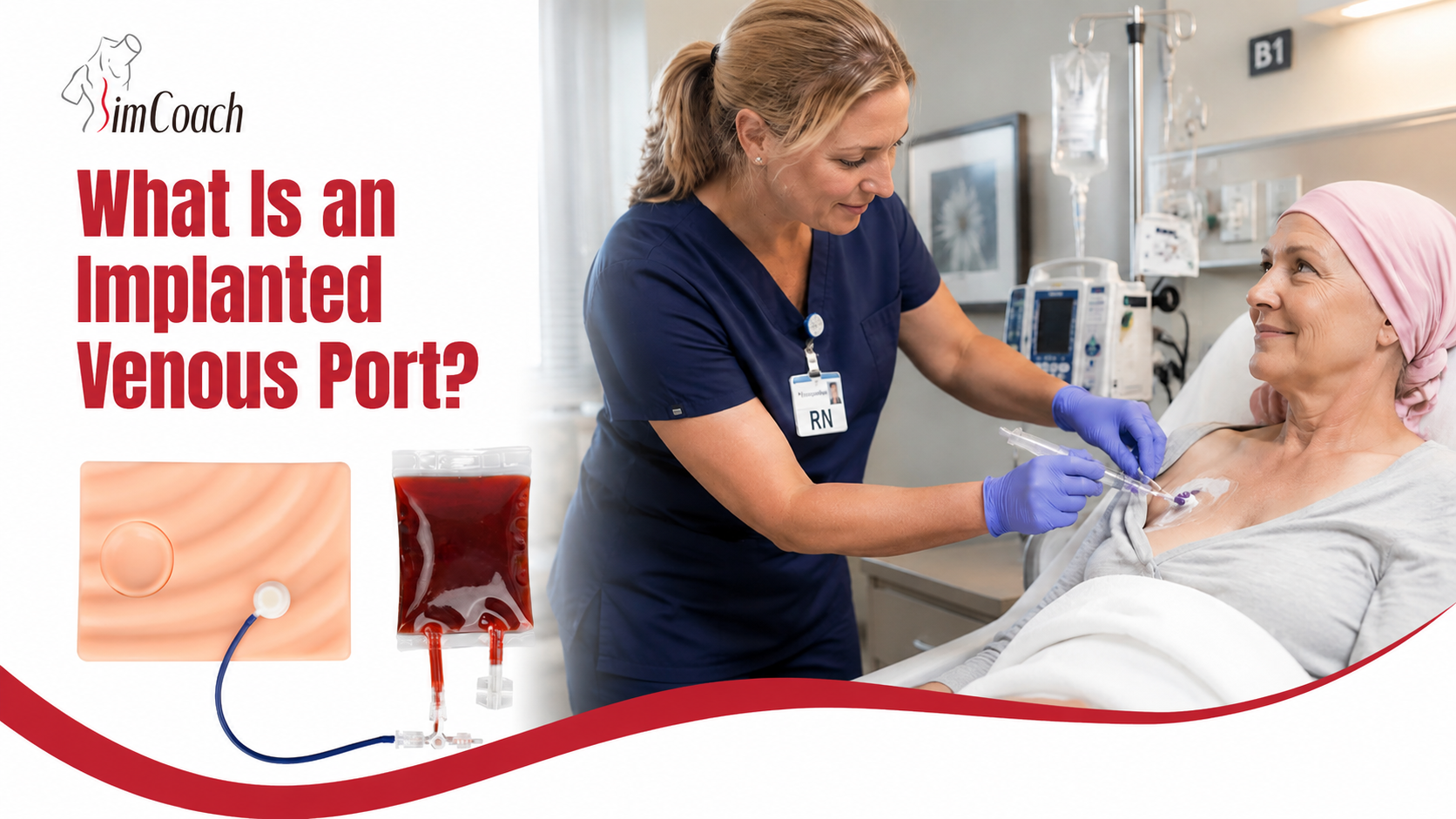
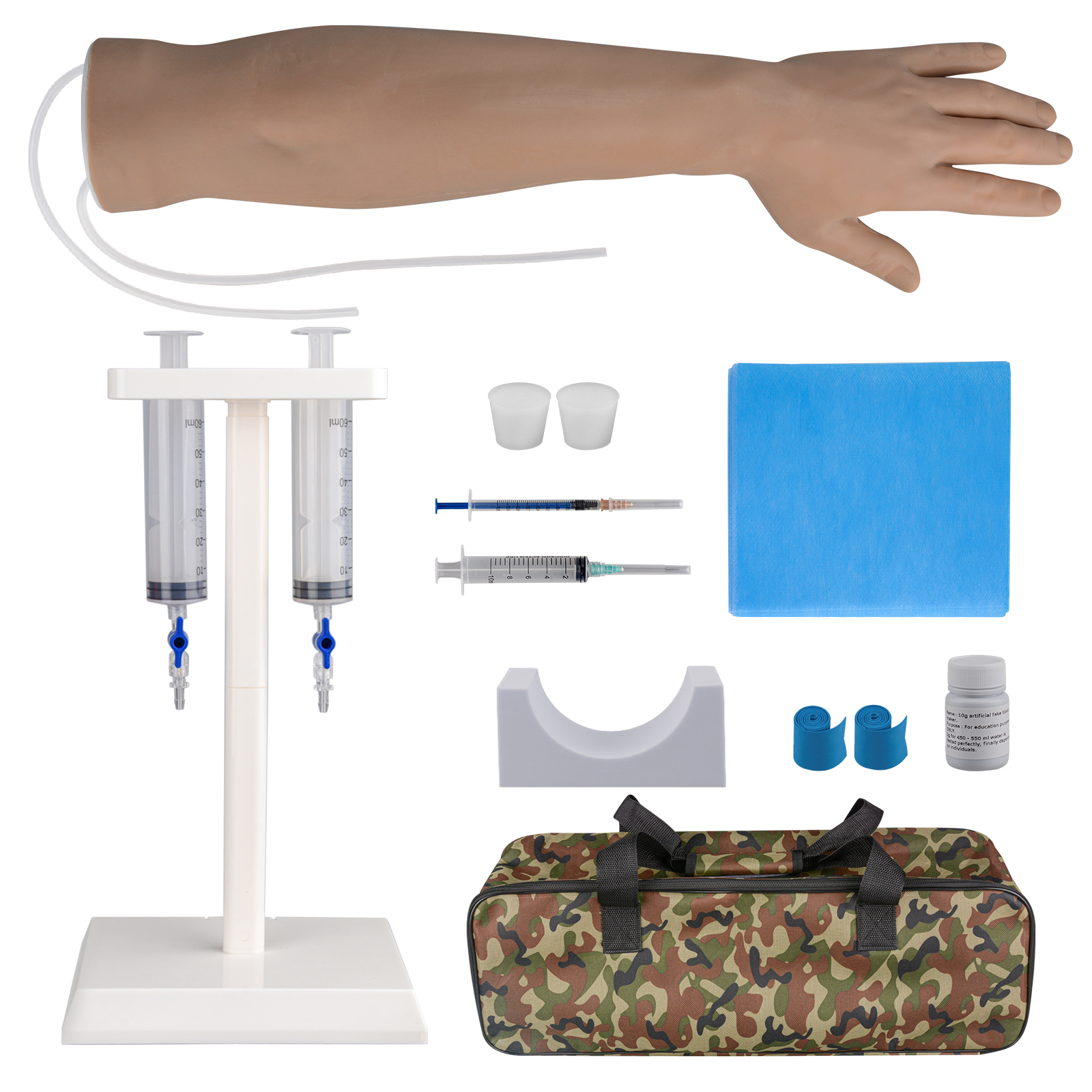
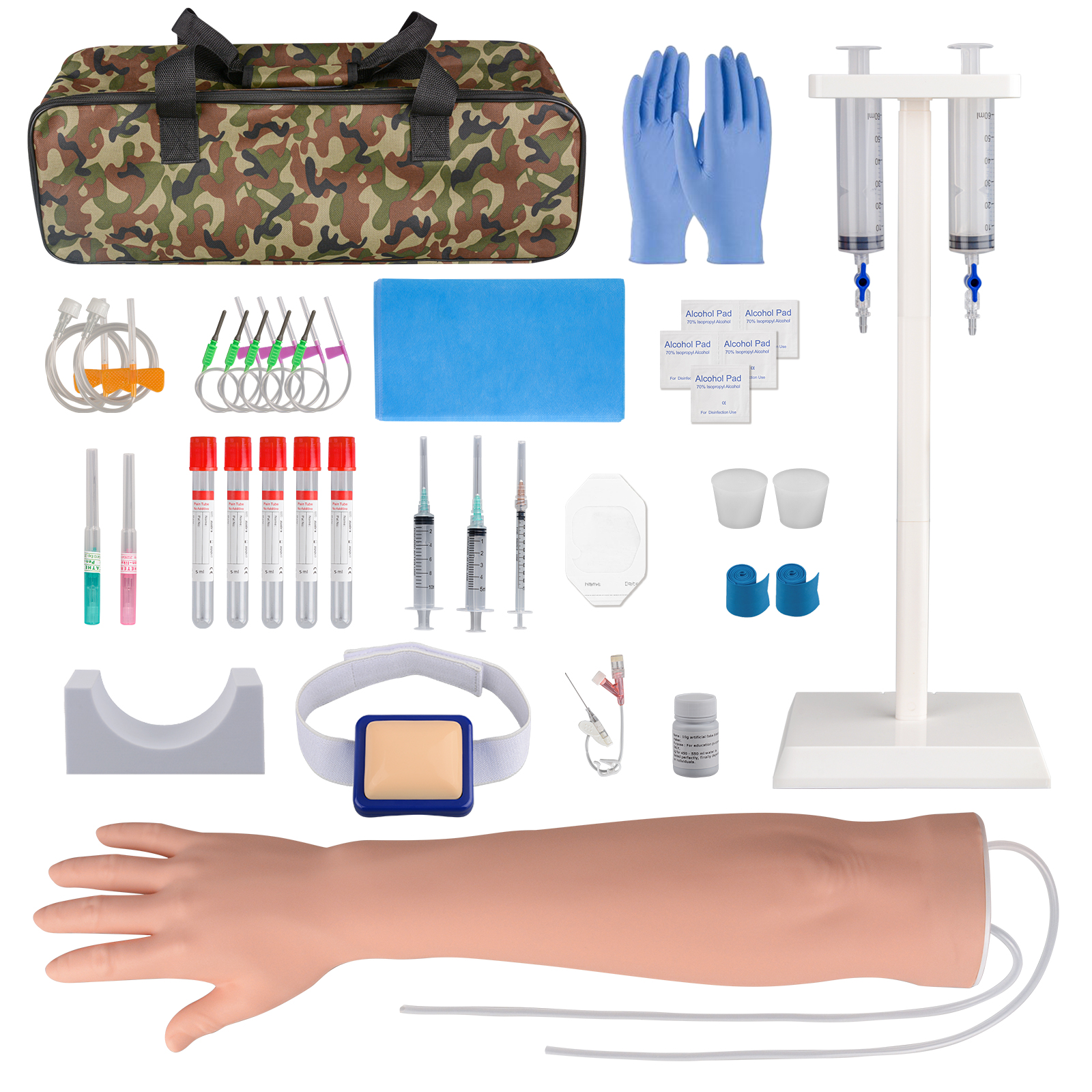
An implanted port sits completely beneath the skin, so how do healthcare professionals access it when it is needed? They use a special type of needle called a Huber needle. Unlike a regular needle, a Huber needle is designed specifically to enter the septum of an implanted port without unnecessarily damaging it.
In this article, we'll focus on the needle used to access it—what a Huber needle is, what makes it different from a regular needle, and how the needle works with the port beneath the skin.
What Is a Huber Needle?
.png?w=1672&h=941)
A Huber needle is a needle designed for accessing an implanted port. You may also hear it called a non-coring needle, a name that comes from the special design of its tip.
To understand “non-coring,” imagine pushing a standard hollow needle through a soft material. The needle can potentially cut out a tiny piece of that material as it passes through. This is known as coring. A Huber needle has a specially shaped tip designed to reduce this cutting effect when it passes through the port's septum.
Why does this matter? The septum is the part of the implanted port that is accessed with the needle, and it is designed to reseal after the needle is removed. Since a port may be accessed many times during its use, a needle made specifically for this surface helps preserve the septum over time.
Huber Needle vs. Regular Needle: What's the Difference?
A Huber needle can look similar to other medical needles, especially if you are seeing one for the first time. The main difference is not simply how it looks, but how the needle tip is designed and what the needle is intended to access.
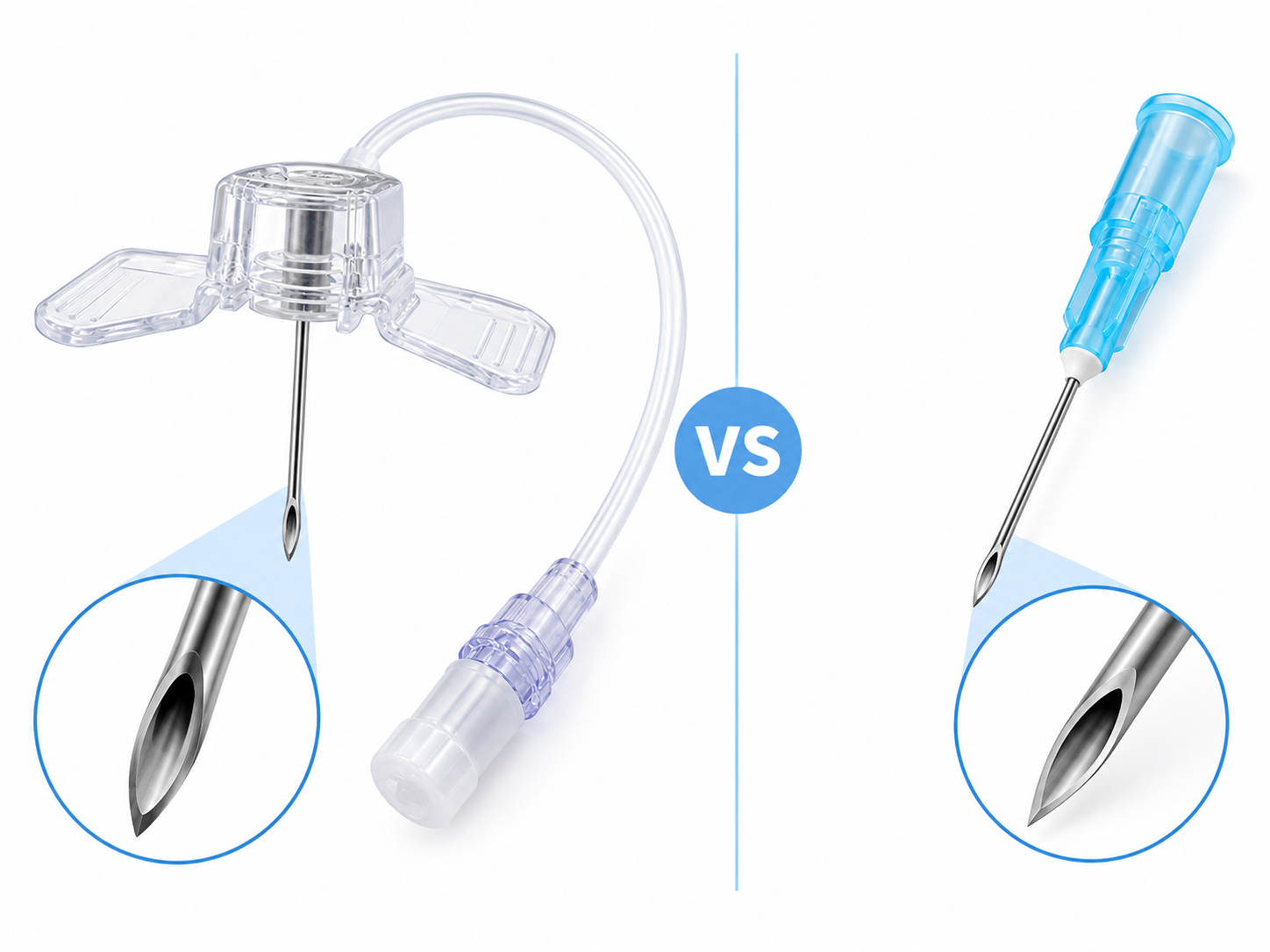
| Huber Needle | Regular Needle | |
| Needle Tip | Non-coring design | Conventional needle tip |
| Designed for Port Access | Yes | No |
| Main Purpose | Accessing implanted ports | General injections and other needle procedures |
| Port Septum | Designed to pass through the septum with less coring | Not specifically designed for port septums |
A regular needle is useful for many common medical procedures, but an implanted port has different requirements. Because the needle must pass through a self-sealing septum, a Huber needle is used for this specific purpose.
How Does a Huber Needle Access an Implanted Port?
It becomes much easier to understand a Huber needle once you see where it goes. The basic pathway looks like this:
Skin → Huber Needle → Septum → Port Reservoir → Catheter → Vein
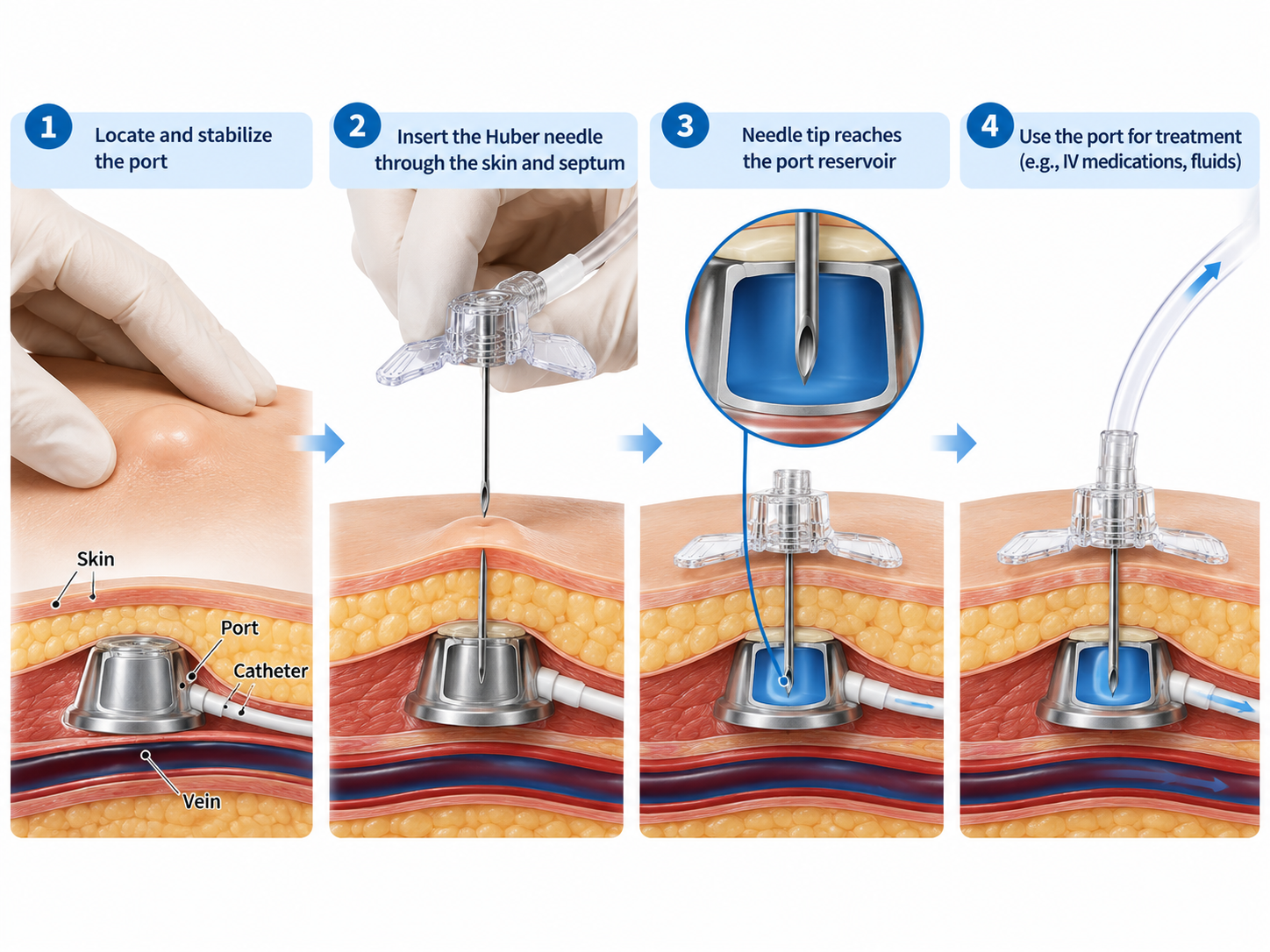
The implanted port itself remains under the skin. When the port needs to be accessed, the Huber needle passes through the skin and then through the septum on top of the port. The tip of the needle enters the reservoir inside the port.
The reservoir is already connected to a catheter that leads into the venous system. This means the Huber needle itself does not travel through the catheter or all the way into the vein. Its job is to provide access to the implanted port; the port and catheter provide the rest of the pathway.
Once the port has been appropriately accessed, it can be used as part of the patient's venous access for prescribed therapy. Depending on the clinical situation, implanted ports may be used for treatments such as medications, chemotherapy, IV fluids, or other therapies requiring venous access.
This is only a simple explanation of how the Huber needle and implanted port work together. Actual port access is a clinical procedure that requires appropriate training and must follow relevant healthcare protocols.
Why Do Nursing Students Practice Port Access?
Understanding the diagram is one thing; becoming familiar with the physical process is another. For nursing students and other healthcare learners, port access involves learning how the implanted device feels beneath the skin and how its different parts relate to needle placement.
During training, learners may practice locating the port beneath the simulated skin, identifying the position of the septum, stabilizing the port, handling a Huber needle, and understanding where the needle should enter the model. Repeating these steps can make the relationship between the needle and the implanted port much easier to understand than diagrams alone.
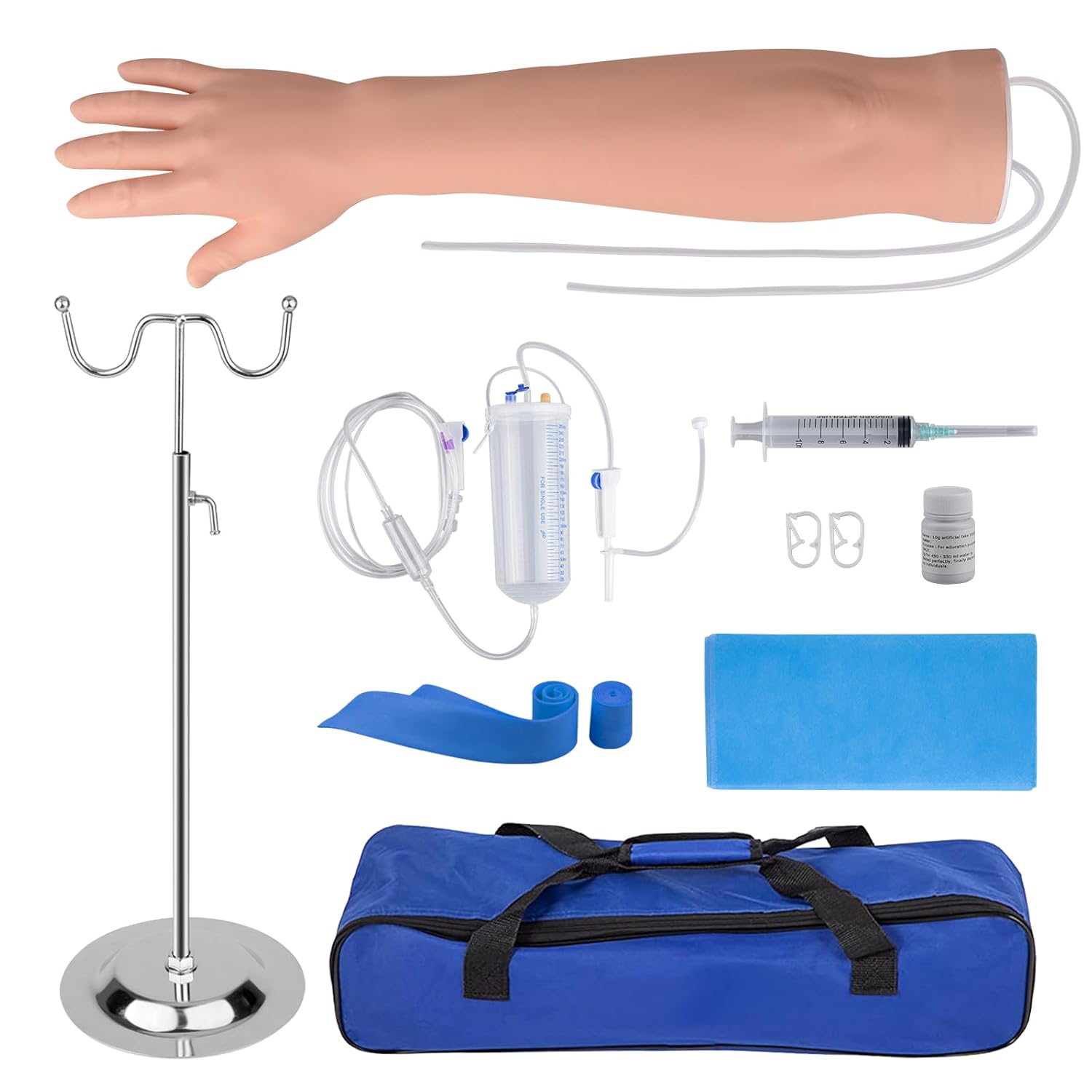
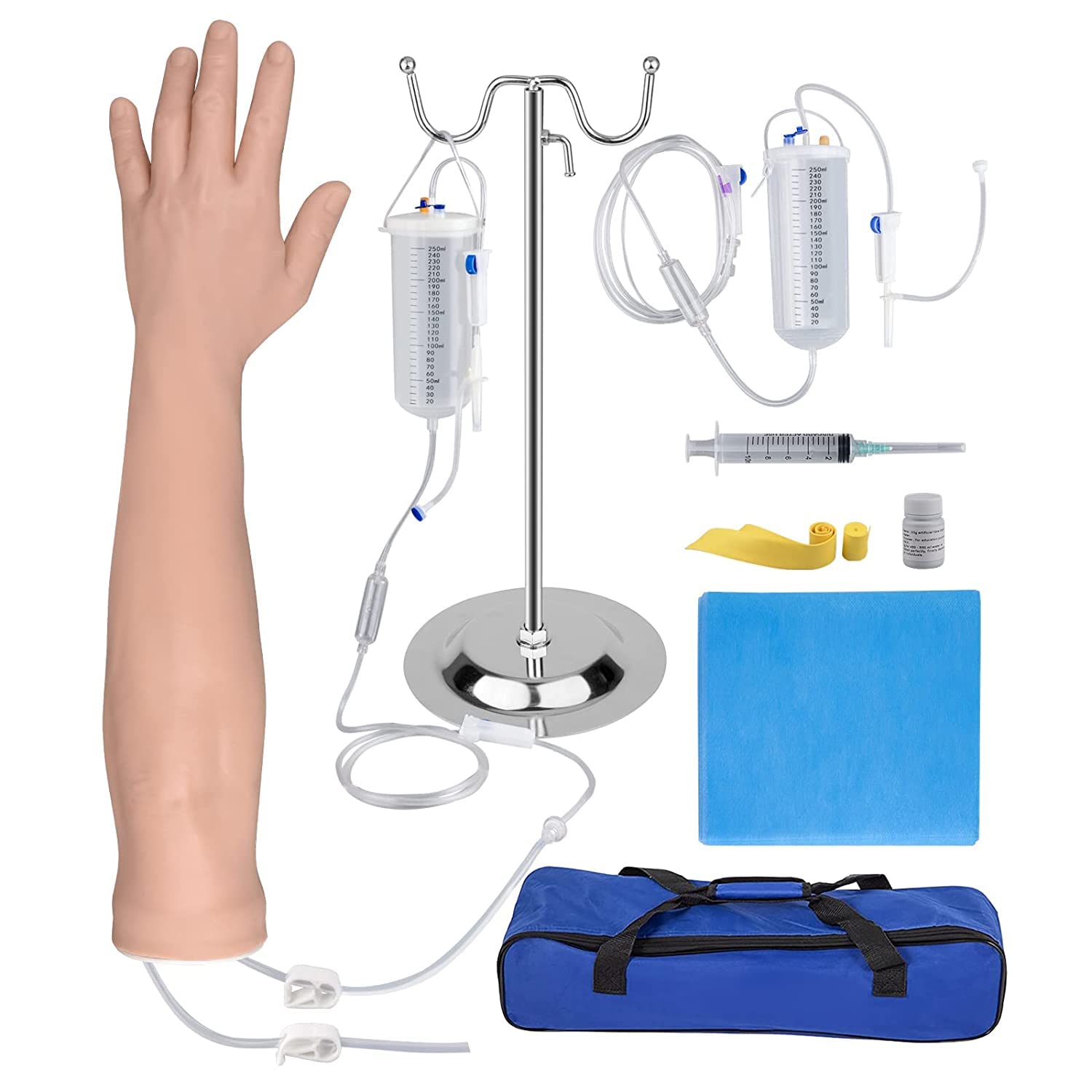
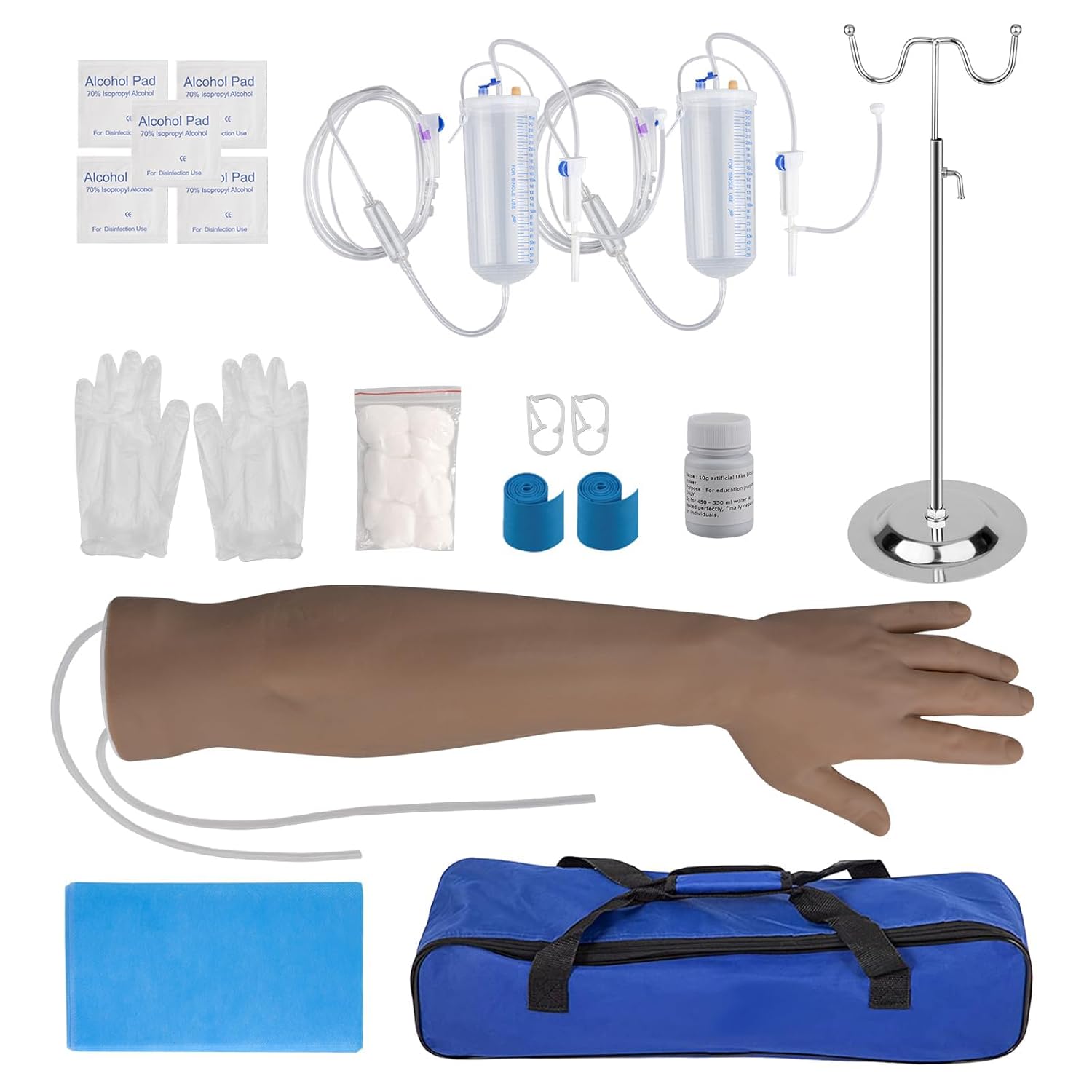
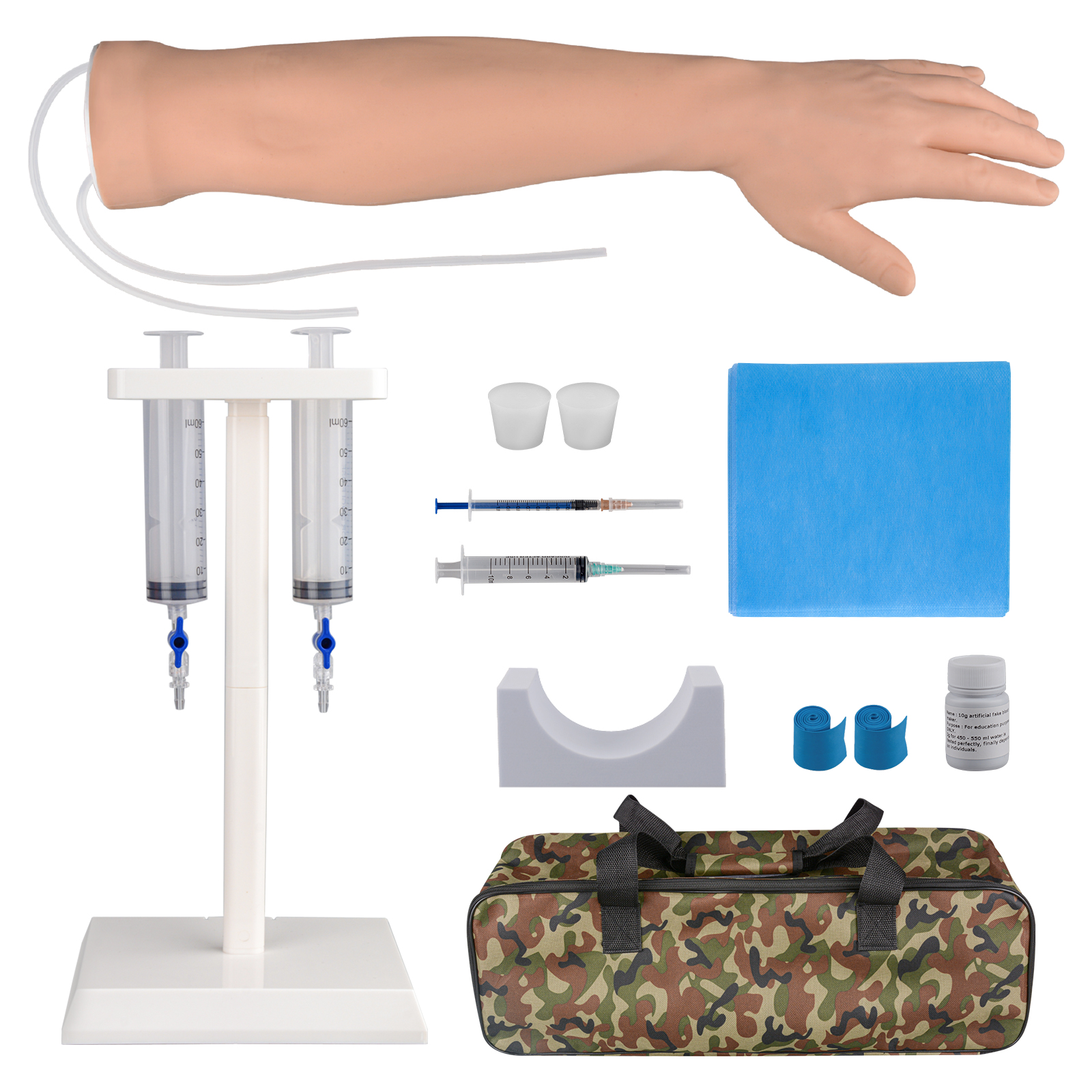
A Implanted Venous Port Access Trainer gives learners a way to see and practice these concepts in a controlled training environment. It can also help instructors demonstrate the port access process in the classroom before students encounter the procedure in a clinical setting.
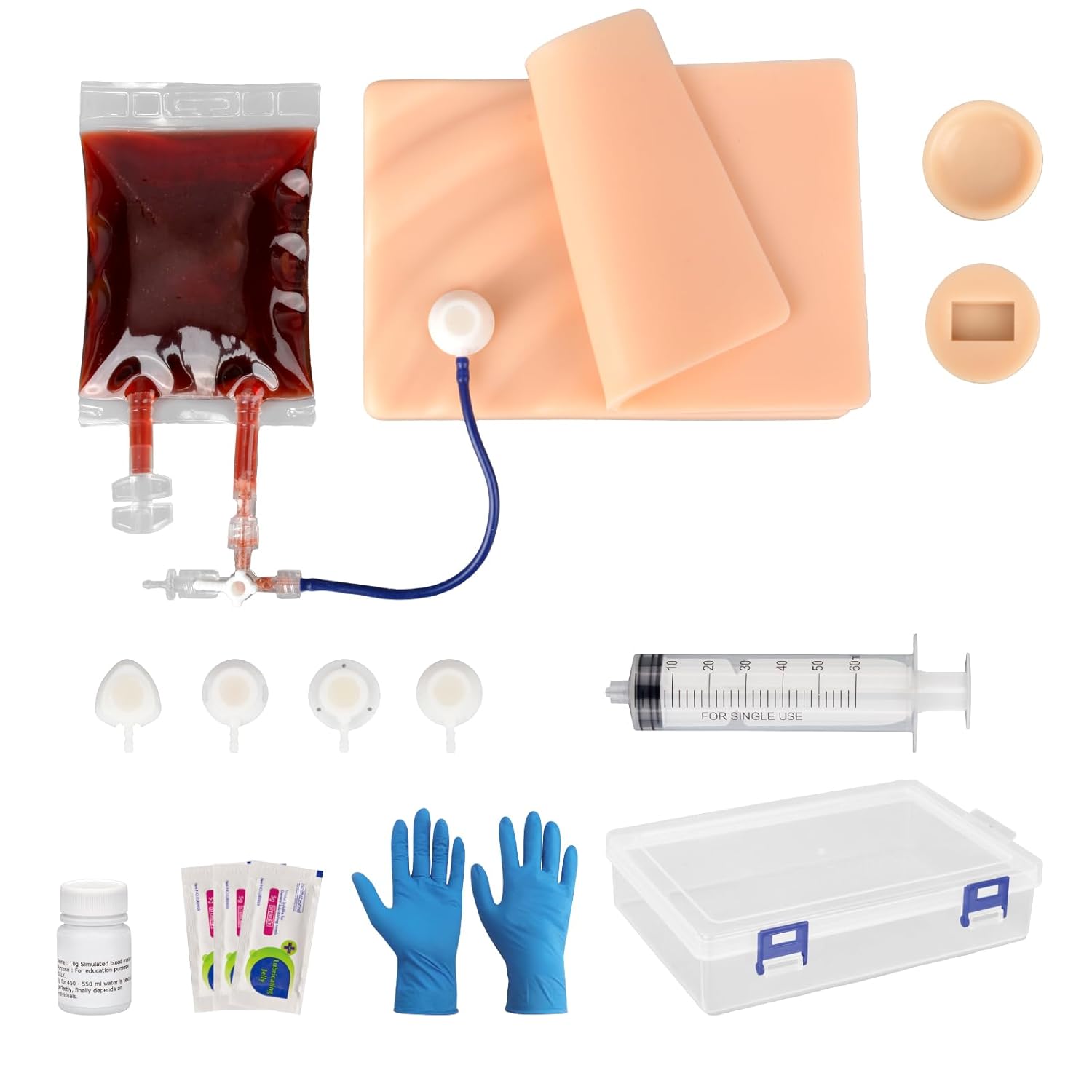
For learners who are new to implanted ports, this hands-on experience can help connect three things that may otherwise feel separate: what the port looks like, where the Huber needle goes, and how the two work together during access.
Final Thoughts
A Huber needle may be a small part of the port access system, but its purpose is straightforward. It is a specialized non-coring needle designed to enter the septum of an implanted port, allowing the port to be accessed while helping protect the septum from unnecessary damage.
For nursing students and healthcare learners, understanding the Huber needle also makes the implanted port itself easier to understand. Once you can picture where the needle enters, where the reservoir sits, and how the catheter connects the port to the venous system, the whole idea of port access becomes much less abstract.