La ponction artérielle est plus qu'un simple prélèvement sanguin : c'est une procédure clinique spécialisée utilisée pour évaluer l'oxygénation, la fonction respiratoire et l'équilibre acido-basique dans le corps. Mais pourquoi les cliniciens choisissent-ils une artère plutôt qu'une veine, et quand la ponction artérielle est-elle réellement nécessaire ? Dans ce guide, nous explorerons ce qu'est la ponction artérielle, quand elle est réalisée, les sites de ponction les plus courants, les risques et erreurs potentiels, ainsi que des conseils pratiques de formation pour aider à renforcer la confiance et la compréhension de cette compétence essentielle.
Qu'est-ce que la ponction artérielle ?
La ponction artérielle fait référence à une procédure clinique dans laquelle une aiguille est insérée dans une artère pour obtenir un échantillon de sang artériel à des fins de tests diagnostiques. Contrairement à la collecte sanguine veineuse de routine, la ponction artérielle collecte du sang riche en oxygène directement à partir du système artériel, permettant aux professionnels de santé d'évaluer plus précisément l'état respiratoire et métabolique d'un patient.
La raison la plus courante pour effectuer une ponction artérielle est l'analyse des gaz du sang artériel (ABG). Ce test fournit des informations précieuses sur l'efficacité avec laquelle les poumons délivrent de l'oxygène dans le sang et éliminent le dioxyde de carbone, tout en aidant également à évaluer le pH sanguin et l'équilibre acido-basique global.
Comparé aux échantillons de sang veineux, le sang artériel fournit des informations plus précises sur l'oxygénation, l'efficacité de la ventilation et la fonction respiratoire. Pour cette raison, la ponction artérielle est souvent utilisée lorsque les cliniciens ont besoin d'une compréhension plus claire de l'état d'un patient au-delà de ce que les tests sanguins de routine peuvent fournir.
La ponction artérielle est couramment réalisée dans des situations telles que l'évaluation des patients ayant des difficultés respiratoires, l'évaluation d'une insuffisance respiratoire suspectée, le suivi de l'efficacité de l'oxygénothérapie, le soutien à la gestion des ventilateurs et le suivi des patients gravement malades dans des environnements d'urgence et de soins intensifs.
Sites de ponction artérielle courants
Plusieurs emplacements artériels peuvent être sélectionnés en fonction de l'état du patient et de l'accessibilité.
Artère radiale (la plus courante)
Située au poignet, l'artère radiale est souvent préférée car elle est relativement superficielle et plus facile d'accès.
Artère brachiale
Située près du coude et peut être sélectionnée lorsque l'accès radial n'est pas disponible.
Artère fémorale
Située dans la région de l'aine et généralement réservée aux situations cliniques d'urgence ou spéciales.
Chaque site présente différentes considérations concernant l'accessibilité, le confort du patient et les exigences de formation.
Risques et erreurs courants dans la ponction artérielle
Étant donné que les artères fonctionnent sous une pression plus élevée, la ponction artérielle présente des défis différents par rapport à la collecte veineuse.
Les risques courants incluent :
- Saignement
- Formation d'hématome
- Spasme vasculaire
- Inconfort du patient
- Échec de la collecte d'échantillons
- Risque d'infection
Les erreurs courantes des débutants incluent :
- Sélection d'un site de ponction inapproprié
- Angle d'aiguille incorrect
- Stabilisation insuffisante
- Probing excessif
- Pression post-procédure inadéquate
Reconnaître ces problèmes tôt peut améliorer à la fois la sécurité et le succès de la procédure.
Conseils de formation pour apprendre la ponction artérielle
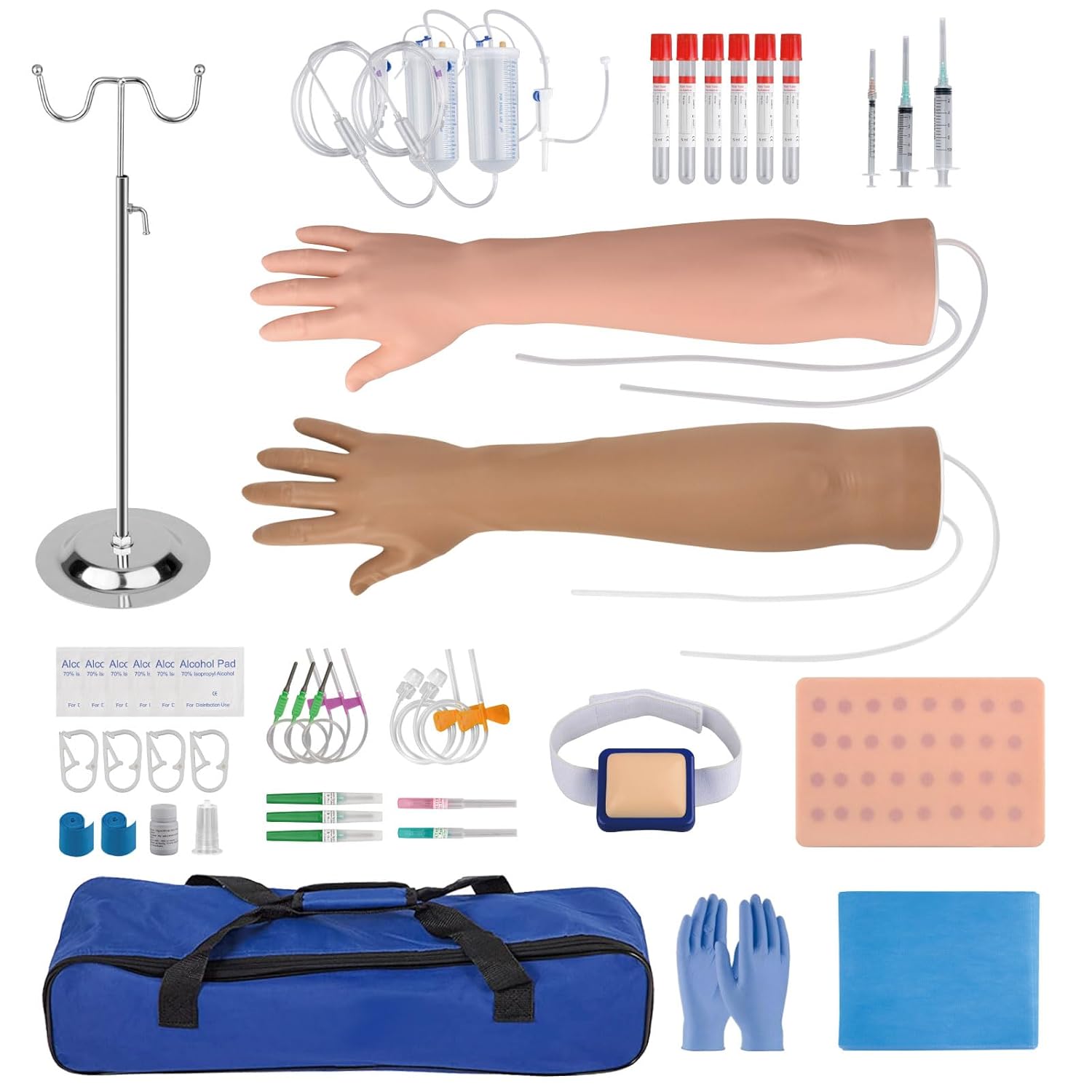
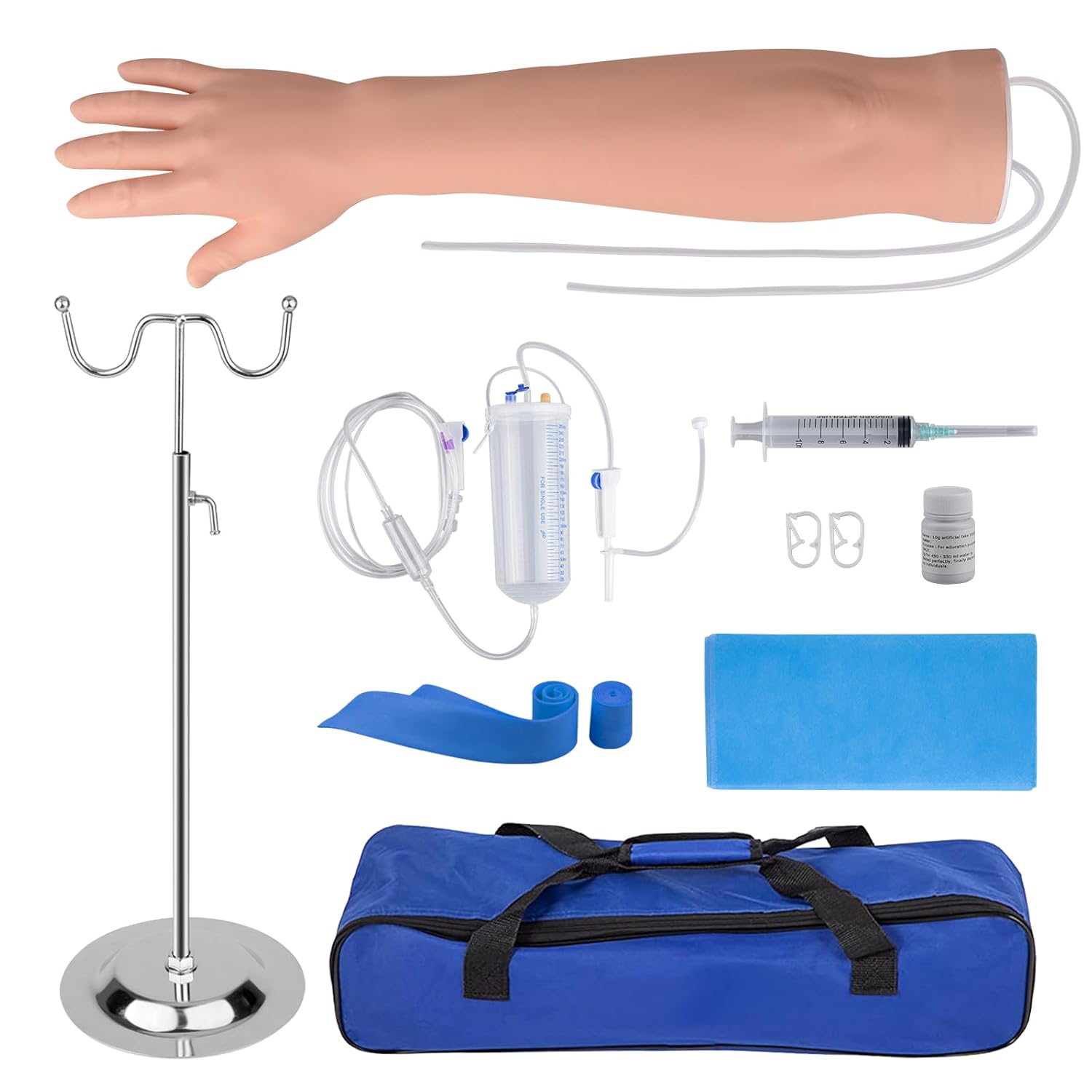
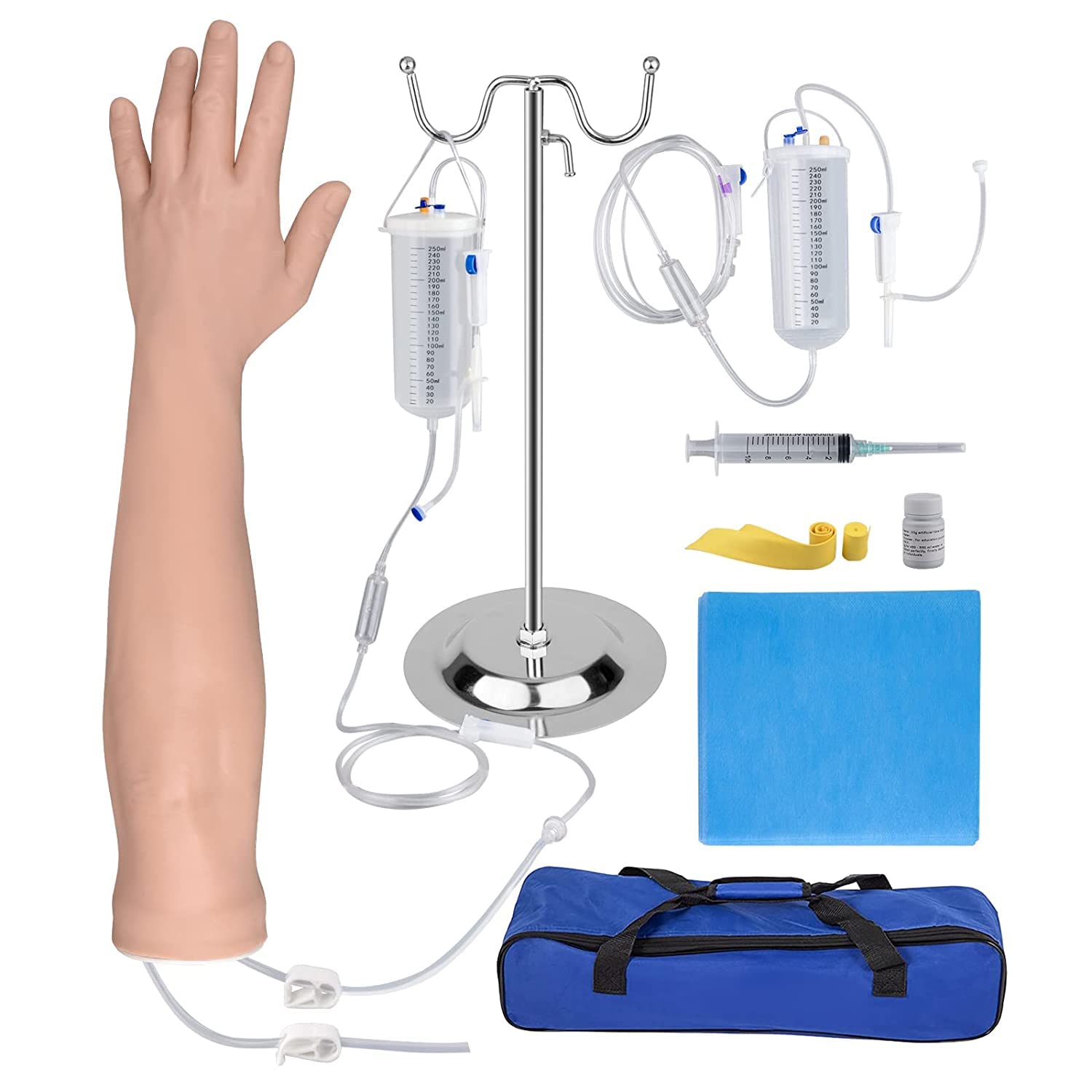
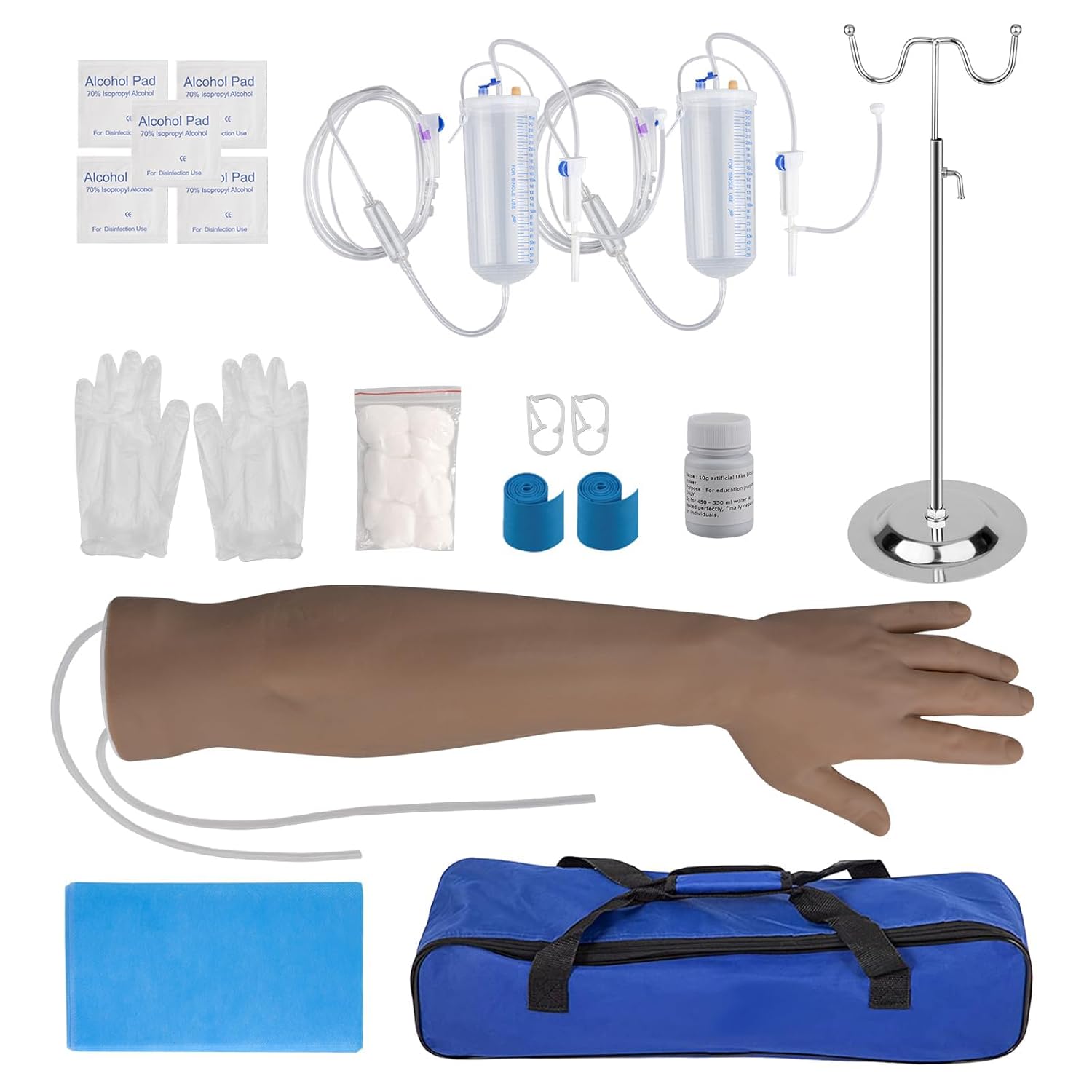
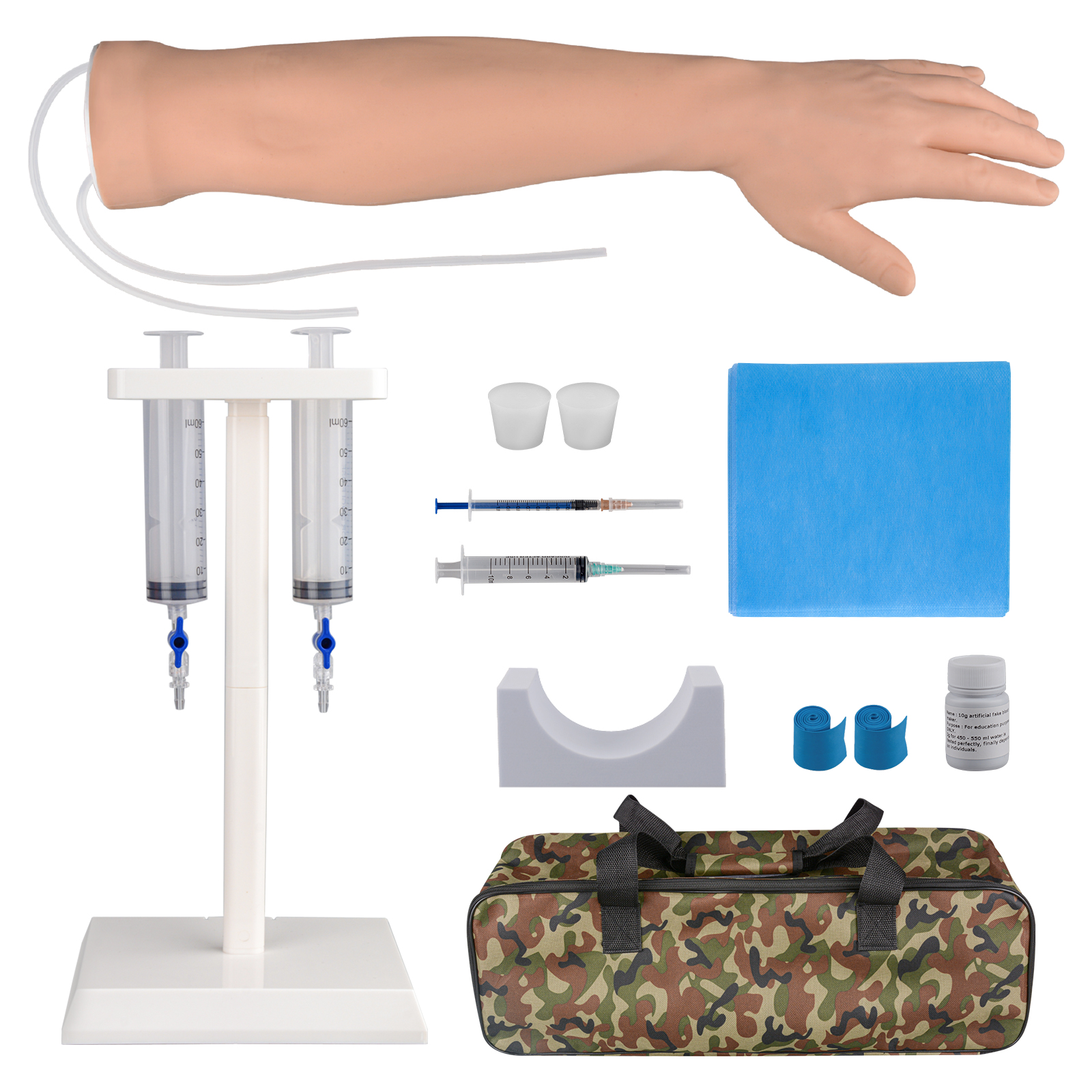
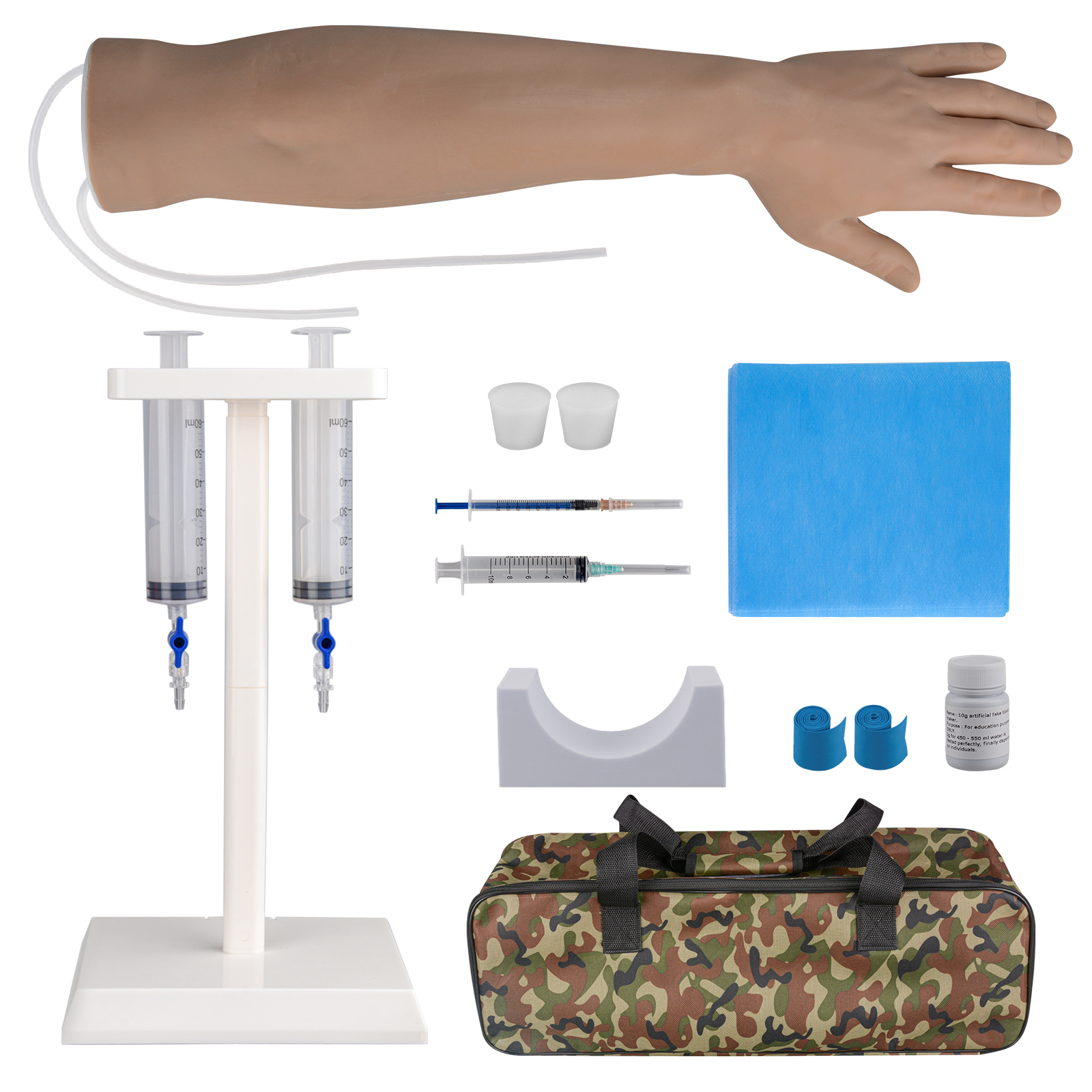
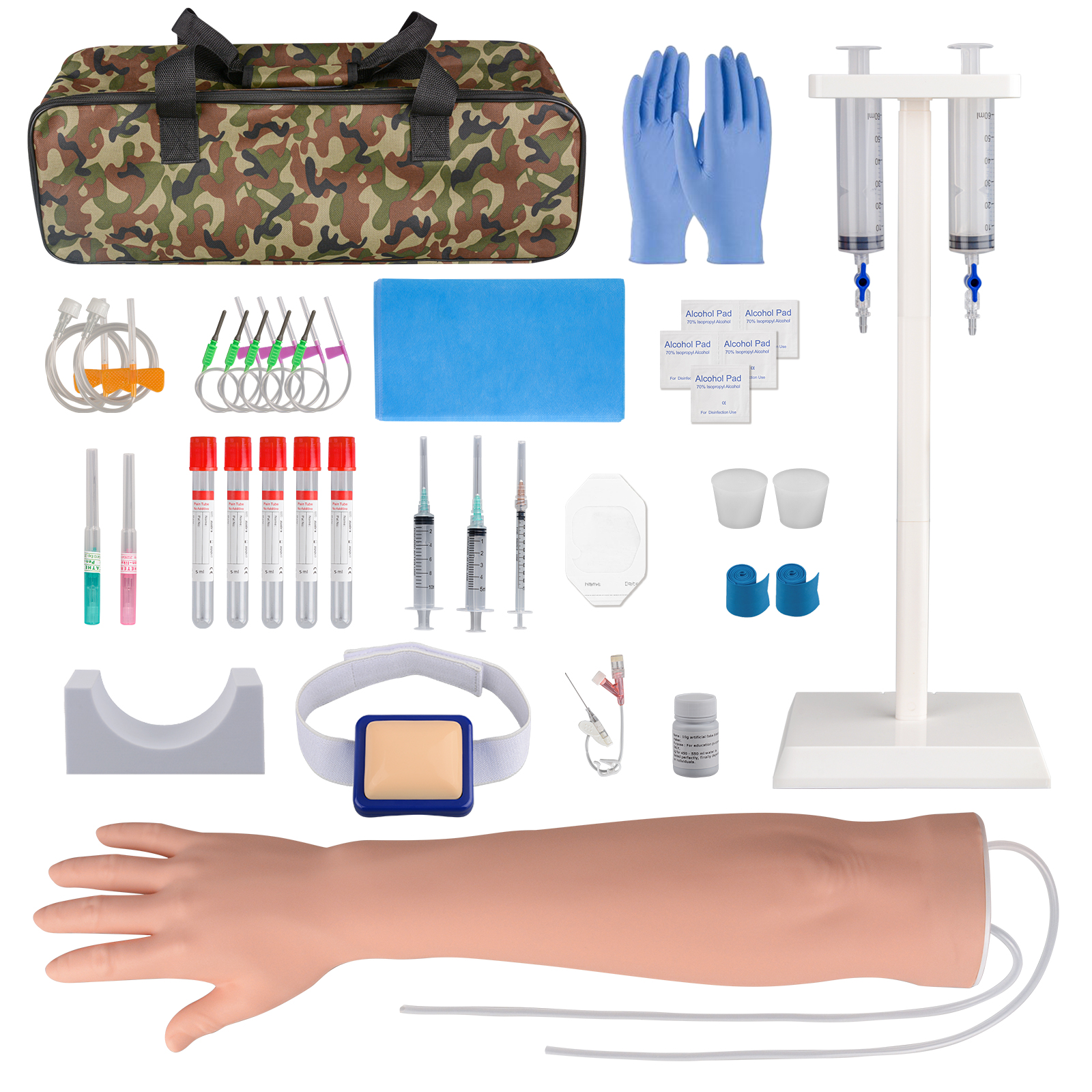
Comme la plupart des compétences d'accès vasculaire, la ponction artérielle s'améliore grâce à une formation structurée et à une pratique répétée plutôt qu'à la théorie seule. Les apprenants doivent d'abord développer une compréhension solide de l'anatomie artérielle et des repères de ponction courants avant de se concentrer sur le contrôle de l'aiguille et le positionnement des mains. La pratique répétée en simulation peut aider à améliorer la cohérence de la procédure, à développer la mémoire musculaire et à augmenter la confiance avant d'entrer dans des environnements cliniques. Il est également utile de revoir les tentatives infructueuses et d'identifier les domaines à améliorer après chaque session de pratique. Pour les apprenants qui souhaitent une expérience pratique supplémentaire, notre kit de formation à la ponction artérielle radiale et ulnaire fournit un environnement de formation réaliste pour soutenir la pratique répétée et aider à développer la familiarité avec les techniques d'accès artériel.
Pratique avec un formateur dédié à la ponction artérielle
Pour les apprenants qui souhaitent renforcer leur confiance avant l'application clinique, la simulation pratique peut aider à renforcer la compréhension anatomique et la cohérence de la procédure. Notre kit de formation à la ponction artérielle radiale et ulnaire est conçu pour soutenir la pratique répétée des techniques de ponction artérielle, aidant les étudiants et les éducateurs à créer une expérience de formation plus réaliste et structurée tout en améliorant la familiarité avec les flux de travail d'accès artériel.
-01.jpg?w=1500&h=1500)
Dernières réflexions
La ponction artérielle est une compétence clinique importante qui joue un rôle clé dans l'évaluation respiratoire et l'analyse du sang artériel. Bien qu'elle soit plus techniquement exigeante que la collecte sanguine veineuse de routine, comprendre l'objectif, les sites courants, les risques potentiels et les approches de formation peut aider les apprenants à renforcer leur confiance et à améliorer leur préparation à la procédure.
Avec une éducation structurée, une pratique cohérente et les bons outils de formation, la ponction artérielle peut devenir une compétence plus accessible et efficace à développer. Pour les apprenants et les éducateurs à la recherche d'une expérience pratique supplémentaire, notre kit de formation à la ponction artérielle radiale et ulnaire offre un moyen pratique de renforcer la compréhension anatomique, d'améliorer la confiance procédurale et de soutenir la pratique répétée dans un environnement de formation contrôlé.
🔍 Explorez tous les kits de pratique d'injection et modèles de formation →
.png?w=1672&h=941)