In our previous article, we discussed the role of ultrasound in vascular access. This article will further introduce the common types of ultrasound-guided vascular access and how each type is applied in clinical practice.
Common Types of Ultrasound-Guided Vascular Access
In clinical practice, vascular access can be classified into different types based on the puncture site and purpose. Here, we focus on peripheral venous access, arterial access, and central venous catheterization, the three most common types of ultrasound-guided vascular access.
Peripheral Venous Access
- Indications:
Infusions, blood sampling, and short-term medication administration.
- Puncture sites (mainly in the upper limbs):
- Dorsal hand veins: Commonly used for short-term infusion or blood sampling; veins are superficial and easy to palpate.
- Forearm veins: Includes the cephalic, basilic, and median cubital veins; vessels are relatively large, suitable for puncture and catheter placement.
- Median cubital vein (elbow): Often used for blood sampling or short-term infusion; vessels are prominent and easy to access.
Arterial Access
- Indications:
Blood gas analysis, continuous blood pressure monitoring, or arterial medication administration.
- Puncture sites:
- Radial artery: Located on the thumb side of the wrist; superficial and easy to compress, most commonly used for blood gas sampling.
- Brachial artery: Located in the inner elbow; larger vessel suitable when radial artery access is difficult, but compression for hemostasis is less convenient.
- Femoral artery: Located in the groin; large vessel suitable for emergency or high-flow situations, but higher risk of complications.
- Other sites (less commonly used): Such as posterior tibial or dorsalis pedis arteries, mainly for special clinical needs.
Central Venous Catheterization (CVC)
- Indications:
Large-volume infusion, critical care medication, long-term hemodialysis, etc.
- Puncture sites:
- Internal jugular vein (IJV): Located alongside the carotid artery in the neck; large, stable blood flow, and hemostasis is relatively easy.
- Subclavian vein (SCV): Located under the clavicle, leading to the superior vena cava; puncture is comfortable, and catheter fixation is convenient, but blind puncture carries higher risks.
- Femoral vein (FV): Located in the groin; puncture is straightforward and suitable for emergencies, but higher infection risk makes it unsuitable for long-term use.
Other Types of Ultrasound-Guided Vascular Access
1. AV Fistula Access:
Mainly for dialysis patients; ultrasound helps locate the fistula accurately, improving success and reducing vessel injury.
2. Peripheral IV Catheterization for Difficult Access:
For patients with poor vein conditions, children, elderly, or obese patients; ultrasound increases success rates and reduces repeated attempts.
3. Peripheral or Semi-Central Catheter Placement:
For short-term large-volume infusion or IV therapy without full central venous catheterization.
4. Deep Vein Access:
Such as deep femoral vein puncture when superficial veins are inaccessible.
5. PICC (Peripherally Inserted Central Catheter):
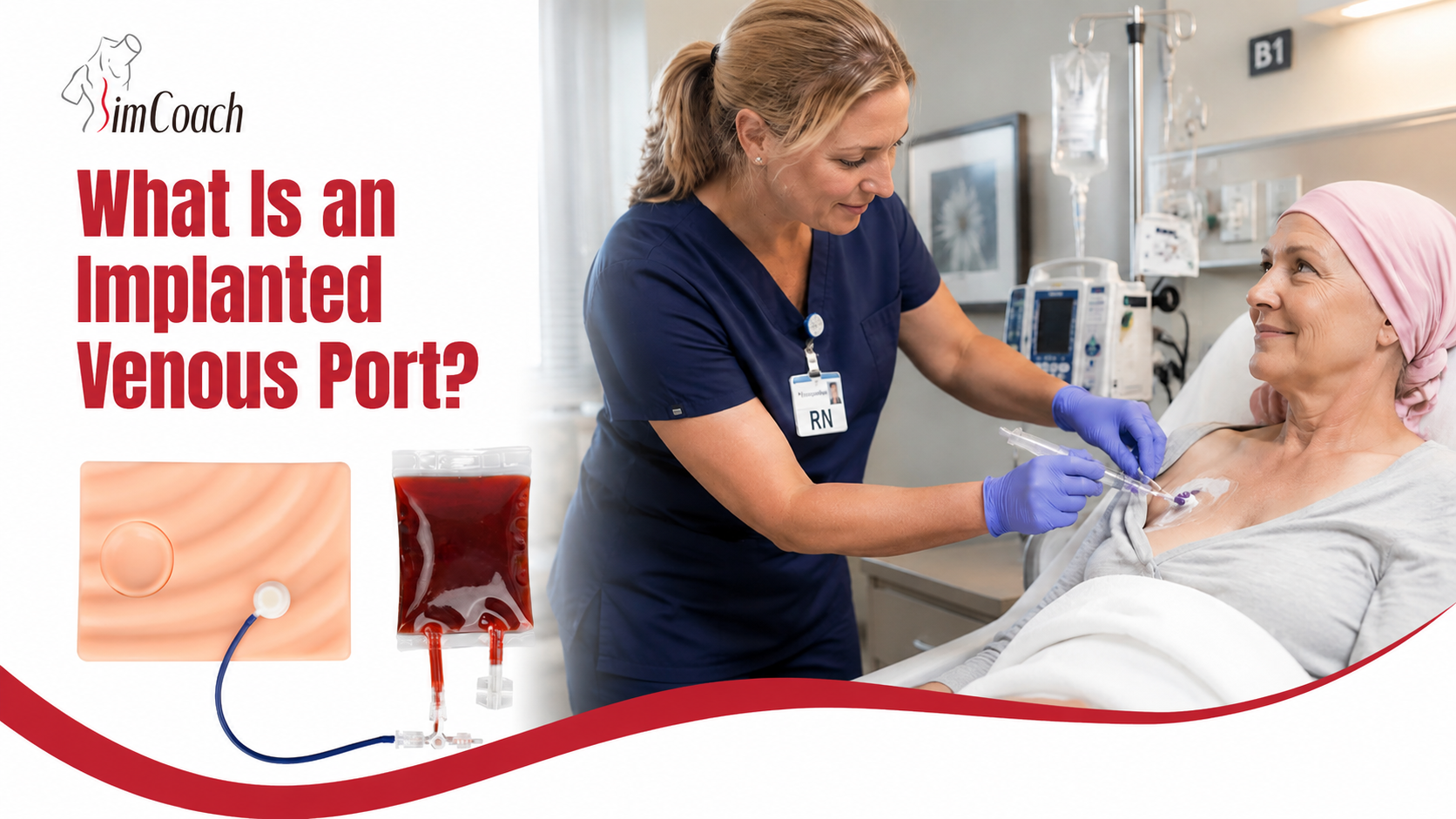
Inserted via peripheral veins in the upper limb under ultrasound guidance; catheter tip reaches the central vein, commonly used for long-term infusion, chemotherapy, or nutritional support.
Conclusion
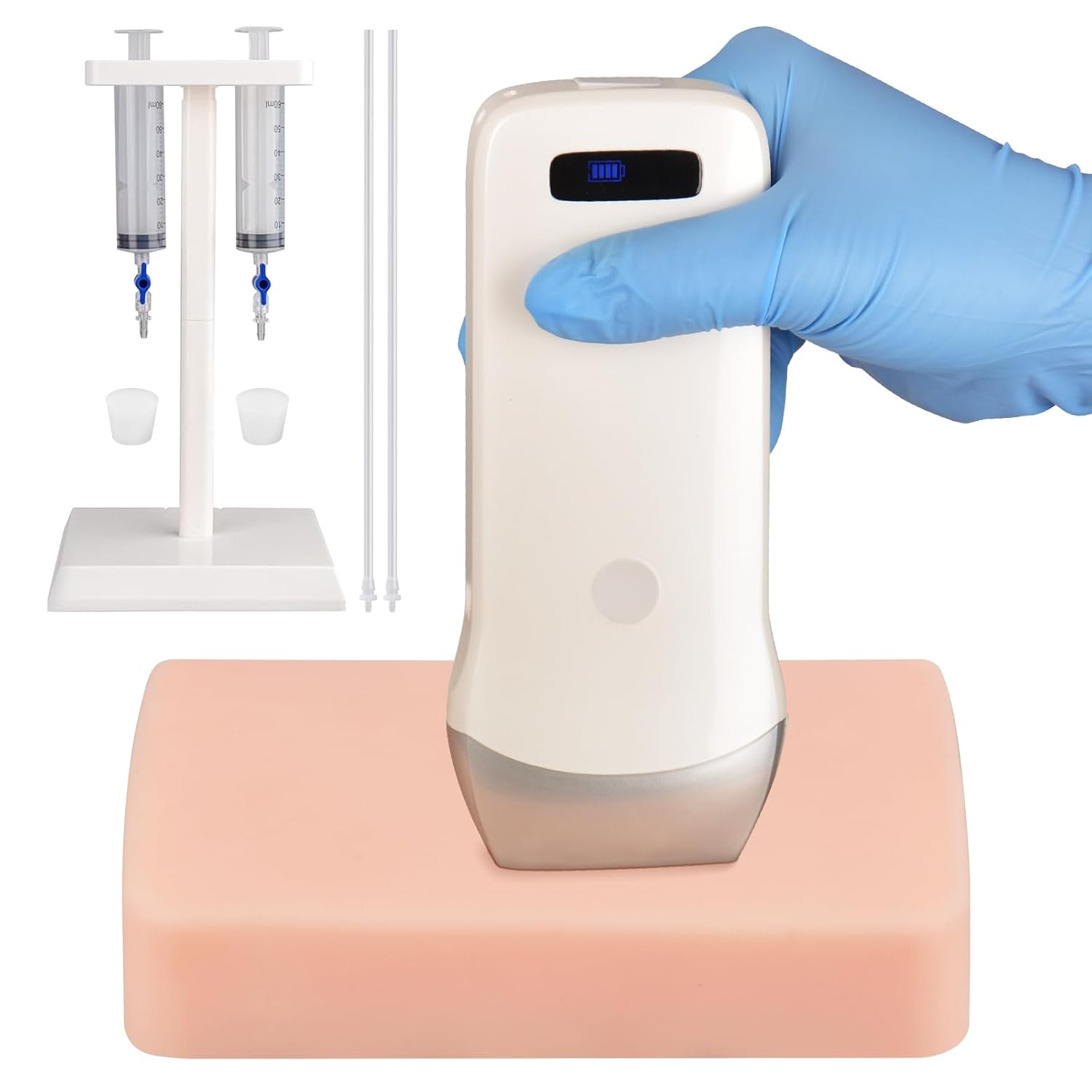
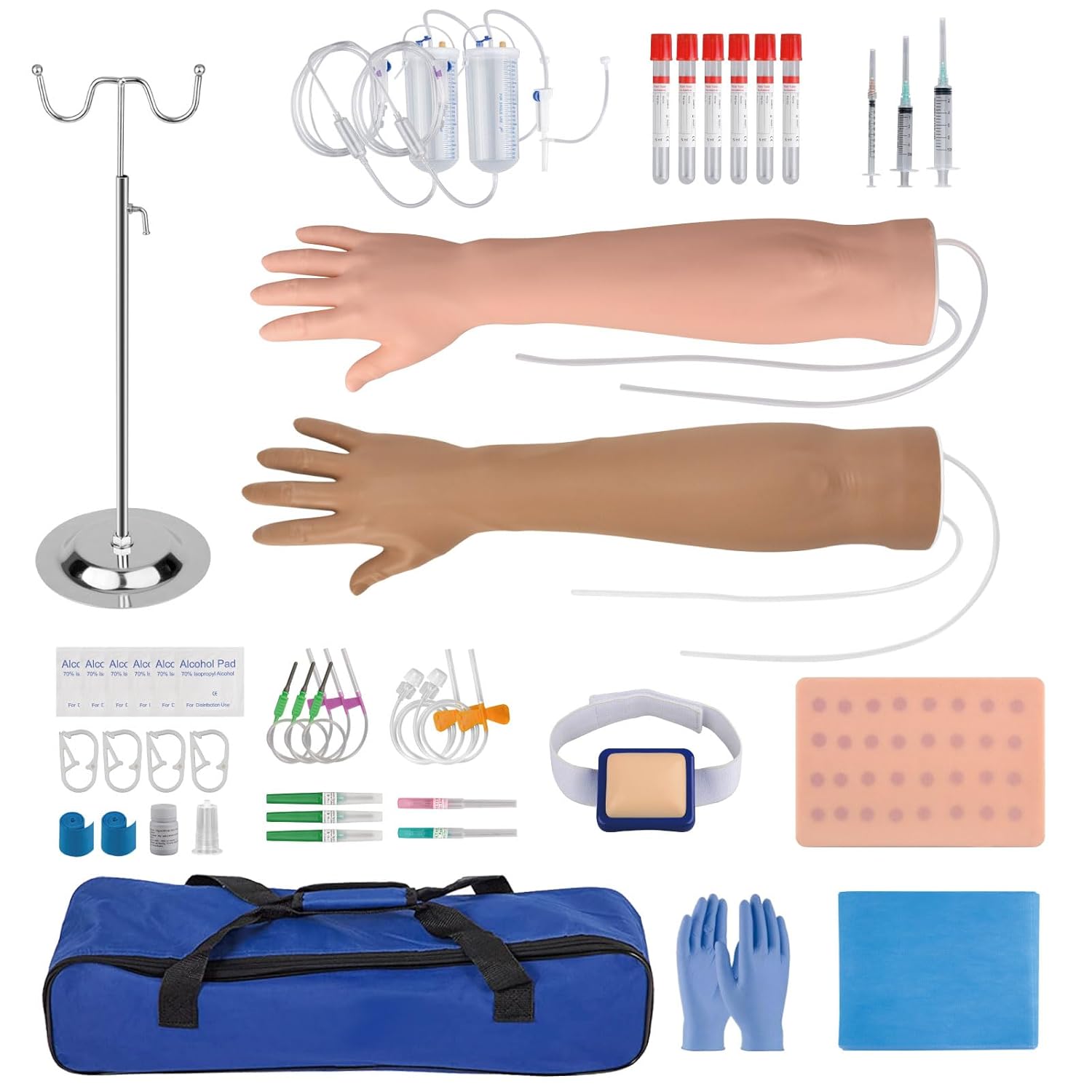
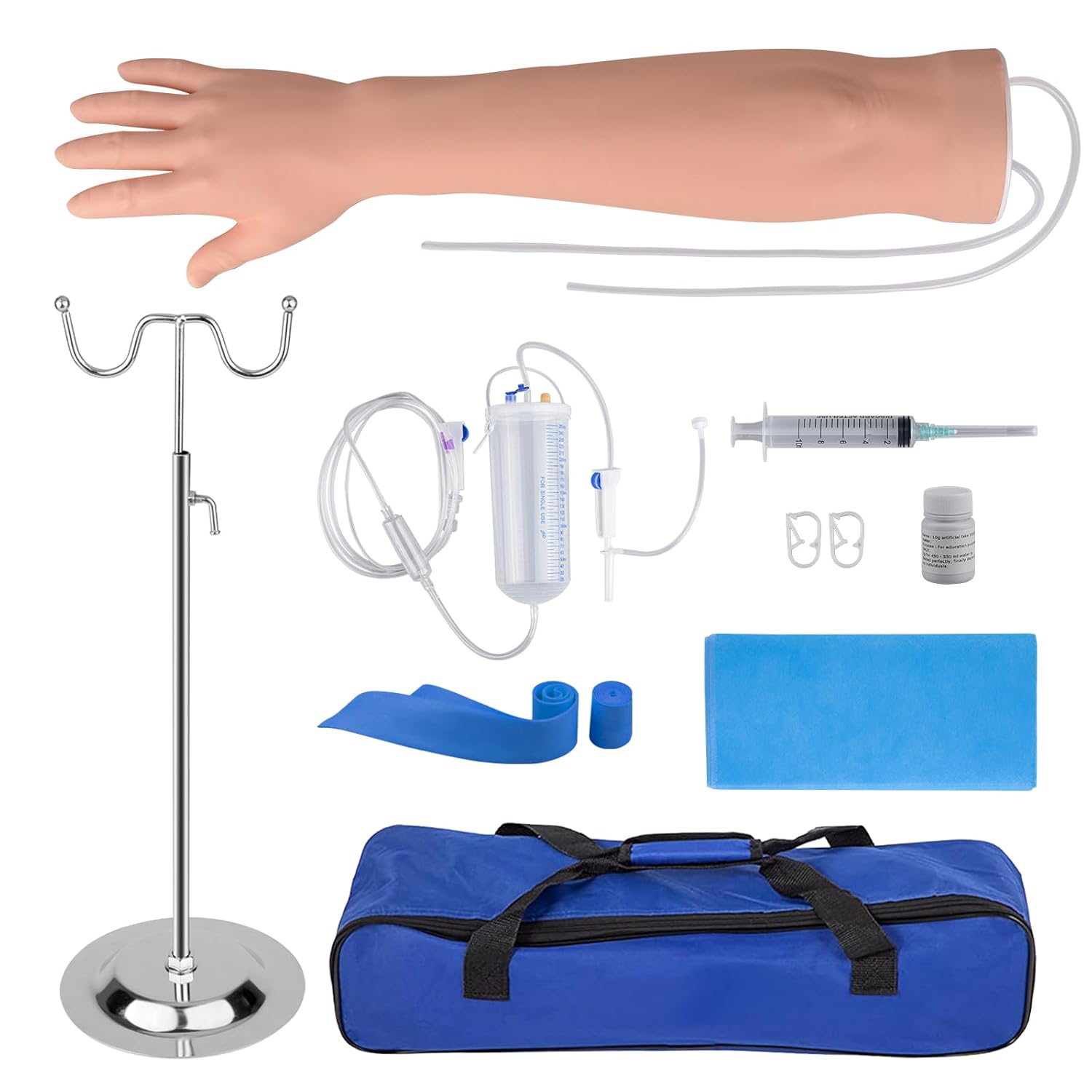
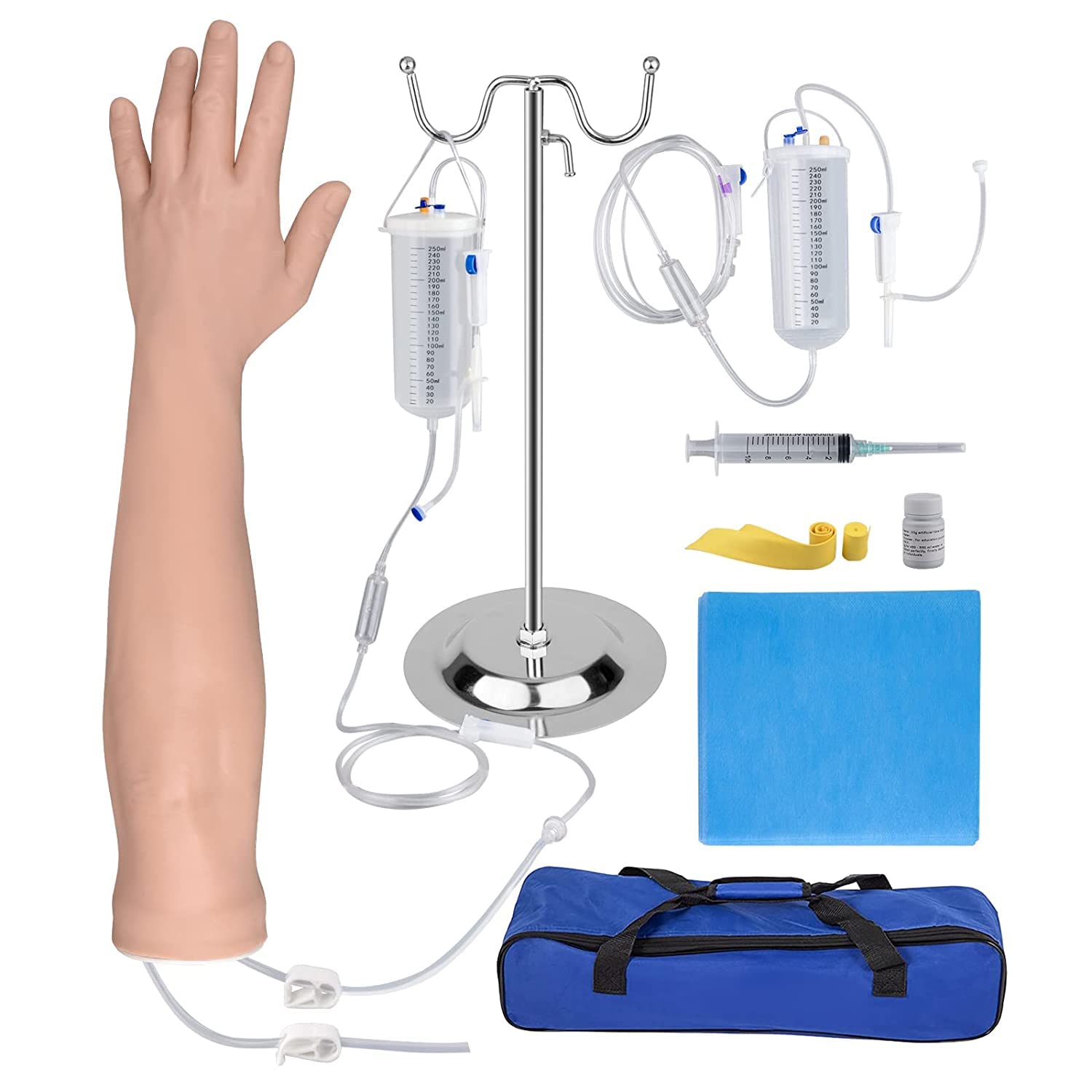
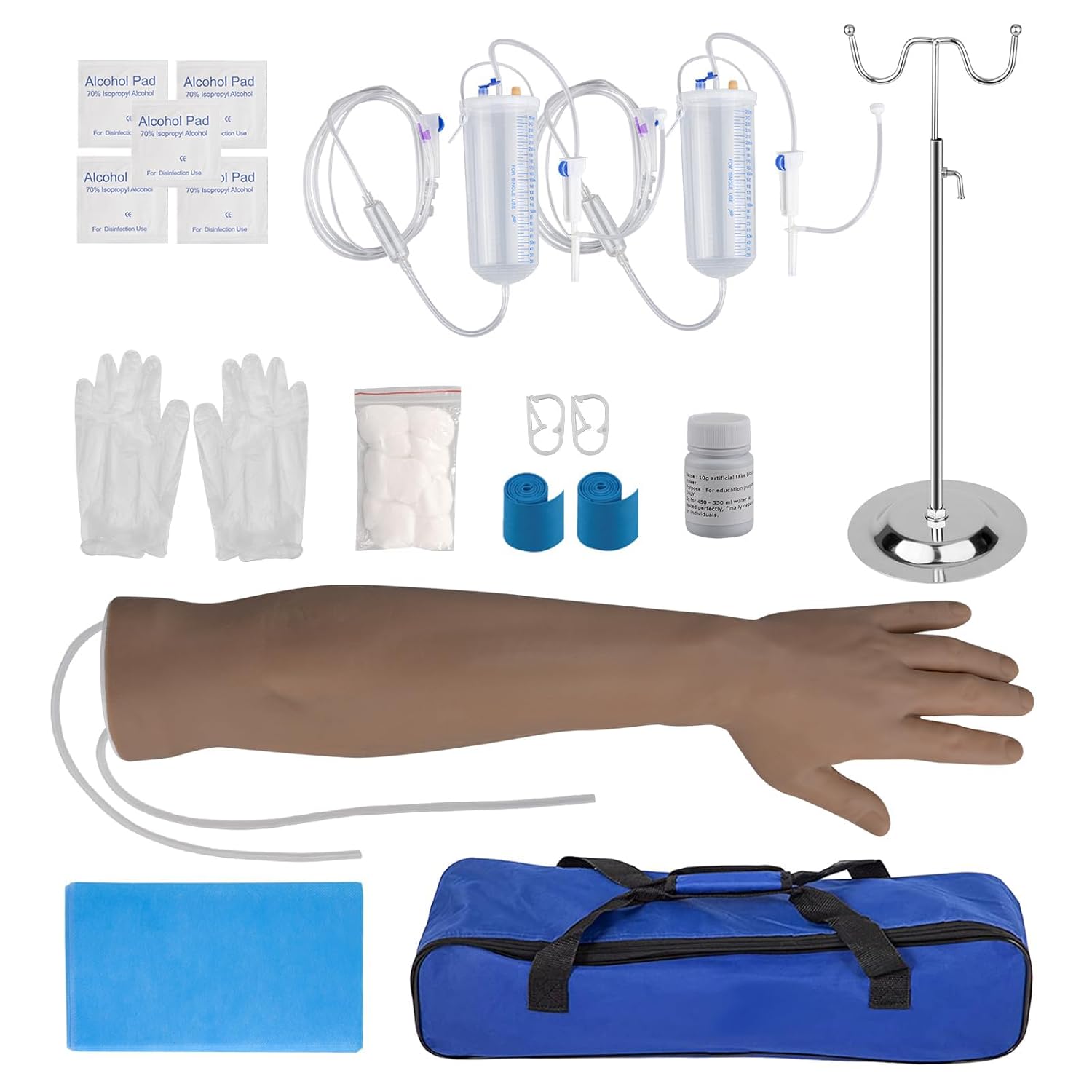
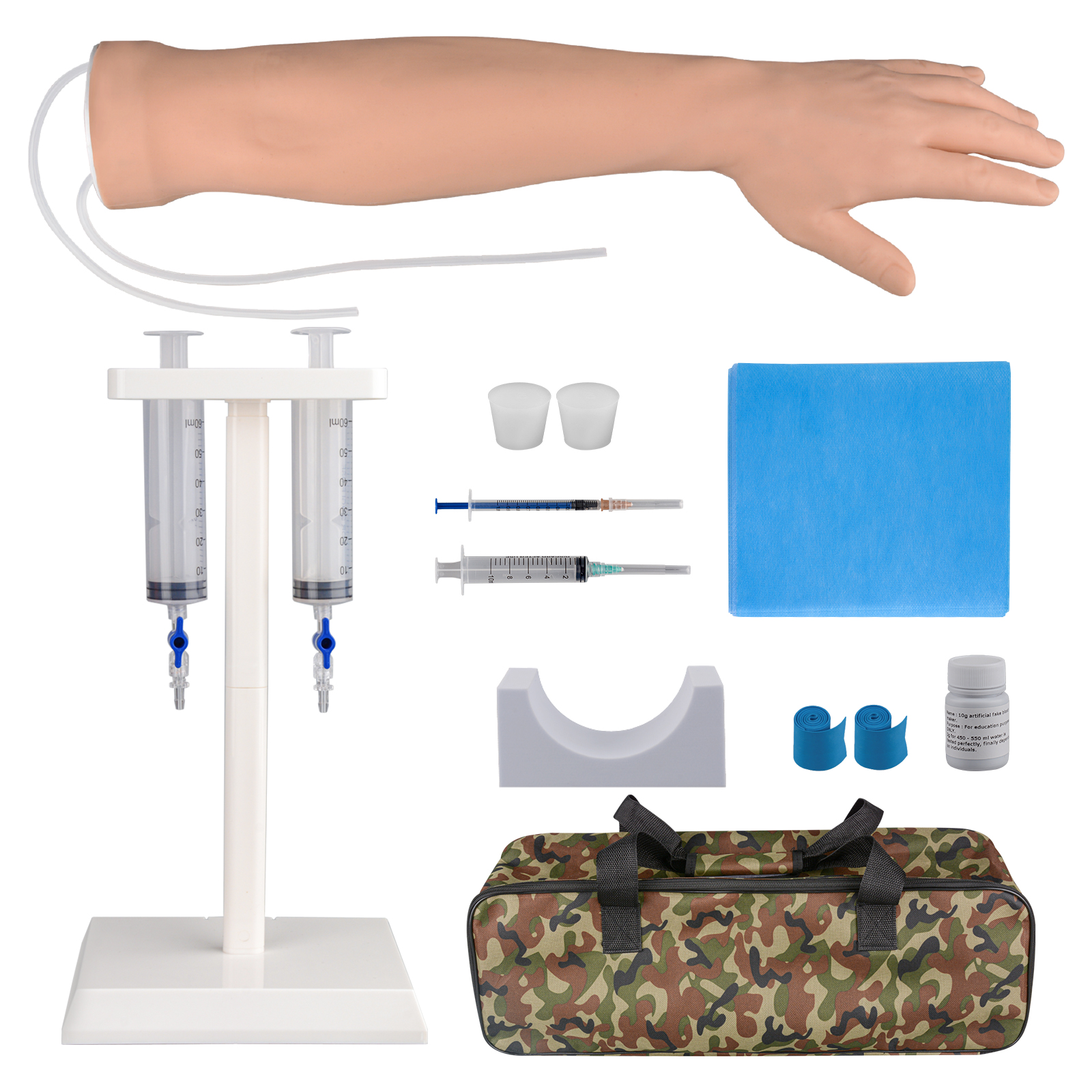
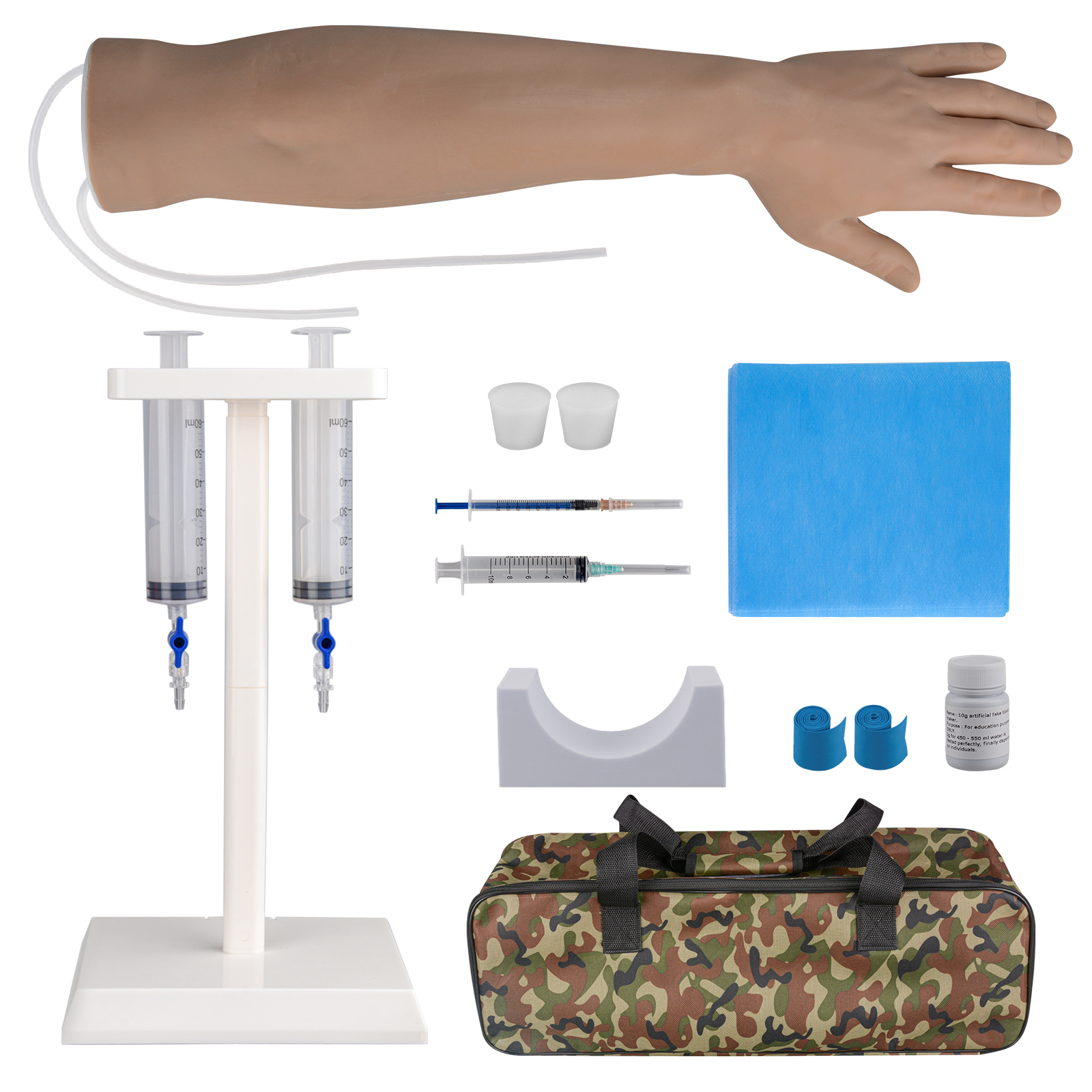
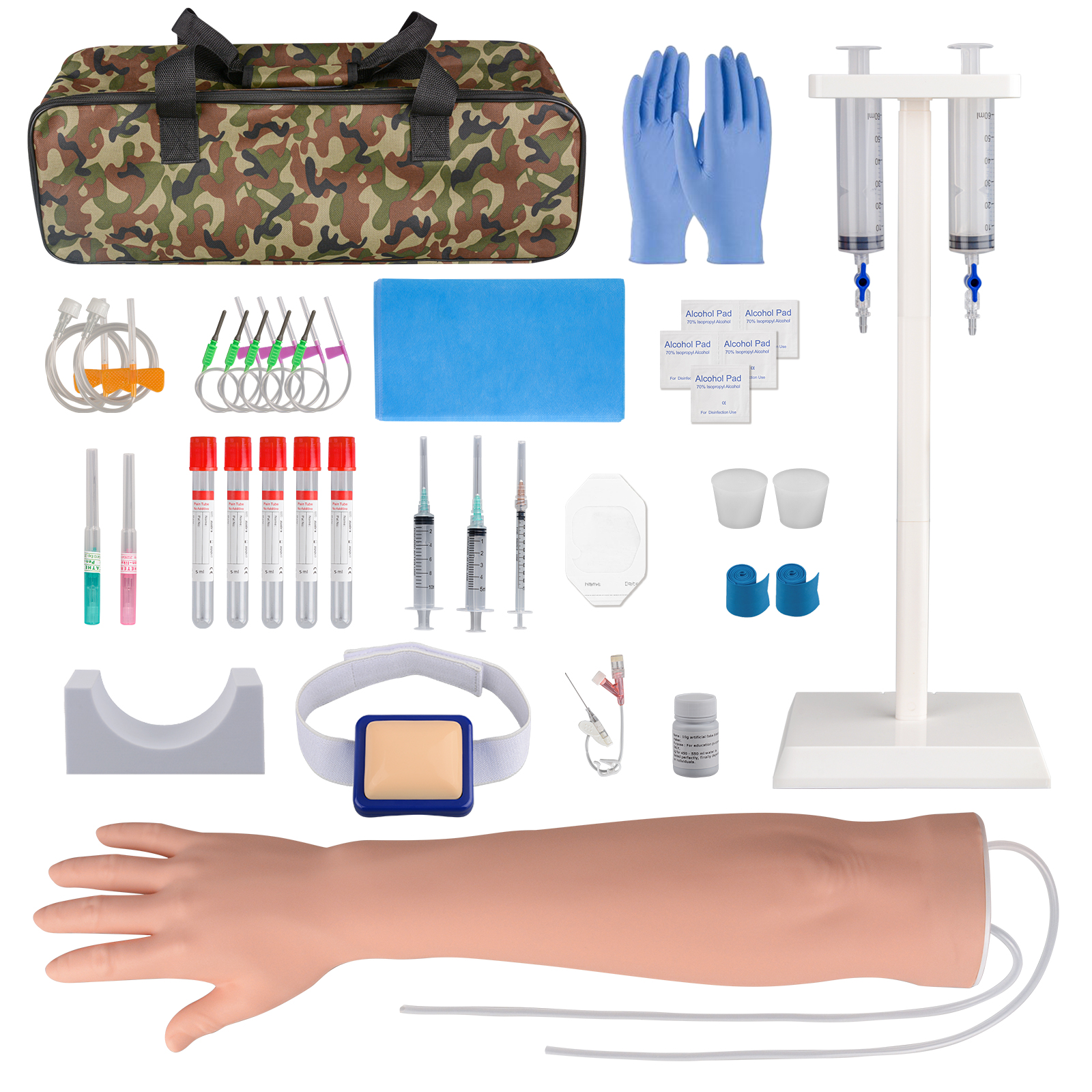
Ultrasound guidance makes vascular access more precise and safer, while reducing patient discomfort. Mastering different types of puncture techniques improves clinical efficiency and enhances patient experience. Using our ultrasound-guided vascular puncture pad allows clinicians and learners to practice these techniques safely and effectively before performing on real patients.
📰Related Article
.png?w=1672&h=941)