.png?w=1920&h=1080)
Vascular access is one of the most common clinical procedures, yet it also requires a high level of technical skill. Studies have shown that traditional blind puncture can fail in 30%–50% of cases, particularly in pediatric and elderly patients. To address these challenges, ultrasound-guided vascular access has emerged, increasing success rates to over 90%. This technique makes puncture procedures more precise and safer, while significantly improving efficiency and clinical outcomes.
Definition of Ultrasound-Guided Vascular Access
Basic Concept
Ultrasound-guided vascular access is a technique that uses real-time ultrasound imaging to visualize blood vessels and the needle tip during puncture. Compared with blind puncture, it provides visual guidance that allows operators to avoid critical structures such as arteries and nerves.
Role of B-Mode and Color Doppler Imaging
- B-mode (2D grayscale imaging)
Displays vessel shape, depth, and surrounding tissue, helping clinicians choose the optimal puncture site.
- Color Doppler
Shows blood flow direction and velocity, aiding in distinguishing arteries from veins and preventing accidental arterial puncture.
Benefits of Using Ultrasound for Vascular Access
In traditional vascular access, clinicians usually locate veins by looking and feeling for venous pulses. For patients with small, deep, or fragile veins, blind puncture often requires multiple attempts. It can also cause accidental arterial puncture or hematomas, which increase patient discomfort and slow down the procedure.
Ultrasound guidance can solve these problems in several ways:
1. Real-Time Visualization
Ultrasound shows the shape, depth, and surroundings of the vessel. This helps clinicians judge where and how to insert the needle accurately.
2. Higher Success Rates
With real-time imaging, operators can guide the needle directly into the target vessel, reducing the number of attempts.
3. Lower Risk of Complications
Continuous imaging helps prevent arterial puncture, nerve injury, and hematomas.
4. Better Patient Experience
Fewer attempts and less pain make the procedure more comfortable for patients.
5. Improved Training and Education
In teaching, ultrasound lets learners see how the needle moves in relation to the vessel. This visual feedback helps them pick up the skill faster.
Recommendations for Skill Development
Mastering ultrasound-guided vascular access requires systematic training and continuous practice:
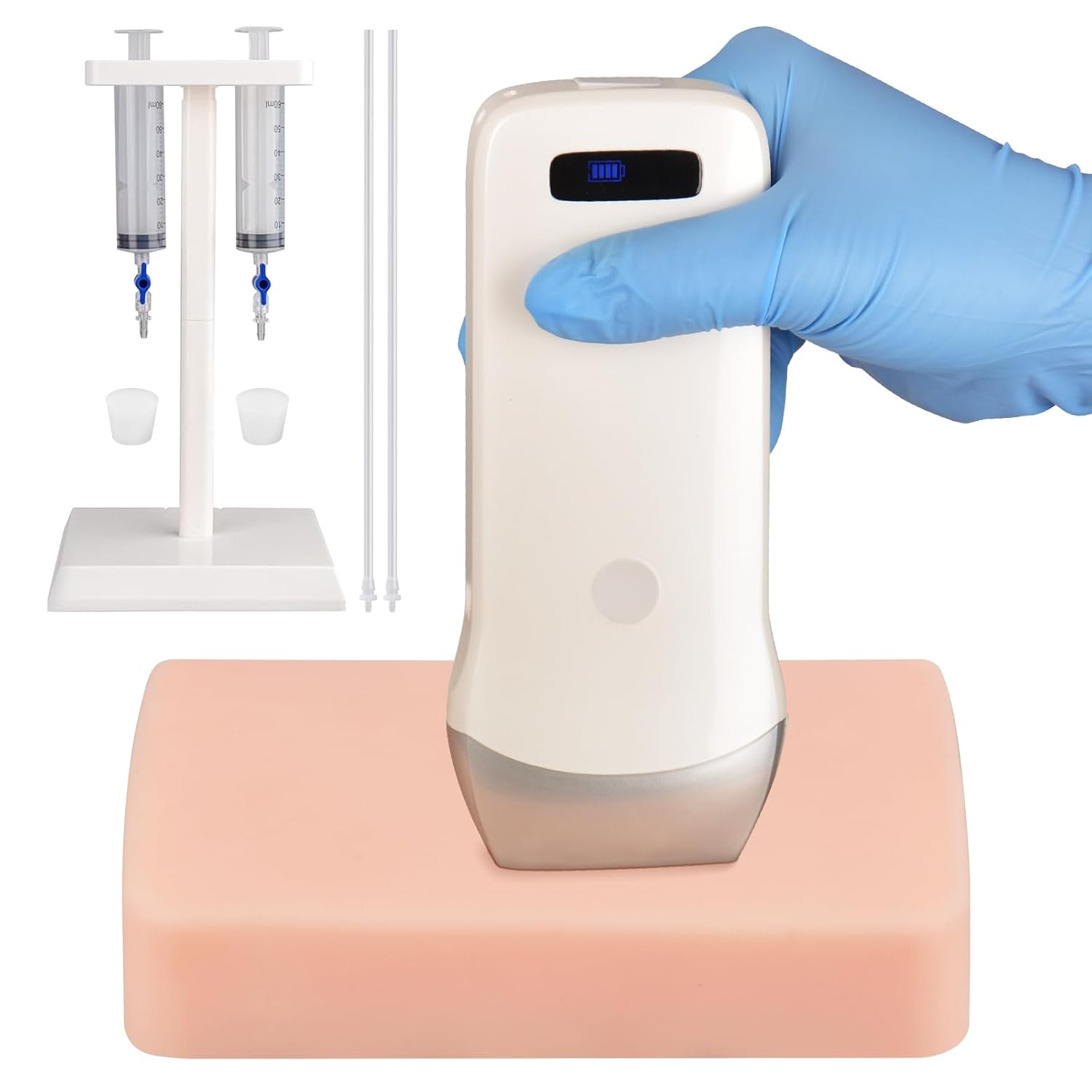
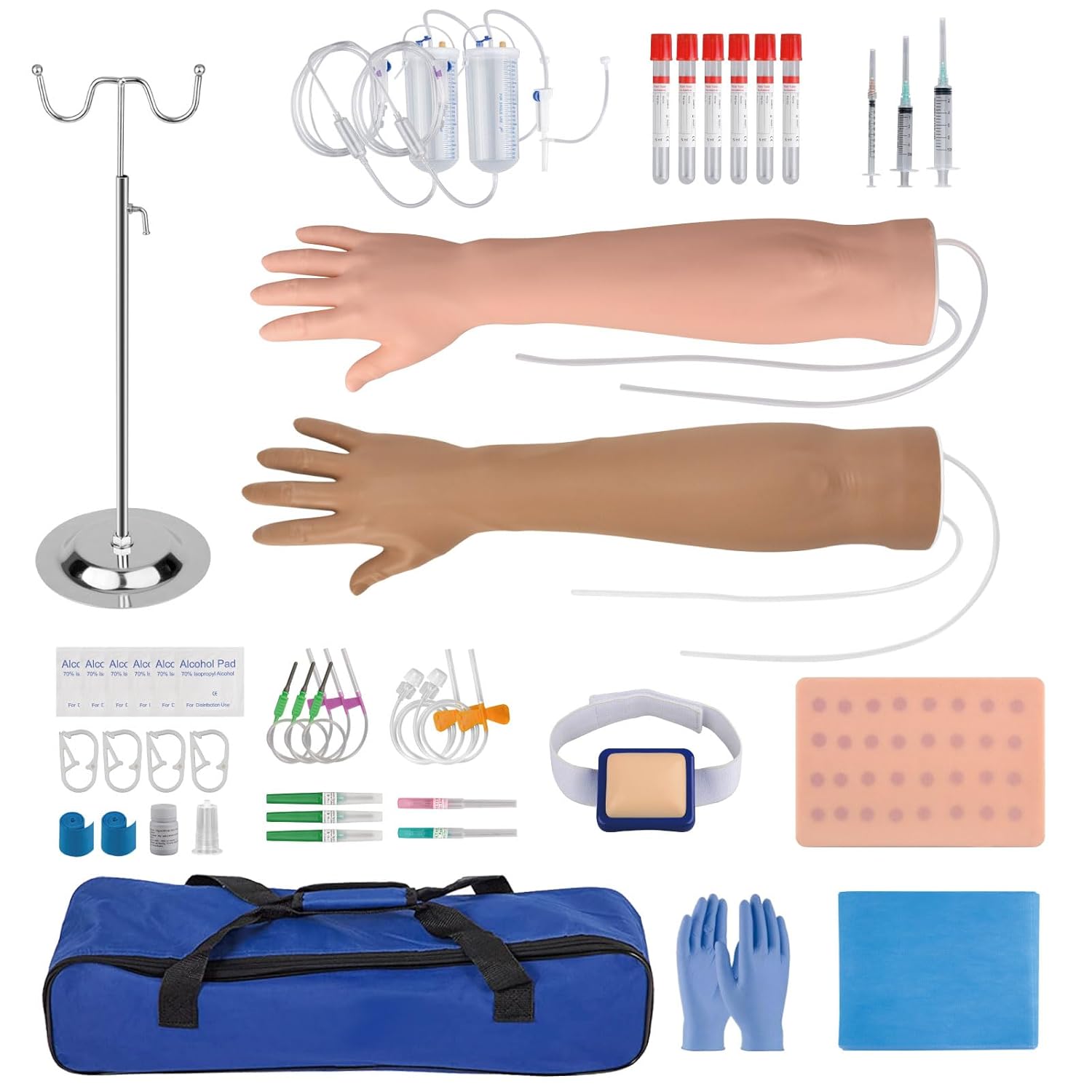
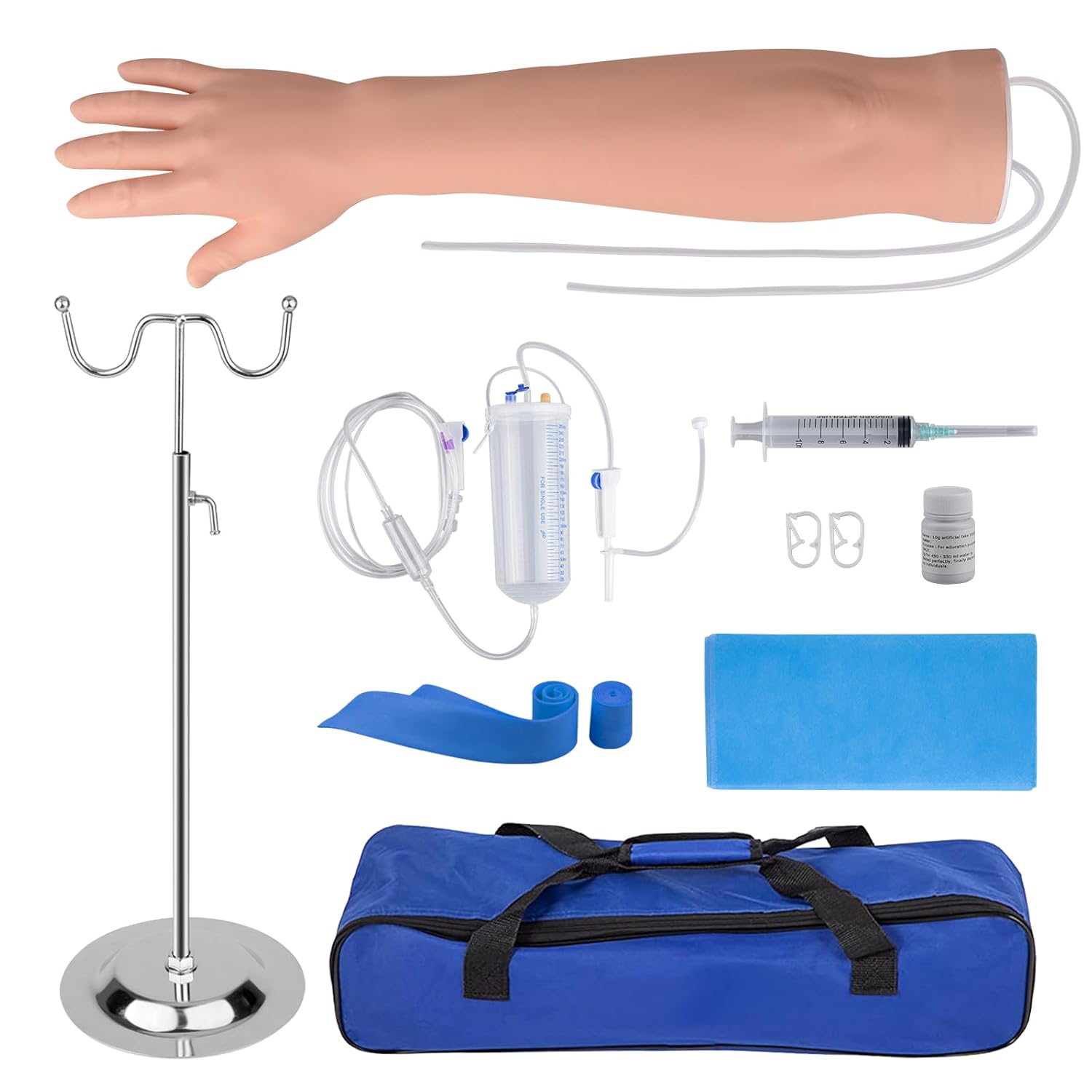
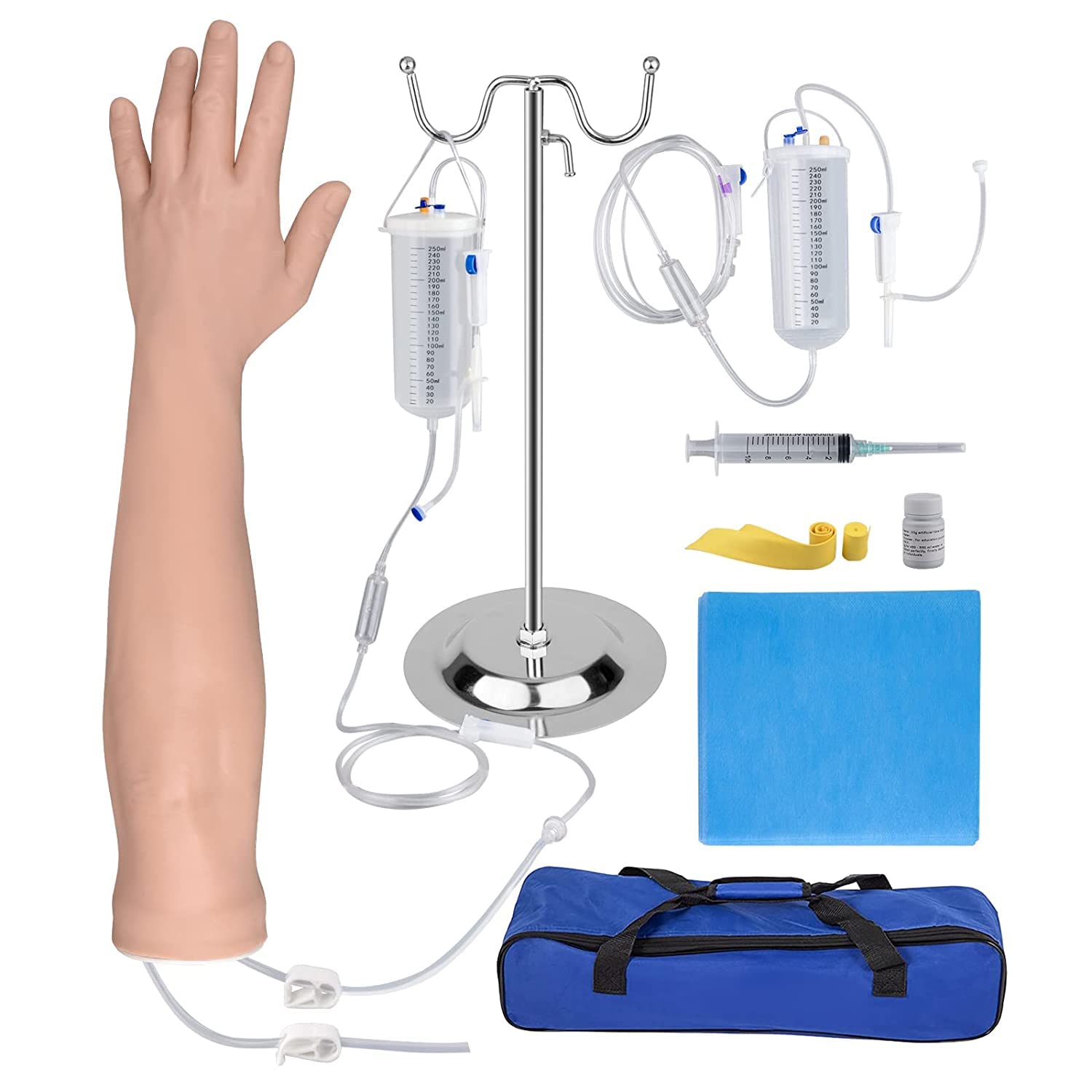
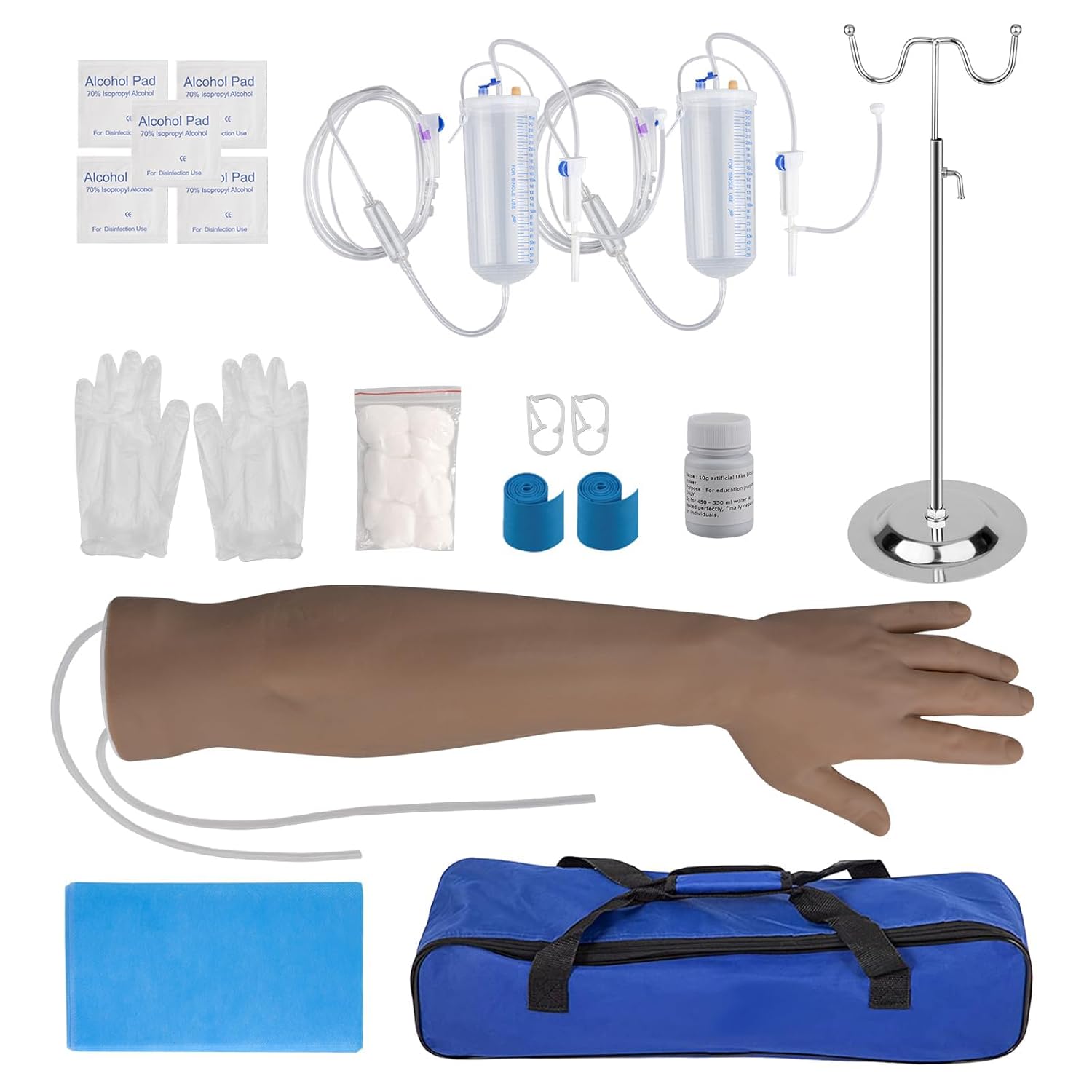
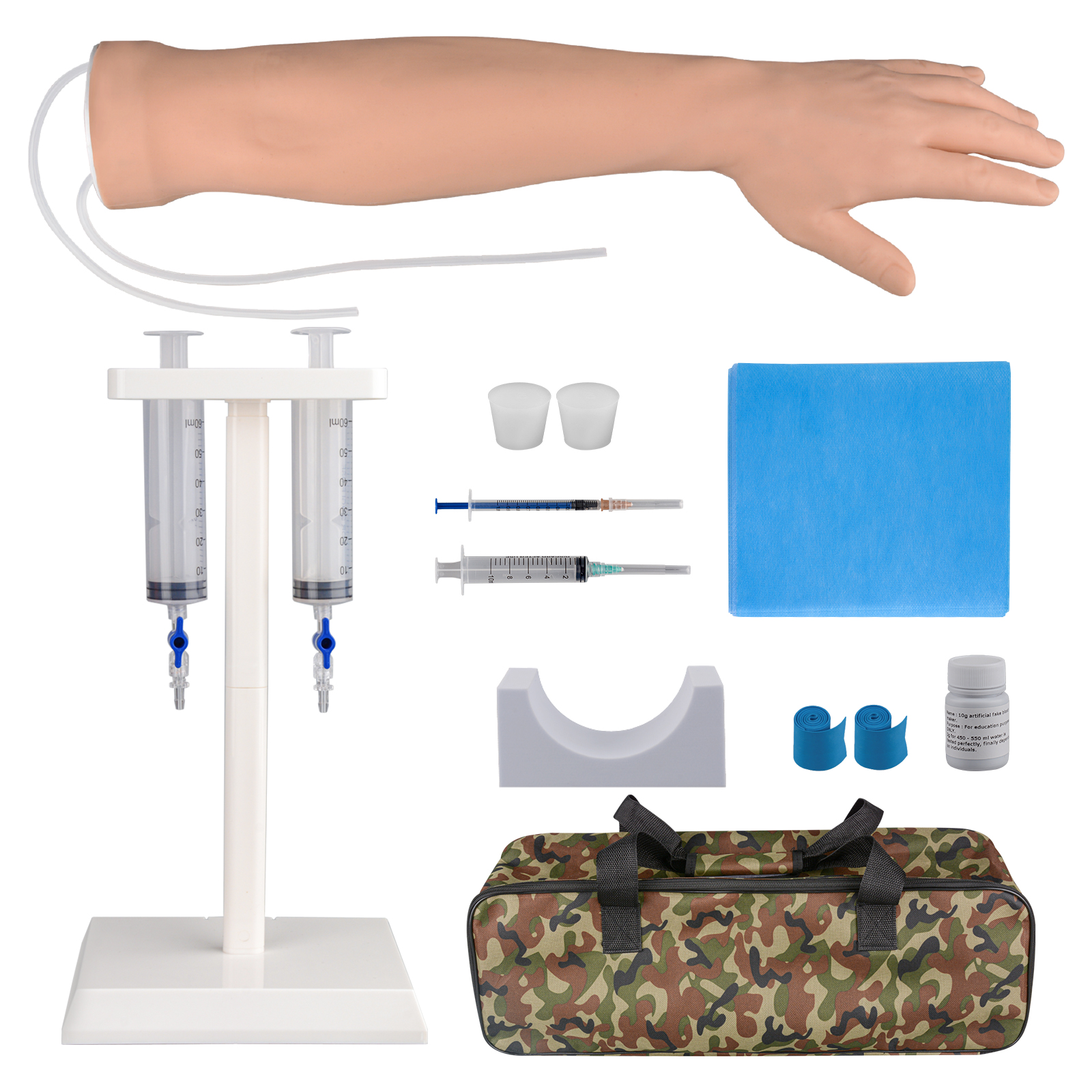
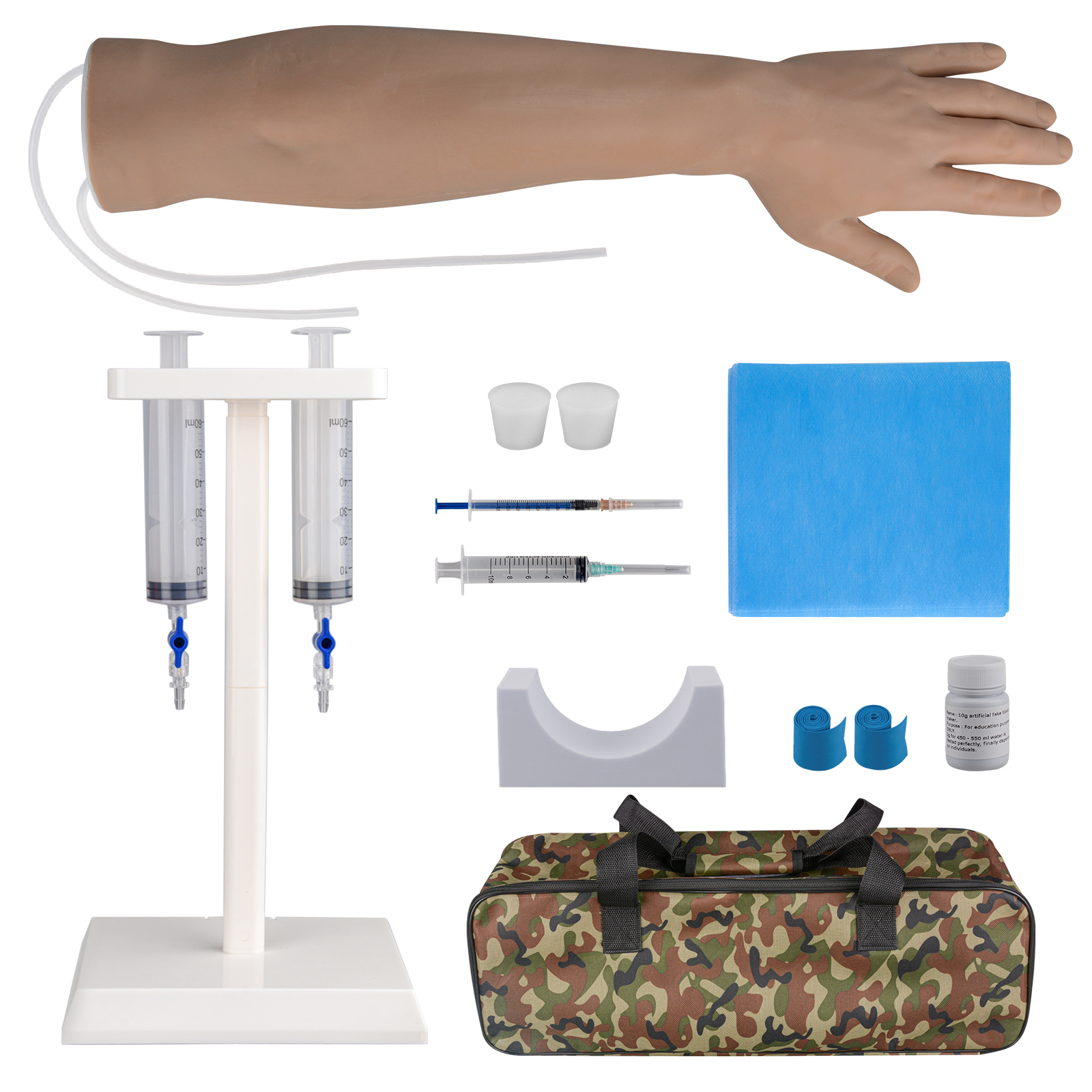
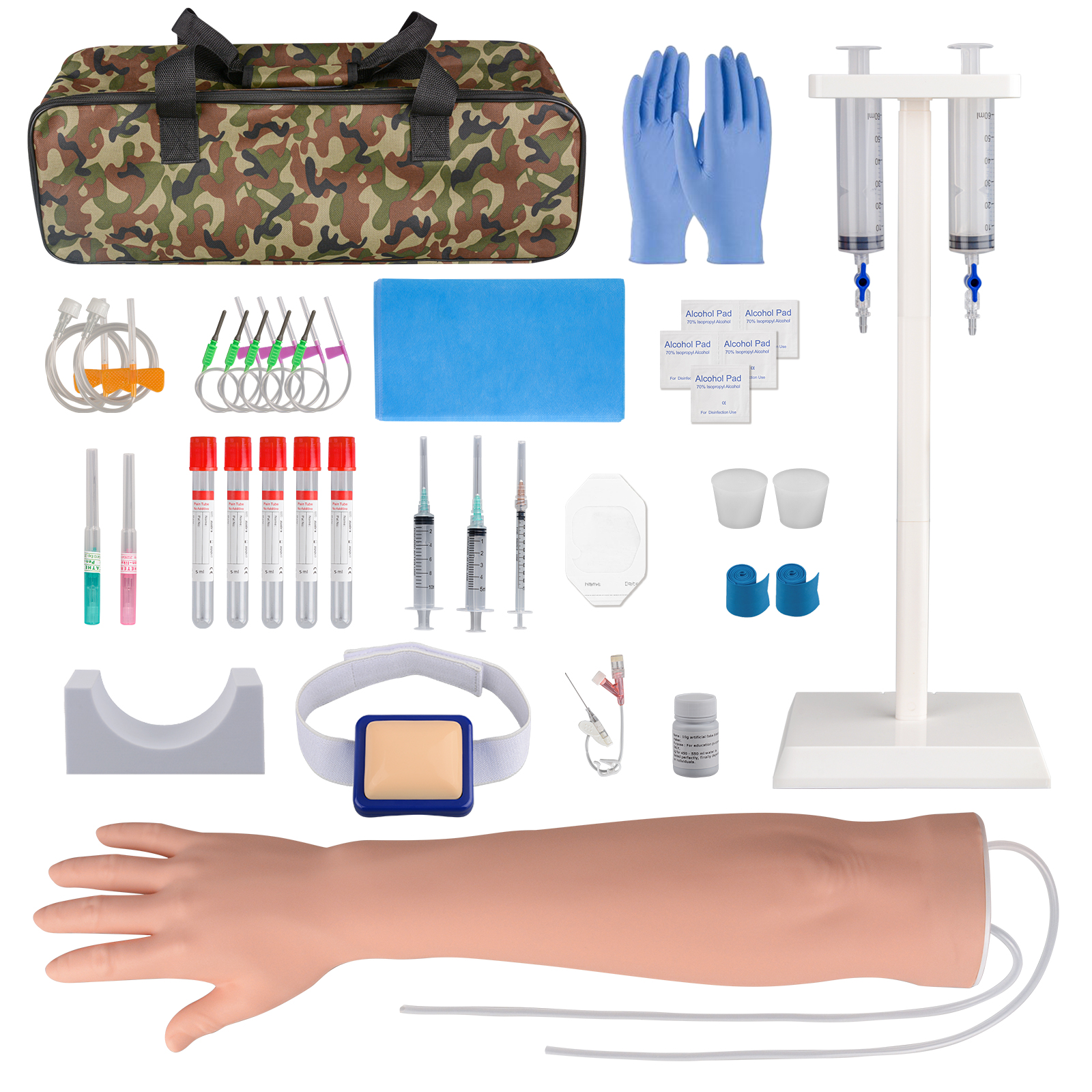
1. Simulation Training: Repeated practice using ultrasound vascular access model helps learners familiarize themselves with needle positioning and image interpretation.
2. Clinical Practice: Performing procedures under the supervision of experienced mentors allows accumulation of practical experience across a range of patient conditions.
3. Continuous Learning: Participating in workshops and training courses helps clinicians stay updated on the latest ultrasound technologies and equipment.

Conclusion
Ultrasound-guided vascular access allows clinicians to “see” vessels and needle tips, making procedures more precise, safer, and less painful for patients. It also provides an intuitive, effective tool for training and skill development. Mastering this technique not only increases puncture success rates but also streamlines routine clinical workflows, improving efficiency and patient care.
.png?w=1672&h=941)