Introduction
Un port veineux implanté, souvent simplement appelé port implanté ou port IV, est un petit dispositif placé sous la peau pour fournir un accès fiable au système circulatoire d'un patient. Il est couramment utilisé lorsque quelqu'un a besoin d'un traitement IV de manière répétée ou sur une longue période.
Contrairement à un IV périphérique standard, qui est inséré dans une veine de la main ou du bras et reste généralement en place pendant une période relativement courte, un port implanté peut rester dans le corps pendant des mois, voire des années, lorsque cela est médicalement approprié. Lorsque le traitement est nécessaire, les professionnels de la santé peuvent accéder au port à travers la peau plutôt que de commencer un nouvel IV périphérique à chaque fois.
Les ports implantés sont souvent associés à la chimiothérapie, mais ils peuvent également être utilisés pour d'autres traitements nécessitant un accès veineux continu ou répété.
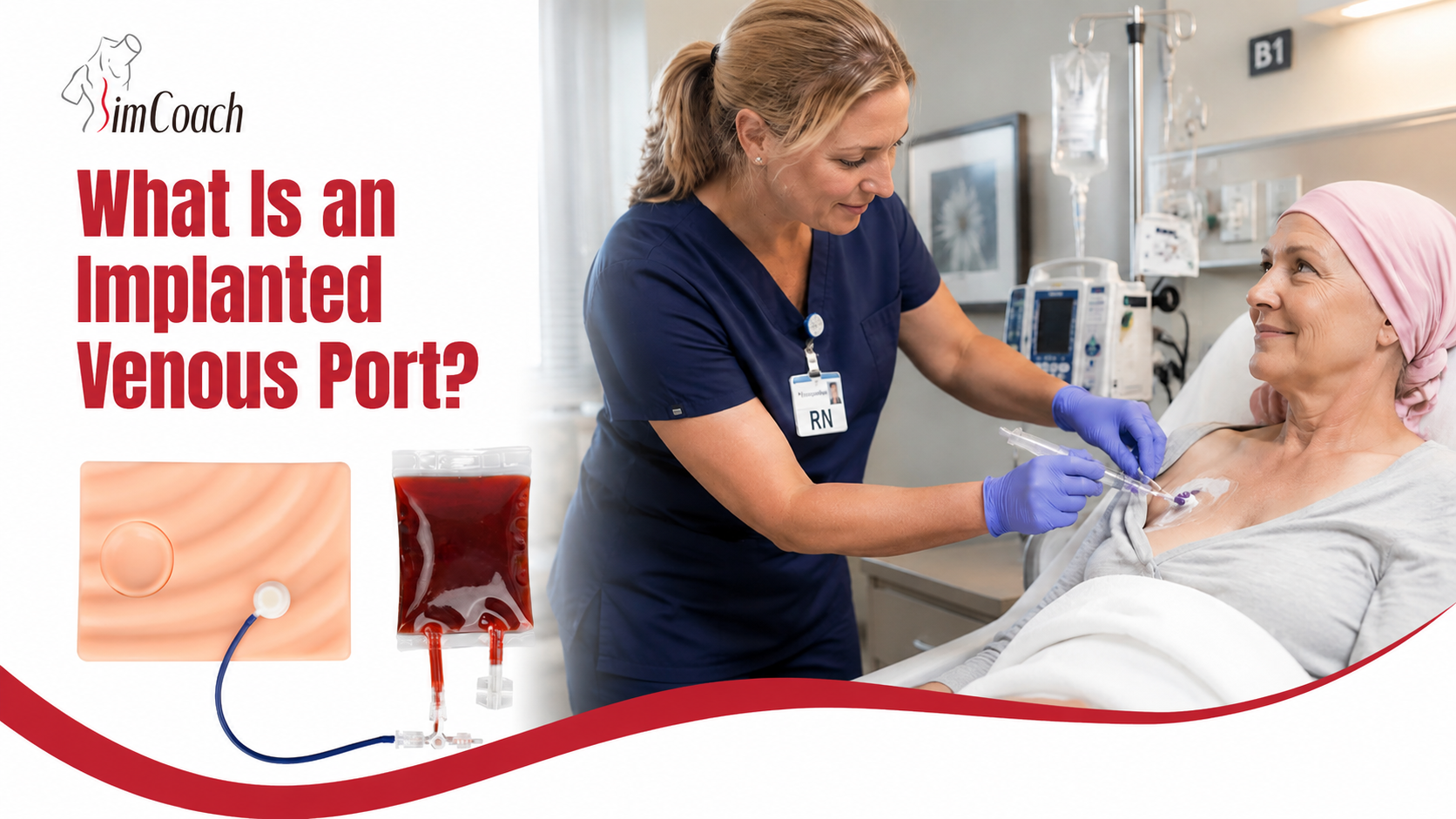
Qu'est-ce qu'un port veineux implanté ?
Un port veineux implanté est un type de dispositif d'accès veineux central. L'ensemble du dispositif se trouve sous la peau, sans tube restant à l'extérieur du corps lorsque le port n'est pas utilisé.
Le port lui-même est généralement une petite chambre surélevée qui peut être ressentie sous la peau. Il se connecte à un cathéter fin qui pénètre dans une grande veine centrale. Ensemble, le port et le cathéter créent un chemin que les professionnels de la santé peuvent utiliser pour les thérapies IV prescrites.
Un des principaux avantages de ce design est que le port peut rester en place entre les traitements. Au lieu de trouver et de percer une veine périphérique à chaque visite, le port implanté peut être accessible au besoin.
Principales parties d'un port veineux implanté
Bien que les conceptions varient, un port veineux implanté a trois parties principales qu'il est utile de comprendre :
1. Réservoir du port :
Le réservoir est la petite chambre implantée sous la peau. Il forme le corps principal du port et est la partie que les professionnels de la santé localisent en palpant à travers la peau avant d'y accéder.
2. Septum auto-obturant :
Au-dessus du réservoir se trouve un septum auto-obturant, généralement en silicone. C'est la zone conçue pour être perforée avec une aiguille non perforante, communément appelée aiguille Huber.
L'aiguille passe à travers la peau du patient et dans ce septum. En d'autres termes, lorsque une infirmière "accède à un port", l'aiguille n'est pas simplement placée quelque part près du dispositif - elle pénètre dans le septum du port implanté pour établir l'accès au réservoir.
Le septum est conçu pour un accès répété et se referme après le retrait de l'aiguille.
3. Cathéter :
Un cathéter fin est connecté au réservoir du port et s'étend dans une grande veine centrale. Une fois que le port a été correctement accessible, des fluides ou des médicaments peuvent circuler à travers le réservoir et le cathéter dans la circulation sanguine.
Ensemble, ces composants forment un système d'accès vasculaire fermé qui reste sous la peau lorsqu'il n'est pas utilisé.
Pourquoi un port veineux implanté est-il utilisé ?
Pour un patient qui n'a besoin que d'un court traitement IV, un IV périphérique peut être suffisant. Mais certains patients ont besoin d'une thérapie intraveineuse de manière répétée pendant des semaines, des mois ou plus longtemps.
L'insertion répétée d'IV périphériques peut devenir difficile, surtout pour les patients ayant un accès veineux médiocre ou recevant des traitements fréquents. Certains médicaments et thérapies peuvent également être mieux adaptés à l'administration veineuse centrale.
Un port implanté offre une option plus durable pour les patients qui nécessitent ce type d'accès continu. Comme le dispositif reste sous la peau entre les traitements, il n'y a pas de cathéter externe qui doit rester à l'extérieur du corps lorsque le port n'est pas accessible.
Raisons courantes pour lesquelles un patient peut avoir besoin d'un port implanté
Un port implanté peut être utilisé pour plusieurs types de traitements ou besoins cliniques, y compris :
- Chimiothérapie :Le traitement du cancer est l'une des utilisations les plus familières des ports implantés. Les patients peuvent recevoir un traitement répété pendant de nombreuses semaines ou mois, rendant l'accès veineux fiable particulièrement important.
- Médicaments IV à long terme :Certaines conditions nécessitent que des médicaments soient administrés par voie intraveineuse sur une période prolongée.
- Infusions répétées :Les patients qui reviennent régulièrement pour des thérapies IV peuvent bénéficier d'un dispositif d'accès veineux central établi.
- Administration de sang ou de produits sanguins :Un port implanté peut être utilisé pour des transfusions de sang ou de produits sanguins lorsque cela est approprié.
- Prélèvement sanguin :Certains ports implantés peuvent être utilisés pour obtenir des échantillons de sang lorsque cela est cliniquement approprié et selon les protocoles de l'établissement.
- Autres thérapies intraveineuses à long terme :Les ports peuvent également être utilisés pour d'autres traitements lorsque un accès veineux central fiable et répété est nécessaire.
La nécessité d'un port implanté dépend du type et de la durée du traitement, de l'état des veines du patient et d'autres considérations cliniques.
Où un port veineux implanté est-il placé ?
Les ports implantés sont généralement placés sous la peau de la partie supérieure de la poitrine, bien que d'autres emplacements puissent être utilisés en fonction du patient et de la situation clinique.
Après placement et guérison, le port est complètement recouvert par la peau. Il n'y a pas de port ou de connecteur ouvert visible de l'extérieur du corps. Au lieu de cela, le réservoir crée généralement une petite zone surélevée qui peut être ressentie sous la peau.
Le cathéter attaché au réservoir passe sous la peau et pénètre dans une veine centrale, avec son extrémité positionnée dans la circulation veineuse centrale.
C'est une caractéristique importante à comprendre lors de l'apprentissage de l'accès au port : les professionnels de la santé ne peuvent généralement pas voir directement le septum qu'ils doivent accéder. Ils identifient d'abord le réservoir implanté en palpant à travers la peau et en localisant ses bords et son centre.
Comment un port implanté est-il utilisé ?
Avoir un port implanté ne signifie pas qu'une aiguille reste dans la poitrine du patient tout le temps.
Lorsque le port n'est pas nécessaire, il reste complètement sous la peau. Lorsque l'accès IV est requis pour le traitement, un professionnel de la santé formé accède au port en utilisant une aiguille non perforante.
Le processus de base consiste à localiser le port sous la peau, à préparer le site d'accès, à stabiliser le port et à insérer l'aiguille à travers la peau et dans le septum du port. Une fois que l'accès approprié a été établi, le port peut être utilisé pour la thérapie prescrite.
Après le traitement, l'aiguille peut être retirée selon le plan de traitement du patient et le protocole de l'établissement. Le port lui-même reste implanté sous la peau pour une utilisation future.
Ce processus est couramment appelé accès au port implanté, accès au port IV, ou simplement accès au port.
Parce que l'accès à un port implanté implique une identification appropriée du dispositif, une technique aseptique, le placement de l'aiguille et la gestion d'un dispositif d'accès veineux central, les professionnels de la santé nécessitent une éducation appropriée et une formation pratique avant de réaliser la procédure en pratique clinique.
Port implanté vs IV périphérique : quelle est la différence ?
Un port implanté et un IV périphérique fournissent tous deux un accès à la circulation sanguine, mais ils sont conçus pour des situations différentes.
| Port veineux implanté | IV périphérique | |
| Emplacement | Implanté sous la peau et connecté à une veine centrale | Inséré dans une veine périphérique, généralement dans la main ou le bras |
| Utilisation typique | Thérapie IV répétée ou à long terme | Thérapie IV à court terme |
| Entre les traitements | Le port reste implanté sous la peau | Le cathéter IV est généralement retiré lorsqu'il n'est plus nécessaire |
| Comment il est accessible | À travers la peau en utilisant une aiguille non perforante/Huber | Un cathéter IV périphérique est inséré directement dans une veine |
| Situations courantes | Chimiothérapie, infusions répétées, thérapies IV à long terme | Médicaments à court terme, fluides et autres besoins IV temporaires |
La principale différence n'est pas simplement l'emplacement du dispositif. Un IV périphérique est généralement destiné à fournir un accès veineux temporaire, tandis qu'un port implanté est conçu pour fournir un accès fiable sur une période plus longue lorsque un traitement répété est attendu.
Conclusion
Si vous apprenez à connaître les ports veineux implantés pour la première fois, le dispositif et le processus d'accès peuvent sembler un peu inconnus. Contrairement à un IV périphérique, le port est caché sous la peau, donc vous devez comprendre ce que vous ressentez, où l'aiguille doit aller et comment le port se connecte au système veineux.
Une fois que vous comprenez la structure de base d'un port implanté et pourquoi les patients peuvent en avoir besoin, la procédure d'accès devient beaucoup plus facile à comprendre. À partir de là, l'étape suivante consiste à apprendre à localiser le port, à manipuler une aiguille Huber et à travailler à travers le processus d'accès au port de manière sûre et confiante.
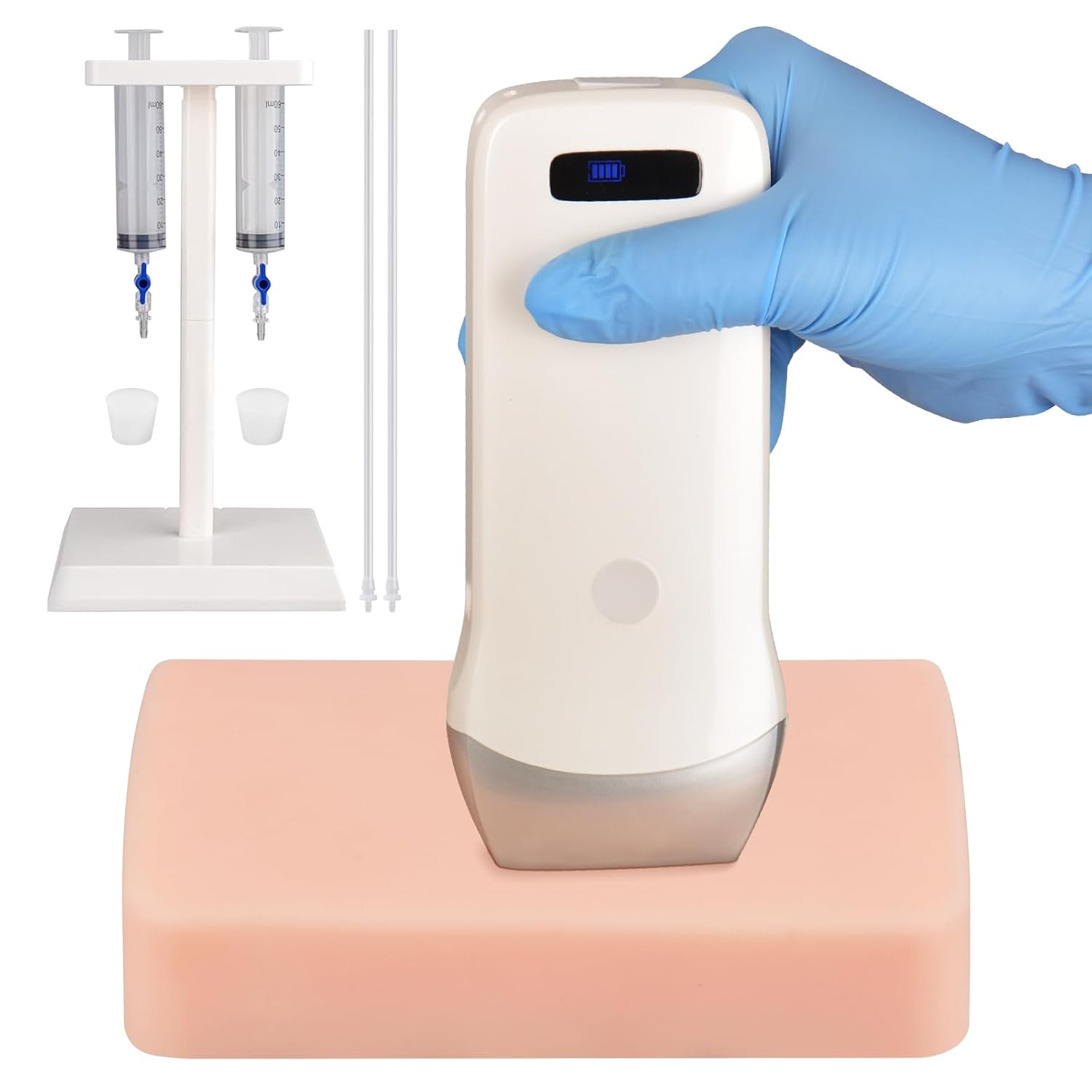
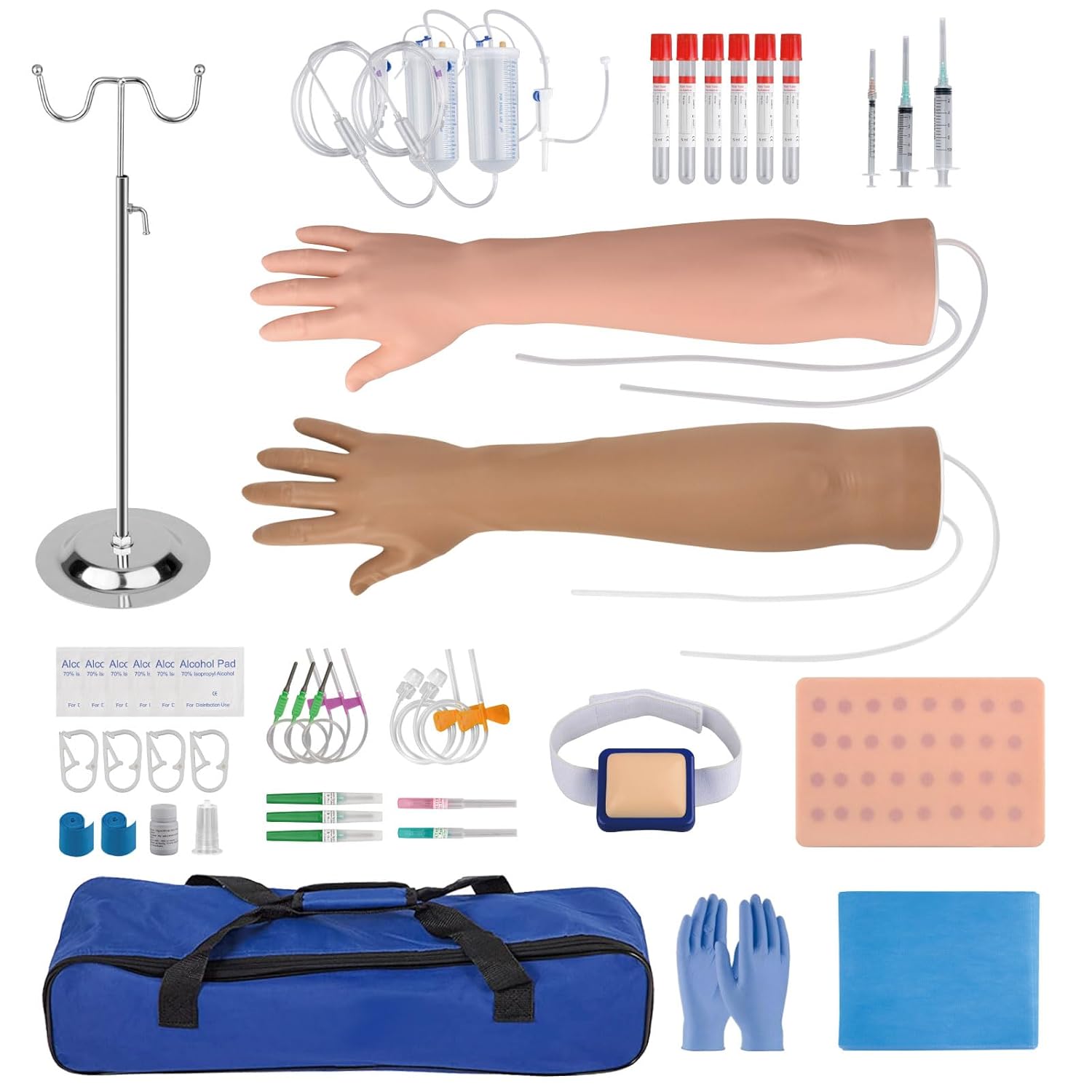
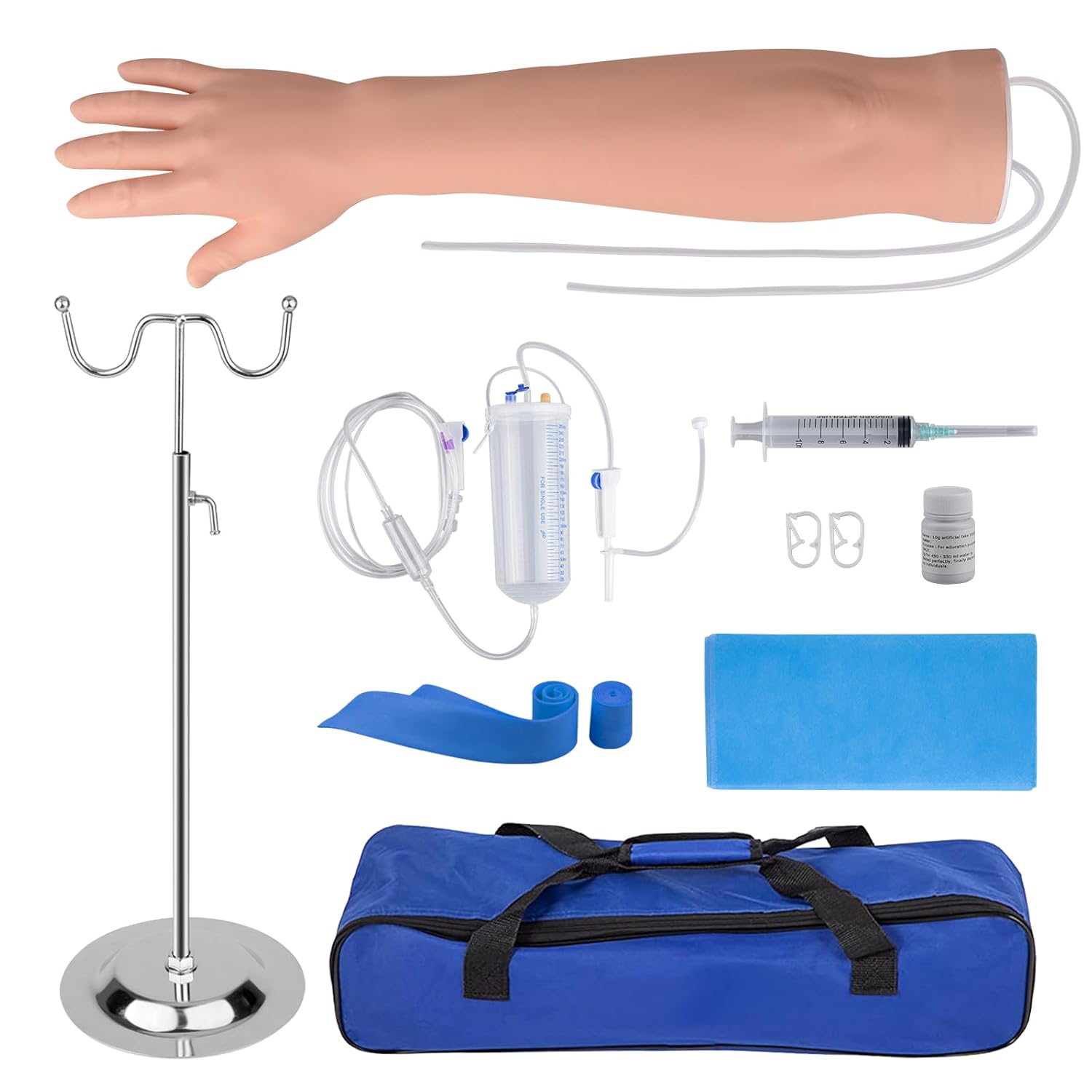
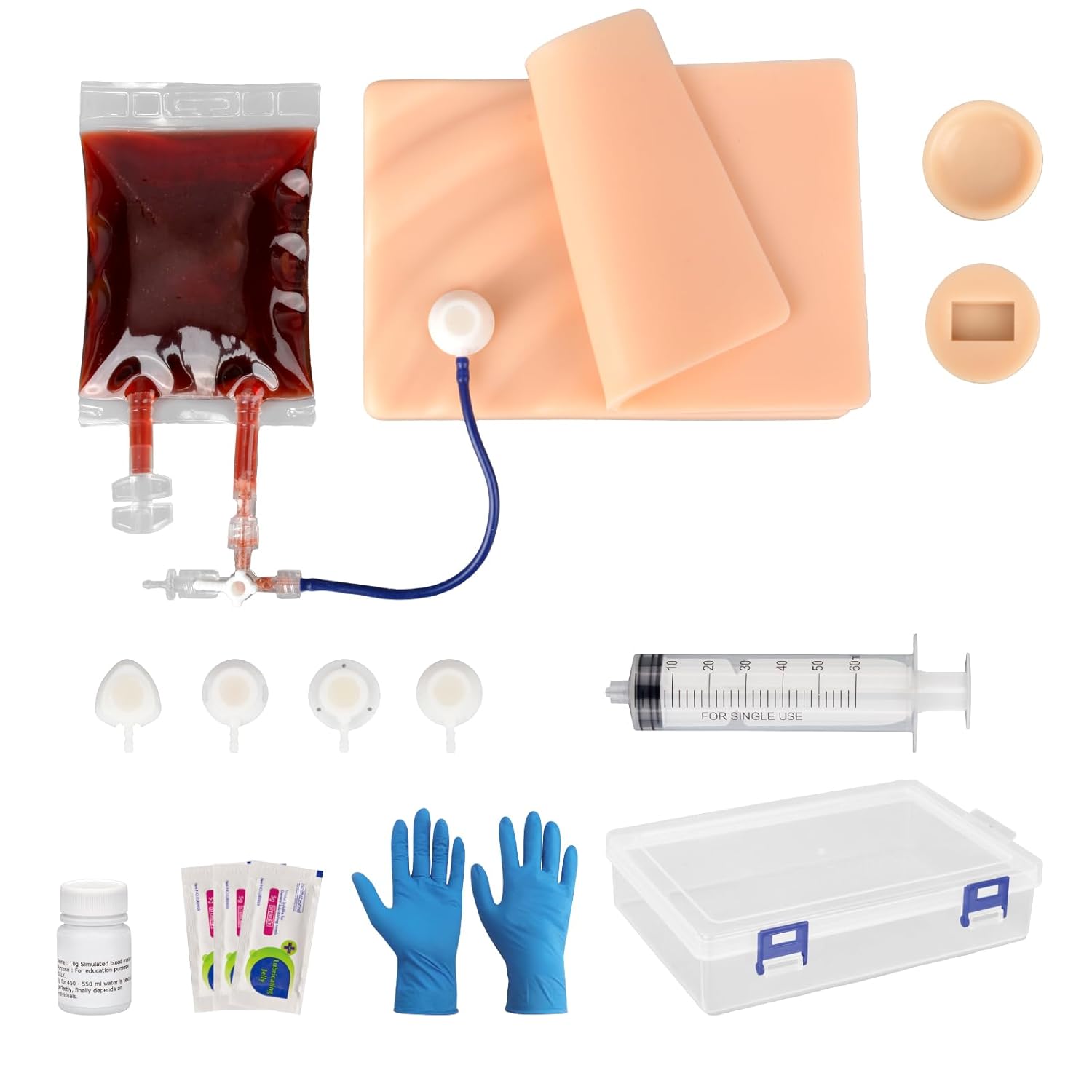
Pour les étudiants en soins infirmiers et les professionnels de la santé apprenant cette compétence, la pratique pratique peut aider à transformer cette compréhension de base en une procédure qui semble plus familière avant de travailler avec des patients. Un entraîneur d'accès au port IV fournit un moyen pratique de pratiquer la localisation et la stabilisation d'un port implanté, l'insertion d'une aiguille Huber et de se familiariser avec le processus d'accès au port dans un cadre simulé.
.png?w=1672&h=941)